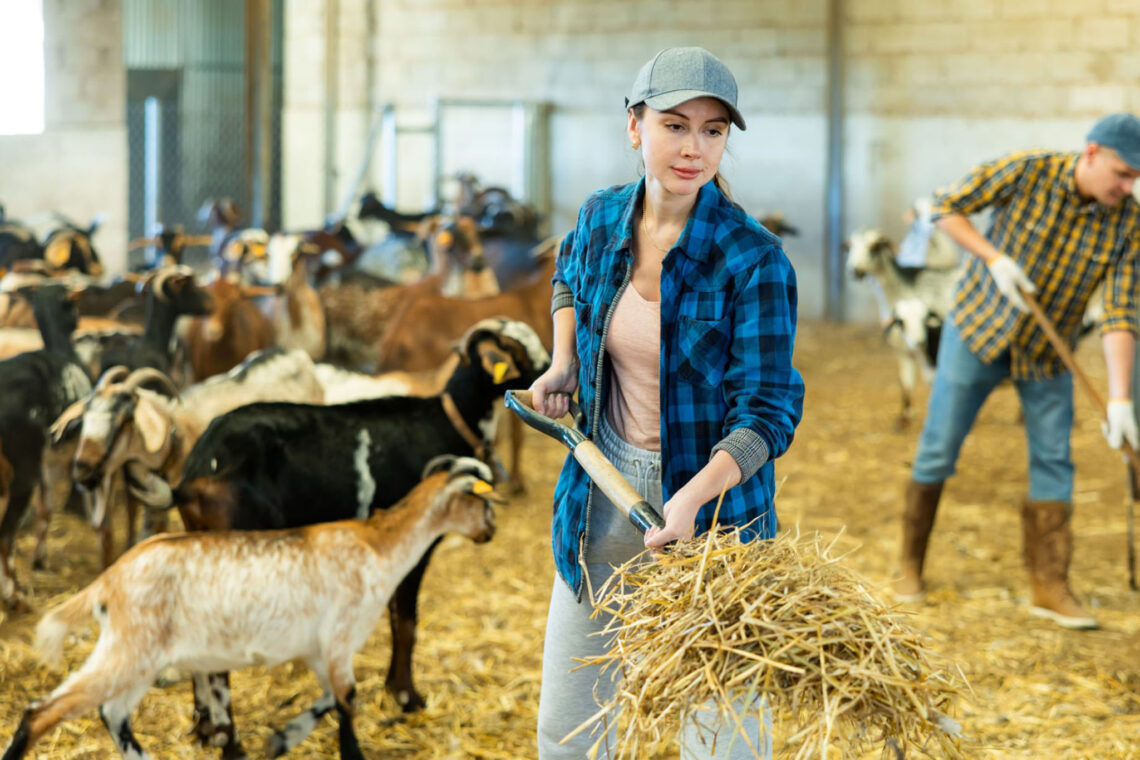
Fly and Parasite Control for Livestock During Peak Summer
Summer on the ranch brings longer days, greener pastures—and a surge in pests that can wreak havoc on your herd’s health and productivity. Flies, ticks, lice, and internal parasites thrive in warm, humid conditions, making mid-summer the peak season for infestations. Left unchecked, these pests can lead to weight loss, decreased milk production, stress-related injuries, and even disease outbreaks.
But with the right strategy, you can protect your livestock and keep your operation running smoothly through the hottest months of the year. Let’s break down the most effective ways to manage flies and parasites during peak summer.
Why Summer Pest Control is Critical
☀️ Heat & Humidity = Explosive Pest Populations
Warm temperatures accelerate the life cycle of flies and other pests. Manure, wet bedding, and stagnant water become breeding grounds for millions of larvae.
🐄 Livestock Under Stress
Cattle, sheep, and goats already struggle with heat stress. Add biting flies or an internal parasite load, and animals expend extra energy swatting, stamping, and rubbing—energy that should go into weight gain or milk production.
🦟 Disease Transmission
Flies aren’t just annoying—they can carry pinkeye, mastitis pathogens, and parasites like stomach worms.
Prevention and control are your best defense.
Part 1: Fly Control Strategies
🪰 1. Start with Environmental Management
- Manure Management: Remove manure from pens and pastures regularly. Spread it thin to dry quickly or compost it to kill larvae.
- Drain Standing Water: Empty troughs, buckets, and low-lying areas where water collects. Even small puddles are prime breeding grounds for mosquitoes and flies.
- Keep Bedding Dry: Replace wet bedding to reduce fly attraction in barns and loafing areas.
🧴 2. Direct Fly Control on Livestock
- Pour-Ons & Sprays: Apply insecticides labeled for cattle or other livestock to protect them from horn flies, face flies, and stable flies. Rotate active ingredients to prevent resistance.
- Dust Bags & Back Rubbers: Hang in high-traffic areas like mineral feeders or gate openings. These allow animals to self-treat as they pass through.
- Ear Tags: Use insecticidal fly tags on cattle at the start of summer. Remove and rotate annually to maintain effectiveness.
🏗️ 3. Mechanical & Biological Controls
- Fly Traps & Sticky Ribbons: Place these in barns and loafing sheds to catch adult flies.
- Predatory Wasps: Release beneficial wasps that feed on fly larvae to reduce populations naturally.
Part 2: External Parasite Control (Ticks, Lice, Mites)
🕷️ 1. Ticks
- Pasture Rotation: Moving livestock between pastures interrupts the life cycle of ticks and reduces heavy infestations.
- Acaricide Treatments: Use pour-ons, sprays, or dips to kill ticks. Pay attention to ears, tails, and underbellies where ticks congregate.
🪳 2. Lice & Mites
- Summer infestations are less common but still possible in stressed animals. Use approved pour-ons and sprays if scratching or hair loss appears.
Part 3: Internal Parasite Control (Worms)
🐑 1. Strategic Deworming
- Fecal Egg Counts: Work with a vet to determine parasite loads and tailor treatment to avoid unnecessary deworming and resistance.
- Pasture Management: Avoid overgrazing, which forces animals to graze closer to feces where larvae concentrate.
💊 2. Choosing the Right Dewormer
- Use broad-spectrum anthelmintics and rotate drug classes annually to slow resistance.
Summer Parasite Control Checklist
✅ Clean pens, remove manure weekly, and drain standing water.
✅ Apply pour-ons or sprays for flies and ticks.
✅ Rotate pastures and avoid overstocking.
✅ Use fly tags, back rubbers, and dust bags in high-traffic areas.
✅ Monitor animals for signs of stress, scratching, or hair loss.
✅ Conduct fecal egg counts and deworm strategically.
Stay Ahead of the Pests
Peak summer doesn’t have to mean peak stress—for you or your herd. With diligent management and the right control measures, you can drastically cut down on flies and parasites, keeping your livestock healthier and more productive.
A proactive plan protects your bottom line and ensures your animals head into fall strong and parasite-free. So grab your sprayer, check those troughs, and take back control of your ranch this summer.

