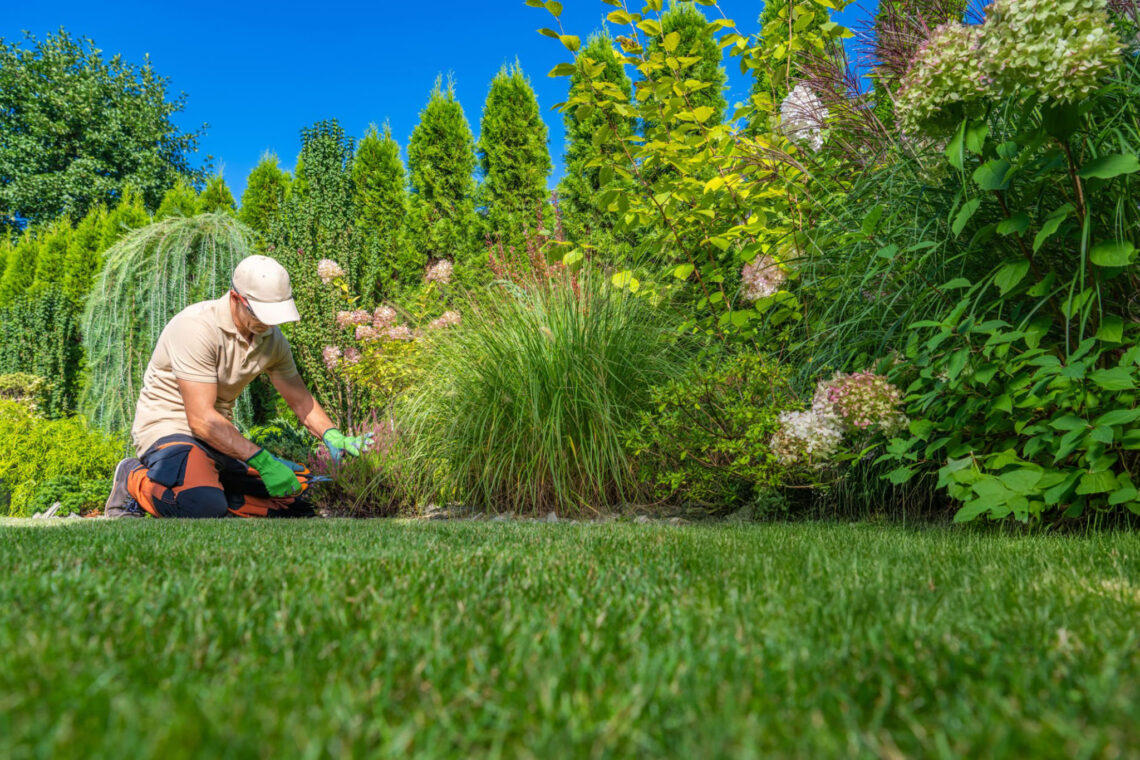
Water Smarter, Not Harder: Drought-Resistant Gardening Tips
As summer heatwaves roll in and drought warnings become more common, gardeners across the country are looking for ways to keep their plants thriving without running up their water bills or exhausting their wells. The good news? With a little planning and the right techniques, you can create a lush, vibrant garden that flourishes even under dry conditions. Here’s how to water smarter—not harder—and make every drop count.
🌱 1. Choose Drought-Resistant Plants
The first step toward a low-water garden is selecting plants that naturally handle heat and dry soil. Native species and Mediterranean plants are great options because they’re adapted to survive on minimal water.
Top drought-resistant picks for American gardens:
- Perennials: Lavender, Echinacea (coneflowers), Russian sage, yarrow, Black-eyed Susan.
- Shrubs: Rosemary, butterfly bush, juniper, barberry.
- Groundcovers: Creeping thyme, sedum, ice plant.
- Vegetables: Okra, eggplant, peppers, and most herbs like oregano and thyme.
👉 Tip: Group plants with similar water needs together so you don’t overwater drought-tolerant varieties.
💧 2. Master Deep, Infrequent Watering
Frequent shallow watering encourages plants to develop weak, shallow root systems that can’t survive when the soil dries out. Instead, water deeply and less often.
- Water early in the morning before the heat evaporates moisture.
- Let water soak 6-8 inches deep to encourage roots to grow downward.
- Avoid watering in the evening to reduce the risk of fungal diseases.
Bonus Tip: Install a rain gauge to track how much water your garden receives naturally, so you can adjust your irrigation schedule.
🌾 3. Mulch Like a Pro
Mulch is your garden’s best friend during drought. A thick layer of mulch locks in soil moisture, regulates soil temperature, and prevents weeds from stealing water.
- Best mulch types: Shredded bark, straw, compost, or wood chips.
- Apply 2-4 inches around plants but keep mulch a few inches away from stems to prevent rot.
💡 4. Upgrade to Efficient Irrigation
Say goodbye to wasteful overhead sprinklers and switch to smarter watering systems:
- Drip irrigation: Delivers water directly to plant roots, reducing evaporation.
- Soaker hoses: Great for raised beds and borders.
- Water timers: Automate your watering schedule for consistency.
👉 Pro Tip: Pair drip irrigation with a rain sensor to pause watering during storms.
🌞 5. Protect Your Soil
Healthy soil holds water longer and nourishes plants better. Improve your soil’s water retention by adding organic matter:
- Mix in compost, well-rotted manure, or peat moss.
- Use cover crops like clover in the off-season to enrich soil and prevent erosion.
🌸 6. Adjust Planting Strategies
Where and how you plant makes a huge difference in water needs:
- Plant in sun/shade zones wisely. Place sun-loving, drought-tolerant plants in full sun and water-sensitive plants in partial shade.
- Use windbreaks like hedges or fences to reduce evaporation.
- Plant in raised beds or berms with amended soil to improve drainage and water penetration.
🛠️ 7. Harvest Rainwater
Make the most of every drop nature gives you:
- Install rain barrels under downspouts to collect water for your garden.
- Use greywater (like water from washing vegetables) for non-edible plants.
- Consider a rain garden to capture runoff and water thirsty plants.
✅ Quick Summer Garden Survival Checklist
✔ Switch to drought-tolerant plants where possible.
✔ Mulch all exposed soil.
✔ Water deeply and early in the day.
✔ Install drip irrigation or soaker hoses.
✔ Harvest and reuse rainwater.
🌿 Conclusion: A Thriving Garden in Any Climate
Drought doesn’t have to mean a lifeless garden. With drought-resistant plants, efficient watering practices, and a little creativity, you can build a garden that’s not only beautiful but sustainable. Remember: it’s not about watering harder—it’s about watering smarter.
This summer, let’s work with nature, not against it.

