-
Why Midday Activity Windows Matter Most During Deep Cold
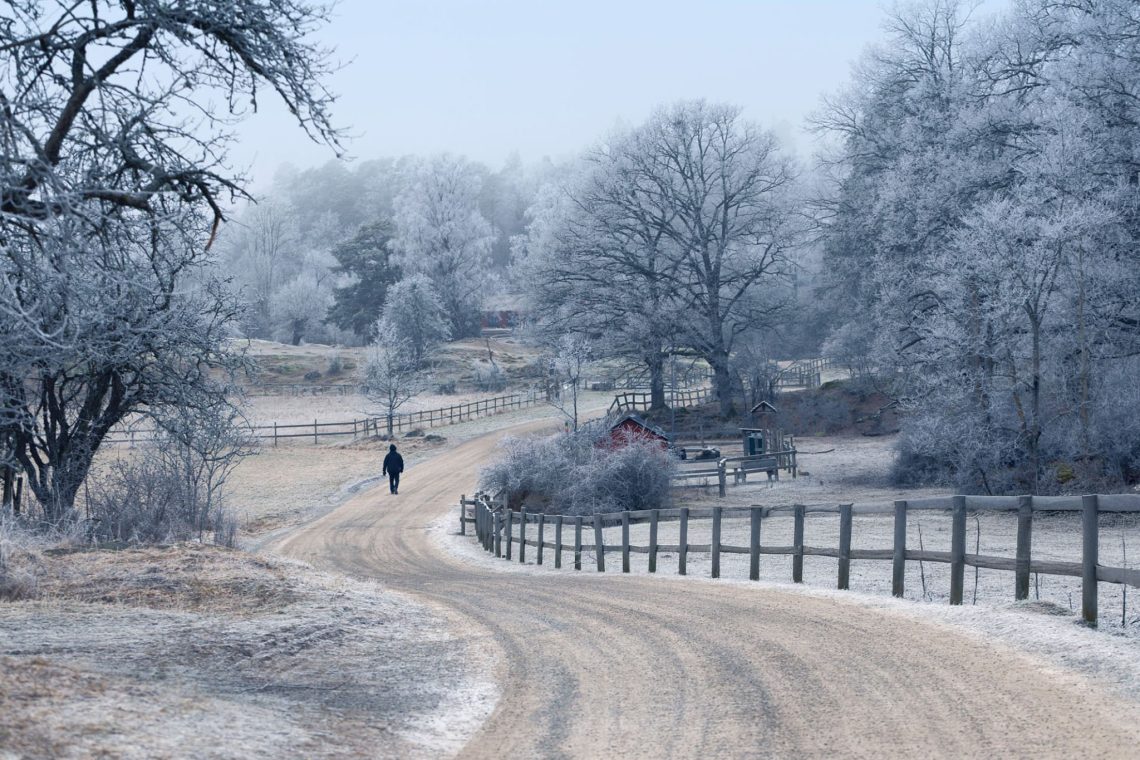
When temperatures plunge and cold stretches on for days or weeks, many hunters and outdoor observers assume animal movement simply shuts down. In reality, movement doesn’t disappear—it compresses. And during deep cold, that compression often makes midday the most reliable activity window of the entire day. Understanding why this happens can turn slow, silent winter days into predictable opportunities. Cold Forces Animals to Redefine “Efficiency” In extreme cold, movement is expensive. Every step: Animals adapt by moving less often, not randomly. They choose the moments when movement costs the least and returns the most. Midday Is When the Energy Math Finally Works Even on bitter days, midday offers subtle advantages:…
-
How Extended Cold Changes Feed Bunk Competition Dynamics
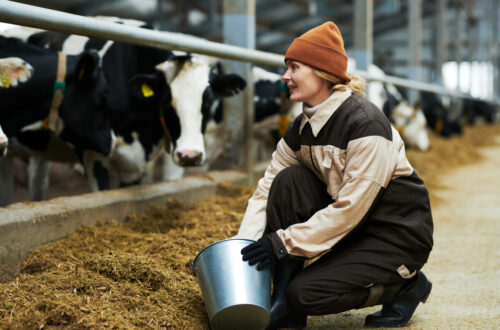
Extended cold doesn’t just increase feed demand—it quietly reshapes how cattle behave at the feed bunk. When cold weather stretches on for weeks instead of days, competition patterns change, social pressure tightens, and intake becomes less evenly distributed across the group. These shifts are subtle. They don’t always show up in total feed disappearance, but they have a major impact on individual performance, body condition, and stress. Cold Intensifies the Value of Feed Access In prolonged cold, feed becomes more than nutrition—it becomes warmth. Every mouthful represents: As a result, cattle place higher priority on feed access, especially during cold peaks. Why Social Hierarchies Matter More in Winter Dominance structures…
-
Why Feed Timing Matters More Than Quantity During Deep Cold
When temperatures plunge, the first instinct on many ranches is to add more feed. While total feed availability matters, when cattle eat during deep cold often has a bigger impact on body condition, comfort, and feed efficiency than how much is delivered. In extended cold spells, feeding at the wrong time can quietly waste energy. Feeding at the right time can help cattle hold condition—even on the same ration. Cold Changes How Cattle Use Feed In cold weather, cattle don’t just need calories—they need timed energy. Feed consumed at different times of day: Deep cold magnifies these effects. The Rumen Is a Heat Engine—But Only on Schedule Fermentation generates heat.…
-
What Reduced Water Visits Say About Cold-Weather Intake
In winter, water intake often becomes invisible. Tanks don’t empty as fast, cattle linger less at water sources, and everything appears fine. But fewer water visits in cold weather rarely mean animals need less water. More often, they signal subtle shifts in intake, digestion, and energy balance that can quietly erode performance. Understanding what reduced water visits actually mean—and when they matter—can make the difference between cattle holding condition through winter or sliding backward without obvious warning signs. Winter Water Intake Isn’t Optional—It’s Just Harder to See Cold temperatures don’t eliminate water needs. In many cases, they increase them. Cattle require water to: When water visits drop, something else is…
-
Mid-Winter Bedding Mistakes That Quietly Stress Livestock
Bedding is one of those winter chores most ranchers feel confident about. Straw goes down, cattle lie on it, job done. But in mid-winter, bedding mistakes don’t usually cause obvious problems—they cause quiet, cumulative stress that shows up weeks later as lost condition, sore feet, reduced intake, or slower recovery heading into spring. The tricky part? Most of these mistakes look harmless on the surface. Bedding Isn’t Just About Warmth By January and February, bedding serves three critical functions: When bedding only solves one of these, cattle pay the price. Warm but wet bedding is still stressful. Dry but unstable bedding is no better. Mistake #1: Adding Bedding Without Fixing…
-
How January Ground Conditions Change Lying Time and Rest Quality
In January, rest becomes a management issue—whether ranchers realize it or not. While feed, weather, and shelter usually get the attention, ground conditions quietly determine how well cattle actually rest. And rest quality, more than most producers expect, directly affects body condition, soundness, and late-winter performance. Cattle don’t need perfect conditions to lie down—but they do need acceptable ones. When January ground fails that test, lying time drops fast. Why Lying Time Matters More in Midwinter Cattle naturally spend 10 to 14 hours per day lying down under comfortable conditions. That rest supports: In January, when maintenance energy demands are already high, lost rest amplifies every other stressor. Less lying…
-
Reading Hair Coat and Behavior for Early Signs of Cold Stress
Cold stress rarely starts with dramatic symptoms. Long before weight loss, sickness, or visible decline appears, livestock begin signaling discomfort through subtle changes in hair coat condition and everyday behavior. Ranchers who learn to read these early signs can intervene sooner—often preventing problems that cost far more to fix later. Winter doesn’t just test animals physically. It tests how well managers observe what animals are quietly telling them. Cold Stress Begins Before Temperatures “Feel” Extreme Many producers associate cold stress only with severe weather. In reality, cold stress often begins during moderate cold paired with wind, moisture, or inconsistent shelter. Animals may be technically “within tolerance,” yet still expend extra…
-
The Hidden Cost of Poor Ventilation During Deep Freeze
When temperatures plunge well below freezing, most livestock managers focus on keeping animals warm. Barn doors get shut tighter, curtains stay down longer, and airflow is reduced in the name of heat conservation. But during deep freeze conditions, poor ventilation often costs more than the cold itself—just not in ways that show up immediately. Ventilation problems in winter rarely announce themselves. Instead, they quietly drain animal performance, increase health risks, and set the stage for spring setbacks long after the cold breaks. Why Winter Ventilation Is So Often Mismanaged Cold weather creates a false choice between warmth and airflow. In reality, livestock don’t suffer most from cold air—they suffer from…
-
What January Pasture Conditions Reveal About Spring Recovery
January may feel like a holding pattern on most ranches, but the land is anything but idle. Long before grass greens up, winter pasture conditions are already shaping how well fields will rebound in spring. For operators who know what to look for, January offers some of the clearest clues about whether pastures will bounce back quickly—or struggle well into the growing season. Spring recovery doesn’t start in April. It starts now. January Is the Stress Test for Pastures January combines the most damaging elements for pasture ground: How a pasture handles these stresses often determines how efficiently it recovers once temperatures rise. Soil Surface Tells the First Story Before…
-
Preventing Winter Weight Loss Without Overfeeding
Winter weight loss is one of the most expensive problems on a working ranch—and overfeeding is often the most costly attempt to fix it. When temperatures drop and forage quality declines, the goal isn’t to pour more feed into the system. The goal is to manage energy use, digestion efficiency, and animal behavior so cattle maintain condition without unnecessary input. In winter, how cattle use calories matters more than how many they consume. Why Winter Weight Loss Happens Faster Than Expected Weight loss in winter is rarely caused by a single factor. It’s usually the result of several small inefficiencies stacking up: Simply adding more feed often treats the symptom—not…