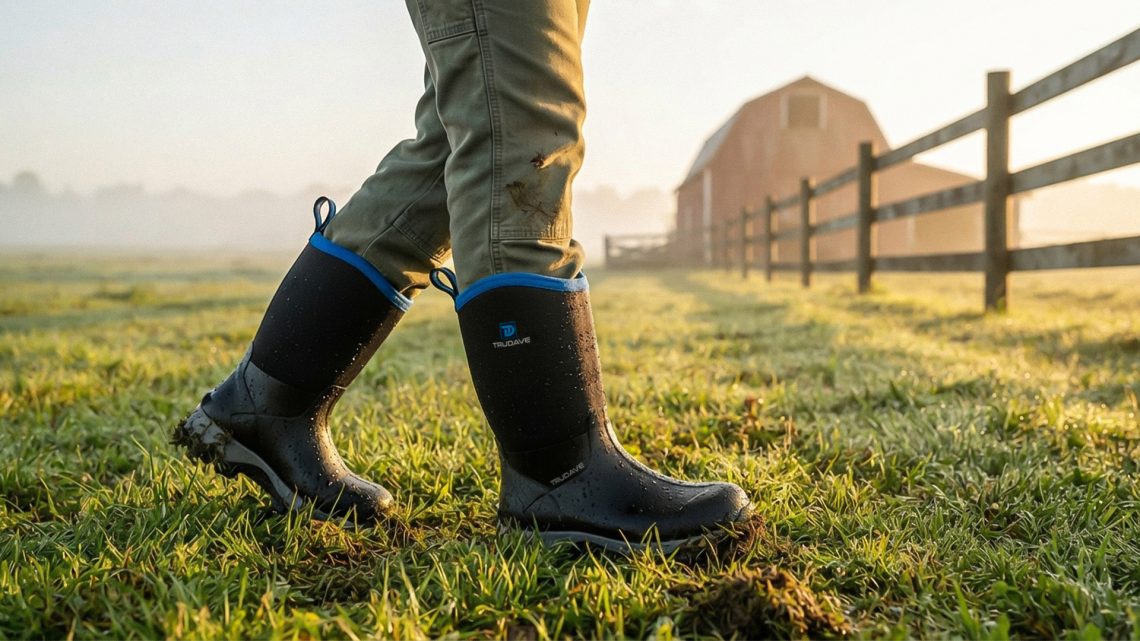
Best Boots for Animal Shelter and Kennel Work: Footwear for Washdown, Wet Floors, Dog Runs, and Daily Animal Care
Animal shelter work combines animal handling, cleaning, feeding, sanitation, outdoor exercise, laundry, maintenance, and long hours on hard floors.
It is also much wetter than many people realize.
Kennels may be washed several times per day. Water bowls spill. Dogs track mud inside. Outdoor exercise yards become saturated after rain. Drainage channels collect hair and debris. Cleaning products are used constantly.
A shelter employee may begin the morning walking dogs across wet grass, spend the next hour washing kennel runs, move into a feeding room, carry bedding to the laundry area, help transfer an animal, and finish the shift cleaning another row of wet concrete kennels.
That makes footwear a practical part of everyday animal-care work.
The best boots for animal shelter workers should provide dependable waterproof protection, stable footing on wet floors, enough cushioning for long concrete shifts, secure movement around animals, and easy-clean construction.
Why Animal Shelter Footwear Is Different From Ordinary Work Shoes
Shelter employees constantly move between different environments.
These may include:
- Indoor kennels.
- Concrete dog runs.
- Outdoor exercise yards.
- Muddy grass.
- Gravel.
- Laundry rooms.
- Feeding areas.
- Treatment rooms.
- Loading areas.
- Wash stations.
A lightweight sneaker may feel comfortable indoors but become soaked during kennel cleaning.
A tall farm boot may keep water out but feel unnecessarily heavy while walking dogs and working inside offices or treatment rooms.
The best option usually balances waterproofing with mobility.
Kennel Washdown Is the Most Obvious Footwear Challenge
Cleaning dog runs may involve:
- Hoses.
- Floor sprayers.
- Buckets.
- Scrub brushes.
- Foam cleaners.
- Disinfectants.
Water can splash from every direction.
Low-cut work shoes may allow water over the collar even when the material itself is waterproof.
Mid-height or mid-calf footwear provides more protection during repeated washdown.
Wet Concrete Requires Purpose-Built Traction
Kennel floors are commonly made from:
- Concrete.
- Sealed concrete.
- Epoxy-coated surfaces.
- Tile.
- Rubberized flooring.
Once wet, these surfaces can become slippery.
Water may also mix with:
- Cleaning solution.
- Hair.
- Food residue.
- Dirt.
- Organic material.
For indoor kennel work, workers should usually prioritize:
- Broad outsole contact.
- Flexible rubber.
- Moderate grooves.
- Stable heel contact.
- Easy-clean tread.
Very deep agricultural lugs are usually unnecessary.
Dog Hair Can Affect Traction
Hair may collect on wet floors and inside outsole grooves.
This can reduce floor contact.
Workers should regularly remove hair from:
- Kennel drains.
- Floor corners.
- Boot tread.
Footwear design matters here.
Simple tread patterns are much easier to clean than extremely complex lug systems.
Why Rubber Boots Are Common in Kennels
Rubber boots work well because they provide:
- Full waterproofing.
- Easy rinsing.
- Minimal moisture absorption.
- Smooth surfaces.
- Good splash protection.
They are particularly practical for:
- Kennel cleaning.
- Washdown.
- Outdoor muddy runs.
- Morning sanitation.
For workers spending most of the shift actively cleaning, rubber boots may be the simplest option.
Why Basic Rain Boots May Still Be Uncomfortable
A casual rain boot may keep water out but provide little support.
Shelter workers may spend eight, ten, or more hours on their feet.
Concrete floors can create fatigue in:
- Heels.
- arches.
- knees.
- hips.
- lower back.
Workers should consider:
- Supportive midsoles.
- Removable footbeds.
- Stable heel cups.
- Appropriate arch support.
Waterproofing alone is not enough.
Mid-Calf Boots Are Often the Best Compromise
Mid-calf footwear can provide enough coverage for:
- Hose spray.
- Floor cleaning.
- Wet grass.
- Mud.
- Outdoor dog runs.
without the weight of knee-high farm boots.
This height also works more comfortably when employees repeatedly:
- Bend.
- Squat.
- Walk animals.
- Carry bowls.
- Move bedding.
When Tall Rubber Boots Make Sense
Taller boots may be practical for:
- Heavy washdown.
- Flooded kennel areas.
- Large boarding facilities.
- Deep outdoor mud.
- Drainage cleaning.
However, extra shaft height also adds heat and stiffness.
Use only as much boot as the job requires.
Best Boots for Dog Kennel Cleaning
A good kennel-cleaning boot should provide:
- Full waterproof construction.
- Smooth uppers.
- Moderate tread.
- Secure heel fit.
- Easy sanitation.
- Comfortable underfoot support.
Workers should be able to rinse the boot quickly after cleaning one area.
Boots for Boarding Kennels
Boarding facilities may combine:
- Indoor runs.
- Outdoor play areas.
- Grooming rooms.
- Feeding spaces.
- Reception areas.
Employees may need footwear that works in public-facing areas as well as wet cleaning zones.
A clean-looking mid-height waterproof work boot may be more practical than a large agricultural rubber boot.
Boots for Outdoor Dog Runs
Outdoor runs may contain:
- Grass.
- Mud.
- Gravel.
- Artificial turf.
- Concrete.
Footwear should provide enough outdoor traction without tracking excessive debris indoors.
Moderate mixed-surface tread works well for workers constantly moving in and out.
Boots for Muddy Exercise Yards
Rain can turn exercise areas into mud quickly.
Useful outsole characteristics include:
- Open channels.
- Moderate lug spacing.
- Defined heel edges.
- Flexible rubber.
The challenge is finding enough mud traction without creating a sole that becomes awkward indoors.
Artificial Turf Requires Different Footwear
Some shelters use synthetic grass in exercise yards.
Very deep mud tread is usually unnecessary.
Broad contact and moderate grooves are more practical.
Workers should also avoid footwear that aggressively catches or damages the turf.
Boots for Walking Dogs
Walking dogs can involve sudden pulling and directional changes.
Workers need footwear that feels secure.
Useful features include:
- Stable heel retention.
- Good lateral support.
- Moderate weight.
- Flexible forefoot movement.
- Reliable wet-grass traction.
Loose oversized rubber boots can feel unstable when a strong dog changes direction suddenly.
Why Heel Retention Matters Around Large Dogs
A large dog may pull sideways or forward.
If the worker’s foot moves excessively inside the boot, balance becomes harder to maintain.
A secure heel fit is especially important for staff handling:
- Large breeds.
- High-energy dogs.
- reactive animals.
Boots for Wet Grass Dog Walking
Early-morning dog walking may involve heavy dew.
Even without rain, grass can soak ordinary footwear.
Suitable boots should provide:
- Waterproof uppers.
- moderate grass traction.
- lightweight construction.
- enough shaft coverage.
Boots for Gravel Exercise Areas
Gravel is common around shelters because it drains well.
Thin rubber rain boots may become uncomfortable on coarse gravel.
Workers regularly walking these areas should look for:
- Strong midsoles.
- durable outsole rubber.
- heel cushioning.
- secure fit.
Boots for Cat Rooms
Cat-care workers may deal with less water than kennel staff, but still encounter:
- Spilled water.
- litter.
- cleaning products.
- washdown.
Lower-profile waterproof work shoes may be sufficient for cat-only areas.
Cat Litter Can Collect in Deep Tread
Deep lug patterns may trap:
- Litter granules.
- dust.
- debris.
Moderate tread is easier to maintain indoors.
Boots for Animal Intake Areas
Intake staff may receive animals from:
- Vehicles.
- crates.
- carriers.
- outdoor pickups.
They may move between parking areas and indoor holding spaces.
A versatile waterproof work boot is often more useful than a dedicated washdown boot.
Boots for Animal Transport
Shelter staff may load animals into:
- Vans.
- trucks.
- transport crates.
Footwear should provide:
- Secure heel support.
- stable vehicle-step contact.
- moderate outsole thickness.
- flexible ankle movement.
Bulky tall rubber boots may feel less convenient.
Boots for Veterinary Treatment Areas
Shelters often have treatment rooms or clinic spaces.
These areas typically need:
- Cleanable footwear.
- hard-floor traction.
- comfortable cushioning.
- moderate tread.
Deep mud-style soles may track contamination into clinical spaces.
Dedicated indoor footwear may sometimes be useful.
Boots for Isolation Areas
Animals with contagious illnesses may be separated from the main population.
Facilities may use:
- Dedicated footwear.
- Boot covers.
- Disinfection.
- Zone-specific PPE.
Workers should follow site biosecurity procedures.
Easy-Clean Footwear Matters for Disease Control
Boots can carry:
- Mud.
- fecal material.
- bedding.
- organic residue.
between areas.
Simple waterproof construction can help make cleaning more effective.
Useful features include:
- Smooth uppers.
- minimal fabric.
- simple tread.
- limited decorative seams.
Boots for Parvovirus Isolation Areas
Some shelters use strict sanitation procedures for high-risk disease areas.
Footwear should be selected according to facility protocols.
A waterproof boot is not automatically compatible with every disinfectant.
Workers should follow:
- Shelter procedures.
- Product instructions.
- Manufacturer material guidance.
Chemical Compatibility Matters
Animal-care facilities may use:
- Disinfectants.
- Detergents.
- Bleach-based products.
- Enzymatic cleaners.
- Degreasers.
A boot that is waterproof may still degrade under repeated exposure to certain chemicals.
Boots for Drain Cleaning
Kennel drains may collect:
- Hair.
- bedding.
- food.
- organic material.
Drain maintenance can expose workers to wet debris.
A waterproof boot with easy-clean tread is useful.
Hidden Debris Around Drains
Workers may occasionally encounter:
- Broken plastic.
- Metal pieces.
- Sharp objects.
Standard rubber boots are not automatically puncture resistant.
If puncture hazards are recognized, appropriately rated footwear should be used.
Boots for Feeding Rooms
Feeding areas may contain:
- Dry food.
- wet food.
- spilled water.
- concrete.
Workers may stand for long periods preparing meals.
Cushioning becomes more important than mud traction.
Food Spills Can Make Floors Slippery
Wet kibble or spilled food can reduce floor traction.
Housekeeping matters as much as footwear.
Tread should remain clean and unclogged.
Boots for Laundry Areas
Shelter laundry rooms may have:
- Wet floors.
- detergent.
- bedding.
- carts.
Waterproof footwear with moderate hard-floor traction works well.
Workers also benefit from cushioning because laundry duties can involve prolonged standing.
Boots for Bedding Changes
Changing bedding involves repetitive:
- Bending.
- carrying.
- walking.
- lifting.
Flexible waterproof work boots are easier to move in than stiff tall boots.
Boots for Grooming Areas
Some shelters and kennels include grooming spaces.
Workers may encounter:
- Water.
- shampoo.
- wet hair.
- concrete or tile.
Wet-floor traction and waterproofing are key.
Grooming Floors Can Become Extremely Slick
Soap and hair together can reduce traction significantly.
Workers should:
- Clean floors frequently.
- Keep tread clear.
- Avoid relying entirely on footwear.
No ordinary outsole can guarantee slip-free movement on soap-covered floors.
Boots for Large Animal Shelters
Some facilities also care for:
- Goats.
- pigs.
- livestock.
- horses.
Workers in mixed-animal shelters may need more rugged footwear for outdoor pens and barn areas.
A stronger waterproof work boot may be better than a kennel-focused indoor boot.
Boots for Farm Animal Rescue Facilities
Farm-animal rescues may include:
- Mud.
- manure.
- hay.
- pastures.
- barn floors.
Here, taller rubber farm boots may become more practical.
This is a different footwear environment from a city dog shelter.
Winter Shelter Work
Cold climates may expose workers to:
- Snow.
- slush.
- icy sidewalks.
- wet kennel floors.
Workers walking dogs outdoors may need:
- Waterproof construction.
- moderate insulation.
- cold-flexible rubber.
- thicker midsoles.
Indoor-Outdoor Temperature Changes
Shelter employees may move constantly between:
- Warm kennels.
- Cold yards.
Overly insulated boots may cause overheating indoors.
Moderate insulation is often more practical than heavy winter insulation.
Ice Around Outdoor Kennels
Water from cleaning or bowls may freeze outside.
No ordinary work boot eliminates ice hazards.
Facilities may need:
- Deicing.
- surface maintenance.
- approved traction aids.
Summer Kennel Work
Warm weather creates the opposite problem.
Tall rubber boots can become hot.
Workers should prioritize:
- Uninsulated construction.
- moderate shaft height.
- moisture-wicking socks.
- removable insoles.
- lightweight materials.
Waterproof Boots Can Still Feel Wet Inside
Sweat can create internal moisture.
This is especially common during warm, humid shifts.
Proper socks and drying routines help.
Best Socks for Kennel Workers
Synthetic and wool-blend socks are usually better than cotton.
Useful features include:
- Moisture wicking.
- heel cushioning.
- quick drying.
- secure fit.
- enough height above the boot collar.
Cushioning Matters on Kennel Concrete
Hard floors may be the biggest comfort issue in animal shelters.
Workers should consider:
- Cushioned midsoles.
- replaceable footbeds.
- supportive heel structures.
- enough toe room.
Removable Insoles Make Daily Care Easier
Removable insoles allow workers to:
- Dry boots faster.
- replace worn cushioning.
- improve hygiene.
- adjust support.
Rotating Boots Can Improve Hygiene
Facilities with heavy washdown may make it difficult for boots to dry completely overnight.
Having two pairs allows one to dry while the other is worn.
This may help with:
- Odor.
- moisture.
- comfort.
- boot lifespan.
Boot Weight Matters During Animal Handling
Shelter workers may take thousands of short steps while:
- Opening gates.
- cleaning.
- walking dogs.
- moving supplies.
Heavy footwear increases fatigue.
Choose enough protection without unnecessary bulk.
Easy-Clean Design Is One of the Most Important Features
Animal-care boots may collect:
- Hair.
- mud.
- food.
- litter.
- organic residue.
- disinfectant.
Smooth waterproof materials reduce cleaning time.
How to Clean Animal Shelter Work Boots
A practical routine may include:
- Remove visible debris.
- Rinse mud and hair.
- Brush tread grooves.
- Follow facility disinfection procedures.
- Inspect for cracks.
- Remove damp insoles.
- Dry the footwear completely.
- Store boots in the appropriate work area.
Organic Material Should Be Removed Before Disinfection
Disinfectants generally work best when visible dirt and organic material have already been removed.
Workers should follow their facility’s sanitation protocol.
How to Remove Hair From Boot Tread
Hair can wrap around outsole grooves.
Use:
- A stiff nonmetallic brush.
- Running water.
- A blunt cleaning tool.
Avoid sharp objects that may damage the sole.
Drying Kennel Boots
After cleaning:
- Open the shaft.
- Remove insoles.
- Allow airflow.
- Use low-temperature drying if approved.
Avoid strong direct heat.
When Animal Shelter Boots Should Be Replaced
Replace footwear when:
- Leaks develop.
- tread becomes badly worn.
- the upper cracks.
- outsole separation occurs.
- cushioning collapses.
- chemical damage appears.
- heel support becomes unstable.
- the boot becomes difficult to sanitize.
Safety-Toe Boots in Animal Shelters
Most kennel workers may not need heavy safety-toe footwear.
However, it may be appropriate around:
- Pallets.
- loading equipment.
- maintenance work.
- large animal facilities.
- heavy crates.
The correct protection depends on job duties.
Puncture Hazards
Shelters may contain:
- Broken crate hardware.
- nails.
- wire.
- damaged fencing.
- sharp maintenance debris.
A thick outsole does not automatically mean puncture resistant.
Use rated protection when needed.
Common Mistakes When Buying Kennel Work Boots
Buying Boots Only Because They Are Waterproof
Concrete comfort and wet-floor traction matter just as much.
Choosing Deep Farm Lugs for Indoor Kennels
Aggressive tread traps hair and debris.
Buying Boots Too Tall for Routine Animal Handling
Heavy shafts can reduce flexibility.
Choosing Boots Too Loose
Heel movement affects balance around strong dogs.
Ignoring Cleaning-Chemical Compatibility
Disinfectants may affect some boot materials.
Wearing Cheap Rain Boots for Long Concrete Shifts
They may provide inadequate cushioning.
Using the Same Dirty Boots in Clinical Areas
Facilities may require separate or sanitized footwear.
Ignoring Summer Heat
Heavy waterproof boots can become uncomfortable indoors.
How to Choose the Best Boots for Animal Shelter Work
Start with the worker’s primary responsibilities.
For kennel cleaning staff, prioritize:
- Fully waterproof construction.
- moderate shaft height.
- wet-floor traction.
- easy sanitation.
- comfortable cushioning.
For dog walkers, prioritize:
- Secure heel support.
- lightweight design.
- wet-grass traction.
- flexibility.
- waterproof uppers.
For veterinary or isolation staff, prioritize:
- Cleanable materials.
- simple tread.
- facility biosecurity compatibility.
For outdoor yard workers, prioritize:
- More mud traction.
- waterproof coverage.
- gravel comfort.
For maintenance employees, prioritize:
- Safety ratings.
- ankle support.
- industrial durability.
Workers comparing waterproof work footwear from brands such as Trudave Gear should choose according to the actual mix of kennel washdown, wet concrete, outdoor dog walking, sanitation, and long standing time involved in the job.
Frequently Asked Questions
What are the best boots for animal shelter work?
The best animal shelter boots are waterproof, easy to clean, securely fitted, comfortable on concrete, and equipped with traction suited to wet kennel floors, outdoor yards, and daily animal handling.
Are rubber boots good for dog kennels?
Yes. Rubber boots are especially practical for kennel cleaning, washdown, muddy dog runs, grooming areas, and other heavily wet tasks.
How tall should kennel work boots be?
Mid-calf boots are versatile for most kennel work. Taller boots may be useful for heavy washdown, deep mud, or drainage cleaning.
What boots are best for dog walking in wet grass?
Lightweight waterproof boots with secure heel retention, moderate tread, and flexible movement work well for wet outdoor dog walking.
Are deep mud boots good inside kennels?
Usually not. Very aggressive tread can trap hair and organic material and may provide less useful contact on smooth floors.
What boots are best for kennel cleaning?
Fully waterproof boots with smooth uppers, moderate tread, easy-clean construction, cushioning, and enough splash coverage are practical.
Do kennel workers need slip-resistant footwear?
Wet-floor traction is very important, especially around soap and washdown areas. No outsole can eliminate all slip risk.
Are waterproof boots resistant to animal shelter disinfectants?
Not automatically. Workers should confirm compatibility with the cleaning products used by their facility.
Do animal shelter workers need safety-toe boots?
Usually only for certain maintenance, loading, crate-handling, or large-animal duties.
How should kennel boots be cleaned?
Remove hair and organic debris, rinse the footwear, clean tread channels, follow facility sanitation procedures, and dry the boots completely.
Final Thoughts
Animal shelter and kennel work combines water, animals, concrete, sanitation, outdoor yards, mud, hair, cleaning products, and long shifts on hard floors.
The best footwear depends on the worker’s role.
Kennel-cleaning employees benefit from fully waterproof boots with simple, easy-clean tread.
Dog walkers need more flexibility, secure heel retention, and reliable wet-grass traction.
Grooming staff need good performance on wet, soapy floors.
Veterinary and isolation workers may need footwear compatible with strict sanitation procedures.
Outdoor animal-care teams may need additional mud and weather capability.
Trudave Gear offers waterproof outdoor and work footwear suited to wet floors, rain, mud, outdoor maintenance, and demanding daily work.
Choosing footwear according to the actual animal-care role can help workers stay drier, move more confidently, reduce fatigue, and remain comfortable from the first kennel cleaning of the morning to the final dog walk before closing.


You May Also Like
Winter-Proofing Your Garden: Cover Crops and Mulch Tips
Spring Grazing Rotation: Balancing Livestock and Grass Recovery