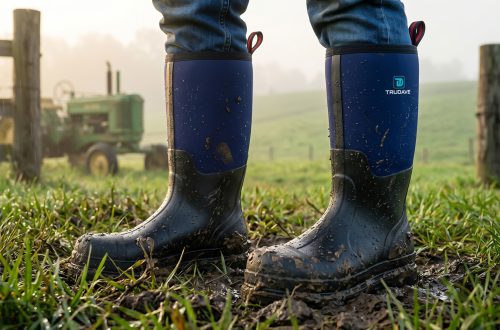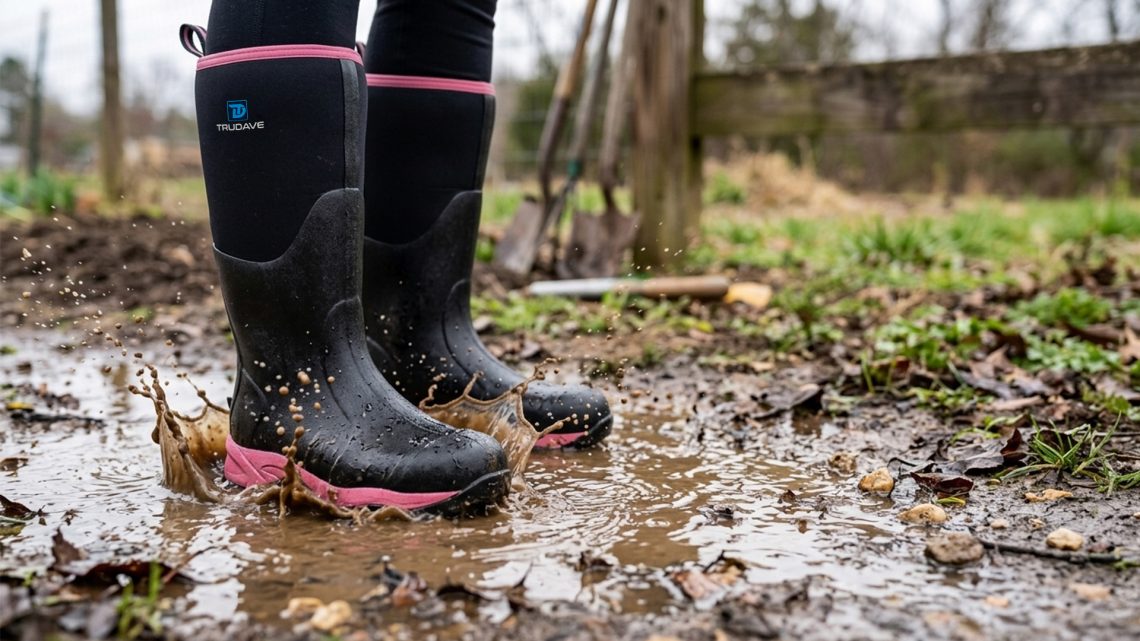
Best Boots for Horse Farm Work: Waterproof Footwear for Barns, Muddy Paddocks, and Daily Chores
Horse farms require footwear that can handle a unique combination of outdoor weather, animal care, mud, manure, wet grass, barn floors, and long hours on your feet.
A horse owner or stable worker may start the morning by feeding animals, cleaning stalls, filling water buckets, checking fences, moving hay, repairing equipment, and leading horses between paddocks.
Throughout the day, boots may encounter:
- Wet grass.
- Muddy pasture entrances.
- Manure.
- Straw and shavings.
- Barn wash water.
- Gravel driveways.
- Concrete aisles.
- Riding arenas.
- Wooden ramps.
- Metal trailer floors.
A casual pair of shoes quickly becomes damaged in these conditions.
Basic rain boots may keep water away but often lack the support, traction, and durability needed for daily barn work.
The best boots for horse farm work should provide waterproof protection, secure fit, practical traction, comfortable support, easy cleaning, and enough durability for repeated animal-care tasks.
This guide explains how to choose the right boots for horse owners, stable workers, ranch operators, trainers, and anyone spending long days around horses.
Why Horse Farm Work Is Hard on Boots
Horse farms combine many different surfaces in one property.
Workers may move between:
- Stall aisles.
- Pastures.
- Mud gates.
- Feed rooms.
- Hay storage areas.
- Wash racks.
- Riding arenas.
- Trailer loading areas.
- Fence lines.
- Gravel roads.
- Equipment sheds.
- Outdoor arenas.
Each surface creates different footwear challenges.
Mud requires traction and stability.
Concrete requires cushioning and slip resistance.
Stalls require easy cleaning and protection from moisture.
Pastures require waterproofing and support on uneven ground.
A good horse-farm boot must balance all of these conditions.
Why Waterproof Boots Matter on Horse Farms
Many people think rain is the only reason to wear waterproof boots.
Horse farms create moisture every day.
Common sources include:
- Morning dew.
- Water buckets.
- Automatic waterers.
- Hose washing.
- Wet bedding.
- Rain.
- Snow.
- Mud.
- Wash racks.
- Wet manure.
- Outdoor trough areas.
Workers may spend hours stepping between wet and dry environments.
Waterproof boots help keep feet dry and make cleanup easier after dirty barn work.
Smooth waterproof materials are especially useful because they reduce the amount of mud, manure, and organic material that sticks to the boot surface.
Rubber Boots vs Waterproof Work Boots
Both styles have a place on a horse farm.
The right choice depends on the job.
Rubber Horse Farm Boots
Rubber boots are popular for everyday barn chores.
Advantages include:
- Fully waterproof construction.
- Easy cleaning.
- Quick removal.
- Good protection from mud.
- Resistance to water absorption.
- Simple maintenance.
They are useful for:
- Stall cleaning.
- Feeding.
- Water bucket work.
- Washing horses.
- Muddy paddocks.
- Rainy conditions.
Potential disadvantages:
- Less breathability.
- Less ankle adjustment.
- Possible heel movement.
- Less cushioning in inexpensive models.
Waterproof Work Boots
Waterproof work boots may provide:
- Better ankle support.
- More precise fit.
- Better walking comfort.
- Improved stability.
- Stronger protection around equipment.
- Better performance on gravel and uneven ground.
They are useful for:
- Fence repair.
- Pasture checks.
- Tractor work.
- Property maintenance.
- Hay handling.
- Long outdoor walks.
Many horse owners use rubber boots for wet barn chores and supportive waterproof work boots for outdoor maintenance.
Best Boots for Cleaning Horse Stalls
Stall cleaning is one of the most demanding daily tasks.
Workers may deal with:
- Wet bedding.
- Manure.
- Shavings.
- Water.
- Cleaning chemicals.
- Uneven stall surfaces.
Suitable boots should provide:
- Waterproof construction.
- Easy-clean exterior.
- Secure heel fit.
- Moderate traction.
- Comfortable cushioning.
- Flexible movement.
Deep outdoor mud tread is not always ideal inside barns because it can collect bedding material.
A simpler outsole is often easier to clean.
Best Boots for Muddy Paddocks
Paddocks can become extremely difficult after rain.
Mud may collect around:
- Gates.
- Water troughs.
- Feeding areas.
- High-traffic paths.
- Fence entrances.
Good paddock boots should provide:
- Wide lug spacing.
- Mud-release tread.
- Waterproof shafts.
- Secure heel retention.
- Flexible rubber.
- Stable footing.
Loose boots may become stuck in deep mud while the foot lifts inside.
Proper sizing is extremely important.
Best Boots for Feeding Horses
Feeding involves repeated walking, lifting, carrying, and standing.
Workers may move:
- Hay bales.
- Feed bags.
- Buckets.
- Supplements.
- Equipment.
Suitable boots should provide:
- Comfortable cushioning.
- Supportive footbeds.
- Secure fit.
- Waterproof protection.
- Enough toe room.
- Moderate weight.
A heavy boot may increase fatigue during multiple feeding rounds.
Best Boots for Horse Wash Areas
Wash racks expose footwear to:
- Constant water.
- Soap.
- Shampoo.
- Smooth concrete.
- Hair.
- Cleaning products.
Suitable boots should provide:
- Waterproof construction.
- Slip-resistant outsole.
- Broad contact area.
- Easy-clean materials.
- Secure heel positioning.
Wet concrete can become slippery even when workers wear waterproof footwear.
Regular cleaning of both the floor and outsole remains important.
Best Boots for Fence Repair and Property Maintenance
Horse farms often require constant maintenance.
Workers may repair:
- Fences.
- Gates.
- Shelters.
- Water systems.
- Trails.
- Equipment areas.
Suitable boots should provide:
- Durable uppers.
- Ankle support.
- Waterproof protection.
- Abrasion resistance.
- Toe protection when needed.
- Stable outdoor traction.
For maintenance work, supportive waterproof work boots are often more practical than loose rubber boots.
Best Boots for Horse Trailer Loading
Trailer areas may include:
- Mud.
- Gravel.
- Metal ramps.
- Wet surfaces.
- Uneven ground.
Suitable boots should provide:
- Strong traction.
- Secure heel fit.
- Stable footing.
- Waterproof protection.
- Flexible movement.
Workers should avoid oversized boots that reduce control on ramps.
Best Boots for Riding Facility Workers
Stable employees and riding instructors may spend all day moving between:
- Barns.
- Arenas.
- Pastures.
- Equipment rooms.
- Outdoor trails.
Suitable footwear should provide:
- Comfortable walking support.
- Waterproof construction.
- Moderate traction.
- Secure fit.
- Lightweight design.
The boot should support long hours without causing unnecessary fatigue.
Traction on Wet Barn Floors
Barn floors may contain:
- Water.
- Mud.
- Manure.
- Bedding.
- Feed residue.
Good traction requires:
- Flexible rubber.
- Broad contact areas.
- Moderate tread depth.
- Secure heel positioning.
- Slip-resistant design.
Extremely aggressive outdoor lugs may reduce surface contact on smooth concrete.
Traction on Gravel Roads
Horse farms often include long gravel driveways and service roads.
Suitable boots should provide:
- Durable outsoles.
- Stable heel support.
- Cushioning.
- Good shock absorption.
- Moderate tread.
Thin rubber boots may become uncomfortable after long walks on gravel.
Comfort for Long Barn Days
Horse work often requires hours of standing and walking.
Comfort depends on:
- Supportive insoles.
- Cushioning.
- Proper fit.
- Stable heel cups.
- Flexible movement.
- Reasonable weight.
Workers should not choose boots based only on waterproofing.
A waterproof boot that causes foot fatigue will not perform well during daily chores.
When comparing waterproof farm footwear from brands such as Trudave Gear, consider comfort, support, durability, and cleaning ability together.
Boot Height Selection
Ankle Boots
Good for:
- Dry areas.
- Equipment work.
- Shops.
- Short outdoor tasks.
Limited for:
- Mud.
- Deep grass.
- Wet paddocks.
Mid-Calf Boots
Good for:
- Barn chores.
- Feeding.
- General horse care.
- Wet grass.
- Moderate mud.
This is often the most versatile height.
Tall Boots
Good for:
- Deep mud.
- Heavy rain.
- Wet pasture.
- Washdown work.
They provide more protection but may become hotter and heavier.
Summer Horse Farm Boots
Summer conditions can be hot and humid.
Good summer boots should provide:
- Lightweight construction.
- Breathable socks.
- Removable insoles.
- Flexible movement.
- Waterproof protection when needed.
Avoid unnecessary insulation during warm weather.
Winter Horse Farm Boots
Winter horse care creates additional challenges:
- Snow.
- Ice.
- Frozen mud.
- Cold water.
- Slush.
Cold-weather boots may need:
- Waterproof construction.
- Insulation.
- Flexible cold-weather rubber.
- Snow traction.
- Room for warm socks.
Choose insulation based on outdoor exposure.
Best Socks for Horse Farm Work
Good socks improve comfort.
Recommended features:
- Moisture management.
- Cushioning.
- Proper fit.
- Extended height.
- Breathability.
Cotton socks often hold moisture.
Wool-blend and synthetic work socks usually perform better during long outdoor shifts.
Do Horse Farm Workers Need Safety Toe Boots?
Safety toes may be useful around:
- Hay equipment.
- Trailers.
- Tools.
- Machinery.
- Feed handling.
- Construction areas.
Safety footwear selection depends on the actual hazards present.
Waterproof does not automatically mean safety rated.
How to Clean Horse Farm Boots
A simple cleaning routine:
- Remove mud and manure.
- Rinse the exterior.
- Brush outsole grooves.
- Clean bedding and straw.
- Dry completely.
- Inspect for damage.
- Store in a clean location.
Regular cleaning helps maintain traction and extends boot life.
How to Remove Manure and Bedding From Tread
Horse bedding can become trapped in outsole grooves.
Use:
- Water.
- A stiff brush.
- A plastic scraper.
- A boot-cleaning station.
Avoid sharp tools that may damage rubber.
Clean tread before entering trailers, vehicles, or indoor areas.
Preventing Boot Odor
Horse-farm boots often encounter moisture and organic material.
Reduce odor by:
- Drying boots completely.
- Removing insoles.
- Wearing moisture-wicking socks.
- Rotating between pairs.
- Cleaning regularly.
Dry boots are easier to maintain.
Common Mistakes When Buying Horse Farm Boots
Choosing Fashion Rain Boots
They may look attractive but lack durability.
Buying Boots Too Large
Loose boots create heel movement and discomfort.
Ignoring Concrete Comfort
Barn workers spend significant time on hard surfaces.
Choosing Excessive Tread
Deep mud lugs may collect bedding.
Forgetting Cleaning Requirements
Complex designs can trap manure and debris.
Using One Pair for Every Environment
Separate boots may be useful for barns, pastures, and maintenance areas.
How to Choose the Best Boots for Horse Farm Work
Before purchasing, consider:
- How much time is spent indoors?
- How muddy are the paddocks?
- Are boots washed daily?
- Are long walks required?
- Is equipment operated?
- Are safety toes needed?
- Are chemicals used?
- Is winter insulation necessary?
Compare:
- Waterproofing.
- Height.
- Traction.
- Comfort.
- Weight.
- Cleaning ability.
- Durability.
- Fit.
For horse owners, stable workers, ranch operators, and outdoor professionals comparing waterproof footwear, Trudave Gear offers boots designed for rain, mud, wet grass, farms, and demanding daily work.
Frequently Asked Questions
What are the best boots for horse farm work?
The best horse-farm boots are waterproof, comfortable, easy to clean, and provide reliable traction on mud, concrete, gravel, and wet grass.
Are rubber boots good for horse barns?
Yes. Rubber boots are excellent for stall cleaning, feeding, wash areas, and muddy paddocks.
What height should horse farm boots be?
Mid-calf boots work well for general chores. Tall boots provide more protection in deep mud and heavy rain.
Can I use regular rain boots for horse work?
Light-duty rain boots may work occasionally, but daily horse work usually requires more support and durability.
How do I clean horse manure from boots?
Remove large debris, rinse the boots, brush the tread, and allow them to dry completely.
Are waterproof boots good for riding facilities?
Yes, especially for workers who spend time around wet barns, outdoor arenas, and maintenance areas.
Final Thoughts
Horse farming requires footwear that can handle mud, manure, wet grass, wash racks, concrete floors, gravel roads, feed areas, and long daily chores.
The best horse farm boots provide waterproof protection, comfortable support, stable traction, and easy maintenance.
Rubber boots are ideal for wet barn chores, cleaning, and muddy conditions.
Supportive waterproof work boots are better for property maintenance, outdoor work, equipment tasks, and long walking routes.
Trudave Gear offers waterproof outdoor and work boots designed for rain, mud, farms, ranches, and demanding outdoor environments.
Choosing the right boots helps horse owners and stable workers stay comfortable, maintain better footing, and handle daily farm responsibilities with confidence.


You May Also Like
Best Boots for Maple Syrup Farm Work: Waterproof Footwear for Snow, Mud, Slopes, and Sap Collection
Hay Quality Check: Avoiding Mold and Loss in Subzero Storage