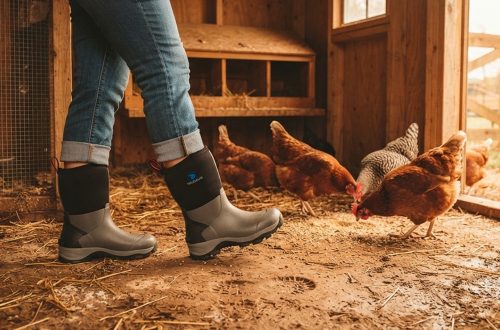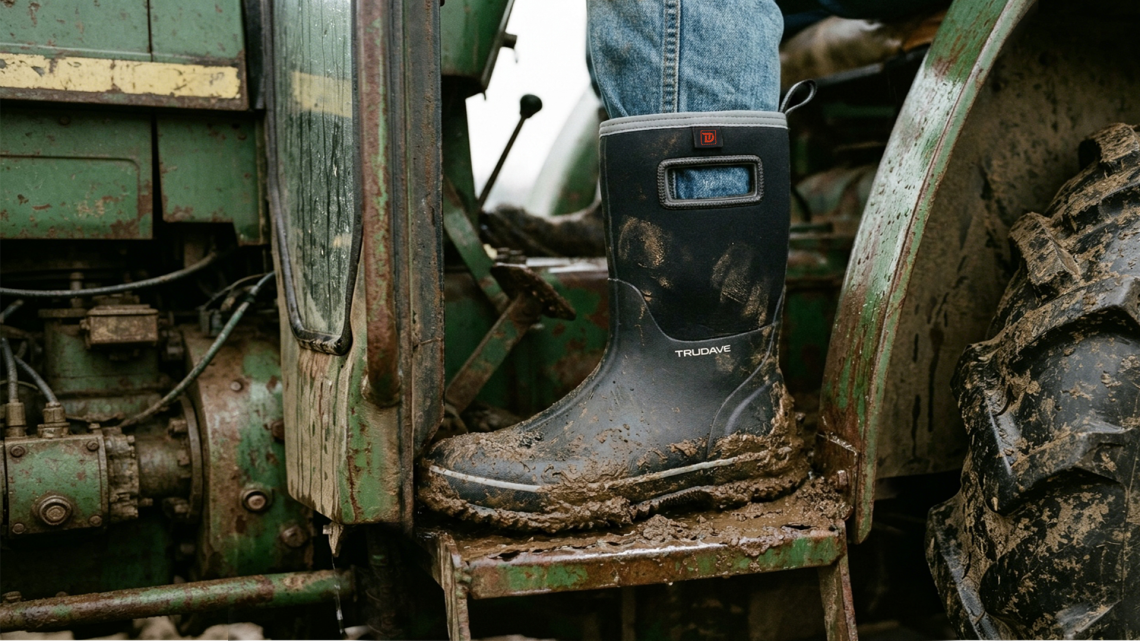
Best Boots for Ranch Work: Waterproof Footwear for Mud, Livestock, Fences, and Long Outdoor Days
Ranch work requires footwear that can handle almost every outdoor condition imaginable.
A ranch worker may start the morning checking cattle, repairing fences, moving feed, inspecting water sources, riding equipment, walking pastureland, loading supplies, and maintaining property boundaries.
Unlike many indoor jobs, ranch work constantly changes environments.
One moment you may be standing in a muddy pasture.
The next moment you may be climbing onto equipment, walking across gravel, repairing a gate, or working around livestock facilities.
Ranch boots need to perform across multiple surfaces:
- Mud.
- Grass.
- Gravel.
- Dirt roads.
- Wet fields.
- Barn floors.
- Concrete.
- Equipment areas.
- Rocky terrain.
- Snow and slush.
The best boots for ranch work should provide waterproof protection, strong traction, comfortable support, durability, and enough flexibility for long outdoor workdays.
This guide explains how to choose the right ranch boots for cattle operations, horse properties, livestock care, fence repair, pasture maintenance, and everyday outdoor work.
Why Ranch Work Is Hard on Boots
Ranches expose footwear to some of the harshest outdoor conditions.
Daily tasks may include:
- Checking livestock.
- Repairing fences.
- Feeding animals.
- Cleaning barns.
- Maintaining water systems.
- Operating equipment.
- Walking pasture boundaries.
- Loading trailers.
- Handling tools.
- Working in changing weather.
Each activity creates different footwear demands.
A boot that performs well in deep mud may not feel comfortable during long walks on gravel.
A lightweight boot may feel great around the barn but lack durability for rocky terrain.
The ideal ranch boot balances protection, comfort, traction, and durability.
Why Waterproof Ranch Boots Matter
Water is everywhere on a working ranch.
Common moisture sources include:
- Rain.
- Morning dew.
- Wet grass.
- Irrigation systems.
- Animal water areas.
- Mud.
- Snow.
- Stream crossings.
- Barn washing.
- Manure.
- Wet soil.
Wet feet create discomfort and reduce focus during long workdays.
Waterproof boots help workers stay comfortable when moving between outdoor and indoor environments.
For ranch work, waterproof materials are especially valuable because they are easier to clean after contact with mud, livestock areas, and outdoor debris.
Rubber Boots vs Waterproof Work Boots for Ranches
Different ranch tasks require different footwear.
Rubber Ranch Boots
Rubber boots are ideal for wet conditions.
Advantages:
- Fully waterproof.
- Easy to clean.
- Resistant to mud.
- Quick to put on.
- Good for animal areas.
- Excellent for rainy conditions.
They work well for:
- Livestock watering.
- Muddy fields.
- Barn cleaning.
- Manure work.
- Wet grass.
- Irrigation repairs.
However, basic rubber boots may provide less:
- Ankle support.
- Cushioning.
- Long-distance walking comfort.
Waterproof Work Boots
Waterproof work boots provide more support for demanding outdoor tasks.
Advantages:
- Better ankle stability.
- Improved walking comfort.
- Stronger heel support.
- Better performance on uneven terrain.
- More suitable for tools and equipment.
They work well for:
- Fence repair.
- Pasture inspection.
- Tractor operation.
- Property maintenance.
- Gravel roads.
- Long outdoor routes.
Many ranch owners use both styles:
Rubber boots for wet chores.
Supportive work boots for outdoor maintenance.
Best Boots for Cattle Ranch Work
Cattle operations require footwear that handles:
- Mud.
- Manure.
- Uneven ground.
- Gates.
- Corrals.
- Feed areas.
- Outdoor weather.
Suitable cattle ranch boots should provide:
- Waterproof protection.
- Strong heel retention.
- Durable outsole.
- Comfortable cushioning.
- Easy cleaning.
- Good traction.
Loose-fitting boots can become uncomfortable when walking through deep mud or uneven pasture.
A secure fit is important when working around large animals.
Best Boots for Livestock Care
Livestock work involves repeated movement between animals, feed, water, and equipment.
Workers may encounter:
- Wet ground.
- Manure.
- Bedding.
- Mud.
- Concrete.
- Gravel.
Good livestock boots should provide:
- Waterproof construction.
- Stable footing.
- Moderate tread.
- Durable materials.
- Easy cleaning.
- Comfortable support.
The best boot is one that protects feet without limiting movement.
Best Boots for Fence Repair
Fence repair is one of the most common ranch tasks.
Workers may walk through:
- Tall grass.
- Brush.
- Rocky areas.
- Mud.
- Uneven terrain.
They may carry:
- Tools.
- Wire.
- Posts.
- Hardware.
Suitable boots should provide:
- Ankle support.
- Waterproof protection.
- Abrasion resistance.
- Durable toe area.
- Stable traction.
A lightweight waterproof work boot is often more practical than a heavy rubber boot for long fence lines.
Best Boots for Pasture Work
Pasture work requires long-distance walking.
Workers may spend hours checking:
- Livestock.
- Water sources.
- Fences.
- Vegetation.
- Property boundaries.
Suitable boots should provide:
- Comfortable cushioning.
- Secure heel fit.
- Flexible movement.
- Waterproof protection.
- Good traction.
Comfort becomes increasingly important as walking distance increases.
Best Boots for Muddy Ranch Roads
Ranch roads often become difficult after rain.
Mud can create:
- Slipping.
- Suction.
- Heavy boot buildup.
- Fatigue.
Good muddy-ground boots should provide:
- Open tread channels.
- Mud-release design.
- Waterproof shafts.
- Strong heel grip.
- Flexible rubber.
Deep mud lugs can help outdoors but should still be practical for mixed surfaces.
Best Boots for Horse and Ranch Properties
Many ranches combine cattle, horses, equipment, and land management.
Workers may move between:
- Stables.
- Pastures.
- Trails.
- Barns.
- Equipment sheds.
Suitable boots should provide:
- Waterproof protection.
- Comfortable walking support.
- Stable footing.
- Easy cleaning.
- Durable construction.
A versatile ranch boot should handle both animal care and property maintenance.
Best Boots for Tractor and Equipment Work
Equipment operators need boots that provide control.
Suitable features include:
- Moderate outsole width.
- Secure heel.
- Flexible ankle movement.
- Good pedal feel.
- Stable ladder traction.
- Waterproof protection.
Extremely bulky boots may feel uncomfortable around equipment controls.
Traction for Ranch Conditions
Ranches contain many different surfaces.
Mud
Needs:
- Wide tread spacing.
- Open channels.
- Strong heel grip.
Gravel
Needs:
- Cushioning.
- Durable outsole.
- Shock absorption.
Wet Grass
Needs:
- Flexible rubber.
- Multi-directional traction.
Concrete Barn Floors
Needs:
- Broad contact area.
- Slip-resistant rubber.
A good ranch boot should balance all surfaces rather than focusing on only one.
Boot Height for Ranch Work
Ankle Boots
Good for:
- Equipment.
- Dry conditions.
- Short outdoor tasks.
Limited for:
- Mud.
- Wet grass.
- Deep snow.
Mid-Calf Boots
Good for:
- General ranch work.
- Livestock.
- Barn chores.
- Mud.
This is one of the most versatile choices.
Tall Boots
Good for:
- Deep mud.
- Heavy rain.
- Wet pasture.
- Snow.
They provide protection but add weight.
Comfort During Long Ranch Days
Ranch work often involves long hours.
Comfort depends on:
- Cushioning.
- Supportive insoles.
- Proper fit.
- Heel stability.
- Flexible movement.
- Reasonable weight.
A waterproof boot that causes foot fatigue will reduce productivity.
When comparing ranch footwear from brands such as Trudave Gear, consider comfort and support together with waterproof performance.
Summer Ranch Boots
Hot weather creates different challenges.
Good summer ranch boots should provide:
- Lightweight materials.
- Moisture control.
- Flexible movement.
- Removable insoles.
- Non-insulated construction.
Avoid unnecessary heavy insulation during warm months.
Winter Ranch Boots
Winter ranch work may involve:
- Snow.
- Ice.
- Frozen mud.
- Cold water.
- Wind.
Cold-weather boots may need:
- Waterproof construction.
- Insulation.
- Snow traction.
- Flexible cold-weather rubber.
- Room for warm socks.
Choose warmth based on actual outdoor exposure.
Best Socks for Ranch Boots
Good socks improve comfort.
Look for:
- Moisture management.
- Cushioning.
- Proper fit.
- Extended height.
Synthetic and wool-blend socks usually perform better than cotton during outdoor work.
Do Ranch Workers Need Safety Toe Boots?
Safety toes may be useful around:
- Equipment.
- Trailers.
- Tools.
- Feed supplies.
- Heavy materials.
The correct choice depends on workplace hazards.
Waterproof does not automatically mean safety rated.
How to Clean Ranch Boots
A good cleaning routine:
- Remove heavy mud.
- Rinse the outside.
- Brush the tread.
- Remove grass and debris.
- Dry completely.
- Inspect for damage.
Regular cleaning improves traction and extends boot life.
How to Remove Mud From Boot Tread
Mud can reduce traction when packed into the outsole.
Use:
- Water.
- A stiff brush.
- A boot scraper.
- A plastic cleaning tool.
Avoid damaging the rubber.
Cleaning boots before entering vehicles or buildings also reduces dirt transfer.
How to Prevent Boot Odor
Ranch boots often encounter:
- Sweat.
- Mud.
- Animal waste.
- Moisture.
Reduce odor by:
- Drying boots completely.
- Removing insoles.
- Using moisture-wicking socks.
- Rotating footwear.
- Cleaning regularly.
Dry boots last longer.
Common Ranch Boot Buying Mistakes
Choosing Fashion Boots Instead of Work Boots
Appearance does not equal durability.
Buying Boots Too Large
Loose boots reduce stability.
Ignoring Mud Performance
Many ranch jobs involve wet soil.
Choosing Too Much Insulation
Heavy winter boots can become uncomfortable.
Forgetting Cleaning Needs
Complex designs may trap dirt and debris.
How to Choose the Best Boots for Ranch Work
Before buying, consider:
- Climate.
- Terrain.
- Livestock type.
- Mud exposure.
- Walking distance.
- Equipment use.
- Winter conditions.
- Cleaning requirements.
Compare:
- Waterproofing.
- Traction.
- Comfort.
- Boot height.
- Durability.
- Weight.
- Fit.
For ranch owners, livestock workers, and outdoor professionals comparing waterproof footwear, Trudave Gear offers boots designed for rain, mud, wet fields, farms, ranches, and demanding outdoor work.
Frequently Asked Questions
What are the best boots for ranch work?
The best ranch boots are waterproof, comfortable, durable, and provide reliable traction across mud, grass, gravel, and outdoor terrain.
Are rubber boots good for ranches?
Yes. Rubber boots are excellent for wet chores, livestock areas, mud, and rainy conditions.
How tall should ranch boots be?
Mid-calf boots work well for general ranch work. Tall boots provide extra protection in deep mud and wet conditions.
Can waterproof boots be used for cattle work?
Yes. Waterproof boots are practical for cattle operations, especially around water areas, mud, and manure.
What tread is best for ranch boots?
A balanced tread with good mud release and stable contact on hard surfaces is usually the most versatile.
Final Thoughts
Ranch work requires footwear that can handle mud, livestock, fences, equipment, rain, gravel, grass, and long outdoor days.
The best ranch boots provide:
- Waterproof protection.
- Comfortable support.
- Reliable traction.
- Durable materials.
- Easy maintenance.
Rubber boots are excellent for wet chores and livestock areas.
Supportive waterproof work boots are better for fencing, equipment, pasture inspection, and long-distance walking.
Trudave Gear offers waterproof outdoor and work boots designed for rain, mud, farms, ranches, and demanding outdoor environments.
Choosing the right ranch boots helps workers stay comfortable, maintain better footing, and handle daily outdoor responsibilities with confidence.


You May Also Like

Heat-Tolerant Gardening: How to Build a Resilient Summer Growing System
Hay Storage Hacks: Preventing Mold, Moisture, and Wasted Feed