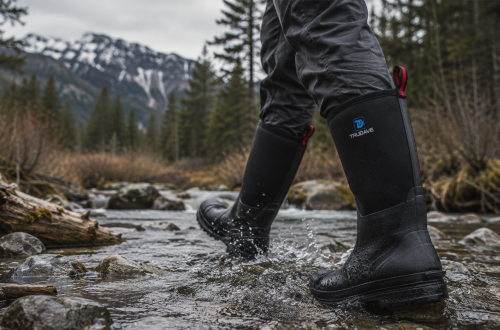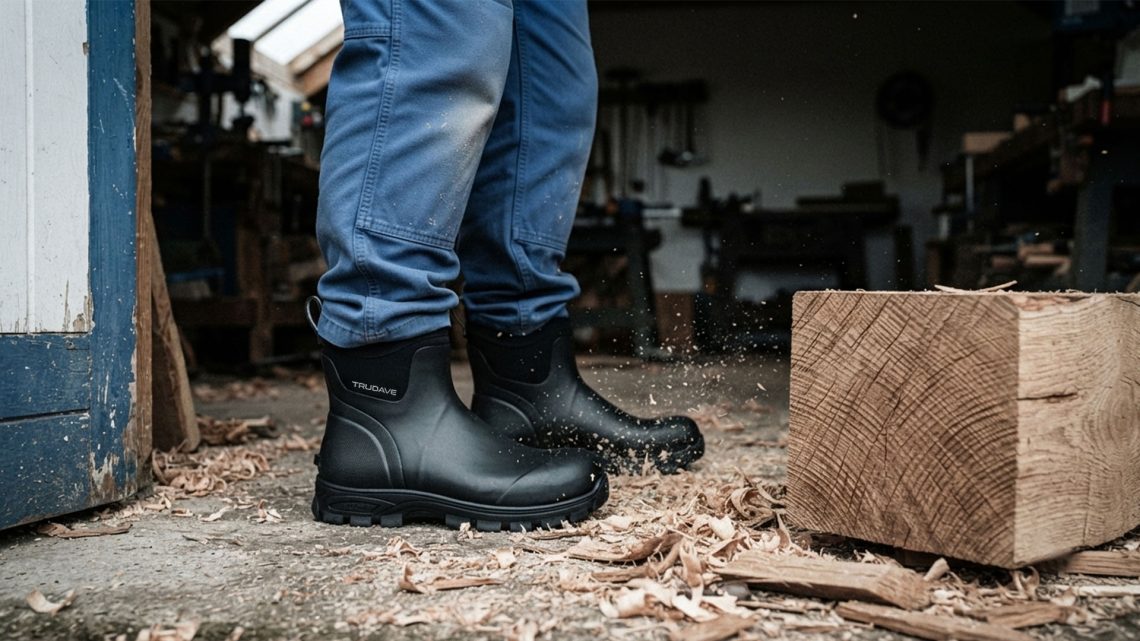
Best Boots for Potato Farm Work: Waterproof Footwear for Mud, Irrigation, Harvest, and Long Field Days
Potato farming can be especially hard on work footwear.
Spring planting often begins when the soil is still cool, damp, and soft. Irrigation work exposes farmers to wet rows, leaking pipes, muddy valve areas, and standing water. During harvest, workers move between loose soil, vines, rocks, trucks, conveyors, storage buildings, and heavy agricultural equipment.
A boot that works well inside a tractor cab may not provide enough protection in a muddy field.
A tall rubber boot may keep water out during irrigation repairs but feel bulky around machinery pedals and metal steps.
The best boots for potato farm work should provide dependable waterproof protection, secure heel retention, stable traction, supportive cushioning, and enough durability for soil, crop residue, equipment, and long agricultural shifts.
This guide explains how to choose practical footwear for potato planting, field scouting, irrigation maintenance, harvest, equipment operation, sorting, storage, and year-round farm work.
Why Potato Farming Is Hard on Boots
Potato farms contain a wide variety of working surfaces.
Employees and growers may regularly move across:
- Loose cultivated soil.
- Deep mud.
- Irrigated rows.
- Gravel farm roads.
- Concrete shop floors.
- Metal equipment steps.
- Harvest conveyors.
- Storage-building floors.
- Wet grass.
- Clay soil.
- Sandy loam.
- Rocks.
- Crop vines.
- Muddy truck-loading areas.
The same pair of boots may need to handle soft soil in the morning and smooth concrete later in the day.
That makes outsole design especially important.
Extremely deep mud lugs may perform well in soft ground but feel unstable around equipment. A low-profile outsole may provide better pedal control but collect mud or lose traction in saturated rows.
The best potato-farm boots should match the worker’s actual balance of fieldwork, machinery operation, and facility duties.
Waterproof Protection Matters During Planting and Irrigation
Potato workers can encounter moisture even when it is not raining.
Common sources include:
- Sprinkler irrigation.
- Center-pivot runoff.
- Wet planting soil.
- Morning dew.
- Rain.
- Muddy tire tracks.
- Leaking irrigation lines.
- Drainage areas.
- Equipment washing.
- Produce-cleaning stations.
- Snowmelt.
- Standing water.
Water-resistant footwear may handle brief exposure.
It may not remain dry during several hours in wet soil or around an active irrigation system.
Fully waterproof rubber or molded work boots usually provide more dependable protection.
Smooth waterproof uppers are also easier to clean after contact with soil, potato vines, fertilizer residue, and mud.
Rubber Boots vs Waterproof Lace-Up Work Boots
Both styles can be useful on potato farms.
The correct choice depends on the task, weather, terrain, and time spent operating equipment.
Rubber Potato Farm Boots
Rubber boots are practical for wet fields, irrigation work, and muddy planting conditions.
Advantages include:
- Fully waterproof construction.
- Easy cleaning.
- Fast entry and removal.
- Tall shaft options.
- Minimal water absorption.
- Fewer exposed seams.
- Good protection from wet soil.
They are especially useful for:
- Irrigation repairs.
- Muddy field inspections.
- Spring planting.
- Equipment washing.
- Wet harvest conditions.
- Drainage maintenance.
- Standing-water tasks.
Potential disadvantages include:
- Limited breathability.
- Possible heel movement.
- Heat buildup.
- Less ankle adjustment.
- Reduced pedal feel.
- Limited cushioning in inexpensive models.
Waterproof Lace-Up Work Boots
Waterproof lace-up boots may provide:
- Better ankle support.
- More precise sizing.
- Stronger heel retention.
- Better equipment control.
- Greater stability while carrying tools.
- Improved comfort during long walking routes.
- More protection around rocks and machinery.
They may be more suitable for:
- Tractor operation.
- Harvester operation.
- Equipment maintenance.
- Dry harvest conditions.
- Gravel roads.
- Storage facilities.
- Long field inspections.
- Mixed indoor and outdoor work.
Many potato farmers benefit from owning both types.
Rubber boots can handle the wettest field conditions, while supportive lace-up boots can be used for machinery, loading, maintenance, and dry harvest work.
Choose the Right Boot Height
Boot height affects water protection, heat, weight, and mobility.
Ankle-Height Waterproof Boots
These may work for:
- Equipment operation.
- Storage buildings.
- Packing areas.
- Gravel yards.
- Maintenance shops.
- Short field inspections.
They provide limited protection from standing water, deep mud, and wet crop rows.
Mid-Calf Potato Farm Boots
Mid-calf boots provide a practical balance for:
- General fieldwork.
- Moderate mud.
- Irrigation checks.
- Planting support.
- Wet grass.
- Harvest inspections.
- Equipment entry and exit.
They provide better coverage than ankle boots without the full weight of knee-high footwear.
Tall Rubber Boots
Tall boots are useful for:
- Deep mud.
- Heavy rain.
- Irrigation repairs.
- Standing water.
- Flooded field edges.
- Drainage work.
- Wet planting conditions.
- Late-season slush.
Choose the lowest shaft height that safely handles the expected water and mud depth.
Extra height provides more protection but also adds weight and heat.
Best Boots for Potato Planting Season
Planting season may involve cold soil, rain, mud, seed handling, and repeated equipment checks.
Workers may need to:
- Inspect seed placement.
- Check planting depth.
- Clear equipment.
- Load seed potatoes.
- Repair machinery.
- Walk muddy field edges.
- Enter and exit tractors repeatedly.
Suitable planting boots should provide:
- Fully waterproof construction.
- Open mud-release tread.
- Secure heel retention.
- Flexible forefoot movement.
- Stable metal-step contact.
- Comfortable cushioning.
- Moderate boot weight.
- Easy-clean uppers.
Tall, wide rubber boots may feel awkward around tractor pedals.
Workers who spend most of the day inside machinery may prefer mid-calf waterproof boots, while workers walking behind planting equipment may need taller protection.
Best Boots for Walking Potato Rows
Potato rows can be soft, uneven, and difficult to cross.
Workers may encounter:
- Loose soil.
- Wet vines.
- Irrigation lines.
- Rocks.
- Ruts.
- Mud.
- Hidden holes.
- Compacted headlands.
Suitable boots should provide:
- Secure heel fit.
- Stable ankle support.
- Moderate or deep tread.
- Flexible movement.
- Waterproof construction.
- Supportive cushioning.
- Durable sidewalls.
- Manageable weight.
The boot should move with the foot rather than sliding internally.
Excess heel movement makes walking through loose soil more tiring.
Best Boots for Potato Field Scouting
Field scouts may inspect potato plants for insects, disease, nutrient problems, irrigation issues, and crop damage.
They may cover long distances while carrying tools, notebooks, or sampling supplies.
Scouting footwear should provide:
- Comfortable walking support.
- Waterproof protection.
- Secure ankle and heel fit.
- Moderate tread.
- Low or moderate weight.
- Flexible forefoot movement.
- Abrasion-resistant uppers.
- Easy cleaning.
Workers covering large acreages may prefer supportive waterproof lace-up boots over loose pull-on rubber footwear.
Best Boots for Potato Irrigation Work
Potato farms often depend on center pivots, sprinklers, drip systems, pumps, and water-control equipment.
Irrigation work may involve:
- Standing water.
- Muddy tower tracks.
- Leaking pipes.
- Wet valve boxes.
- Drainage ditches.
- Pump stations.
- Saturated soil.
- Wet vegetation.
Suitable boots should provide:
- Fully waterproof construction.
- Tall enough shafts.
- Secure heel retention.
- Mud-release tread.
- Durable toe areas.
- Flexible movement.
- Easy-clean surfaces.
- Supportive footbeds.
Workers entering deeper water may need waders or task-specific waterproof equipment.
Ordinary rain boots should not be used when water rises above the boot opening.
Best Boots for Center-Pivot Repairs
Center-pivot systems can create concentrated mud around wheels and towers.
Workers may need to walk long distances while inspecting:
- Drive motors.
- Wheels.
- Sprinklers.
- Control panels.
- Gearboxes.
- Water distribution.
- Electrical components.
Suitable boots should provide:
- Waterproof construction.
- Strong heel retention.
- Moderate or deep field tread.
- Comfortable cushioning.
- Stable metal-step contact.
- Durable sidewalls.
- Appropriate shaft height.
Workers servicing electrical equipment should follow proper shutdown and safety procedures.
Waterproof footwear is not automatically electrical-hazard rated.
Best Boots for Potato Harvest
Potato harvest creates different footwear demands from planting and irrigation.
Workers may spend more time around:
- Harvesters.
- Windrowers.
- Tractors.
- Trucks.
- Conveyors.
- Loose soil.
- Potato vines.
- Rocks.
- Storage buildings.
- Concrete floors.
Suitable harvest boots should provide:
- Secure heel positioning.
- Stable equipment-step traction.
- Moderate outsole thickness.
- Comfortable cushioning.
- Durable toe protection.
- Flexible forefoot movement.
- Manageable weight.
- Enough waterproofing for rain and wet soil.
Tall rubber boots may be useful during muddy harvest conditions.
For dry harvest, a fitted waterproof lace-up work boot often provides better equipment control and long-shift comfort.
Best Boots for Potato Harvester Operators
Harvester operators repeatedly move between the machine, tractor cab, field, and loading areas.
Footwear should provide:
- Moderate outsole width.
- Predictable pedal contact.
- Secure heel retention.
- Flexible ankle movement.
- Stable ladder and step traction.
- Comfortable cushioning.
- Low or mid-calf height.
- Easy-clean tread.
Mud, vines, and loose soil can collect under the outsole.
Workers should clean the tread before climbing metal steps whenever practical.
Best Boots for Workers on Harvest Platforms
Some potato-harvest operations use workers on sorting platforms or conveyors.
These employees may stand for long periods while removing rocks, vines, damaged potatoes, and debris.
Suitable footwear should provide:
- Stable hard-surface contact.
- Cushioned midsoles.
- Secure heel support.
- Moderate tread depth.
- Shock absorption.
- Waterproof uppers.
- Flexible movement.
- Protective toes where required.
Thin rain-boot insoles may become uncomfortable after several hours on a platform.
Work-grade cushioning is important for workers who remain standing throughout the shift.
Best Boots for Potato Loading Areas
Loading areas may include trucks, conveyors, trailers, gravel, wet soil, and concrete.
Suitable boots should provide:
- Mixed-surface traction.
- Secure ankle support.
- Waterproof construction.
- Moderate outsole thickness.
- Protective toes when appropriate.
- Comfortable cushioning.
- Predictable movement around equipment.
Loose soil and potato residue should be removed from the outsole before workers climb trailers or enter smooth-floor areas.
Best Boots for Potato Washing and Sorting
Washing and sorting areas may contain:
- Wet concrete.
- Soil.
- Potato skins.
- Water.
- Hoses.
- Conveyors.
- Pallets.
- Cleaning products.
- Cool temperatures.
Suitable boots should provide:
- Fully waterproof construction.
- Broad outsole contact.
- Flexible rubber compounds.
- Water-dispersing channels.
- Secure heel retention.
- Comfortable cushioning.
- Easy-clean uppers.
- Moderate tread depth.
Very deep field lugs may provide less contact on smooth wet concrete.
Workers who move between the field and wash area should clean packed soil from the tread.
Best Boots for Potato Storage Facilities
Potato-storage buildings may be cool, humid, dusty, and dimly lit.
Workers may move around:
- Concrete floors.
- Ventilation equipment.
- Conveyors.
- Pallets.
- Loading machinery.
- Ladders.
- Wet entryways.
- Refrigerated areas.
Suitable footwear should provide:
- Waterproof construction.
- Light insulation when needed.
- Stable hard-floor traction.
- Secure heel fit.
- Comfortable cushioning.
- Protective toes where appropriate.
- Good ladder contact.
Heavy insulation may be unnecessary for workers moving between cool storage and active outdoor work.
Choose warmth based on the amount of time spent inside the storage facility.
Best Boots for Potato Cellars
Traditional potato cellars and modern storage facilities may have uneven floors, condensation, loose soil, and cool temperatures.
Footwear should provide:
- Stable heel support.
- Waterproof uppers.
- Flexible low-temperature rubber.
- Broad outsole contact.
- Moderate tread.
- Comfortable insulation.
- Easy-clean surfaces.
Workers should maintain adequate visibility and clear walking routes.
Loose potatoes, soil, and equipment parts can create tripping hazards.
Traction in Loose Potato Soil
Loose cultivated soil requires a stable platform.
Suitable outsoles should provide:
- Broad contact areas.
- Moderate lug depth.
- Defined heel edges.
- Flexible rubber.
- Stable lateral support.
- Secure heel retention.
Extremely deep lugs may dig excessively into loose soil and increase fatigue.
A moderate agricultural tread is often more practical than an extreme mud outsole.
Traction in Wet Mud and Clay
Wet potato fields can become especially difficult when clay packs inside the outsole.
Look for:
- Wide lug spacing.
- Open channels.
- Simple tread shapes.
- Moderate or deep lugs.
- Defined heel braking.
- Flexible rubber.
Closely spaced patterns may fill quickly.
Once packed with clay, the boot becomes heavier and loses traction.
Clean the tread before the mud dries completely.
Traction on Potato Vines and Crop Residue
Vines and crop debris can form a loose layer over soil or equipment platforms.
Suitable boots should provide:
- Broad outsole contact.
- Moderate tread.
- Stable heel construction.
- Flexible rubber.
- Easy-clean channels.
- Secure foot positioning.
Deep tread can trap vines and soil.
Workers should clear crop material before climbing machinery or walking on concrete.
Traction on Wet Concrete
Wet concrete may be found in washing, sorting, storage, maintenance, and loading areas.
Suitable outsoles should provide:
- Flexible rubber compounds.
- Broad contact zones.
- Moderate tread depth.
- Water-dispersing grooves.
- Stable heel construction.
- Slip-resistant design.
Soil, potato residue, oil, and cleaning products can further reduce grip.
No boot is completely slip-proof.
Regular floor and outsole cleaning remain essential.
Secure Heel Retention
Heel movement creates friction and reduces stability.
Excessive heel slip may cause:
- Blisters.
- Foot fatigue.
- Difficulty walking through mud.
- Reduced equipment control.
- Poor ladder stability.
- Boots being pulled off by suction.
- Instability while carrying tools.
Pull-on rubber boots may allow slight heel movement.
The heel should not rise dramatically with every step.
Choose a properly sized boot with a supportive heel shape.
Toe Room for Long Workdays
Feet may swell during extended planting and harvest shifts.
A suitable toe box should provide:
- Natural toe movement.
- Comfortable width.
- No front contact.
- No pressure on the little toe.
- Space for appropriate socks.
- Stable foot positioning.
Workers with wide feet should choose wide-fit footwear rather than purchasing a longer size.
Oversized boots increase heel movement and reduce control.
Comfort for Long Potato-Farm Shifts
Planting and harvest seasons often require extended workdays.
Workers may spend hours:
- Walking.
- Standing.
- Driving.
- Climbing.
- Lifting.
- Inspecting machinery.
- Carrying supplies.
- Working on concrete.
Comfort depends on:
- Cushioned midsoles.
- Supportive removable insoles.
- Stable heel cups.
- Arch support.
- Flexible forefoot movement.
- Moderate boot weight.
- Enough toe room.
- Moisture management.
Basic rain boots may keep water out without providing enough support for professional agricultural use.
When comparing waterproof farm footwear from brands such as Trudave Gear, evaluate fit, cushioning, tread, shaft height, and weight together.
Boot Weight Matters
Potato workers may cover significant distances during scouting, irrigation repair, and harvest.
Heavy boots add effort to every step.
Boot weight may increase because of:
- Tall shafts.
- Thick rubber.
- Safety toes.
- Heavy insulation.
- Aggressive outsoles.
- Reinforcement.
Choose the lightest boot that still provides adequate protection and durability.
A tall insulated livestock boot may be unnecessary for summer irrigation or fall harvest work.
Summer Potato-Farm Boots
Summer fieldwork can be hot, humid, and physically demanding.
Suitable boots should prioritize:
- Uninsulated construction.
- Lightweight materials.
- Moderate shaft height.
- Removable insoles.
- Moisture-wicking socks.
- Flexible movement.
- Quick-drying interiors.
Tall rubber boots may still be necessary during irrigation work.
Use only as much coverage as the task requires.
Spring Potato-Farm Boots
Spring planting may bring cold rain, mud, snowmelt, and saturated soil.
Suitable boots may need:
- Fully waterproof construction.
- Moderate or tall shafts.
- Mud-release tread.
- Secure heel retention.
- Flexible low-temperature rubber.
- Removable insoles.
- Light insulation when necessary.
Heavy winter insulation may become uncomfortable as temperatures rise during the day.
Fall Potato-Harvest Boots
Fall harvest conditions may include:
- Cold mornings.
- Warm afternoons.
- Rain.
- Mud.
- Loose dry soil.
- Frost.
- Long equipment shifts.
A versatile fall boot may provide:
- Waterproof construction.
- Moderate shaft height.
- Light insulation.
- Mixed-surface traction.
- Secure heel support.
- Comfortable cushioning.
- Good equipment control.
Winter Potato-Farm Boots
Winter work may include storage management, machinery repair, snow removal, and loading.
Cold-weather boots may require:
- Waterproof construction.
- Appropriate insulation.
- Flexible low-temperature rubber.
- Thick midsoles.
- Snow and slush traction.
- Room for warm socks.
- Secure heel retention.
Choose insulation based on activity level and the amount of time spent outside.
Best Socks for Potato-Farm Work
Cotton socks absorb moisture and dry slowly.
Wool-blend and synthetic work socks generally perform better.
Choose socks that:
- Wick moisture.
- Fit without bunching.
- Extend above the boot collar.
- Cushion the heel and forefoot.
- Match the weather.
- Avoid bulky seams.
Keeping spare socks available can improve comfort during long planting and harvest shifts.
Do Potato Workers Need Safety-Toe Boots?
Safety-toe footwear may be useful around:
- Seed pallets.
- Harvest equipment.
- Tractors.
- Conveyors.
- Trucks.
- Heavy tools.
- Storage machinery.
- Loading docks.
- Maintenance areas.
Steel toes provide impact protection but add weight and may transfer cold.
Composite toes may reduce weight and temperature transfer.
The correct choice depends on workplace hazards, employer rules, and applicable safety standards.
Waterproof footwear is not automatically safety rated.
Puncture and Abrasion Resistance
Potato farms may contain:
- Rocks.
- Wire.
- Nails.
- Broken pallets.
- Irrigation fittings.
- Metal fasteners.
- Equipment debris.
- Sharp plant residue.
A thick-looking outsole is not automatically puncture resistant.
Workers exposed to these hazards should choose properly rated footwear.
Durable sidewalls and reinforced toe areas also improve protection around rocks, machinery, and crop debris.
Agricultural Chemical Exposure
Potato production may involve:
- Fertilizers.
- Herbicides.
- Fungicides.
- Insecticides.
- Seed treatments.
- Soil treatments.
- Cleaning products.
- Fuel and equipment fluids.
Ordinary waterproof boots are not automatically chemical resistant.
Use footwear and personal protective equipment specified by product labels, safety documentation, employer procedures, and applicable agricultural regulations.
Chemical exposure may damage rubber, adhesives, linings, and outsole compounds.
Oil, Fuel, and Hydraulic Fluid
Workers operating and maintaining farm equipment may encounter diesel, gasoline, oil, grease, and hydraulic fluid.
Some rubber compounds may swell, soften, or crack after repeated petroleum exposure.
Choose footwear with appropriate oil- or fuel-resistance specifications when exposure is common.
Clean contamination promptly according to workplace and manufacturer instructions.
Potato Farm Biosecurity and Field Cleanliness
Footwear can move soil, weeds, crop debris, insects, and plant pathogens between fields.
Farm procedures may include:
- Removing soil before leaving a field.
- Cleaning vines from tread.
- Using designated footwear in sensitive areas.
- Disinfecting boots when required.
- Avoiding movement from affected fields into clean fields.
- Cleaning footwear between farms.
Visible soil and organic material should be removed before disinfectants are applied.
Follow farm-specific crop-health procedures.
How to Clean Potato-Farm Boots
A practical cleaning routine includes:
- Remove vines, rocks, and heavy soil.
- Rinse the exterior.
- Brush the outsole channels.
- Clean chemical or oil residue according to instructions.
- Inspect for cuts, cracks, and punctures.
- Remove damp insoles.
- Dry the boots with airflow.
- Store footwear away from direct heat and sunlight.
Clean boots are less likely to transfer field soil into tractors, storage buildings, wash areas, trucks, and workshops.
How to Remove Potato-Field Clay
Clay should be removed before it dries completely.
Use:
- Running water.
- A stiff nonmetallic brush.
- A blunt plastic cleaning tool.
- A designated boot scraper.
Focus on the heel channels and areas between the forefoot lugs.
Avoid sharp metal tools that may cut the outsole.
How to Remove Vines From Boot Tread
Potato vines can wrap around outsole lugs and become mixed with mud.
Remove them using:
- A stiff brush.
- Running water.
- A blunt plastic tool.
- Compressed air where appropriate.
Clean the tread before entering equipment or storage facilities.
Plant material can reduce traction on pedals, ladders, and concrete.
How to Prevent Boot Odor
Odor may develop from sweat, mud, crop residue, water, and incomplete drying.
To reduce odor:
- Wear moisture-wicking socks.
- Rinse dirty footwear.
- Remove insoles after work.
- Dry interiors completely.
- Rotate between two pairs.
- Replace worn footbeds.
- Store boots in moving air.
- Clean organic material promptly.
Strong fragrance only masks odor temporarily.
Moisture and residue must be removed.
How to Dry Waterproof Potato-Farm Boots
Waterproof boots may become damp inside from sweat or water entering through the top.
After work:
- Remove the insoles.
- Wipe visible moisture.
- Open the shafts.
- Direct airflow inside.
- Use a low-temperature boot dryer when approved.
- Avoid strong direct heat.
Radiators, fireplaces, vehicle heaters, and high-temperature dryers can damage rubber, adhesives, insulation, and linings.
Workers using boots daily may benefit from rotating between two pairs.
How Long Should Potato-Farm Boots Last?
Boot lifespan depends on:
- Daily walking distance.
- Mud exposure.
- Concrete use.
- Equipment operation.
- Chemical contact.
- Rock abrasion.
- Cleaning frequency.
- Material quality.
- Storage.
- Climate.
Inspect footwear regularly for:
- Cracks.
- Leaks.
- Smooth tread.
- Sole separation.
- Cuts.
- Punctures.
- Compressed cushioning.
- Unstable heel support.
A boot may remain waterproof while losing the traction or support needed for safe work.
When Should Potato-Farm Boots Be Replaced?
Replace boots when:
- Water enters repeatedly.
- Tread becomes dangerously worn.
- The outsole separates.
- Cracks continue spreading.
- Punctures expose the interior.
- Heel support becomes unstable.
- Cushioning collapses.
- Chemical damage appears.
- Repairs repeatedly fail.
Keep a backup pair available before planting and harvest begin.
Common Mistakes When Buying Potato-Farm Boots
Buying Casual Rain Boots for Full Workdays
Light-duty boots may lack support, cushioning, and durability.
Choosing Boots That Are Too Loose
Heel movement makes mud walking harder and less stable.
Buying the Tallest Boots for Every Task
Extra height adds heat and weight.
Choosing Extreme Mud Lugs for Equipment Work
Deep lugs may interfere with pedals and reduce concrete contact.
Ignoring Sharp Rocks and Farm Debris
Lightweight footwear may puncture or wear prematurely.
Buying Boots Too Large
Oversized footwear creates heel slip and poor control.
Assuming Waterproof Means Chemical Resistant
Agricultural chemicals may damage ordinary rubber.
Ignoring Soil and Vine Buildup
Packed material can reduce traction on machinery steps.
Drying Boots With High Heat
Strong heat may crack rubber and damage adhesives.
How to Choose the Best Boots for Potato Farm Work
Before purchasing, consider the actual farm and daily duties.
Ask:
How muddy are planting conditions?
Is the soil sandy, rocky, or clay-heavy?
How much irrigation work is required?
How far do workers walk?
Are harvesters and tractors operated?
How much time is spent on concrete?
Are safety toes required?
Which agricultural chemicals may contact the footwear?
Are workers entering refrigerated storage?
Can the insoles be removed?
Then compare:
- Waterproof construction.
- Boot height.
- Mud and soil traction.
- Heel retention.
- Ankle support.
- Cushioning.
- Abrasion resistance.
- Boot weight.
- Safety ratings.
- Ease of cleaning.
For potato growers, harvest workers, equipment operators, and agricultural professionals comparing waterproof footwear, Trudave Gear offers boots designed for rain, mud, wet fields, farms, and demanding outdoor work.
Choose footwear based on soil type, irrigation exposure, harvesting method, equipment use, chemical contact, safety requirements, and the number of hours spent on your feet.
Frequently Asked Questions
What are the best boots for potato farm work?
The best potato-farm boots are waterproof, securely fitted, supportive for long shifts, and equipped with traction for loose soil, mud, gravel, crop residue, and equipment areas.
Are rubber boots good for potato fields?
Yes. Rubber boots work well during muddy planting, irrigation repair, wet field inspections, drainage work, and rainy harvest conditions.
How tall should potato-farm boots be?
Mid-calf boots work well for general field and equipment work. Tall boots provide more protection in deep mud, heavy rain, and standing water.
What tread is best for potato fields?
Moderate, widely spaced lugs with open channels provide a good balance for loose soil, mud release, field traction, and manageable weight.
Are deep mud lugs good for potato harvesters?
Not always. Extremely deep tread may reduce pedal feel, collect vines, and provide less contact on metal steps.
Do potato workers need safety-toe boots?
Safety toes may be appropriate around harvesters, conveyors, pallets, trucks, tractors, heavy tools, and storage equipment.
Are waterproof boots resistant to potato-farm chemicals?
Not automatically. Chemical compatibility must be confirmed for the specific product being handled.
How do you remove potato vines from boot tread?
Use running water and a stiff nonmetallic brush or blunt plastic tool before the vines become packed into dried mud.
What boots are best for potato-storage work?
Waterproof work boots with moderate tread, supportive cushioning, stable hard-floor traction, and light insulation are practical for many storage facilities.
How often should potato-farm boot insoles be replaced?
Replace insoles when they become flat, damaged, uneven, permanently smelly, or no longer supportive.
Final Thoughts
Potato farming requires footwear that can handle wet planting soil, irrigation water, loose rows, rocks, vines, harvesters, conveyors, trucks, storage facilities, wet concrete, and long agricultural shifts.
The best boots provide dependable waterproof construction, secure heel retention, practical soil traction, supportive cushioning, manageable weight, and enough durability for farm machinery and crop debris.
Mid-calf rubber boots are a strong choice for planting support, irrigation checks, moderate mud, and general field inspections.
Tall waterproof boots provide more protection during deep mud, heavy rain, drainage maintenance, and standing-water tasks.
Supportive waterproof lace-up boots may be better for harvest equipment, tractor operation, storage work, loading, maintenance, rocky ground, and long walking routes.
Trudave Gear offers waterproof outdoor boots designed for rain, mud, wet fields, farms, and demanding daily work.
Choose footwear based on soil conditions, irrigation exposure, harvest duties, machinery, chemical contact, safety standards, and the number of hours spent on your feet.
Reliable potato-farm boots should help workers stay drier, maintain better footing, reduce fatigue, and remain more comfortable from the first seed load of spring to the final storage check after harvest.


You May Also Like
Before the Soil Fully Wakes Up: What Early Spring Gardens Need Most

Mulch Magic: How Winter Ground Cover Protects Your Soil and Roots