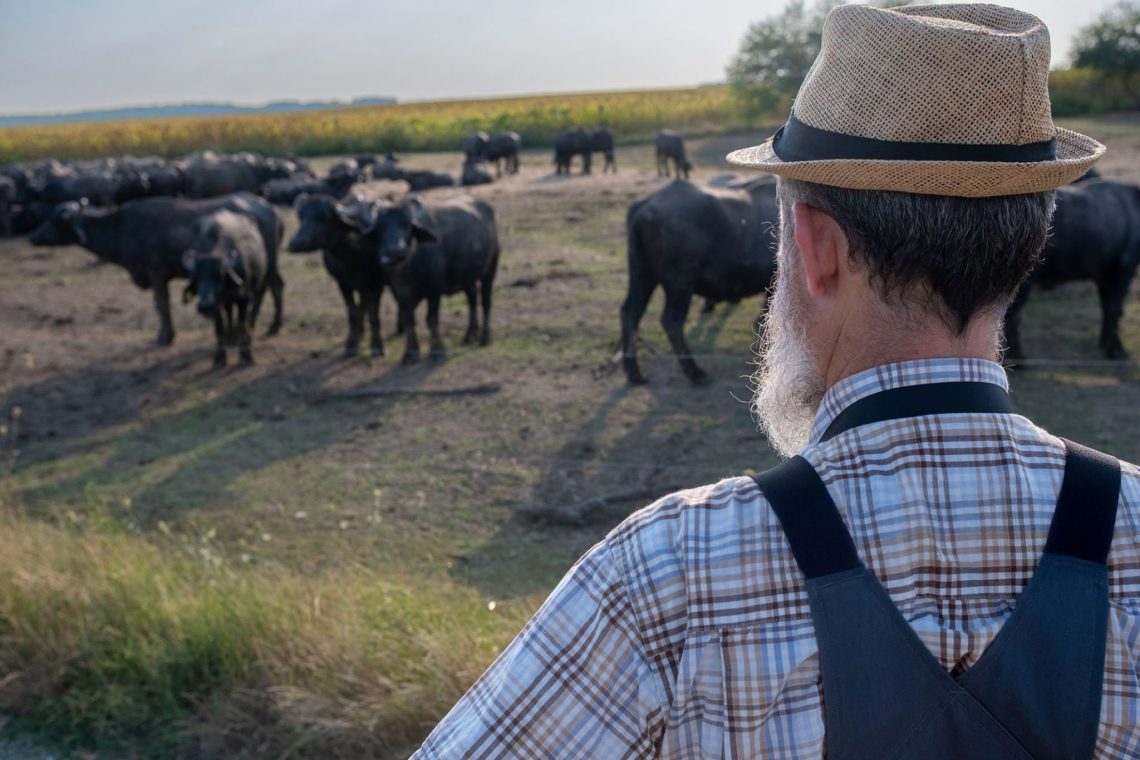
Balancing Supplement Feed While Grass Slowly Recovers
Early spring is a critical period for pasture management. After a long winter, grass growth is slow, soil may still be saturated, and forage availability is limited. During this transitional period, livestock nutrition must be carefully balanced to maintain herd health while allowing pastures to recover. Providing the right supplement feed at the right time can prevent overgrazing, protect fragile soils, and set the stage for a productive grazing season.
Understanding Early Spring Pasture Limitations
Pastures in early spring face several constraints:
- Slow Grass Growth: Low temperatures and limited sunlight mean grass photosynthesis is minimal. Growth rates can be only 25–50% of peak season levels.
- Fragile Soil: Wet and soft soils are prone to compaction from livestock, which can damage root systems and slow regrowth.
- Nutrient Gaps: Early spring forage often lacks sufficient protein and energy to meet the needs of lactating, growing, or late-winter livestock.
Ignoring these factors can lead to overgrazed pastures, reduced soil health, and stressed animals.
The Role of Supplement Feed
Supplement feed is a tool to bridge the gap between pasture availability and livestock nutritional requirements. When grass is slow to recover, strategic supplementation can:
- Reduce Pressure on Pastures
- Providing hay, silage, or formulated feed keeps livestock from grazing aggressively on tender early shoots.
- This allows root systems to strengthen and soil to stabilize before full grazing resumes.
- Maintain Livestock Performance
- Early spring supplements ensure lactating cows, growing calves, and ewes or lambs receive adequate protein, energy, and minerals.
- Balanced supplementation reduces weight loss, maintains milk production, and supports healthy growth rates.
- Support Soil and Grass Recovery
- By limiting overgrazing, supplements help preserve sward height and density, which protects soil from erosion and enhances early-season photosynthesis.
Choosing the Right Supplement Strategy
1. Assess Forage Availability
- Walk pastures to evaluate grass height and density.
- Use tools like rising plate meters or visual scoring to determine whether pasture can meet livestock needs.
- Divide pastures into high- and low-availability zones for targeted feeding.
2. Match Supplements to Nutritional Needs
- Hay: Good for general maintenance; ensure it’s free from mold and has moderate protein (10–14%).
- Grain or Pellets: Use sparingly to meet energy demands for lactating or growing animals.
- Protein Blocks: Ideal for beef cattle or sheep needing a small protein boost without overfeeding energy.
3. Timing and Distribution
- Feed supplements before livestock enter sensitive pastures to reduce immediate grazing pressure.
- Spread feed evenly across multiple sites to prevent congregation in fragile areas.
- Rotate feeding locations to encourage natural grazing distribution and minimize soil damage.
Practical Tips for Early Spring Feeding
- Monitor Weather and Soil Conditions
- Avoid heavy feeding on wet, soft soils to prevent hoof damage and compaction.
- Adjust Quantities Gradually
- Livestock metabolism is still adjusting after winter; sudden high-energy supplementation can cause digestive issues.
- Combine Supplementation with Rotational Grazing
- Move livestock frequently to new paddocks once soil firmness improves.
- Supplement feed at the edges to allow grass in the center to recover.
- Record and Observe
- Keep a log of pasture condition, supplement amounts, and livestock performance.
- Adjust feed strategy based on recovery rates and animal response.
Long-Term Benefits
Implementing a balanced supplement strategy during early spring can:
- Preserve pasture productivity and soil structure for the entire season.
- Support steady livestock growth and reproductive health.
- Reduce reliance on emergency feed later in spring when grass growth accelerates.
- Enhance overall pasture resilience, leading to more sustainable grazing management.
Conclusion
Early spring pasture management requires careful balance between livestock nutrition and grass recovery. By providing the right supplements at the right time, ranchers and farmers can reduce grazing pressure, protect fragile soils, and maintain herd health. Strategic feeding is not just about filling stomachs—it’s about supporting the long-term productivity of both pastures and livestock. Early attention now pays dividends as spring growth accelerates and the grazing season unfolds.


You May Also Like

The “Waterproof” Lie: Why Most Rain Boots Fail (And How Trudave Gets It Right)
Homestead Efficiency: Small Fixes That Save Big on Winter Feed Costs