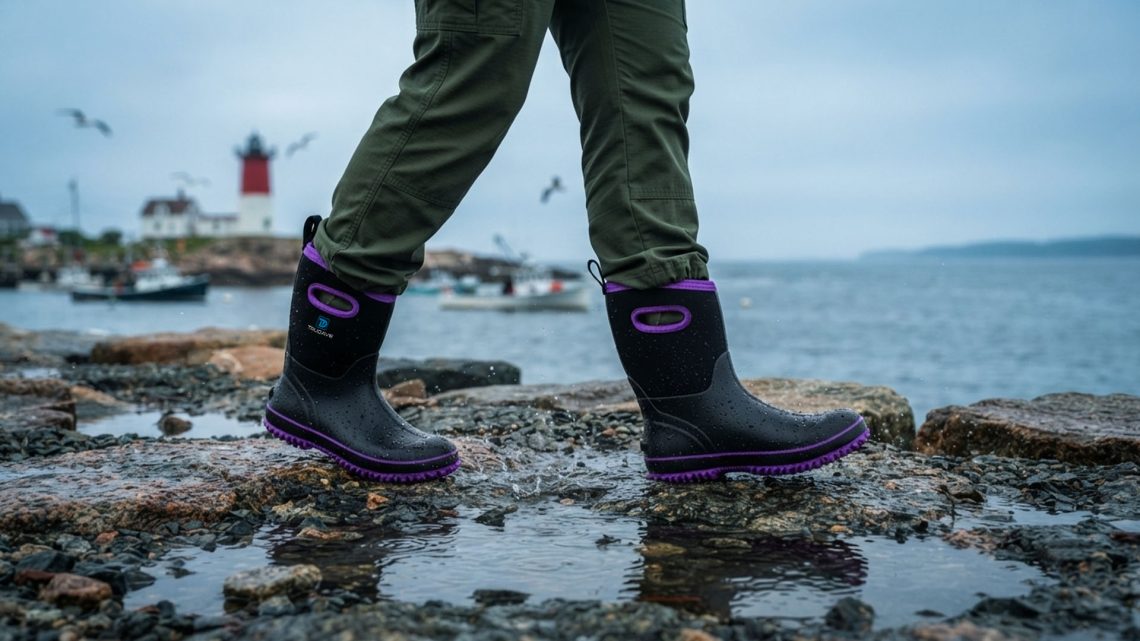
Best Boots for Crop Farm Work: A Practical Guide for Muddy Fields, Irrigation, and Long Agricultural Workdays
Crop farming exposes footwear to changing conditions throughout the entire growing season.
During spring planting, fields may be soft, muddy, and saturated after rain. Summer irrigation work can involve standing water, wet soil, leaking lines, and high temperatures. Harvest season may require long hours walking through crop residue, dust, mud, gravel, and equipment areas.
The same farmer may move from a wet field to a tractor cab, repair an irrigation line, walk a gravel access road, inspect crops, and handle machinery within a single morning.
Ordinary work shoes may provide enough support on dry ground, but they can quickly become soaked in wet fields.
Basic rain boots may keep water out, yet provide too little cushioning, heel control, or walking support for long agricultural workdays.
The best boots for crop farm work should combine waterproof protection, dependable traction, manageable weight, supportive cushioning, secure fit, and materials that can be cleaned without excessive effort.
This guide explains how to choose practical farm boots for planting, irrigation, crop scouting, muddy fields, harvest work, equipment operation, and everyday agricultural chores.
Why Crop Farming Is Hard on Footwear
Crop farms include more surface variety than many people realize.
Workers regularly walk across:
- Soft cultivated soil.
- Deep mud.
- Wet grass.
- Irrigation ditches.
- Gravel roads.
- Concrete shop floors.
- Crop residue.
- Metal equipment steps.
- Packed dirt.
- Standing water.
- Rocky field edges.
- Frozen ground.
A boot that performs well in deep mud may feel heavy inside a tractor.
A smooth work boot may feel comfortable on concrete but provide limited traction in wet soil.
Agricultural footwear must handle changing environments without becoming unstable, excessively hot, or difficult to clean.
Waterproof Protection Is Essential During Planting and Irrigation
Water exposure is common on crop farms even when it is not raining.
Boots may encounter:
- Irrigation leaks.
- Wet furrows.
- Morning dew.
- Rain-soaked soil.
- Drainage ditches.
- Flood irrigation.
- Sprinkler systems.
- Muddy equipment areas.
- Shallow standing water.
- Snowmelt.
Water-resistant footwear may handle a short walk through damp vegetation.
It may not remain dry during repeated exposure to saturated soil.
Fully waterproof rubber or molded boots provide more dependable protection during wet fieldwork.
The boot opening must still remain above the water and mud level.
Water can enter from the top when workers step into deeper areas than expected.
Rubber Boots vs Leather Work Boots for Crop Farming
Both footwear types have an important place on crop farms.
Rubber Farm Boots
Rubber boots are practical during wet and muddy work.
Advantages include:
- Reliable waterproof construction.
- Easy mud removal.
- Fast entry and removal.
- Tall shaft options.
- Minimal exterior maintenance.
- Fewer absorbent materials.
They are especially useful for:
- Planting after rain.
- Irrigation repairs.
- Muddy field inspections.
- Drainage work.
- Vegetable farms.
- Wet harvest conditions.
- Washing equipment.
Potential disadvantages include:
- Limited breathability.
- Heat buildup.
- Possible heel movement.
- Less ankle adjustment.
- Greater weight in tall models.
- Reduced comfort during long dry walks.
Leather Work Boots
Leather work boots often provide:
- Better ankle support.
- More precise fit.
- Greater breathability.
- Improved stability around equipment.
- Better comfort on hard surfaces.
- Stronger support for long walking distances.
However, leather requires more maintenance and may eventually absorb water during continuous wet exposure.
Many farmers use rubber boots in wet fields and switch to leather work boots for machinery maintenance, dry harvest work, and shop tasks.
Owning both types can improve comfort and footwear longevity.
Choose the Right Boot Height
Boot height should match water depth, mud, crop height, temperature, and mobility requirements.
Ankle-Height Waterproof Boots
These may work for:
- Equipment shops.
- Packing sheds.
- Dry field edges.
- Light irrigation checks.
- Short outdoor tasks.
They are easy to walk in but provide limited protection in mud and wet vegetation.
Mid-Calf Farm Boots
Mid-calf boots are useful for:
- General crop scouting.
- Moderate mud.
- Vegetable rows.
- Irrigation maintenance.
- Wet grass.
- Greenhouse and field transitions.
They usually provide a good balance between coverage and mobility.
Tall Rubber Farm Boots
Tall boots provide more protection during:
- Deep field mud.
- Flood irrigation.
- Drainage ditch work.
- Heavy rain.
- Tall wet crops.
- Saturated planting conditions.
- Wet harvest areas.
Tall boots can also become warmer and heavier.
Choose the lowest shaft height that safely handles normal farm conditions.
Best Boots for Planting Season
Planting season often follows spring rain.
Fields may be soft, sticky, and uneven.
Workers may repeatedly enter and exit equipment while checking seed placement, clearing blockages, inspecting soil conditions, or repairing machinery.
Planting-season boots should provide:
- Waterproof construction.
- Mud-release tread.
- Secure heel retention.
- Flexible forefoot movement.
- Moderate boot weight.
- Easy cleaning.
- Enough support for repeated climbing.
Extremely bulky boots may interfere with tractor or planter pedals.
Farmers who spend most of the day operating equipment may prefer mid-calf waterproof boots rather than tall knee-high models.
Best Boots for Irrigation Work
Irrigation workers regularly encounter wet soil, standing water, leaking pipes, ditches, and muddy access areas.
Useful features include:
- Fully waterproof construction.
- Tall enough shaft height.
- Secure fit.
- Traction in soft soil.
- Flexible movement.
- Smooth easy-clean uppers.
- Durable toe protection.
Flood-irrigated fields may require taller boots than drip or sprinkler systems.
Workers should still avoid stepping into unknown ditches or deep standing water.
Rain boots are not a replacement for waders when water rises above the boot opening.
Best Boots for Vegetable Farms
Vegetable farms often require repeated walking between rows.
Workers may encounter mud, wet leaves, irrigation water, crop residue, and frequent kneeling.
Good vegetable-farm boots should provide:
- Lightweight waterproof construction.
- Flexible shafts.
- Comfortable cushioning.
- Moderate tread.
- Easy-clean materials.
- Secure heel fit.
- Enough toe room.
Tall rubber boots may be useful in wet rows and heavy morning dew.
Mid-calf boots may feel cooler and lighter during warm-weather harvesting.
Best Boots for Orchard Work
Orchard work involves wet grass, slopes, fallen fruit, irrigation lines, ladders, and equipment.
Footwear should provide:
- Stable traction.
- Secure heel positioning.
- Good flexibility.
- Comfortable walking support.
- Waterproof protection.
- Moderate weight.
Tall loose rubber boots may not be ideal for ladder work.
Waterproof lace-up boots may provide better ankle control and more precise footing when climbing.
Use task-appropriate footwear and follow ladder safety procedures.
Best Boots for Vineyard Work
Vineyards may include slopes, wet grass, clay soil, gravel lanes, irrigation systems, and long rows.
Suitable boots should balance waterproofing with walking performance.
Look for:
- Mixed-terrain traction.
- A defined heel.
- Secure fit.
- Lightweight construction.
- Supportive midsoles.
- Moisture-wicking interiors.
- Moderate shaft height.
Workers covering long vineyard rows may prefer supportive waterproof lace-up boots.
Rubber boots remain useful during wet pruning, irrigation work, and muddy harvest conditions.
Best Boots for Rice Farming
Rice farming creates much wetter conditions than most crop operations.
Workers may encounter saturated soil, standing water, deep mud, and strong suction around the footwear.
Boots should provide:
- Tall waterproof shafts.
- Secure heel retention.
- Lightweight construction.
- Flexible material.
- Mud-release tread.
- Easy cleaning.
Deep mud can pull loose boots from the feet.
Fit becomes especially important.
Depending on water depth and farming method, specialized waders or agricultural footwear may be more appropriate than ordinary rain boots.
Best Boots for Greenhouse Work
Greenhouses may have wet concrete, soil, hoses, drainage water, and warm humid conditions.
Boots should provide:
- Waterproof construction.
- Slip-resistant outsoles.
- Low or moderate shaft height.
- Lightweight interiors.
- Easy-clean surfaces.
- Comfortable cushioning.
Heavy insulated boots are usually unnecessary inside warm greenhouses.
Breathability and moisture control become especially important.
Use lightweight moisture-wicking socks and dry boots completely between shifts.
Best Boots for Harvest Season
Harvest conditions vary by crop and climate.
Workers may face:
- Dry dust.
- Wet soil.
- mud.
- Crop residue.
- Gravel.
- Equipment steps.
- Long workdays.
- Cool mornings and warm afternoons.
Harvest footwear should provide:
- Comfortable cushioning.
- Stable fit.
- Durable outsoles.
- Appropriate waterproofing.
- Manageable weight.
- Enough toe protection.
- Good traction around equipment.
If most harvest work occurs from machinery, bulky tall boots may feel unnecessary.
For wet hand-harvest operations, waterproof rubber boots may be more practical.
Traction in Soft Cultivated Soil
Freshly cultivated soil can shift under the foot.
Wet soil may cling to outsole tread and increase boot weight.
Look for:
- Deep or moderate lugs.
- Wide tread spacing.
- Multidirectional patterns.
- Open channels.
- A defined heel.
- Flexible rubber compounds.
Closely spaced tread may pack with soil.
Once filled, the outsole can become almost smooth underneath.
Clean the tread regularly during muddy work.
Traction on Wet Grass and Field Slopes
Wet grass can be slippery, especially along field edges, drainage banks, and orchard slopes.
Useful outsole features include:
- Multidirectional tread.
- A defined heel.
- Moderate lug depth.
- Stable heel positioning.
- Flexible rubber.
- Good lateral grip.
Take shorter steps when descending slopes.
Avoid sudden turns while carrying tools or supplies.
No outsole completely eliminates slipping risk.
Traction Around Farm Equipment
Equipment steps, ladders, pedals, and platforms require stable contact.
Very thick mud tread may hold debris or reduce pedal feel.
Farm-equipment footwear should provide:
- Secure heel fit.
- Reasonable outsole thickness.
- Defined but not oversized heels.
- Flexible forefoot movement.
- Clean tread.
- Appropriate boot width.
Mud packed under the sole can make metal steps especially dangerous.
Clean footwear before climbing into equipment whenever practical.
Boot Fit for Long Field Work
Proper fit affects comfort, traction, and fatigue.
Crop-farm boots should provide:
- Stable heel positioning.
- Comfortable forefoot width.
- Enough toe room.
- Space for appropriate socks.
- Minimal side-to-side movement.
- No painful instep pressure.
Pull-on rubber boots often allow a small amount of heel movement.
Excessive slipping can create blisters and make mud suction more difficult to manage.
Do not automatically buy a larger size for extra comfort.
Oversized boots often create instability.
Wide Feet and High Instep Considerations
Farmers with wide feet should look for boots designed with a roomy toe box.
Buying a longer size does not always create the necessary width.
Workers with high insteps may struggle to insert their feet into pull-on boots.
Useful features may include:
- Wide boot openings.
- Flexible ankle construction.
- Neoprene panels.
- Pull handles.
- Removable insoles.
- Dedicated wide sizing.
Rubber boots usually do not stretch significantly.
Choose a comfortable fit from the beginning.
Comfort for Long Agricultural Workdays
Farmers may spend ten or more hours standing, walking, driving, climbing, and carrying equipment.
Comfort depends on:
- Cushioned midsoles.
- Arch support.
- Removable insoles.
- Secure heel fit.
- Appropriate boot weight.
- Toe room.
- Shock absorption.
- Moisture management.
Thin casual rain-boot footbeds may not provide enough support for daily crop work.
Look for work-grade footwear designed for extended wear.
Removable Insoles Improve Comfort and Maintenance
Removable footbeds can be:
- Taken out for drying.
- Washed separately.
- Replaced when compressed.
- Upgraded for arch support.
- Rotated between workdays.
Insoles often hold sweat and odor.
Remove them after wet or hot shifts.
Replace them when they become flat, uneven, cracked, permanently smelly, or uncomfortable.
A worn footbed can make an otherwise durable waterproof boot unsuitable for long workdays.
Boot Weight Matters Across Large Fields
Crop farmers often cover significant distances.
Heavy boots increase fatigue with every step.
Weight comes from:
- Tall shafts.
- Thick rubber.
- Heavy insulation.
- Safety toes.
- Aggressive outsoles.
- Reinforcement.
Some protection is necessary.
The goal is to avoid carrying features that are not useful for the task.
Choose the lightest boot that still provides adequate waterproofing, support, traction, and durability.
Summer Crop Farm Boots
Summer field work can be hot and humid.
Tall waterproof boots may trap heat.
For warm conditions, consider:
- Uninsulated construction.
- Lightweight linings.
- Moderate shaft height.
- Moisture-wicking socks.
- Removable insoles.
- Quick-drying interiors.
Use tall rubber boots only when mud, irrigation, or wet crops require the additional protection.
Change damp socks during long shifts when practical.
Winter Crop Farm Boots
Winter farm work may involve snow, frozen ground, icy equipment, and cold mud.
Cold-weather boots may need:
- Waterproof construction.
- Appropriate insulation.
- Flexible low-temperature rubber.
- Thick midsoles.
- Traction for snow and slush.
- Room for warm socks.
Boots should not compress the toes.
Restricted circulation can make feet colder.
Oversized boots can cause heel movement.
Proper fit remains important in every season.
Best Socks for Crop Farm Work
Cotton absorbs sweat and dries slowly.
Wool-blend and synthetic work socks usually perform better during extended agricultural work.
Choose socks that:
- Wick moisture.
- Fit without bunching.
- Extend above the boot collar.
- Cushion the heel and forefoot.
- Match the temperature.
- Avoid bulky seams.
Lightweight socks work well during warm planting and harvest conditions.
Thicker socks may be appropriate in winter when the boots provide enough room.
Do Crop Farmers Need Safety-Toe Boots?
Safety-toe footwear may be useful around:
- Heavy equipment.
- Pallets.
- Feed and seed bags.
- Workshops.
- Machinery repair.
- Loading areas.
- Construction tasks.
Steel toes provide impact protection but add weight and can transfer cold.
Composite toes may be lighter and less conductive.
The correct protection depends on the task, employer requirements, and applicable safety standards.
A waterproof farm boot is not automatically a rated safety boot.
Puncture and Abrasion Resistance
Crop fields may contain sharp stalks, wire, metal debris, thorns, and rocks.
Lightweight casual rain boots may puncture or tear.
Look for reinforced construction when working around:
- Corn stubble.
- Orchard brush.
- Fence wire.
- Sharp irrigation components.
- Metal debris.
- Thorny crops.
- Rocky ground.
Inspect the footwear regularly.
Small punctures can allow water and soil inside.
Chemical Compatibility on Crop Farms
Agricultural workers may encounter fertilizers, fuels, oils, pesticides, herbicides, detergents, and equipment fluids.
Not every rubber boot provides protection from every substance.
Chemical exposure may cause:
- Swelling.
- Softening.
- Cracking.
- Adhesive failure.
- Discoloration.
- Reduced waterproofing.
Use footwear and personal protective equipment approved for the specific chemical task.
Review product labels, safety information, employer procedures, and boot specifications.
Ordinary rain boots should never be assumed to provide chemical protection.
Farm Biosecurity and Field Footwear
Footwear can carry soil, plant material, pests, weed seeds, and pathogens between fields and properties.
Some farms use cleaning procedures to reduce contamination.
These may include:
- Dedicated footwear for certain fields.
- Removing soil before leaving a property.
- Cleaning equipment and boots.
- Disinfecting footwear when required.
- Avoiding movement from contaminated to clean areas.
- Inspecting tread for seeds and soil.
Open, easy-clean outsole patterns can support these procedures.
Always follow farm-specific agricultural and biosecurity guidance.
How to Clean Muddy Crop Farm Boots
Clean boots before soil becomes completely dry.
A practical routine includes:
- Rinse the upper and outsole.
- Remove packed soil with a boot brush.
- Use mild soap when needed.
- Follow farm chemical and biosecurity procedures.
- Remove damp insoles.
- Dry the footwear with airflow.
- Store boots away from direct sunlight and heat.
Avoid sharp metal tools that could damage the outsole.
How to Remove Clay From Boot Tread
Clay soil can pack tightly between outsole lugs.
Letting it dry completely may make removal difficult.
Use running water and a stiff nonmetallic brush.
Work through the channels and around the heel.
A widely spaced tread pattern usually releases clay more easily than narrow grooves.
Keeping the outsole clean improves traction and reduces boot weight.
How to Prevent Farm Boot Odor
Odor commonly develops from sweat, damp insoles, mud, crop residue, and incomplete drying.
To reduce odor:
- Wear clean moisture-wicking socks.
- Remove insoles after work.
- Rinse contamination promptly.
- Dry the interior completely.
- Rotate between two pairs.
- Replace worn footbeds.
- Use activated-charcoal inserts after drying.
- Store boots in moving air.
Strong fragrance only covers odor temporarily.
The underlying moisture must be removed.
How to Dry Crop Farm Boots
Waterproof boots can become damp inside from sweat even when the exterior does not leak.
After work:
- Remove the insoles.
- Wipe visible moisture.
- Open the shafts.
- Direct airflow inside.
- Use a low-temperature boot dryer when approved.
- Avoid direct high heat.
Radiators, fireplaces, and strong heaters can damage rubber, adhesives, and linings.
Daily users may benefit from keeping a second pair available.
How Long Should Crop Farm Boots Last?
Boot lifespan depends on:
- Daily hours of wear.
- Walking distance.
- Soil type.
- Concrete exposure.
- Chemical contact.
- Cleaning.
- Storage.
- Outsole wear.
- Material quality.
- Equipment use.
Inspect footwear regularly for:
- Cracks.
- Punctures.
- Leaks.
- Smooth tread.
- Sole separation.
- Damaged lining.
- Compressed cushioning.
- Unstable heel structure.
A boot may remain waterproof while losing the traction and support required for safe work.
When Should Agricultural Boots Be Replaced?
Replace farm boots when:
- Water enters repeatedly.
- Tread becomes dangerously smooth.
- Punctures continue leaking.
- Cracks spread.
- The outsole separates.
- Cushioning collapses.
- Heel support becomes unstable.
- Chemical damage appears.
- The boot no longer fits securely.
Keeping a backup pair can prevent disruption during planting, irrigation, and harvest.
Common Mistakes When Buying Crop Farm Boots
Buying Casual Rain Boots for Daily Field Work
Light-duty footwear may lack support and durability.
Choosing Boots That Are Too Heavy
Large properties require significant walking.
Buying the Tallest Boot for Every Task
Extra height adds heat and bulk.
Ignoring Equipment Operation
Bulky soles may interfere with pedals and steps.
Buying Boots Too Large
Oversized footwear creates heel slip.
Choosing Too Much Insulation
Warm-season work can become uncomfortable.
Ignoring Sharp Crop Residue
Thin boots may puncture around stalks and debris.
Never Replacing Insoles
Footbeds often wear out before the boot shell.
Storing Boots While Damp
Moisture contributes to odor and material damage.
How to Choose the Best Boots for Crop Farm Work
Before purchasing, consider the farm’s actual work conditions.
Ask:
How muddy are the fields?
What irrigation system is used?
How much time is spent inside equipment?
How far do workers walk?
Are fields flat or sloped?
Are sharp stalks or thorns common?
What chemicals may contact the footwear?
Is a safety toe required?
What temperatures occur during planting and harvest?
Can the insoles be removed?
Then compare:
- Waterproof construction.
- Boot height.
- Outsole design.
- Heel retention.
- Toe room.
- Weight.
- Cushioning.
- Insulation.
- Puncture resistance.
- Ease of cleaning.
For farmers and agricultural workers comparing waterproof footwear, Trudave Gear offers boots designed for wet fields, mud, rain, farms, ranches, and demanding outdoor work.
Choose footwear based on the tasks, terrain, season, and number of hours involved in the job.
Frequently Asked Questions
What are the best boots for crop farm work?
The best crop-farm boots are waterproof, supportive, comfortable for long walking, easy to clean, and equipped with traction suited to soil, mud, and equipment areas.
Are rubber boots good for crop farming?
Yes. Rubber boots work well during planting, irrigation, muddy field inspections, wet harvest conditions, and equipment washing.
What boots are best for irrigation work?
Tall or mid-calf waterproof boots with secure heel retention, mud traction, flexible movement, and easy-clean materials are practical for many irrigation tasks.
Are tall boots necessary for farmers?
Tall boots are useful in deep mud, flood irrigation, and wet crops. Mid-calf boots may be lighter and more comfortable for general work.
What tread is best for muddy fields?
Deep or moderate widely spaced lugs help penetrate soft soil and release mud more effectively.
Are leather boots better for operating tractors?
Leather or supportive waterproof lace-up boots may offer better pedal control and ankle support. Bulky rubber soles can feel less precise.
Do farm boots need safety toes?
Safety toes may be useful around equipment, pallets, machinery, workshops, and loading areas. Requirements depend on the task.
How do you remove clay from rubber boots?
Rinse the boots before the clay dries and use a stiff nonmetallic brush to clear the tread channels.
Why do farm boots smell?
Odor usually comes from sweat, damp insoles, soil, crop residue, and incomplete drying.
How often should farm boot insoles be replaced?
Replace them when they become flat, uneven, damaged, permanently smelly, or no longer supportive.
Final Thoughts
Crop farming requires footwear that can move between mud, irrigation water, field soil, gravel, equipment, concrete, crop residue, and long agricultural workdays.
The best boots provide reliable waterproof protection, secure heel fit, practical traction, supportive cushioning, manageable weight, and materials that can be cleaned quickly.
Tall rubber boots are useful during flood irrigation, muddy planting conditions, wet vegetable harvests, and drainage work.
Mid-calf waterproof boots often provide better mobility for crop scouting, general fieldwork, and equipment operation.
Supportive waterproof lace-up boots may be the better choice for orchards, vineyards, rocky ground, slopes, and long walking distances.
Trudave Gear offers waterproof outdoor boots designed for rain, mud, wet fields, farms, ranches, and demanding daily work.
Choose boots based on the crops being grown, the irrigation system, the terrain, the season, and the amount of time spent on your feet.
Reliable agricultural footwear should help farmers stay drier, walk more confidently, and remain more comfortable from the first field inspection to the final equipment check.


You May Also Like

Garden Beds That Breathe: Prepping Soil for a Strong Spring Start

Extending Your Garden: Cool-Season Crops That Thrive in Late Fall