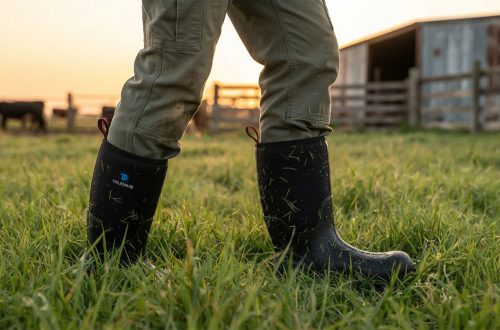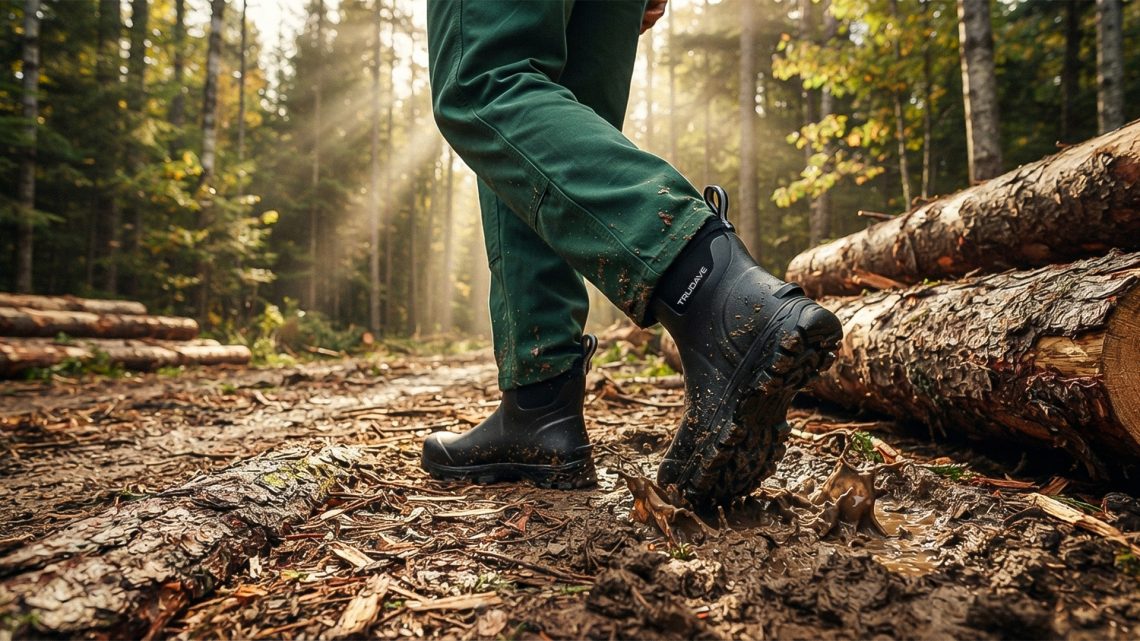
Best Boots for Solar Farm Maintenance and Panel Cleaning
Utility-scale solar sites may look simple from a distance.
Rows of panels sit quietly across open land, producing electricity with few visible moving parts.
For the technicians maintaining those sites, however, the working environment can change dramatically from one end of the array to the other.
A solar maintenance employee may begin the morning walking through dew-covered vegetation, cross a muddy service road, inspect an inverter pad, clean panels, open a cable trench, move equipment by utility vehicle, and finish the day checking storm damage near a drainage area.
That means footwear must handle more than dry gravel.
Solar crews may encounter:
- Wet grass.
- Morning dew.
- Mud.
- Gravel.
- Crushed stone.
- Concrete inverter pads.
- Cable trenches.
- Rain.
- Panel-washing water.
- Vegetation.
- Storm debris.
- Service roads.
- Utility vehicles.
The best boots for solar farm work should provide dependable weather protection, comfortable support for long walking routes, secure footing on mixed terrain, and enough durability for maintenance work around large outdoor energy sites.
Why Solar Farm Footwear Is Different From Construction Boots
Solar farms share some features with construction sites, but routine operations are usually less concentrated.
Workers may walk long distances between:
- Panel rows.
- Combiner boxes.
- inverters.
- transformers.
- fencing.
- access gates.
- drainage structures.
That makes boot weight and walking comfort especially important.
A very heavy industrial boot may provide more protection than necessary while increasing fatigue over miles of walking.
The most practical option is often a supportive waterproof work boot designed for mixed outdoor terrain.
Morning Dew Is a Bigger Problem Than It Looks
Solar sites often contain grass or managed vegetation between panel rows.
Early-morning inspection crews may walk through vegetation soaked with dew.
Even without rain, ordinary fabric footwear can become wet quickly.
Waterproof boots are useful for:
- Pre-dawn inspections.
- morning vegetation checks.
- inverter rounds.
- wildlife-fence inspections.
Mid-height footwear can also help protect lower legs from wet plants.
Panel Rows Can Stay Wet Long After Sunrise
Panels cast shade on the ground.
That shade can slow drying beneath the array.
Workers may encounter damp:
- Grass.
- soil.
- weeds.
even when open areas have already dried.
This makes waterproof construction valuable beyond obvious rainy days.
Boots for Gravel Solar Sites
Many utility-scale solar farms use gravel around:
- Inverters.
- transformers.
- access roads.
- equipment pads.
Thin rain boots can become uncomfortable over crushed stone.
Workers should look for:
- Supportive midsoles.
- durable outsole rubber.
- stable heel cups.
- enough cushioning for long walking routes.
Gravel Requires Durability More Than Deep Tread
Deep agricultural lugs are not necessary on most gravel surfaces.
Moderate tread with strong outsole rubber usually provides a better balance of:
- Comfort.
- traction.
- debris release.
- vehicle pedal control.
Boots for Muddy Solar Access Roads
Heavy rain can turn unpaved service roads into deep mud.
Maintenance vehicles may leave:
- Ruts.
- soft shoulders.
- standing water.
Workers stepping out of vehicles need footwear with:
- Open tread channels.
- secure heel retention.
- enough lug spacing to release soil.
- waterproof uppers.
Mud Suction Can Make Loose Boots Tiring
Oversized pull-on boots may move excessively in sticky soil.
A secure heel helps reduce:
- Friction.
- blistering.
- fatigue.
- accidental boot loss in deep mud.
Boots for Panel Cleaning Crews
Solar panel cleaning may involve:
- Hoses.
- purified water systems.
- brushes.
- mobile cleaning equipment.
Workers may spend hours around wet ground.
Suitable footwear should provide:
- Fully waterproof uppers.
- moderate shaft coverage.
- secure fit.
- good mixed-surface traction.
Water Runoff Can Create Mud Between Rows
Panel washing may produce localized runoff.
Depending on site drainage, workers may move repeatedly between:
- Gravel.
- wet soil.
- grass.
- concrete pads.
A balanced outsole performs better than footwear designed only for one surface.
Boots for Robotic Cleaning Support
Some large solar sites use robotic or automated panel-cleaning systems.
Technicians may need to:
- Transport equipment.
- inspect robots.
- service charging stations.
- retrieve machines.
These workers often need lighter waterproof footwear with good walking comfort rather than tall rubber boots.
Boots for Inverter Maintenance
Inverter pads are often made from:
- Concrete.
- compacted gravel.
- engineered foundations.
Technicians may stand for long periods while:
- Inspecting equipment.
- troubleshooting.
- replacing components.
Cushioning becomes especially important.
Electrical Work Requires More Than Waterproofing
Solar farms involve high-voltage electrical equipment.
Waterproof footwear is not automatically electrically protective.
Workers should use footwear and PPE that meet the actual electrical requirements of the task.
Boot selection should follow:
- Employer procedures.
- Electrical safety standards.
- Site-specific PPE rules.
Boots for Combiner Box Inspections
Combiner boxes may be located throughout the array.
Technicians may walk significant distances to inspect them.
Useful footwear characteristics include:
- Low-to-moderate weight.
- stable heel support.
- waterproof uppers.
- flexible forefoot movement.
Boots for Cable Trench Work
Solar facilities may contain underground cable routes.
Maintenance or repair work may involve:
- Open trenches.
- mud.
- gravel.
- wet soil.
More supportive waterproof boots are useful during these tasks.
Trenches May Contain Sharp Construction Debris
Workers may encounter:
- Wire.
- conduit fragments.
- fasteners.
- broken hardware.
A thick-looking outsole does not automatically provide puncture resistance.
Rated puncture protection should be used where required.
Boots for Tracker System Maintenance
Many solar farms use single-axis tracking systems.
Technicians may inspect:
- Motors.
- bearings.
- linkages.
- drive systems.
These tasks may require kneeling and moving under panel rows.
Footwear should allow flexible movement without excessive bulk.
Forefoot Flexibility Matters Under Panels
Workers servicing tracker hardware may:
- Crouch.
- kneel.
- crawl short distances.
- step around equipment.
Very stiff boots can make these tasks more tiring.
Boots for Fixed-Tilt Solar Arrays
Fixed-tilt systems may require less mechanical maintenance but still involve:
- Electrical inspection.
- vegetation control.
- panel cleaning.
- structural checks.
Lightweight waterproof work boots are often sufficient for routine rounds.
Boots for Vegetation Management Crews
Vegetation control may involve:
- Mowing.
- string trimming.
- hand cutting.
- herbicide application.
- grazing management.
Workers may encounter:
- Wet grass.
- weeds.
- uneven soil.
- hidden debris.
Supportive waterproof outdoor boots are practical.
Boots for Mowing Between Panel Rows
Mowing crews may use:
- Tractors.
- zero-turn mowers.
- compact utility vehicles.
Footwear should provide:
- Pedal control.
- secure heel fit.
- moderate outsole thickness.
Tall bulky rubber boots may be unnecessary.
Boots for String-Trimmer Crews
Trimming around:
- Posts.
- fences.
- inverter pads.
- cable markers.
requires secure foot placement.
Durable toe areas and stable heel support are useful.
Boots for Herbicide Application
Some solar sites use chemical vegetation control.
Waterproof boots are not automatically suitable for herbicide exposure.
Workers should follow the product label and employer PPE requirements.
Boots for Sheep-Grazed Solar Farms
Some sites use sheep for vegetation management.
Workers may encounter:
- Wet grass.
- manure.
- mud.
- animal-handling areas.
A more farm-oriented waterproof boot may be useful for employees managing livestock on-site.
Boots for Fence Inspection
Solar farms often have long perimeter fences.
Workers may walk through:
- Tall grass.
- mud.
- rocky soil.
- drainage zones.
Comfort matters because fence checks can involve substantial distance.
Wildlife Can Change Walking Conditions
Sites may contain:
- Burrows.
- uneven soil.
- vegetation.
- hidden holes.
Workers need stable ankle support and secure heel fit.
Boots for Storm Inspection
After severe weather, technicians may inspect:
- Panels.
- racking.
- fencing.
- drainage.
- access roads.
Conditions may include:
- Mud.
- puddles.
- branches.
- loose debris.
More rugged waterproof footwear may be needed than during normal dry-weather rounds.
Boots for Hail-Damage Inspection
After hailstorms, workers may inspect broken or damaged modules.
Potential hazards may include:
- Broken glass.
- sharp fragments.
- damaged hardware.
Appropriate puncture and cut protection may be required.
Ordinary waterproof rubber boots should not automatically be considered sufficient.
Boots for Flooded Solar Sites
Low-lying solar farms may experience standing water after storms.
Workers should follow site electrical and flood-safety procedures before entering any affected area.
Taller waterproof boots may help with shallow water only when site procedures permit access.
Standing Water Around Electrical Equipment Requires Extra Caution
Waterproof boots do not make flooded electrical areas safe.
Electrical isolation and site-specific safety procedures come first.
Boots for Drainage Maintenance
Solar sites often contain:
- Swales.
- culverts.
- ditches.
- retention basins.
Workers may need to remove debris or inspect erosion.
These areas may justify more aggressive mud tread.
Boots for Erosion-Control Work
Stormwater can wash soil away around:
- Panel posts.
- roads.
- drainage structures.
Workers may install:
- Rock.
- erosion mats.
- soil.
- vegetation.
A rugged waterproof boot with stronger ankle support works well.
Boots for Retention Pond Inspections
Retention basins may have:
- Muddy banks.
- wet grass.
- sloped ground.
Secure heel retention and lateral support are especially useful.
Boots for Concrete Equipment Pads
Transformers and inverters may be placed on concrete.
Workers standing for long periods need underfoot cushioning.
A boot designed only for outdoor mud may feel uncomfortable here.
Cushioning Matters More Than Maximum Tread
Solar technicians may spend hours walking and standing on hard surfaces.
Supportive midsoles often contribute more to comfort than oversized lugs.
Boots for Transformer Areas
Transformer service may involve electrical and industrial hazards.
Technicians should use footwear appropriate to:
- Electrical exposure.
- oil.
- equipment handling.
Waterproof construction alone is not enough.
Boots Around Transformer Oil
Some equipment may involve insulating oils.
Workers should verify footwear material compatibility for actual exposure.
Boots for Utility Vehicles
Solar sites commonly use:
- UTVs.
- pickup trucks.
- maintenance carts.
Workers may get in and out dozens of times per shift.
Boots should provide:
- Good pedal control.
- moderate outsole thickness.
- secure heel positioning.
Boots for ATV or UTV Crews
Workers driving across rough service roads need footwear that remains comfortable both:
- In the vehicle.
- On foot.
Very tall rubber boots may be unnecessarily bulky.
Boots for Gate and Security Inspections
Solar farms often have remote gates and fencing.
Workers may cross:
- Gravel.
- grass.
- mud.
A mixed-surface waterproof boot is practical.
Boots for Night Solar Maintenance
Emergency repairs may occur after dark.
Workers need predictable foot placement around:
- Cables.
- racking.
- gravel.
- uneven terrain.
A secure fit matters when visibility is reduced.
Boots for Winter Solar Farms
Cold-weather sites may expose technicians to:
- Snow.
- slush.
- frozen mud.
- icy roads.
Suitable footwear may need:
- Waterproof construction.
- moderate insulation.
- cold-flexible outsole rubber.
- thicker midsoles.
Snow Between Panel Rows
Snow may accumulate unevenly because panels change wind patterns and shade.
Workers may encounter deeper pockets alongside exposed gravel.
Mid-height waterproof winter work boots are often more versatile than low shoes.
Ice Requires Separate Traction Controls
No ordinary work boot eliminates ice hazards.
Sites may use:
- Cleats.
- approved traction devices.
- treated walkways.
Summer Solar Farm Work
Solar sites can become extremely hot.
Technicians may spend all day in direct sun.
Heavy insulated rubber boots are usually a poor choice.
Workers should prioritize:
- Lightweight construction.
- uninsulated uppers.
- moisture-wicking socks.
- removable insoles.
Heat From Gravel and Equipment Pads
Dark surfaces can become very hot.
Supportive midsoles help reduce direct heat transfer from the ground.
Waterproof Boots Can Still Become Damp From Sweat
In hot weather, moisture may come from inside the footwear rather than outside.
Good socks and proper drying routines matter.
Best Socks for Solar Technicians
Synthetic and wool-blend socks generally perform better than cotton.
Useful qualities include:
- Moisture wicking.
- quick drying.
- heel cushioning.
- secure fit.
Boot Weight Matters on Large Solar Farms
Utility-scale projects may cover hundreds or thousands of acres.
Technicians may walk substantial distances.
Heavy boots increase fatigue.
Choose only as much protection as the job requires.
Heel Retention Matters on Mixed Terrain
Solar workers constantly transition between:
- Gravel.
- grass.
- mud.
- concrete.
A secure heel keeps the foot stable inside the boot.
Ankle Support Helps in Hidden Terrain
Vegetation may conceal:
- Holes.
- rocks.
- cable markers.
- uneven ground.
Supportive footwear improves control.
Easy-Clean Construction Is Useful
Solar farm boots may collect:
- Mud.
- grass.
- gravel dust.
- panel-washing residue.
Smooth waterproof uppers are easy to rinse.
Simple Tread Is Easier to Maintain
Extremely complex outsole designs may trap:
- Stones.
- vegetation.
- mud.
A moderate open pattern is usually easier to clean.
How to Clean Solar Farm Work Boots
A practical routine may include:
- Remove gravel and vegetation.
- Brush soil from tread.
- Rinse mud and panel-washing residue.
- Inspect for cuts or punctures.
- Remove damp insoles.
- Allow the boots to dry completely.
Gravel Should Be Removed From Tread
Small stones can become wedged in outsole channels.
Regular inspection helps prevent uneven outsole wear.
How to Dry Solar Work Boots
After wet shifts:
- Remove insoles.
- open or loosen the boots.
- allow airflow.
- use low-temperature drying if approved.
Avoid strong direct heat.
Rotating Boots Can Help Field Technicians
Workers covering outdoor sites every day may benefit from two pairs.
This allows one pair to dry while the other is worn.
When Solar Farm Work Boots Should Be Replaced
Replace footwear when:
- Waterproofing repeatedly fails.
- tread becomes smooth.
- outsole separation occurs.
- heel support collapses.
- puncture damage appears.
- safety components are compromised.
- cushioning becomes ineffective.
Do Solar Farm Workers Need Safety-Toe Boots?
Some roles may require protective toes, especially around:
- Heavy electrical components.
- transformers.
- mechanical equipment.
- pallets.
- maintenance tools.
The correct protection depends on job requirements.
Puncture Protection Around Solar Construction Debris
Even operational sites may contain:
- Wire.
- fasteners.
- metal fragments.
- damaged racking.
A normal thick sole does not automatically provide puncture resistance.
Waterproof Does Not Mean Electrically Protective
This distinction is critical.
Waterproof boots protect against moisture.
Electrical protection requires footwear specifically designed and rated for the hazard.
Common Mistakes When Buying Solar Farm Boots
Choosing Heavy Construction Boots for Routine Inspection
Excess weight increases fatigue over long walking routes.
Wearing Low Shoes in Dew-Soaked Vegetation
Feet may become wet before the workday really begins.
Buying Deep Farm Lugs for Gravel Sites
Moderate mixed-surface tread is usually more practical.
Wearing Tall Rubber Boots for Constant UTV Driving
Bulky shafts can reduce pedal comfort.
Ignoring Concrete Pad Comfort
Technicians often spend substantial time on hard surfaces.
Assuming Waterproof Means Electrical Protection
Electrical PPE requirements are separate.
Ignoring Storm-Debris Hazards
Broken modules and hardware may require additional protection.
Choosing Boots Too Loose
Secure heel fit improves stability on mud, gravel, and uneven grass.
How to Choose the Best Boots for Solar Farm Work
Start with the technician’s actual responsibilities.
For routine inspection crews, prioritize:
- Lightweight support.
- waterproof construction.
- mixed-surface traction.
- cushioning.
For panel-cleaning crews, prioritize:
- More splash coverage.
- secure heel fit.
- water-friendly construction.
- easy cleaning.
For electrical technicians, prioritize:
- Site-required safety ratings.
- stable hard-surface support.
- weather protection.
For vegetation crews, prioritize:
- Wet-grass traction.
- durable uppers.
- ankle support.
For drainage and storm-response teams, prioritize:
- More mud capability.
- additional shaft coverage.
- rugged construction.
For equipment operators, prioritize:
- Pedal control.
- secure heel position.
- moderate outsole thickness.
Workers comparing waterproof footwear from brands such as Trudave Gear should choose boots based on the real balance of wet grass, gravel, mud, panel washing, electrical maintenance, driving, and long walking routes involved in their work.
Frequently Asked Questions
What are the best boots for solar farm work?
The best solar farm boots are waterproof, supportive, comfortable for long walking distances, securely fitted, and equipped with moderate mixed-terrain tread for grass, gravel, mud, and concrete.
Are rubber boots good for solar farms?
Yes, especially for panel cleaning, muddy access roads, drainage work, and storm inspections. For everyday technical rounds, lighter waterproof work boots may be more comfortable.
How tall should solar farm boots be?
Mid-height boots are versatile for most work. Mid-calf boots may be useful for wet grass, panel washing, mud, and storm cleanup.
What boots are best for solar panel cleaning?
Waterproof boots with secure heel support, moderate shaft coverage, mixed-surface traction, and good walking comfort are practical.
Are deep mud boots good for solar technicians?
Only when mud is a major part of the job. For routine gravel and equipment-pad work, moderate tread is usually more efficient.
Do solar technicians need safety-toe boots?
Some electrical, maintenance, material-handling, and construction-related roles may require safety-toe footwear.
Are waterproof boots electrically safe?
Not automatically. Electrical work requires footwear specifically rated for the relevant hazard.
What boots are best for wet grass around solar panels?
Lightweight waterproof boots with secure heel retention, moderate tread, and supportive midsoles work well.
What boots are best for solar farm storm inspections?
Supportive waterproof boots with more aggressive mixed-surface traction, durable uppers, and appropriate puncture protection are practical after severe weather.
How should solar farm work boots be cleaned?
Remove gravel and vegetation, brush soil from tread, rinse mud or cleaning residue, inspect for damage, and allow the boots to dry completely.
Final Thoughts
Solar farm maintenance combines long walking routes with wet grass, gravel, mud, panel washing, concrete equipment pads, cable trenches, vegetation control, utility vehicles, storm inspections, and electrical systems.
The best footwear depends on the technician’s role.
Routine inspection crews need lightweight waterproof boots with strong walking comfort.
Panel-cleaning workers benefit from additional splash protection.
Vegetation crews need better wet-grass and uneven-ground support.
Drainage and storm-response teams may need more aggressive outdoor traction.
Electrical technicians require task-specific protective footwear in addition to weather protection.
Trudave Gear offers waterproof outdoor and work footwear suited to rain, wet grass, mud, gravel, maintenance, and demanding outdoor environments.
Choosing footwear according to the actual solar-farm task can help workers stay drier, reduce fatigue, improve footing, and move more comfortably from the first dew-covered inspection row in the morning to the final inverter check at the end of the day.


You May Also Like

Composting in the Cold: Turning Waste into Springtime Gold

Mulch Mastery: Locking in Soil Heat for Early Spring Planting