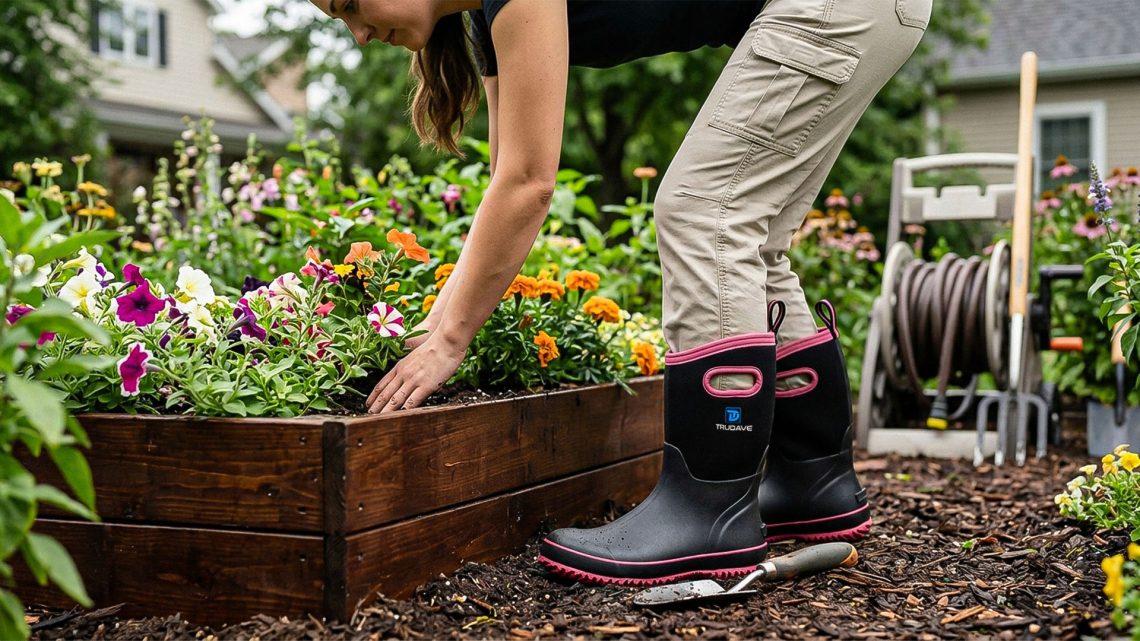
Best Boots for Mushroom Farm and Growing Room Work
Commercial mushroom farming takes place in an environment very different from ordinary field agriculture.
Instead of open acres of crops, mushroom workers may spend their shifts inside climate-controlled growing rooms filled with high humidity, wet floors, compost or substrate, racks, harvest carts, washdown water, and temperature changes between production areas.
A typical worker may begin the day entering a humid growing room, harvest mushrooms from multi-level beds, push carts across damp concrete, move into a compost or substrate area, clean equipment, and finish the shift around refrigerated packing or loading zones.
Footwear may encounter:
- Wet concrete.
- High humidity.
- Compost.
- Growing substrate.
- Mud.
- Cleaning water.
- Organic residue.
- Cold rooms.
- Gravel yards.
- Loading docks.
- Harvest debris.
- Sanitation chemicals.
The best boots for mushroom farm work should keep feet dry, remain comfortable on concrete, provide stable traction in humid production areas, clean easily, and support workers who spend long shifts standing, bending, harvesting, pushing carts, and moving between warm and cold environments.
Mushroom Farms Stay Damp by Design
Mushrooms require carefully controlled growing conditions.
Production rooms may maintain relatively high humidity to support crop development.
That means workers regularly operate around:
- Damp floors.
- Moist growing beds.
- Irrigation or misting.
- Condensation.
- Washdown water.
Even when no major spill occurs, moisture can remain present for most of the shift.
Waterproof footwear is therefore useful as everyday work equipment rather than occasional rain protection.
Humidity Creates a Different Footwear Problem
A boot may keep outside water from entering while still becoming damp internally.
Workers in warm humid rooms may perspire heavily.
That means good mushroom-farm footwear should balance:
- Waterproof construction.
- Manageable weight.
- Removable insoles.
- Moisture-managing socks.
Heavy insulated rubber boots can become uncomfortable very quickly.
Boots for Growing Rooms
Growing-room workers may spend hours between:
- Mushroom beds.
- Shelving.
- Narrow aisles.
- Harvest stations.
Footwear should provide:
- Waterproof uppers.
- flexible movement.
- moderate tread.
- secure heel support.
- good cushioning.
Extremely aggressive outdoor lugs are usually unnecessary indoors.
Wet Concrete Is One of the Main Challenges
Many commercial mushroom facilities use concrete floors because they are durable and easy to clean.
When damp, concrete requires good hard-surface contact.
Useful outsole characteristics include:
- Flexible rubber.
- Broad tread blocks.
- Moderate grooves.
- Stable heel contact.
- Easy-clean channels.
Deep farm tread may reduce useful contact and trap organic material.
Boots for Mushroom Harvest Workers
Harvesting mushrooms is repetitive physical work.
Employees may:
- Bend.
- Reach.
- Turn.
- Carry trays.
- Push carts.
- Stand for hours.
Footwear should be lightweight enough for repeated movement and supportive enough for long shifts.
Forefoot Flexibility Matters During Harvest
Workers may crouch or kneel repeatedly to reach lower growing beds.
A stiff boot can make these movements tiring.
Flexible forefoot construction improves comfort.
Heel Retention Helps During Side-to-Side Movement
Harvest workers frequently shift laterally between beds and carts.
Loose boots allow the foot to slide internally.
A secure heel fit provides more controlled movement.
Boots for Multi-Level Growing Systems
Some mushroom farms use vertically stacked growing beds.
Workers may use:
- Platforms.
- Stairs.
- Mobile harvesting equipment.
Footwear should provide precise contact on steps and platforms.
Bulky knee-high mud boots may be less practical.
Boots for Harvest Carts
Carts may be used to transport:
- Mushrooms.
- Trays.
- Packaging.
- Tools.
Workers pushing loaded carts need a stable base.
Supportive midsoles and secure heel fit improve control.
Wheels Can Spread Moisture Through Aisles
Harvest carts may carry water or organic debris from one area to another.
Workers should expect changing floor conditions throughout the shift.
Boots for Compost Handling
Commercial mushroom farming often relies on specialized compost or growing substrate.
Workers may encounter:
- Damp organic material.
- Straw.
- Manure-based compost.
- Peat or casing material.
These areas may require more rugged footwear than clean harvest rooms.
Compost Can Pack Into Deep Tread
Wet organic material can fill outsole grooves.
Once packed, the boot becomes:
- Heavier.
- harder to clean.
- less stable on concrete.
Simple open tread patterns are usually easier to maintain.
Boots for Compost Yards
Outdoor compost areas may contain:
- Mud.
- Gravel.
- Wet organic material.
- Heavy equipment traffic.
Workers may need more aggressive mixed-surface tread.
Outdoor Mushroom Farm Boots May Differ From Indoor Boots
Employees working primarily in compost yards may need:
- Deeper tread.
- more durable uppers.
- stronger ankle support.
- additional waterproof height.
Indoor harvest workers may prefer lighter boots.
Boots for Substrate Preparation
Growing substrate may be mixed or processed before entering production rooms.
Workers may handle:
- Organic materials.
- Water.
- Machinery.
- Conveyors.
Footwear should provide stable hard-floor traction and enough protection for industrial equipment areas.
Boots for Filling Rooms
Growing beds or trays may be filled mechanically.
Workers may move around:
- Conveyors.
- Loaders.
- Wet floors.
Safety-toe footwear may be appropriate depending on workplace requirements.
Boots for Casing Soil Work
Many mushroom varieties use a casing layer over prepared substrate.
Workers may handle damp materials that fall onto floors.
Moderate tread makes cleanup easier.
Boots for Watering Crews
Mushroom production may use:
- Misting.
- Fine irrigation.
- Hand watering.
Workers may experience repeated splash.
Mid-height waterproof boots provide practical protection.
Low Shoes Can Allow Water Over the Collar
Even waterproof low-cut footwear may fail when repeated splash enters from above.
A moderate shaft helps protect socks.
Boots for Misting System Maintenance
Technicians may inspect:
- Nozzles.
- Pipes.
- Pumps.
- Valves.
They need footwear that remains stable on wet floors while allowing ladder or equipment access.
Boots for Climate-Control Rooms
Mushroom production depends on:
- Humidity.
- Temperature.
- Airflow.
- CO₂ management.
Maintenance technicians may move between growing rooms and mechanical areas.
A structured waterproof work boot provides good versatility.
Boots for Cooling Rooms
Some production zones may be significantly cooler than growing areas.
Workers transitioning between warm and cold rooms may experience condensation.
Footwear should handle both:
- Wet floors.
- temperature changes.
Condensation Can Form Near Doorways
Moist warm air meeting cooler surfaces can create damp transition zones.
Workers should be especially careful near:
- Cooler entrances.
- packing rooms.
- refrigerated storage.
Boots for Packing Rooms
Packing areas may be cleaner and drier than growing rooms.
Workers may spend long periods standing beside:
- Tables.
- conveyors.
- sorting lines.
Cushioning becomes more important than deep waterproof coverage.
Boots for Mushroom Sorting Crews
Sorters may stand in one location for hours.
Look for:
- Supportive midsoles.
- stable heel cups.
- removable insoles.
- moderate tread.
Boots for Refrigerated Mushroom Storage
Fresh mushrooms may be stored in cool environments before shipment.
Workers may need:
- Thicker midsoles.
- moderate cold protection.
- waterproof construction.
Heavy freezer boots are usually unnecessary unless temperatures are unusually low.
Boots for Loading Dock Workers
Finished mushrooms may be shipped by refrigerated truck.
Dock workers may encounter:
- Wet concrete.
- rain.
- pallets.
- metal dock plates.
- refrigerated trailers.
A supportive waterproof safety boot works well.
Boots for Pallet Handling
Workers may use:
- Pallet jacks.
- forklifts.
- hand trucks.
Secure footing matters around heavy loads.
Safety-Toe Boots for Mushroom Farm Workers
Protective toes may be appropriate around:
- Pallets.
- compost equipment.
- filling machinery.
- forklifts.
- loading docks.
Routine harvesting workers may have different requirements.
Boots for Forklift Operators
Forklift drivers need:
- Good pedal control.
- secure heel positioning.
- moderate outsole thickness.
- stable machine-step contact.
Tall rubber boots may be unnecessarily bulky.
Boots for Mushroom Farm Sanitation
Sanitation is critical in controlled growing facilities.
Workers may clean:
- Floors.
- racks.
- growing rooms.
- tools.
- carts.
This often involves heavy water exposure.
Boots for Washdown Crews
Washdown employees may use:
- Hoses.
- foam.
- scrubbers.
- pressure washers.
Mid-calf waterproof boots can provide useful splash coverage.
Pressure Washing Requires Proper PPE
Waterproof footwear protects against ordinary splash.
It does not protect against direct high-pressure water.
Pressure washer nozzles should never be directed toward the body.
Boots for Empty-Room Cleaning
After a crop cycle, growing rooms may be cleaned thoroughly before reuse.
Workers may face:
- Water.
- organic material.
- sanitation products.
Easy-clean rubber footwear is practical.
Sanitation Chemicals Require Separate Consideration
Mushroom farms may use approved:
- Cleaners.
- disinfectants.
- sanitizers.
Waterproof does not automatically mean chemically resistant.
Workers should follow:
- Product labels.
- SDS information.
- employer PPE procedures.
Boots for Biosecurity Zones
Mushroom production can be sensitive to contamination.
Some farms may require dedicated footwear for certain rooms.
This can help reduce transfer of:
- Soil.
- spores.
- organic material.
- contaminants.
Dedicated Boots Can Simplify Hygiene
Keeping boots assigned to specific areas may reduce cross-contamination between:
- Compost zones.
- Growing rooms.
- Packing areas.
Facility procedures should always take priority.
Boots for Boot-Wash Stations
Some operations may use:
- Boot washers.
- Footbaths.
- Sanitation stations.
Smooth waterproof boots are easier to clean repeatedly.
Simple Construction Helps Sanitation
Footwear with fewer:
- Fabric panels.
- deep seams.
- decorative grooves.
is easier to rinse.
Boots for Mushroom Bed Removal
At the end of a growing cycle, spent substrate may be removed.
Workers may deal with:
- Damp organic material.
- Heavy carts.
- conveyors.
This can be one of the dirtier jobs in the facility.
More rugged waterproof boots may be useful.
Boots for Spent Compost Handling
Spent mushroom substrate may be moved outdoors for:
- Composting.
- soil amendment.
- transport.
Workers may encounter deeper mud.
Boots for Outdoor Loading of Spent Substrate
Loading areas may combine:
- Gravel.
- mud.
- loaders.
- trucks.
More aggressive mixed-surface tread becomes useful.
Boots for Loader Operators
Workers using loaders need footwear that allows:
- Pedal control.
- stable machine steps.
- secure heel fit.
Very bulky rubber footwear may interfere with controls.
Boots for Tractor Operators
Outdoor mushroom operations may use tractors around compost yards.
A supportive waterproof work boot is practical.
Boots for Mushroom Farm Mechanics
Maintenance departments may service:
- Conveyors.
- pumps.
- ventilation systems.
- forklifts.
- loaders.
They may need more industrial footwear.
Useful features can include:
- Safety toes.
- oil-resistant outsoles.
- ankle support.
- waterproof construction.
Waterproof Does Not Mean Oil Resistant
Mechanical workers may encounter:
- Lubricants.
- grease.
- hydraulic fluid.
Material compatibility should be checked separately.
Boots for Boiler and Steam Areas
Some facilities use hot-water or steam systems.
Ordinary waterproof rubber boots are not automatically suitable for thermal hazards.
Task-specific PPE may be required.
Boots for Electrical Maintenance
Growing facilities contain:
- Fans.
- pumps.
- lighting.
- control systems.
Waterproof footwear is not automatically electrical-hazard rated.
Appropriate electrical safety procedures come first.
Boots for Ventilation Technicians
Workers maintaining fans or ducting may use:
- Ladders.
- Elevated platforms.
Secure heel fit and controlled outsole thickness are important.
Boots for Ladder Work
Deep mud lugs may feel awkward on ladder rungs.
Maintenance workers benefit from a more structured outsole.
Boots for Mushroom Farm Drainage
Growing and washdown areas need effective drainage.
Workers may clean:
- Floor drains.
- channels.
- sumps.
Waterproof easy-clean footwear is useful.
Organic Material Can Collect in Drains
Workers may encounter:
- Compost.
- mushroom debris.
- soil.
- packaging fragments.
Simple tread is easier to clean afterward.
Boots for Floor Drain Cleaning
Mid-height rubber boots provide good splash protection.
Workers should follow hygiene procedures after the task.
Boots for Wastewater Areas
Large production facilities may manage process water.
General waterproof boots should not automatically be treated as protection from every wastewater hazard.
Site-specific PPE requirements matter.
Boots for Indoor Concrete
Many mushroom workers spend more time on concrete than soil.
This makes cushioning essential.
Supportive midsoles can reduce fatigue in:
- Feet.
- knees.
- hips.
- lower back.
Thin Rain Boots May Become Uncomfortable
A boot can be perfectly waterproof and still be poor for an eight-hour shift.
Underfoot support matters.
Boots for Gravel Farm Yards
Outdoor loading and compost areas may use gravel.
Thin soles can transmit sharp stone pressure.
Workers should look for durable midsoles.
Boots for Muddy Farm Roads
Rain may turn unpaved access areas into mud.
Open tread channels help release soil.
Boots for Rainy Loading Areas
Workers moving product between buildings and trucks may encounter outdoor rain.
Mid-height waterproof boots provide enough protection for many roles.
Boots for Winter Mushroom Farms
Indoor growing continues throughout winter.
Employees moving between buildings may encounter:
- Snow.
- Slush.
- Cold rain.
Workers who spend significant time outdoors may need moderate insulation.
Indoor Workers Usually Need Less Insulation
Growing rooms may remain relatively warm.
Heavy winter footwear can cause overheating indoors.
Boots for Summer Mushroom Farms
Warm humid rooms can feel especially hot.
Workers should prioritize:
- Uninsulated construction.
- manageable weight.
- removable insoles.
- moisture-wicking socks.
Waterproof Boots Can Become Damp From Sweat
Humidity makes internal moisture management especially important.
Boots should be dried fully between shifts.
Best Socks for Mushroom Farm Workers
Synthetic and wool-blend socks generally perform better than cotton.
Useful features include:
- Moisture wicking.
- quick drying.
- heel cushioning.
- secure fit.
Spare Socks Can Help During Heavy Washdown
If water enters over the boot collar, dry replacement socks improve comfort.
Boot Weight Matters During Harvest
Workers may take thousands of short steps.
Heavy rubber boots increase fatigue.
Choose only as much boot height and protection as the task requires.
Cushioning Matters for Standing Workers
Harvest and packing employees may stand in one position for long periods.
Supportive footbeds are valuable.
Heel Fit Matters Around Carts
Workers pushing harvest carts need secure foot placement.
Loose boots can increase friction and instability.
Toe Room Matters During Long Shifts
Feet may swell during a long day.
The boot should secure the heel without crowding the toes.
Removable Insoles Improve Hygiene
Replaceable footbeds allow workers to:
- Dry footwear.
- replace worn cushioning.
- manage moisture.
- improve comfort.
Easy-Clean Construction Is a Major Advantage
Mushroom farm footwear may collect:
- Compost.
- Soil.
- Mushroom debris.
- Water.
- Sanitation residue.
Smooth waterproof uppers make cleaning easier.
How to Clean Mushroom Farm Boots
A practical routine may include:
- Remove compost and substrate.
- Brush organic material from tread.
- Rinse the exterior.
- Follow farm sanitation procedures.
- Inspect for cracks.
- Remove damp insoles where appropriate.
- Allow the footwear to dry completely.
Organic Material Should Be Removed Before Sanitizing
Visible soil can interfere with sanitation.
Physical debris should generally be cleaned away first.
How to Dry Mushroom Farm Boots
After work:
- Remove insoles.
- Open the boots fully.
- Allow airflow.
- Use low-temperature drying if approved.
Avoid excessive direct heat.
Rotating Two Pairs Can Help
Full-time workers may wear waterproof footwear in humid conditions every day.
Alternating pairs allows more complete drying.
When Mushroom Farm Boots Should Be Replaced
Replace footwear when:
- Waterproofing fails.
- Tread becomes smooth.
- Rubber cracks.
- Outsole separation develops.
- Heel support collapses.
- Chemical damage appears.
- The boot becomes difficult to sanitize.
- Cushioning becomes ineffective.
Do Mushroom Farm Workers Need Safety-Toe Boots?
Some compost, loading, equipment, pallet, and maintenance jobs may require safety-toe footwear.
Routine harvesting roles may not require the same level of protection.
Puncture Hazards in Mushroom Facilities
Workers may encounter:
- Broken pallets.
- wire.
- equipment hardware.
- sharp debris.
A thick outsole does not automatically provide puncture resistance.
Common Mistakes When Buying Mushroom Farm Boots
Buying Deep Field Boots for Indoor Growing Rooms
Aggressive tread can trap compost and organic residue.
Choosing Cheap Rain Boots for Long Concrete Shifts
They may lack enough cushioning.
Wearing Heavy Insulated Boots in Humid Rooms
They can cause excessive sweating.
Choosing Boots Too Tall for Harvest Workers
Extra shaft height adds unnecessary weight.
Ignoring Compost Yard Conditions
Outdoor workers may need more rugged tread than indoor harvest crews.
Assuming Waterproof Means Sanitizer Resistant
Chemical compatibility is a separate consideration.
Wearing Boots Too Loose Around Harvest Carts
Secure heel fit improves control.
Failing to Clean Organic Material From Tread
Debris buildup affects both hygiene and traction.
How to Choose the Best Boots for Mushroom Farm Work
Start with the worker’s main duties.
For harvest crews, prioritize:
- Lightweight waterproof construction.
- hard-floor cushioning.
- flexible movement.
- secure heel fit.
For growing-room workers, prioritize:
- Easy-clean materials.
- moderate tread.
- waterproof protection.
- humidity comfort.
For compost-yard crews, prioritize:
- More aggressive mixed-surface tread.
- durable uppers.
- additional shaft coverage.
For sanitation workers, prioritize:
- Fully waterproof construction.
- simple easy-clean tread.
- compatible materials.
For packing and cold-room employees, prioritize:
- Cushioning.
- moderate insulation if needed.
- hard-floor traction.
For maintenance technicians, prioritize:
- Safety features.
- ankle support.
- industrial outsole performance.
Workers comparing waterproof footwear from brands such as Trudave Gear should choose boots according to the actual combination of humid rooms, wet concrete, compost, washdown, cold storage, loading work, and long production shifts involved in their job.
Frequently Asked Questions
What are the best boots for mushroom farm work?
The best mushroom farm boots are waterproof, easy to clean, comfortable on concrete, securely fitted, and equipped with moderate tread suitable for wet growing rooms and agricultural production areas.
Are rubber boots good for mushroom farms?
Yes. Rubber boots are especially useful for growing rooms, watering, sanitation, compost handling, washdown, and other wet production tasks.
How tall should mushroom farm boots be?
Mid-height or mid-calf boots are versatile for most workers. Taller boots may be useful for heavy washdown or muddy outdoor compost yards.
What boots are best for mushroom harvest workers?
Lightweight waterproof boots with cushioning, flexible forefoot movement, secure heel fit, and moderate tread are practical.
Are deep mud boots good inside mushroom growing rooms?
Usually not. Deep tread can trap compost and organic material and may provide less useful contact on concrete.
What boots are best for compost-yard workers?
Waterproof boots with durable uppers, open tread channels, supportive midsoles, and enough shaft coverage for mud are practical.
Do mushroom farm workers need safety-toe boots?
Some loading, compost, equipment, forklift, and maintenance roles may require safety-toe footwear.
Are waterproof boots resistant to mushroom farm sanitizers?
Not automatically. Workers should confirm material compatibility with the products used by the facility.
What boots are best for wet mushroom growing rooms?
Waterproof boots with broad floor contact, flexible rubber, moderate grooves, cushioning, and easy-clean uppers work well.
How should mushroom farm work boots be cleaned?
Remove compost and organic debris, clean tread channels, rinse the footwear, follow facility sanitation procedures, and allow boots to dry completely.
Final Thoughts
Commercial mushroom farming combines humid growing rooms, wet concrete, compost, watering systems, sanitation, harvest carts, cold rooms, loading docks, and long indoor agricultural shifts.
The best footwear depends on the worker’s role.
Harvest crews need lightweight waterproof boots with good cushioning and flexible movement.
Growing-room employees benefit from easy-clean footwear with moderate hard-floor traction.
Compost-yard crews need more rugged mud and gravel capability.
Sanitation workers may require greater shaft coverage.
Packing and cold-room teams need stronger hard-floor comfort.
Maintenance technicians may need additional industrial safety features.
Trudave Gear offers waterproof outdoor and work footwear suited to wet floors, agriculture, mud, washdown, farm maintenance, and demanding daily work environments.
Choosing footwear according to the actual mushroom-farm task can help workers stay drier, reduce fatigue, maintain better footing, and remain more comfortable from the first humid growing-room inspection in the morning to the final sanitation cycle after the day’s harvest is packed.


You May Also Like

Winter Lot Management Tactics That Pay Off in March

Pruning for Spring: How Late Fall Cuts Boost Next Year’s Growth