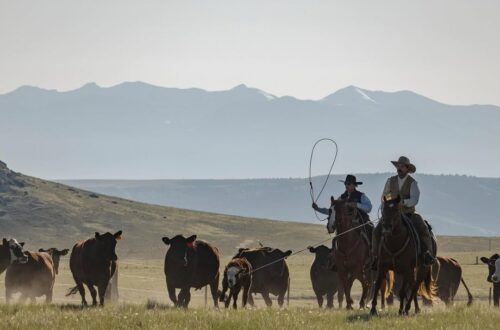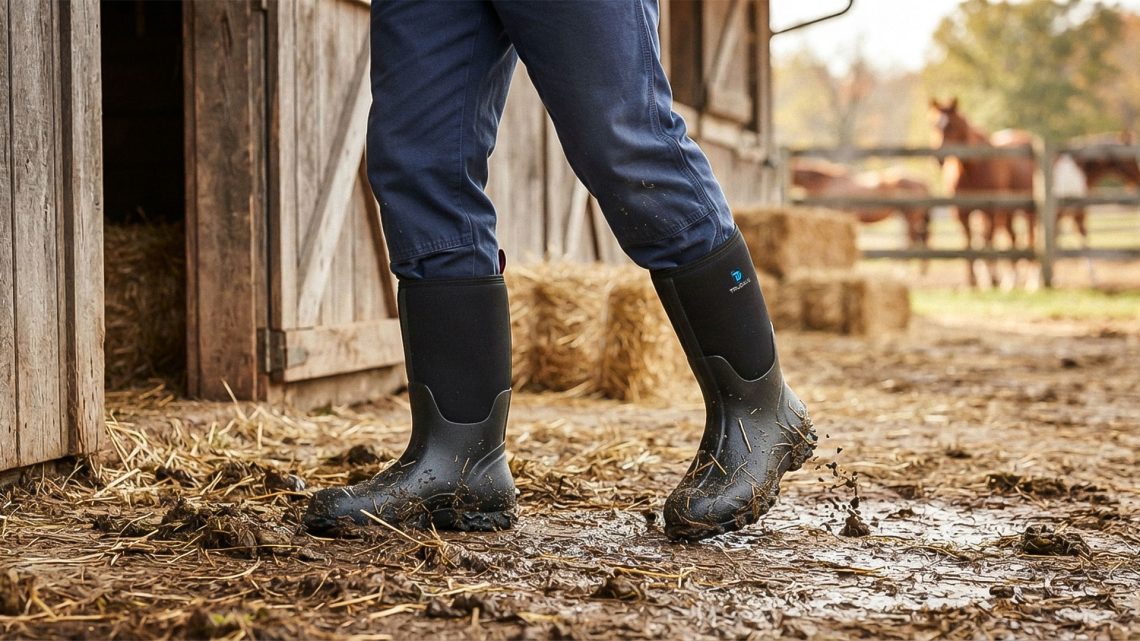
Best Boots for Vineyard and Winery Work
Vineyard and winery work combines agriculture, wet grass, mud, steep rows, irrigation, harvest bins, tractors, grape processing, wet cellar floors, barrel handling, washdown, and long seasonal shifts.
A vineyard worker may begin before sunrise walking through dew-covered vines, inspect irrigation, prune or harvest grapes, move picking bins, operate a tractor, cross muddy service lanes, and later help around a winery crush pad or cellar.
Footwear may encounter:
- Morning dew.
- Wet grass.
- Mud.
- Vineyard soil.
- Irrigation water.
- Gravel.
- Grape residue.
- Juice.
- Concrete winery floors.
- Crush-pad wash water.
- Barrel rooms.
- Rain.
That makes dependable waterproof footwear especially useful.
The best boots for vineyard workers should keep feet dry, provide stable traction across wet rows and uneven ground, remain comfortable during long walking shifts, support workers moving around agricultural equipment, and transition well into winery environments where concrete, grape juice, washdown, drains, and production equipment become the primary challenges.
Vineyard Work Often Starts Before the Ground Is Dry
Vineyard crews frequently begin early.
During harvest season, workers may enter the rows before sunrise while the vines and ground vegetation are still covered in dew.
Even when the forecast is dry, moisture may remain on:
- Grass.
- Vineyard weeds.
- Leaves.
- Trellis vegetation.
Workers wearing low fabric shoes can become soaked quickly.
Mid-height waterproof boots provide much better protection.
Morning Dew Is a Daily Vineyard Footwear Problem
Dew may seem minor compared with rain, but workers may walk miles through damp vegetation.
Each step brushes moisture against:
- Boot uppers.
- Pant legs.
Over several hours, non-waterproof footwear can become saturated.
A waterproof upper helps keep feet dry through repeated contact.
Vineyard Terrain Varies More Than Many People Expect
A vineyard may contain:
- Flat rows.
- Hillsides.
- Gravel service roads.
- Soft soil.
- Grass.
- Muddy low areas.
That makes mixed-terrain footwear important.
The ideal boot should provide enough tread for wet soil without becoming unnecessarily bulky on:
- Tractor pedals.
- Winery floors.
- Equipment steps.
Boots for Vineyard Workers
General vineyard employees may perform:
- Pruning.
- Shoot thinning.
- Canopy management.
- Harvesting.
- Irrigation checks.
- Fence maintenance.
Useful footwear features include:
- Waterproof construction.
- Secure heel retention.
- Moderate outdoor tread.
- Ankle support.
- Strong cushioning.
Boot Weight Matters in Long Vineyard Rows
Large vineyards may require workers to walk several miles per day.
Heavy boots increase fatigue.
Workers should select enough protection without unnecessary weight.
Boots for Grape Harvest Workers
Harvest is one of the most demanding periods.
Workers may spend long shifts:
- Cutting grape clusters.
- Carrying picking containers.
- Moving bins.
- Walking row after row.
Footwear should provide:
- Lightweight support.
- Waterproof protection.
- Flexible forefoot movement.
- Secure traction.
Boots for Hand Grape Picking
Manual harvesting involves repeated:
- Bending.
- Crouching.
- Reaching.
A stiff boot may become uncomfortable.
Forefoot flexibility is especially useful.
Boots for Carrying Picking Buckets
Workers may carry grape containers using one or both hands.
Stable footing becomes important because workers have less ability to catch themselves if they slip.
Secure Heel Fit Matters During Harvest
Loose footwear may shift during:
- Turns.
- Side steps.
- Carrying.
A secure heel helps the boot move naturally with the foot.
Boots for Muddy Vineyard Rows
Rain during harvest can quickly turn vineyard lanes into mud.
Tractors and harvest machines may create:
- Ruts.
- Puddles.
- Soft soil.
Open outsole tread becomes useful.
Best Tread for Vineyard Mud
Useful characteristics include:
- Wide tread channels.
- Moderate lug depth.
- Flexible rubber.
- Defined heel edges.
The tread should release soil instead of holding it.
Boots for Clay Vineyards
Wet clay can completely fill narrow outsole grooves.
Once packed, the sole can become:
- Heavy.
- Smoother.
- Harder to clean.
Wider tread spacing is more practical.
Boots for Sandy Vineyards
Well-drained sandy vineyards usually need less aggressive tread.
Lightweight mixed-terrain boots often work well.
Boots for Rocky Vineyards
Some vineyards are planted in rocky soils.
Thin rubber soles may become uncomfortable after long walking routes.
Workers benefit from supportive midsoles.
Boots for Sloped Vineyards
Wine grapes are often grown on hillsides.
Workers may walk across side slopes while:
- Pruning.
- Harvesting.
- Inspecting vines.
Ankle support and lateral stability become important.
Heel Retention Matters on Hillsides
Loose boots can allow the foot to slide inside.
Secure heel fit improves control when moving across slopes.
Boots for Terraced Vineyards
Terraced vineyards may include:
- Steps.
- Narrow paths.
- Retaining walls.
Workers need footwear that allows precise placement.
Extremely bulky tread may be less comfortable.
Boots for Vineyard Irrigation Crews
Vineyards may use:
- Drip lines.
- Pumps.
- Filters.
- Valves.
Workers often kneel or crouch around irrigation components.
Flexible waterproof boots work well.
Boots for Drip-Line Repairs
Leaks may create localized:
- Mud.
- Wet soil.
Mid-height waterproof boots are practical.
Boots for Irrigation Filter Stations
Workers may encounter:
- Water.
- Wet concrete.
- Gravel.
Mixed-surface footwear works well.
Boots for Pump Stations
Larger vineyard operations may use pump systems.
Technicians may work around:
- Wet mechanical areas.
- Electrical equipment.
Structured safety boots may be appropriate.
Waterproof Does Not Mean Electrical Protection
General waterproof footwear is not automatically electrically rated.
Electrical pump work requires task-specific PPE.
Boots for Fertigation Systems
Some vineyards deliver nutrients through irrigation.
Workers handling concentrated products should follow chemical-specific PPE requirements.
Waterproof Does Not Mean Chemical Resistant
General rubber boots should not automatically be considered suitable for concentrated agricultural chemicals.
Boots for Vineyard Pruning Crews
Winter and early-season pruning may involve:
- Wet grass.
- Mud.
- Cold rain.
Waterproof footwear remains useful even outside harvest.
Boots for Hand Pruning
Workers may use:
- Shears.
- Loppers.
Secure footing matters.
Boots for Mechanical Pruning Support
Workers near machinery may require more structured safety footwear.
Boots for Vine Training and Trellis Work
Vineyard crews may tie, train, and support vines along trellis systems.
They may walk long distances beside:
- Posts.
- Wire.
Puncture Hazards Around Trellis Work
Workers may encounter:
- Sharp wire.
- Fasteners.
- Broken hardware.
A thick outsole is not automatically puncture resistant.
Rated puncture protection may be useful for some maintenance jobs.
Boots for Trellis Repair
Workers may use:
- Wire.
- Posts.
- Tools.
Protective toes may also be appropriate.
Boots for Vineyard Fence Maintenance
Perimeter fences may require regular inspection.
Workers may walk through:
- Wet grass.
- Mud.
- Brush.
Mixed-terrain waterproof boots work well.
Boots for Deer-Fence Repair
Large wildlife fences may involve:
- Wire.
- Posts.
- Uneven terrain.
Ankle support matters.
Boots for Vineyard Weed Management
Vineyard floors may be managed using:
- Mowing.
- Cultivation.
- Herbicides.
Footwear requirements vary by task.
Boots for Mowing Crews
Workers may operate:
- Tractors.
- Mowers.
Pedal control is important.
Boots for Tractor Operators
Very tall loose boots may feel awkward on pedals.
A structured mid-height waterproof boot is often more practical.
Boots for Vineyard UTV Operators
UTVs may be used for:
- Scouting.
- Transport.
- Harvest support.
Workers need both driving comfort and outdoor traction.
Boots for ATV Operators
Moderate outsole thickness improves foot-control feel.
Boots for Vineyard Sprayer Operators
Sprayer crews may handle crop-protection products.
Footwear should follow:
- Product-label PPE.
- Employer requirements.
Boots for Herbicide Application
Waterproof construction alone does not determine chemical suitability.
Boots for Vineyard Crop Scouting
Workers may inspect vines for:
- Disease.
- Insects.
- Fruit maturity.
- Water stress.
Large vineyard blocks create long walking routes.
Lightweight waterproof boots reduce fatigue.
Boots for Vineyard Sampling
Workers may collect:
- Grapes.
- Leaves.
- Soil.
They may frequently crouch or kneel.
Flexible footwear is useful.
Boots for Harvest Maturity Checks
Workers may move through wet rows early in the morning.
Waterproof construction helps keep feet dry.
Boots for Mechanical Grape Harvesting
Large vineyards may use harvest machines.
Ground crews may support:
- Machine setup.
- Fruit collection.
- Bin movement.
More structured safety footwear may be appropriate.
Boots for Harvester Operators
Operators need:
- Pedal control.
- Stable steps.
- Secure heel fit.
Boots for Workers Around Grape Harvesters
Employees may walk beside heavy machinery on:
- Uneven soil.
- Mud.
- Gravel.
Safety toes may be useful.
Boots for Grape Bin Handling
Harvested grapes may be moved in:
- Totes.
- Macro bins.
- Pallets.
These containers can be heavy.
Protective-toe footwear may be appropriate.
Boots for Forklift Operators
Forklifts are common around vineyard loading and winery receiving areas.
Drivers need:
- Good pedal control.
- Secure heel positioning.
- Moderate outsole thickness.
Boots for Vineyard Loading Areas
Harvest staging areas may contain:
- Gravel.
- Concrete.
- Mud.
- Truck traffic.
Mixed-surface safety boots work well.
Boots for Grape Truck Drivers
Drivers may transition between:
- Vineyard rows.
- Winery crush pads.
- Truck cabs.
A mid-height waterproof work boot provides good versatility.
Boots for Winery Crush Pads
Once grapes reach the winery, footwear demands change significantly.
The crush pad may contain:
- Grape juice.
- Water.
- Skins.
- Stems.
- Wet concrete.
Waterproof footwear becomes especially important.
Grape Juice Can Make Floors Slick
Crushed grapes and juice can reduce traction.
No outsole can eliminate the risk created by heavy product buildup.
Prompt cleaning is essential.
Boots for Grape Receiving
Workers may handle:
- Bins.
- Conveyors.
- Destemmers.
Protective toes may be useful.
Boots for Destemming and Crushing Areas
Workers may operate around:
- Wet machinery.
- Grape residue.
Easy-clean waterproof footwear is practical.
Boots for Winery Press Crews
Grapes may be pressed after processing.
Workers may handle:
- Press equipment.
- Hoses.
- Pomace.
Wet hard-floor traction is important.
Boots for Grape Pomace Handling
Pomace consists of:
- Skins.
- Seeds.
- Stems.
It can create wet organic debris.
Simple outsole tread is easier to clean.
Boots for Cellar Workers
Cellar work often involves:
- Tanks.
- Hoses.
- Pumps.
- Concrete floors.
Workers may spend entire shifts on hard wet surfaces.
Strong cushioning matters.
Boots for Winery Tank Areas
Workers may move around:
- Stainless-steel tanks.
- Valves.
- Transfer lines.
A waterproof work boot with moderate hard-floor tread is practical.
Boots for Wine Transfer Work
Hoses can create:
- Trip hazards.
- Wet floors.
Secure heel fit and precise foot placement are important.
Boots for Cellar Hose Handling
Workers may carry or drag heavy hoses.
Supportive midsoles help.
Boots for Barrel Rooms
Barrel work may involve:
- Concrete.
- Pallets.
- Heavy barrels.
Safety toes may be appropriate.
Boots for Barrel Handling
Wine barrels can be extremely heavy.
Workers should use appropriate handling equipment.
Footwear should provide stable footing.
Boots for Barrel Washing
Barrels may be cleaned with water or specialized equipment.
Waterproof boots help with splash.
Boots for Winery Washdown
Winery production areas are frequently washed.
Workers may use:
- Hoses.
- Squeegees.
- Cleaning systems.
Mid-height or mid-calf waterproof boots are practical.
Pressure Washing Safety
Waterproof footwear protects against ordinary splash.
It does not protect against direct high-pressure spray.
Boots for Winery Sanitation Crews
Sanitation may involve:
- Detergents.
- Caustic products.
- Sanitizers.
Waterproof Does Not Mean Chemical Resistant
Workers should follow:
- Product labels.
- SDS guidance.
- Facility PPE requirements.
General waterproof boots should not automatically be considered suitable for concentrated cleaners.
Boots for Winery Floor Drains
Cellars require effective drainage.
Workers may clean:
- Trench drains.
- Floor drains.
Easy-clean tread matters.
Boots for Squeegee Work
Broad outsole contact works well when pushing water across concrete.
Boots for Fermentation Areas
Fermentation rooms may contain:
- Tanks.
- Wet floors.
- Hose connections.
Waterproof boots with strong cushioning are useful.
Boots for Winery Sampling Technicians
Winemakers and cellar staff may collect samples from:
- Tanks.
- Barrels.
They may spend long periods standing on concrete.
Boots for Laboratory Areas
Workers moving between cellar and lab may prefer lower-profile waterproof work boots.
Boots for Bottling Lines
Bottling and packaging areas may involve:
- Conveyors.
- Glass.
- Cases.
- Pallets.
More structured safety footwear may be appropriate.
Glass Hazards Matter
Broken bottles can create puncture or cut hazards.
A thick outsole is not automatically puncture resistant.
Boots for Canning Lines
Some wineries package products in cans.
Workers may still spend long shifts on concrete.
Hard-floor cushioning is important.
Boots for Palletizing Wine
Cases may be stacked onto pallets.
Protective toes may be useful.
Boots for Winery Forklift Drivers
Drivers may move:
- Barrels.
- Bottled wine.
- Grapes.
- Supplies.
Good pedal control matters.
Boots for Winery Warehouses
Warehouse workers may spend most of the day on:
- Concrete.
Priorities include:
- Safety protection.
- Cushioning.
- Lower boot weight.
Boots for Wine Cold Storage
Some production areas may be kept cooler.
Workers may benefit from:
- Thicker midsoles.
- Temperature-appropriate socks.
Boots for Winery Loading Docks
Workers may move between:
- Indoor concrete.
- Outdoor rain.
- Trucks.
Mixed-surface waterproof safety boots provide versatility.
Boots for Wine Caves
Some wineries use caves or underground storage areas.
Conditions may be:
- Cool.
- Damp.
Waterproof work boots with moderate insulation can be comfortable.
Boots for Damp Cellars
Humidity may keep floors damp.
Waterproof construction remains useful.
Boots for Wine Tasting Facility Support
Some production workers may move between:
- Cellars.
- Public areas.
Cleaner-looking waterproof footwear can be useful.
Boots for Winery Event Staff
Wineries may host:
- Weddings.
- Tastings.
- Outdoor events.
Workers may move across:
- Grass.
- Gravel.
- Concrete.
Mixed-surface footwear works well.
Boots for Vineyard Wedding Setup
Outdoor event lawns may be wet from:
- Dew.
- Irrigation.
Waterproof boots help during setup.
Boots for Harvest Festivals
Seasonal events may involve:
- Mud.
- Parking fields.
- Customer areas.
Mid-height waterproof footwear is practical.
Boots for Vineyard Parking Crews
Grass parking fields can become muddy after rain.
Moderate outdoor tread helps.
Boots for Winery Delivery Drivers
Drivers may move between:
- Cellars.
- Loading docks.
- Restaurants.
- Retailers.
A structured waterproof work boot provides good versatility.
Boots for Vineyard Mechanics
Vineyards rely on:
- Tractors.
- Sprayers.
- Harvesters.
- UTVs.
Mechanics may encounter:
- Oil.
- Grease.
- Hydraulic fluid.
Waterproof Does Not Mean Oil Resistant
Outsole material properties should be checked separately.
Boots for Hydraulic Repairs
Agricultural equipment uses hydraulic systems extensively.
Oil-resistant soles may be useful.
Boots for Diesel Maintenance
Fuel exposure requires appropriate material compatibility.
Boots for Welding and Fabrication
General waterproof boots are not automatically appropriate for:
- Sparks.
- Hot metal.
Task-specific footwear should be used.
Boots for Winery Mechanical Maintenance
Production equipment may include:
- Pumps.
- Conveyors.
- Presses.
- Bottling systems.
Workers may need industrial safety footwear.
Boots for Electrical Maintenance
Wineries contain significant electrical equipment.
Waterproof footwear is not automatically electrically rated.
Electrical maintenance requires appropriate PPE.
Boots for Equipment Washdown
Harvest machinery and winery equipment may be cleaned using water.
Waterproof boots help with ordinary splash.
Boots for Spring Vineyard Work
Spring may involve:
- Rain.
- Mud.
- Pruning.
- Irrigation setup.
Waterproof footwear is especially useful.
Boots for Summer Vineyard Work
Summer may be:
- Hot.
- Dry.
Workers should avoid unnecessary insulation.
Useful features include:
- Lightweight construction.
- Moisture-wicking socks.
- Moderate shaft height.
Waterproof Boots Can Still Become Damp Inside
Sweat may create internal moisture.
Daily drying is important.
Boots for Late-Summer Harvest
Early harvest regions may still be very warm.
Lower boot weight becomes important.
Boots for Fall Vineyard Harvest
Fall harvest may bring:
- Cool mornings.
- Rain.
- Mud.
Waterproof mixed-surface boots provide good versatility.
Boots for Winter Vineyard Work
Dormant-season maintenance may include:
- Pruning.
- Trellis repair.
- Equipment work.
Cold-region vineyards may need insulated waterproof footwear.
Boots for Snowy Vineyards
Workers may encounter:
- Snow.
- Slush.
- Frozen rows.
Mid-calf insulated boots may be useful.
Ice Requires Separate Traction Measures
No ordinary work boot completely eliminates ice hazards.
Approved traction devices may be necessary.
Boots for Long Vineyard Harvest Shifts
Harvest may involve extended workdays.
Workers may spend many hours:
- Walking.
- Picking.
- Driving.
- Loading.
- Working in cellars.
Comfort becomes increasingly important.
Cushioning Matters Across Field and Winery Surfaces
A worker may move from:
- Soft soil.
- Gravel.
- Concrete.
in the same day.
Supportive midsoles improve comfort.
Heel Retention Matters in Mud
Secure fit reduces internal movement.
Ankle Support Matters on Vineyard Slopes
Uneven rows and hillside blocks can challenge balance.
Forefoot Flexibility Helps Vineyard Workers
Workers frequently:
- Crouch.
- Bend.
- Climb.
- Kneel.
Flexible footwear improves movement.
Toe Room Matters During Long Shifts
Feet may swell.
Enough space improves comfort.
Best Socks for Vineyard Workers
Synthetic and wool-blend socks generally perform better than cotton.
Useful characteristics include:
- Moisture wicking.
- Quick drying.
- Heel cushioning.
- Temperature regulation.
Wool-Blend Socks Are Useful During Fall Harvest
Cool wet mornings can make temperature management important.
Spare Socks Can Be Useful
Rain, heavy dew, or washdown may occasionally allow water into footwear.
A dry replacement pair improves comfort.
Removable Insoles Improve Daily Drying
Replaceable footbeds allow workers to:
- Dry boots.
- Restore cushioning.
- Improve hygiene.
- Adjust support.
Easy-Clean Construction Is Important
Vineyard and winery boots may collect:
- Mud.
- Grass.
- Grape skins.
- Juice.
- Pomace.
Smooth waterproof uppers simplify cleaning.
How to Clean Vineyard Work Boots
For field work:
- Remove grass and vine debris.
- Brush mud from tread.
- Rinse ordinary soil.
- Follow PPE procedures after agricultural chemical exposure.
- Remove damp insoles.
- Allow boots to dry.
How to Clean Winery Work Boots
For ordinary food-product residue:
- Remove grape skins and pomace.
- Clean tread channels.
- Rinse ordinary juice residue according to facility procedures.
- Follow sanitation procedures.
- Follow chemical guidance after cleaner exposure.
- Dry footwear completely.
Grape Residue Should Be Removed Promptly
Juice and skins can become sticky and difficult to remove after drying.
Mud Should Be Removed Before It Hardens
Dried vineyard soil can hide tread wear.
How to Dry Vineyard and Winery Boots
After appropriate cleaning:
- Remove insoles.
- Open boots fully.
- Allow airflow.
- Use low-temperature drying if approved.
Avoid excessive direct heat.
Rotating Two Pairs Can Help During Harvest
Workers may face:
- Wet fields.
- Winery washdown.
on consecutive days.
Alternating footwear gives each pair more drying time.
When Vineyard Boots Should Be Replaced
Replace footwear when:
- Waterproofing fails.
- Tread becomes badly worn.
- Rubber cracks.
- Outsole separation develops.
- Heel support collapses.
- Puncture damage occurs.
- Chemical damage appears.
- Cushioning becomes ineffective.
Are Rubber Boots Good for Vineyard Work?
Yes.
Rubber boots are particularly practical for:
- Wet vineyard rows.
- Mud.
- Irrigation.
- Crush-pad washdown.
Workers walking long distances should also prioritize weight and cushioning.
Are Rubber Boots Good for Winery Work?
Yes, particularly for:
- Cellar washdown.
- Crush pads.
- Wet processing floors.
Workers should still consider chemical compatibility and hard-floor comfort.
How Tall Should Vineyard Boots Be?
Mid-height boots work well for most vineyard tasks.
Mid-calf boots may be better for:
- Deep mud.
- Irrigation repairs.
- Heavy rain.
How Tall Should Winery Boots Be?
Mid-height boots work well for many cellar jobs.
Mid-calf boots may provide better splash protection during:
- Washdown.
- Cleaning.
Do Vineyard Workers Need Safety-Toe Boots?
Some mechanical harvest, bin handling, forklift, maintenance, loading, and winery production roles may require protective-toe footwear.
Do Vineyard Workers Need Puncture-Resistant Boots?
Puncture protection may be useful around:
- Trellis repair.
- Wire.
- Pallets.
- Broken glass.
- Maintenance areas.
Are Waterproof Vineyard Boots Chemical Resistant?
Not automatically.
Agricultural chemicals and winery cleaners may require specific footwear materials.
Common Mistakes When Buying Vineyard Work Boots
Wearing Low Shoes Through Dew-Covered Rows
Feet can become soaked quickly.
Buying Heavy Mud Boots for Long Harvest Routes
Excessive weight increases fatigue.
Choosing Boots Too Loose for Hillside Vineyards
Secure heel fit improves stability.
Using Extremely Deep Tread Around Tractor Pedals
Control may suffer.
Ignoring Concrete Cushioning in Wineries
Cellar employees may spend hours on hard floors.
Assuming Waterproof Means Chemical Resistant
Agricultural and sanitation chemicals may require specialized footwear.
Ignoring Grape Residue on Winery Floors
Juice and skins can create slippery conditions.
Letting Mud and Pomace Build Up in Tread
Regular cleaning improves traction and hygiene.
How to Choose the Best Boots for Vineyard and Winery Work
Start with the worker’s primary responsibilities.
For vineyard field crews, prioritize:
- Lightweight waterproof construction.
- Moderate outdoor tread.
- Secure heel fit.
- Strong cushioning.
For harvest workers, prioritize:
- Flexible movement.
- Low boot weight.
- Mixed-surface traction.
For irrigation crews, prioritize:
- More shaft coverage.
- Easy-clean uppers.
- Mud-release tread.
For equipment operators, prioritize:
- Pedal control.
- Moderate outsole thickness.
- Stable machine-step contact.
For cellar workers, prioritize:
- Fully waterproof construction.
- Strong concrete cushioning.
- Moderate easy-clean tread.
For crush-pad crews, prioritize:
- Waterproof coverage.
- Easy-clean materials.
- Stable hard-floor traction.
For loading and forklift workers, prioritize:
- Safety toes where required.
- Hard-floor support.
- Good pedal control.
For maintenance technicians, prioritize:
- Safety ratings.
- Oil, electrical, puncture, chemical, or other protection based on actual tasks.
Workers comparing waterproof footwear from brands such as Trudave Gear should choose boots according to the actual combination of wet vineyard rows, mud, irrigation, grape harvest, crush-pad work, cellar washdown, and long production shifts involved in their job.
Frequently Asked Questions
What are the best boots for vineyard work?
The best vineyard boots are waterproof, comfortable for long walking routes, securely fitted, supportive on slopes, and equipped with tread suitable for wet grass, mud, gravel, and vineyard soil.
Are rubber boots good for vineyards?
Yes. Rubber boots are especially practical for wet rows, muddy harvests, irrigation work, and rainy vineyard conditions.
What boots are best for grape harvesting?
Lightweight waterproof boots with flexible construction, secure heel retention, good cushioning, and moderate mixed-surface tread are practical.
What boots are best for winery cellar work?
Waterproof work boots with broad hard-floor contact, strong concrete cushioning, easy-clean construction, and secure heel support work well.
Are deep-lug boots good for vineyard workers?
They can help in deep mud, but moderate tread is generally lighter and more versatile for tractors, gravel, and winery floors.
Do winery workers need safety-toe boots?
Some barrel, forklift, pallet, bottling, loading, and maintenance roles may require protective-toe footwear.
Are waterproof winery boots chemical resistant?
Not automatically. Workers should verify compatibility with the actual cleaning and sanitation products used.
What boots are best for crush-pad work?
Mid-height or mid-calf waterproof boots with easy-clean uppers, broad hard-floor traction, good cushioning, and appropriate sanitation-chemical compatibility are practical.
Do vineyard workers need puncture-resistant boots?
Some trellis, fence, pallet, broken-glass, and maintenance tasks may benefit from rated puncture protection.
How should vineyard and winery boots be cleaned?
Remove mud, vine debris, grape skins, juice, and pomace, clean tread grooves, follow procedures after agricultural or sanitation chemical exposure, and allow footwear to dry completely.
Final Thoughts
Vineyard and winery work combines wet grass, mud, slopes, irrigation, grape picking, bins, tractors, crush pads, wet cellar floors, barrels, washdown, forklifts, and long harvest-season shifts.
The best footwear depends on the worker’s actual role.
Vineyard field crews need lightweight waterproof boots with dependable mixed-terrain traction.
Harvest employees benefit from flexible footwear with secure heel fit.
Irrigation workers need additional waterproof coverage.
Equipment operators require reliable pedal control.
Cellar and crush-pad crews need waterproof easy-clean boots with strong concrete cushioning.
Loading and warehouse workers may require protective toes.
Maintenance technicians may need additional oil, electrical, puncture, chemical, or other task-specific protection.
Trudave Gear offers waterproof outdoor and work footwear suited to wet grass, rain, mud, agricultural work, washdown, processing environments, and demanding seasonal jobs.
Choosing footwear according to the actual vineyard or winery task can help workers stay drier, reduce fatigue, maintain better footing, and remain more comfortable from the first dew-covered grape row before sunrise to the final cellar washdown after a long harvest day.


You May Also Like

Early Spring Soil Prep: Getting Your Garden Ready for Planting
Best Boots for Pig Farm and Hog Barn Work