Best Boots for Goat Farm and Kidding Barn Work
Goat farming combines wet pasture, mud, manure, feeding, kidding, fencing, hoof care, milking, barn cleaning, water systems, and long outdoor shifts in changing weather.
A goat farmer may begin before sunrise checking pregnant does, walk through damp pasture, feed the herd, refill waterers, clean kidding pens, repair fencing, inspect hooves, move animals between paddocks, and finish the day washing equipment or preparing the barn for the next morning.
Footwear may encounter:
- Wet grass.
- Mud.
- Manure.
- Straw.
- Bedding.
- Gravel.
- Standing water.
- Barn floors.
- Milking areas.
- Rain.
- Snow.
- Slush.
That makes dependable waterproof footwear especially useful.
The best boots for goat farm workers should help keep feet dry, provide stable traction across muddy pasture and wet barn areas, remain comfortable over long walking routes, clean easily after livestock work, and support workers involved in feeding, kidding, milking, fence maintenance, hoof care, manure cleanup, and daily herd management.
Goat Farming Requires More Movement Than Many People Expect
Goats are active animals.
Workers may spend significant time:
- Walking paddocks.
- Opening gates.
- Moving animals.
- Checking fences.
- Carrying feed.
That means footwear needs to balance protection with mobility.
Very heavy boots can become tiring.
Loose boots may feel unstable during quick movements.
For many goat farmers, a mid-height waterproof work boot with secure heel retention and moderate outdoor tread provides a strong balance.
Wet Pasture Is a Daily Footwear Challenge
Goats may spend much of the day outdoors.
Pasture can remain wet from:
- Morning dew.
- Rain.
- Irrigation.
Workers checking animals early may walk through wet vegetation for hours.
Low-cut work shoes can become saturated quickly.
Waterproof boots provide much better protection.
Boots for General Goat Farm Work
Routine duties may include:
- Feeding.
- Health checks.
- Fence maintenance.
- Barn cleaning.
- Water-system inspection.
Useful footwear features include:
- Waterproof construction.
- Secure heel fit.
- Moderate mixed-terrain tread.
- Supportive midsoles.
- Easy-clean uppers.
Boots for Muddy Goat Pens
Livestock traffic can quickly turn wet soil into mud.
The worst areas often develop around:
- Gates.
- Feeders.
- Water troughs.
- Barn entrances.
Open tread channels help release soil.
Best Tread for Goat Farm Mud
Useful outsole features include:
- Wide channels.
- Moderate-to-deep lugs.
- Flexible rubber.
- Defined heel edges.
The tread should provide traction without carrying excessive mud.
Mud Suction Can Pull Loose Boots Off
Soft livestock mud may grip footwear strongly.
Loose boots can cause:
- Heel lift.
- Blisters.
- Partial pull-off.
Secure heel retention matters.
Boots for Goat Pastures
Pasture conditions may include:
- Wet grass.
- Uneven soil.
- Rocks.
- Brush.
Workers benefit from footwear with:
- Ankle support.
- Strong cushioning.
- Moderate outdoor tread.
Boots for Hilly Goat Farms
Goats are often raised on terrain that may be:
- Sloped.
- Rocky.
- Uneven.
Sidehill walking places more demand on footwear.
Heel Support Matters on Slopes
A loose boot may allow the foot to slide internally.
Secure heel fit improves control.
Boots for Rocky Grazing Land
Thin rain boots may not provide enough underfoot protection.
Supportive midsoles reduce discomfort from:
- Stones.
- Gravel.
Boots for Brushy Pasture
Workers may walk through:
- Tall grass.
- Weeds.
- Small branches.
Durable uppers help protect the boot from abrasion.
Boots for Rotational Grazing
Many goat farms move animals between paddocks.
Workers may handle:
- Gates.
- Temporary fencing.
- Water systems.
Lightweight waterproof boots are practical.
Boots for Kidding Season
Kidding season can be one of the most demanding periods on a goat farm.
Workers may spend long hours checking:
- Pregnant does.
- Newborn kids.
- Kidding pens.
Conditions may include:
- Cold rain.
- Mud.
- Wet bedding.
- Barn moisture.
Waterproof boots become especially valuable.
Boots for Kidding Barns
Kidding areas may contain:
- Straw.
- Manure.
- Water.
- Bedding.
Easy-clean waterproof uppers are practical.
Deep Tread Can Trap Straw
Aggressive agricultural lugs may collect:
- Straw.
- Hay.
- Organic debris.
Moderate easy-clean tread works better indoors.
Boots for Newborn Kid Care
Workers may frequently:
- Kneel.
- Crouch.
- Bend.
Forefoot flexibility improves comfort.
Boots for Night Kidding Checks
Kidding often requires late-night or early-morning monitoring.
Workers may move repeatedly between:
- Warm barns.
- Cold outdoors.
Temperature-appropriate insulation can help.
Boots for Goat Nursery Pens
Young goats may be kept in smaller pens.
Workers may spend more time on:
- Bedding.
- Concrete.
- Hard-packed ground.
Comfort and easy cleaning matter.
Boots for Bottle-Feeding Kids
Workers may carry:
- Bottles.
- Buckets.
- Milk replacer.
Stable footing is important when hands are occupied.
Boots for Dairy Goat Farms
Dairy goat operations add another wet working environment.
Employees may spend time around:
- Milking stands.
- Milk rooms.
- Washdown areas.
Waterproof easy-clean boots are especially useful.
Boots for Goat Milking Parlors
Milking areas may contain:
- Wet concrete.
- Water.
- Organic residue.
Workers benefit from:
- Strong concrete cushioning.
- Moderate hard-floor tread.
- Secure heel fit.
Boots for Milking Stand Workers
Workers may stand for long periods.
Supportive midsoles reduce fatigue.
Boots for Milking Equipment Cleaning
Cleaning may involve:
- Water.
- Detergents.
- Sanitizers.
Waterproof Does Not Mean Chemical Resistant
General waterproof boots are not automatically resistant to concentrated dairy-cleaning chemicals.
Workers should follow:
- Product labels.
- Safety data sheets.
- Employer PPE requirements.
Boots for Milk Room Sanitation
Smooth waterproof uppers are easier to rinse and inspect.
Boots for Goat Feeding Crews
Goat farms may feed:
- Hay.
- Grain.
- Pellets.
- Mineral supplements.
Workers may move between:
- Barns.
- Pastures.
- Storage areas.
Mixed-surface waterproof boots are practical.
Boots for Hay Feeding
Workers may carry large amounts of forage.
Stable footing matters.
Boots for Grain Feeding
Feed rooms may contain:
- Concrete.
- Pallets.
- Dust.
Strong hard-floor cushioning is useful.
Boots for Feed Bag Handling
Heavy bags can create impact hazards.
Protective-toe footwear may be appropriate.
Boots for Hay Barns
Hay barns are usually drier than livestock pens.
Workers who move between dry storage and muddy yards may prefer a lighter waterproof work boot.
Boots for Goat Water Systems
Reliable water access is essential.
Workers may clean or repair:
- Troughs.
- Buckets.
- Automatic waterers.
- Pipes.
Boots for Trough Cleaning
Mid-calf rubber boots provide useful splash protection.
Boots for Leaking Waterers
Leaks can turn surrounding soil into deep mud.
Open tread is useful.
Boots for Frozen Waterers
Winter workers may encounter:
- Ice.
- Cold water.
- Slush.
Insulated waterproof footwear may be necessary.
Boots for Goat Fence Maintenance
Goats are well known for testing fences.
Workers may spend significant time repairing:
- Wire.
- Panels.
- Electric fencing.
- Gates.
Puncture Hazards Matter
Workers may handle:
- Wire.
- Staples.
- Nails.
A thick outsole is not automatically puncture resistant.
Rated puncture protection may be useful.
Boots for Woven-Wire Fence Repairs
Durable uppers help around sharp hardware and brush.
Boots for Electric Fence Work
Waterproof footwear is not automatically electrically protective.
Workers should follow proper electrical safety procedures.
Boots for Fence Post Installation
Workers may use:
- Shovels.
- Post drivers.
Strong midsoles provide support.
Boots for Gate Areas
Goat traffic can make gateways extremely muddy.
More open tread works well.
Boots for Goat Hoof Care
Routine hoof trimming may require workers to:
- Restrain animals.
- Kneel.
- Bend.
Flexible footwear improves movement.
Boots for Hoof-Trimming Areas
Workers may stand on:
- Wet barn floors.
- Concrete.
Secure fit and cushioning matter.
Boots for Footbath Areas
Some goat farms may use livestock footbaths.
Workers should follow product-specific PPE guidance.
Waterproof Does Not Mean Treatment-Chemical Resistant
General rubber boots should not automatically be considered suitable for every hoof-care product.
Boots for Goat Health Checks
Workers may inspect animals for:
- Body condition.
- Injuries.
- General health.
This may require long pasture walks.
Low boot weight helps.
Boots for Vaccination Days
Handling many animals may require prolonged:
- Standing.
- Walking.
Strong cushioning is useful.
Boots for Veterinary Support
Workers assisting with animal care need footwear that allows:
- Controlled movement.
- Easy cleanup.
Boots for Goat Handling Pens
Handling systems may include:
- Gates.
- Alleys.
- Sorting pens.
Workers may move quickly.
Secure Fit Matters Around Goats
Loose or oversized footwear can reduce agility.
Secure heel support improves movement.
Boots for Goat Sorting
Workers may need to:
- Step sideways.
- Turn quickly.
Moderate outsole thickness works well.
Boots for Loading Ramps
Goats may be loaded into:
- Trailers.
- Trucks.
Workers may stand on:
- Mud.
- Concrete.
- Metal ramps.
Mixed-surface traction matters.
Boots for Goat Trailer Work
Workers may handle:
- Gates.
- Bedding.
- Livestock panels.
Waterproof easy-clean footwear is practical.
Boots for Trailer Cleaning
Trailers may contain:
- Manure.
- Straw.
- Wash water.
Mid-calf waterproof boots work well.
Boots for Goat Transport Drivers
Drivers may transition between:
- Farmyards.
- Truck cabs.
- Livestock facilities.
A mid-height waterproof boot offers good versatility.
Driving Comfort Matters
Very tall loose boots may reduce pedal comfort.
Boots for Goat Manure Cleanup
Goat barns and pens require regular cleaning.
Workers may remove:
- Manure.
- Wet bedding.
- Straw.
Waterproof easy-clean boots are extremely practical.
Boots for Barn Scraping
Workers may use:
- Scrapers.
- Shovels.
- Carts.
Strong heel support matters.
Boots for Composting Goat Manure
Some farms compost manure and bedding.
Outdoor compost areas may become:
- Muddy.
- Wet.
More rugged tread is useful.
Boots for Manure Piles
Open tread channels help release organic mud.
Boots for Goat Barn Washdown
Some facilities may wash hard surfaces.
Mid-height or mid-calf waterproof boots are practical.
Pressure Washing Safety
Waterproof footwear protects against ordinary splash.
It does not protect against direct high-pressure spray.
Boots for Floor Drain Cleaning
Workers may clean:
- Channels.
- Drains.
Easy-clean tread helps.
Boots for Goat Farm UTV Operators
UTVs are useful for:
- Herd checks.
- Fence repairs.
- Feed transport.
Workers need both:
- Driving comfort.
- Outdoor traction.
Boots for ATV Work
Moderate outsole thickness helps preserve foot-control feel.
Boots for Tractor Operators
Goat farms may use tractors for:
- Hay.
- Manure.
- Pasture maintenance.
Structured mid-height waterproof boots are practical.
Boots for Skid Steer Operators
Skid steers may handle:
- Manure.
- Feed.
- Bedding.
Pedal control matters.
Boots for Loader Operators
Workers may step directly into:
- Mud.
- Gravel.
- Manure.
Mixed-terrain waterproof boots work well.
Boots for Farm Pickup Drivers
Very tall rubber boots may become uncomfortable during long driving periods.
Boots for Goat Farm Mechanics
Larger farms may maintain:
- Tractors.
- UTVs.
- Feed equipment.
- Milking systems.
Mechanics may encounter:
- Oil.
- Grease.
- Hydraulic fluid.
Waterproof Does Not Mean Oil Resistant
Outsole properties should be checked separately.
Boots for Hydraulic Repairs
Oil-resistant soles may be useful.
Boots for Diesel Maintenance
Fuel exposure requires task-appropriate material compatibility.
Boots for Welding and Fabrication
General waterproof footwear is not automatically suitable around:
- Sparks.
- Hot metal.
Task-specific safety footwear may be required.
Boots for Dairy Equipment Maintenance
Dairy goat facilities may contain:
- Pumps.
- Motors.
- Milking equipment.
Workers may need structured safety footwear.
Boots for Electrical Maintenance
Waterproof boots are not automatically electrically rated.
Electrical work requires proper PPE.
Boots for Goat Farm Warehouses
Supply areas may contain:
- Feed.
- Bedding.
- Tools.
- Veterinary supplies.
Workers may spend more time on:
- Concrete.
Hard-floor cushioning becomes important.
Boots for Pallet Handling
Workers may move:
- Feed.
- Supplies.
Protective toes may be useful.
Boots for Forklift Operators
Drivers need:
- Good pedal control.
- Secure heel fit.
- Moderate outsole thickness.
Boots for Goat Dairy Processing Support
Some farms may bottle or process milk onsite.
Workers may move between:
- Barn.
- Processing room.
Facility hygiene rules should guide footwear.
Dedicated Boots May Be Appropriate
Separate footwear may help reduce movement of:
- Mud.
- Manure.
into cleaner production areas.
Boots for Goat Cheese Facilities
Where cheese production occurs onsite, workers may spend more time on:
- Wet concrete.
- Washdown areas.
Food-processing footwear requirements should be followed.
Boots for Farm Biosecurity
Goat farms may use hygiene procedures to reduce disease spread.
These may include:
- Dedicated footwear.
- Boot washing.
- Controlled access.
Boots for Footbath Stations
Smooth waterproof uppers are easier to clean thoroughly.
Waterproof Does Not Mean Disinfectant Resistant
Workers should check compatibility with the sanitation product used.
Boots for Quarantine Pens
Restricted animal areas may require separate footwear.
Farm procedures should take priority.
Boots for Meat Goat Farms
Meat goat operations may emphasize:
- Pasture.
- Grazing.
- Outdoor handling.
Workers may need more rugged mixed-terrain traction.
Boots for Dairy Goat Farms
Dairy operations often involve more:
- Concrete.
- Milking.
- Washdown.
Strong hard-floor cushioning becomes more important.
Boots for Brush-Goat Operations
Goats may be used for vegetation management.
Workers may move through:
- Brush.
- Hills.
- Uneven land.
Durable waterproof boots with ankle support work well.
Boots for Vegetation-Control Crews
Workers following grazing goats may encounter:
- Thorns.
- Rocks.
- Wet grass.
Durable uppers are useful.
Boots for Woodland Goat Grazing
More supportive outdoor footwear may be necessary on rough terrain.
Boots for Spring Goat Farm Work
Spring may combine:
- Kidding.
- Rain.
- Mud.
Waterproof boots are especially useful.
Boots for Spring Pasture Mud
Mid-calf boots can provide extra coverage.
Boots for Summer Goat Farming
Summer may be:
- Hot.
- Humid.
Workers should avoid unnecessary insulation.
Useful features include:
- Lightweight construction.
- Moisture-wicking socks.
- Moderate shaft height.
Waterproof Boots Can Still Become Damp Inside
Sweat may create internal moisture.
Daily drying is important.
Boots for Fall Goat Farm Work
Fall may involve:
- Rain.
- Pasture work.
- Fence maintenance.
Waterproof mixed-terrain boots work well.
Boots for Winter Goat Care
Livestock still require daily care during:
- Snow.
- Slush.
- Ice.
Insulated waterproof boots may be necessary.
Boots for Frozen Barnyards
Mud and manure can freeze into:
- Hard ruts.
- Uneven surfaces.
Ankle support helps.
Boots for Slush
Mid-calf boots help keep meltwater out.
Ice Requires Separate Traction Measures
No ordinary work boot completely eliminates ice risk.
Approved traction aids may be needed.
Boots for Snow Feeding
Equipment operators should still prioritize:
- Pedal control.
Very bulky winter boots may reduce control.
Boots for Long Goat Farm Shifts
Goat care continues every day.
Workers may spend long hours:
- Walking.
- Feeding.
- Cleaning.
- Repairing fences.
- Handling animals.
Comfort is critical.
Cushioning Matters Across Farm Surfaces
Workers may transition between:
- Pasture.
- Gravel.
- Concrete.
- Barn floors.
Supportive midsoles provide consistent comfort.
Boot Weight Matters
Heavy boots add fatigue over long pasture routes.
Heel Retention Matters in Mud
Secure fit helps prevent partial pull-off.
Ankle Support Matters on Rough Ground
Goats may be raised on:
- Slopes.
- Rocky land.
Supportive uppers improve stability.
Forefoot Flexibility Helps Goat Farmers
Workers frequently:
- Kneel.
- Crouch.
- Climb.
- Handle kids.
Flexible footwear improves mobility.
Toe Room Matters During Long Shifts
Feet may swell.
Enough toe space improves comfort.
Best Socks for Goat Farm Workers
Synthetic and wool-blend socks generally perform better than cotton.
Useful features include:
- Moisture wicking.
- Quick drying.
- Heel cushioning.
- Temperature regulation.
Wool-Blend Socks Are Useful During Kidding Season
Cold and damp weather makes moisture management important.
Lightweight Socks Work Well in Summer
Heavy socks may become uncomfortable during hot pasture work.
Spare Socks Can Be Useful
Rain, washdown, or deep mud may occasionally allow moisture inside footwear.
A dry replacement pair helps.
Removable Insoles Improve Daily Drying
Replaceable footbeds allow workers to:
- Dry boots.
- Restore cushioning.
- Improve hygiene.
- Adjust support.
Easy-Clean Construction Is Important
Goat-farm boots may collect:
- Mud.
- Manure.
- Straw.
- Hay.
- Grass.
Smooth waterproof uppers simplify cleaning.
How to Clean Goat Farm Work Boots
A practical routine may include:
- Remove manure and bedding.
- Brush heavy mud from tread.
- Remove hay and grass.
- Rinse ordinary farm residue.
- Follow sanitation procedures where appropriate.
- Follow chemical-specific guidance after disinfectant exposure.
- Allow footwear to dry completely.
Straw and Hay Should Be Removed From Tread
Plant material can become trapped in deep grooves.
Manure Should Be Removed Promptly
Organic residue becomes more difficult to clean after drying.
Mud Should Be Cleared Regularly
Packed soil can reduce usable tread depth.
How to Dry Goat Farm Boots
After cleaning:
- Remove insoles where possible.
- Open the boots fully.
- Allow airflow.
- Use low-temperature drying if approved.
Avoid excessive direct heat.
Rotating Two Pairs Can Help
Wet-season pasture work and barn cleaning may keep footwear damp.
Alternating pairs gives each set more drying time.
When Goat Farm Boots Should Be Replaced
Replace footwear when:
- Waterproofing fails.
- Tread becomes badly worn.
- Rubber cracks.
- Outsole separation develops.
- Heel support collapses.
- Puncture damage occurs.
- Chemical damage appears.
- Cushioning becomes ineffective.
Are Rubber Boots Good for Goat Farming?
Yes.
Rubber boots are especially practical for:
- Muddy pens.
- Kidding barns.
- Manure cleanup.
- Water-trough maintenance.
- Rainy pasture.
Workers walking long distances should also prioritize cushioning and secure fit.
How Tall Should Goat Farm Boots Be?
Mid-height boots work well for general farm work.
Mid-calf boots may be better for:
- Deep mud.
- Barn cleaning.
- Trough work.
- Heavy rain.
Do Goat Farmers Need Safety-Toe Boots?
Some feed, loading, machinery, warehouse, dairy-equipment, and maintenance jobs may require protective-toe footwear.
Do Goat Farm Workers Need Puncture-Resistant Boots?
Puncture protection may be useful around:
- Fence repair.
- Nails.
- Farm shops.
- Pallets.
Are Waterproof Goat Farm Boots Chemical Resistant?
Not automatically.
Disinfectants, hoof-treatment products, fertilizers, fuels, and cleaning chemicals may require specialized materials.
Common Mistakes When Buying Goat Farm Boots
Wearing Low Shoes Through Wet Goat Pasture
Morning dew can soak them quickly.
Buying Very Heavy Boots for Long Grazing Checks
Extra weight increases fatigue.
Wearing Boots Too Loose in Mud
Sticky ground can pull them off.
Choosing Deep Mud Lugs for UTV or Tractor Operators
Pedal control may suffer.
Ignoring Ankle Support on Hilly Goat Farms
Uneven terrain can be demanding.
Assuming Waterproof Means Puncture Resistant
Fence wire creates a separate hazard.
Assuming Waterproof Means Chemical Resistant
Milking, hoof-care, or sanitation products may require specialized PPE.
Letting Straw and Manure Build Up in Tread
Regular cleaning improves traction and hygiene.
How to Choose the Best Boots for Goat Farm Work
Start with the worker’s primary responsibilities.
For general goat farmers, prioritize:
- Waterproof construction.
- Mixed-terrain traction.
- Strong cushioning.
- Secure heel fit.
For kidding-barn workers, prioritize:
- Easy-clean uppers.
- Flexible movement.
- Additional shaft coverage where needed.
For pasture workers, prioritize:
- Lightweight construction.
- Ankle support.
- Long-distance comfort.
For dairy-goat workers, prioritize:
- Strong concrete cushioning.
- Waterproof easy-clean construction.
- Moderate hard-floor tread.
For fence crews, prioritize:
- Durable uppers.
- Puncture protection where required.
For manure-cleanup workers, prioritize:
- Mid-calf waterproofing.
- Easy-clean tread.
- Secure fit.
For tractor and UTV operators, prioritize:
- Pedal control.
- Moderate outsole thickness.
- Driving comfort.
For maintenance technicians, prioritize:
- Safety ratings.
- Oil, electrical, puncture, chemical, or thermal protection according to actual tasks.
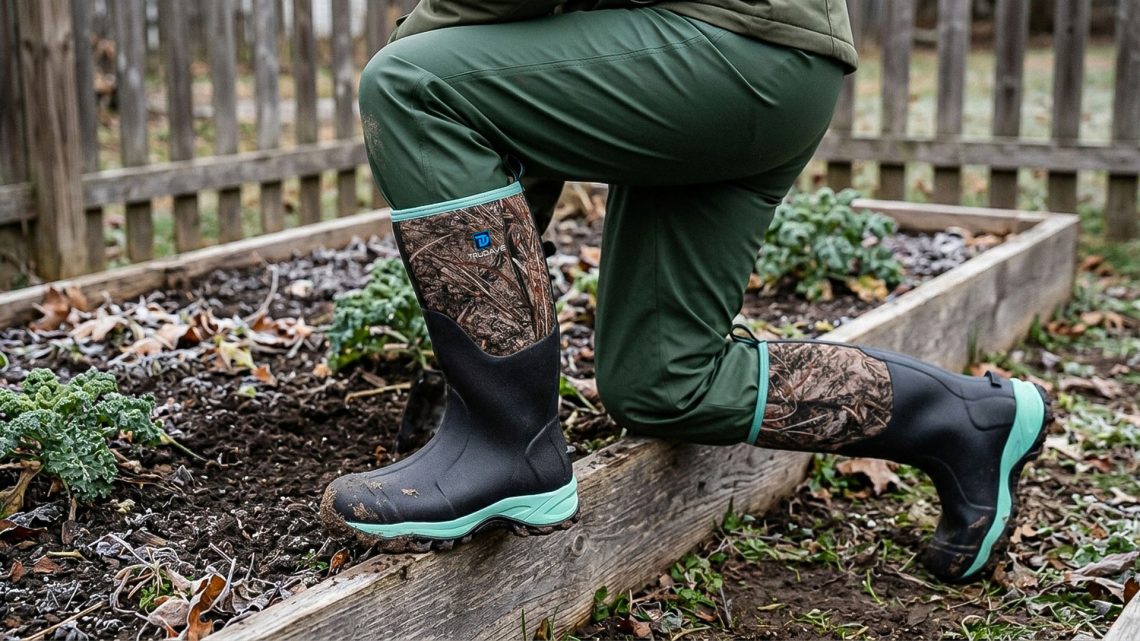
Workers comparing waterproof footwear from brands such as Trudave Gear should choose boots according to the actual combination of muddy goat pasture, kidding barns, milking, feeding, fencing, manure cleanup, machinery, and long daily livestock-care shifts involved in their work.
Frequently Asked Questions
What are the best boots for goat farm work?
The best goat-farm boots are waterproof, securely fitted, comfortable for pasture walking, easy to clean, and equipped with traction suitable for mud, wet grass, manure, gravel, and barn floors.
Are rubber boots good for goat farms?
Yes. Rubber boots are especially useful for muddy pens, kidding barns, manure cleanup, water-trough work, milking areas, and rainy pasture.
What boots are best for kidding season?
Mid-height or mid-calf waterproof boots with easy-clean uppers, flexible construction, secure heel support, and good cushioning are practical.
What boots are best for muddy goat pastures?
Waterproof boots with open tread channels, ankle support, supportive midsoles, and secure heel retention work well.
What boots are best for dairy goat farms?
Waterproof work boots with strong concrete cushioning, easy-clean uppers, moderate hard-floor tread, and enough shaft height for wet milking areas are practical.
Do goat farmers need safety-toe boots?
Some machinery, loading, feed, warehouse, dairy-equipment, and maintenance roles may require protective-toe footwear.
Do goat farm workers need puncture-resistant boots?
Fence repair, nails, wire, and farm-shop work may make puncture-resistant footwear useful.
Are waterproof goat-farm boots suitable for disinfectants?
Not automatically. Workers should verify material compatibility with the specific sanitation or livestock-treatment product used.
What boots are best for goat manure cleanup?
Mid-calf waterproof boots with easy-clean uppers, open tread, strong cushioning, and secure fit are practical.
How should goat farm boots be cleaned?
Remove manure, straw, hay, grass, and mud, clean tread grooves, follow farm sanitation procedures where applicable, and allow footwear to dry completely.
Final Thoughts
Goat farming combines wet pasture, mud, kidding barns, manure, milking, feeding, water systems, fencing, hoof care, livestock handling, machinery, and year-round weather exposure.
The best footwear depends on the worker’s actual role.
General goat farmers need waterproof boots with dependable mixed-terrain traction.
Kidding crews benefit from easy-clean construction and flexible movement.
Pasture workers need lighter footwear with ankle support and long-distance comfort.
Dairy-goat workers need strong concrete cushioning and waterproof easy-clean uppers.
Fence workers may require puncture protection.
Manure and barn-cleaning crews benefit from additional shaft coverage.
Equipment operators require reliable pedal control.
Maintenance technicians may need additional oil, electrical, chemical, puncture, thermal, or other task-specific features.
Trudave Gear offers waterproof outdoor and work footwear suited to wet grass, mud, rain, livestock farming, barn work, milking areas, pasture maintenance, and demanding agricultural environments.
Choosing footwear according to the actual goat-farm task can help workers stay drier, reduce fatigue, maintain better footing, simplify cleanup, and remain more comfortable from the first pre-dawn kidding check to the final wet-pasture herd inspection before dark.


You May Also Like

How to Protect Early Plants from Unexpected Spring Frost
Final Harvest, First Frost: Getting Your Garden Ready for Winter