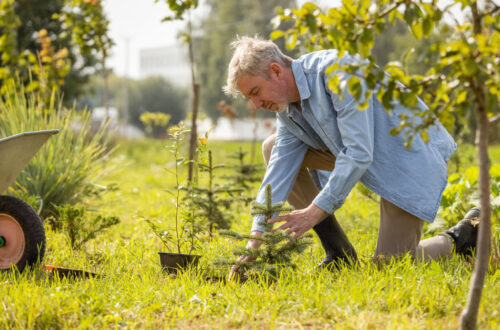
-
Microclimate Gardening: Using Shade and Heat Zones to Your Advantage
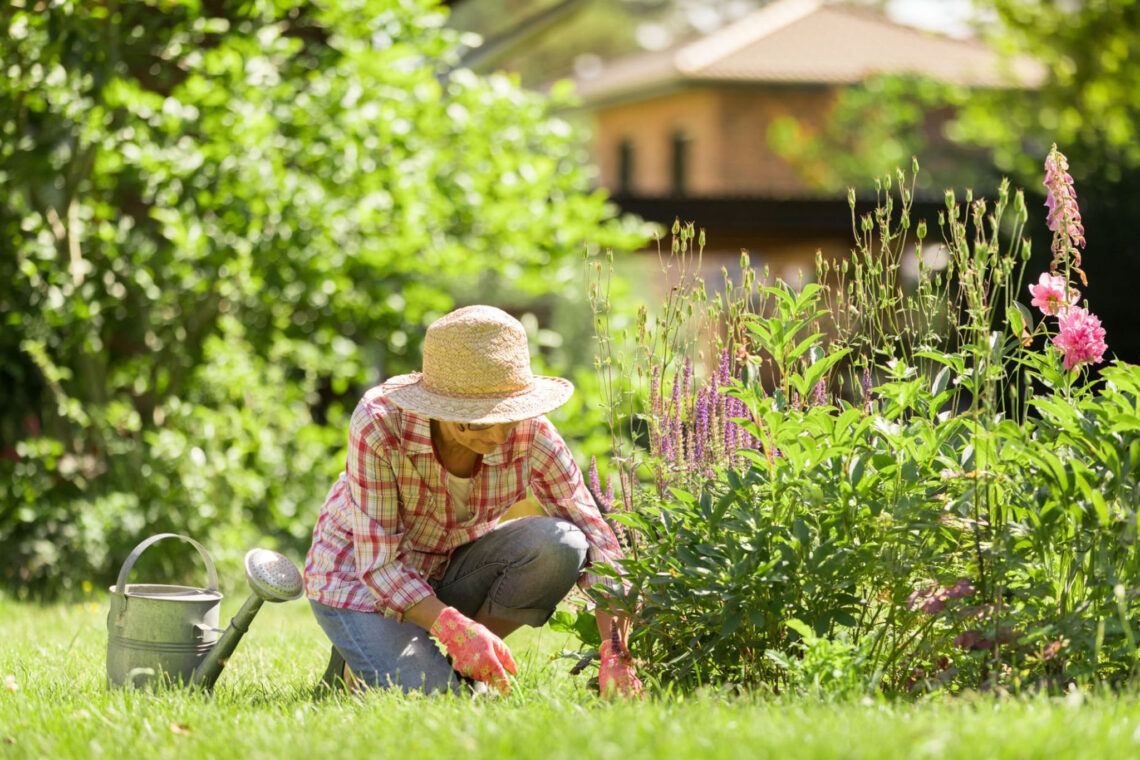
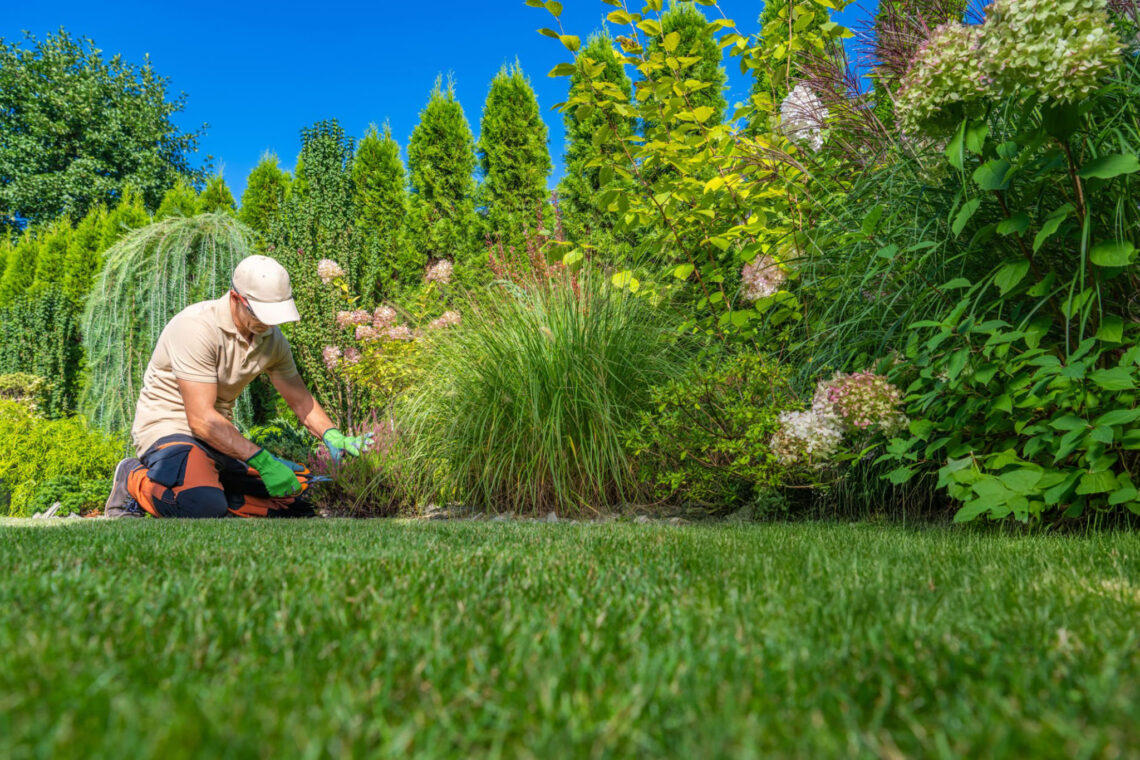
If you’ve ever noticed that one corner of your yard grows faster, stays greener, or produces better yields than the rest—you’ve already discovered the power of microclimates. In early summer across the United States, temperature swings, sun intensity, and moisture levels can vary dramatically even within a small garden. Understanding and managing these microclimates allows you to grow healthier plants, extend your growing season, and dramatically improve productivity—without needing more space or water. This guide breaks down how to identify, create, and use shade and heat zones to your advantage for smarter, more efficient gardening. What Is a Microclimate? A microclimate is a localized climate condition that differs from the…
-
Why Your Plants Stall in Early Summer—and How to Fix It Fast
Every gardener in the United States has experienced it: your garden explodes with growth in spring, everything looks lush and promising—and then suddenly, early summer hits, and your plants just… stall. Leaves stop expanding, flowers slow down, vegetables seem stuck in place. It’s frustrating, especially when you’ve been doing everything “right.” The truth is, this slowdown is extremely common—and usually fixable. Early summer creates a perfect storm of environmental stress that interrupts plant growth. Once you understand the causes, you can correct them quickly and get your garden back on track. What Does “Stalling” Actually Mean? When plants stall, they don’t necessarily die—they just stop progressing. You might notice: This…
You May Also Like
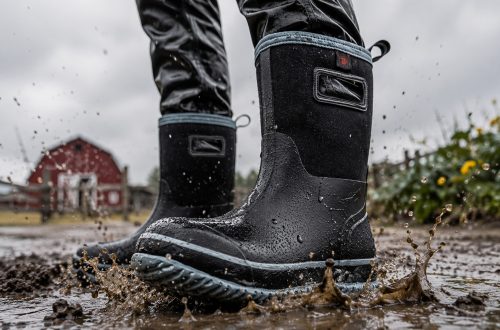
The Rain Boot Blueprint: How to Pick the Perfect Pair for Your Yard, Garden, and Life (Without Breaking the Bank)
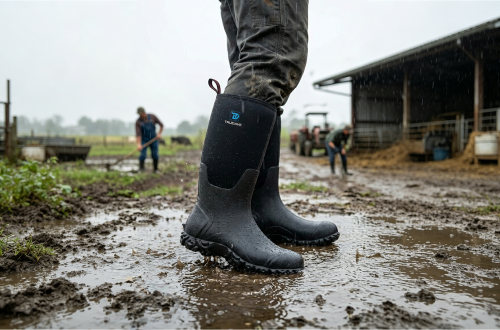
Beyond Puddles: Why Serious Farmers Rely on Trudave Gear Tall Rain Boots for Daily Chores
The 2026 Deck Boot Landscape: Where Trudave Gear Fits Among the Legacy Giants and Why Anglers Are Making the Switch
-
How to Optimize Fencing and Paddock Layout for Efficient Summer Grazing
Efficient summer grazing is essential for maintaining healthy pastures, maximizing forage utilization, and supporting livestock productivity. One of the most overlooked aspects of pasture management is the strategic design of fencing and paddock layout. Properly configured fences and paddocks can reduce overgrazing, prevent soil compaction, and increase forage regrowth, all while making it easier to manage livestock. This guide provides practical tips for optimizing fencing and paddock layouts for summer grazing, specifically for ranchers and farmers in the United States. 1. Understanding the Principles of Efficient Grazing Before designing paddocks and fences, it’s important to grasp the principles behind effective grazing: Tip: Observe pasture growth and adjust paddock rotations based…
-
Maximizing Pasture Growth in Early Summer: Tips for Healthy Grasslands
Early summer is a critical time for pasture management across American ranches and farms. With rising temperatures, longer daylight hours, and fluctuating rainfall, maintaining healthy, productive grasslands is essential for livestock nutrition, soil health, and long-term pasture sustainability. Understanding the interplay of grazing strategies, soil fertility, and water management can help ranchers maximize pasture growth and ensure a lush, resilient forage supply throughout the season. 1. Understanding Grass Growth Patterns in Early Summer Grass growth is highly sensitive to temperature, sunlight, and moisture levels: Tip: Monitor your pasture species and adapt grazing and fertilization schedules according to their growth cycles. 2. Optimizing Soil Fertility Healthy soil is the foundation of…
-
Container Gardening Tips for Small Spaces This Early Summer
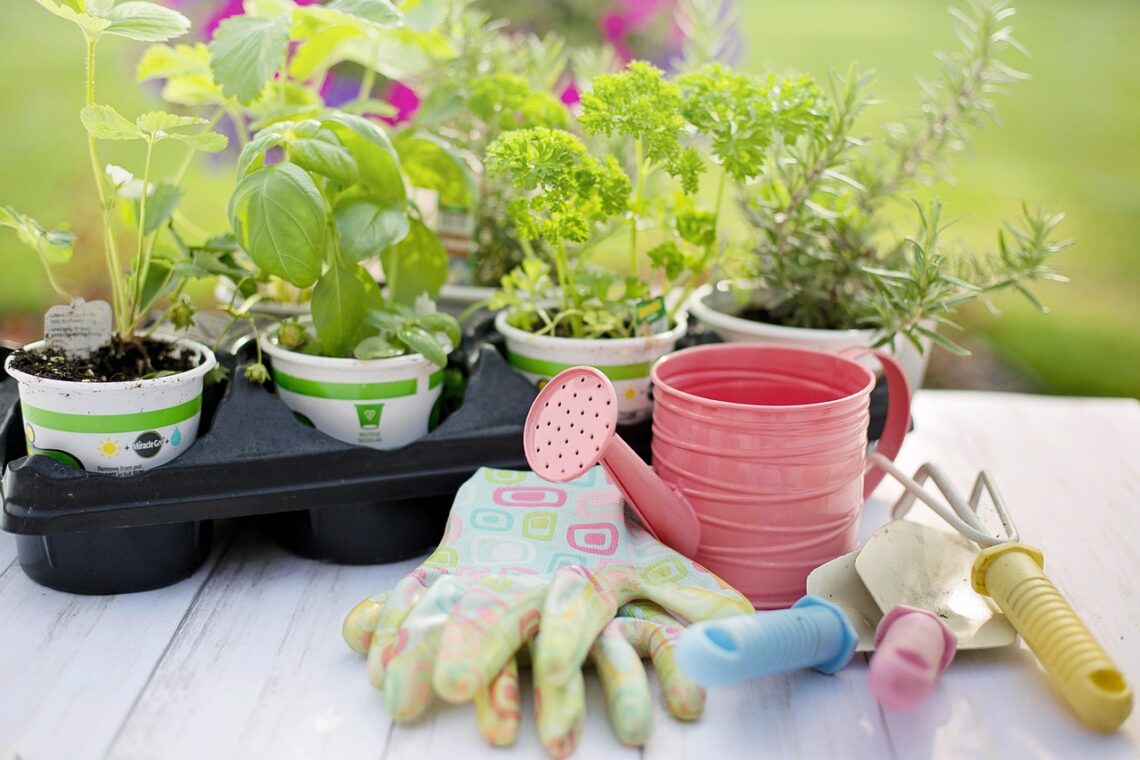
As temperatures rise in early summer, many American gardeners face a challenge: limited space. Whether you live in a city apartment, a small suburban backyard, or a cozy patio, container gardening allows you to grow vegetables, herbs, and flowers without a traditional garden plot. With the right strategies, even the tiniest balcony or deck can become a lush, productive garden. Here’s a comprehensive guide for small-space container gardening this early summer. 1. Choosing the Right Containers The foundation of container gardening is choosing the right containers. Size, material, and drainage are key considerations: Tip: For small spaces, vertical container gardens or stackable planters maximize your growing area without overcrowding your…
-
The Best Companion Plants for Your Summer Garden in 2026
Summer gardening in the U.S. is not just about planting flowers or vegetables; it’s about creating a thriving ecosystem in your backyard. One of the most effective ways to boost growth, deter pests, and improve soil health is through companion planting. By pairing the right plants together, you can maximize your garden’s potential while keeping it sustainable and low-maintenance. In 2026, gardeners across the country are experimenting with innovative combinations that go beyond the traditional garden layouts. Here’s a comprehensive guide to the best companion plants for your summer garden this year. 1. Tomatoes and Basil: A Classic Duo with Modern Benefits Tomatoes remain a summer staple for American gardens,…
-
Hidden Signs of Heat Stress in Garden Plants Before Summer Hits
Meta Description: Learn how to spot early heat stress in your garden before summer arrives. Discover practical tips to protect plants, maintain growth, and ensure a thriving garden during hot weather. Introduction As late spring transitions into early summer, temperatures start climbing, often faster than gardeners realize. Even before the first hot summer days officially arrive, your garden plants may begin showing subtle signs of heat stress. Detecting these early warning signals is crucial for maintaining plant health, avoiding irreversible damage, and ensuring a lush, productive garden. Target SEO Keywords: heat stress in garden plants, early summer gardening, plant care tips, garden protection from heat, late spring garden maintenance 1.…
You May Also Like

Festival Season Ready: The Best Trudave Rain Boots for Music Festivals, Outdoor Weddings, and All-Day Events
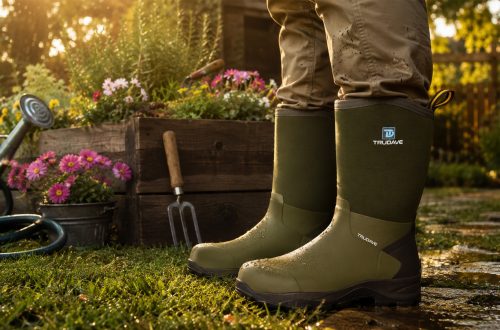
The Ultimate Online Buying Guide: How to Choose the Perfect Trudave Rain Boots Without Leaving Your Couch
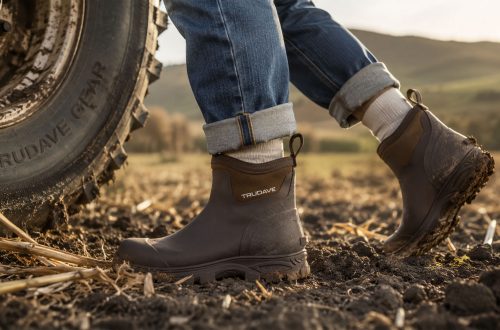
Best Boots for Greenhouse and Plant Nursery Work: A Practical Guide for Wet Floors, Irrigation, and Long Shifts
-
Why Your Lawn Looks Healthy but Soil Life Is Struggling
A lush, green lawn is often a source of pride for American homeowners, but appearances can be deceiving. While your grass may look vibrant, the soil beneath the surface could be struggling, which can lead to long-term problems if left unaddressed. Understanding the hidden dynamics of soil life is critical for maintaining a resilient and productive lawn, especially in the late spring to early summer growing period. 1. What Healthy Soil Life Actually Means Soil is much more than dirt. It is a complex ecosystem made up of: A lawn can look healthy on top while this intricate underground network is weak or declining. Without a thriving soil ecosystem, grass…
-
Why Timing Planting and Transplanting Is Crucial Before Summer Arrives
As late spring transitions into early summer, gardeners across the United States face a critical window for planting and transplanting. What you do now can make or break your garden’s success for the coming months. Planting too early or too late can stress seedlings, reduce yields, and invite pests or diseases. Understanding the science of timing and seasonal cues is essential for maximizing growth and protecting your garden investment. 1. The Role of Soil Temperature Soil temperature is a primary factor that determines whether plants thrive after planting: Checking soil temperature with a probe ensures you’re planting at the optimal moment for each crop. 2. Avoiding Heat Stress Before Summer…
-
Why Your Garden Thrives Above Ground but Struggles Below
Late spring marks a period of rapid growth in North American gardens. Leaves unfurl, flowers bloom, and vegetables shoot upward seemingly overnight. Yet, despite this apparent vitality above ground, gardeners often overlook problems developing below the soil surface. Root systems, soil health, and underground microbial activity all play critical roles in sustaining plant growth, and issues here can silently undermine your garden’s long-term success. 1. The Disconnect Between Above-Ground Growth and Root Health Visible growth can be misleading. Plants may appear lush and vigorous, but their roots may be struggling due to several factors: Healthy foliage doesn’t guarantee a robust root system; what’s happening underground matters just as much, if…