- Uncategorized
Late Summer Garden Tasks That Boost Your Fall Harvest
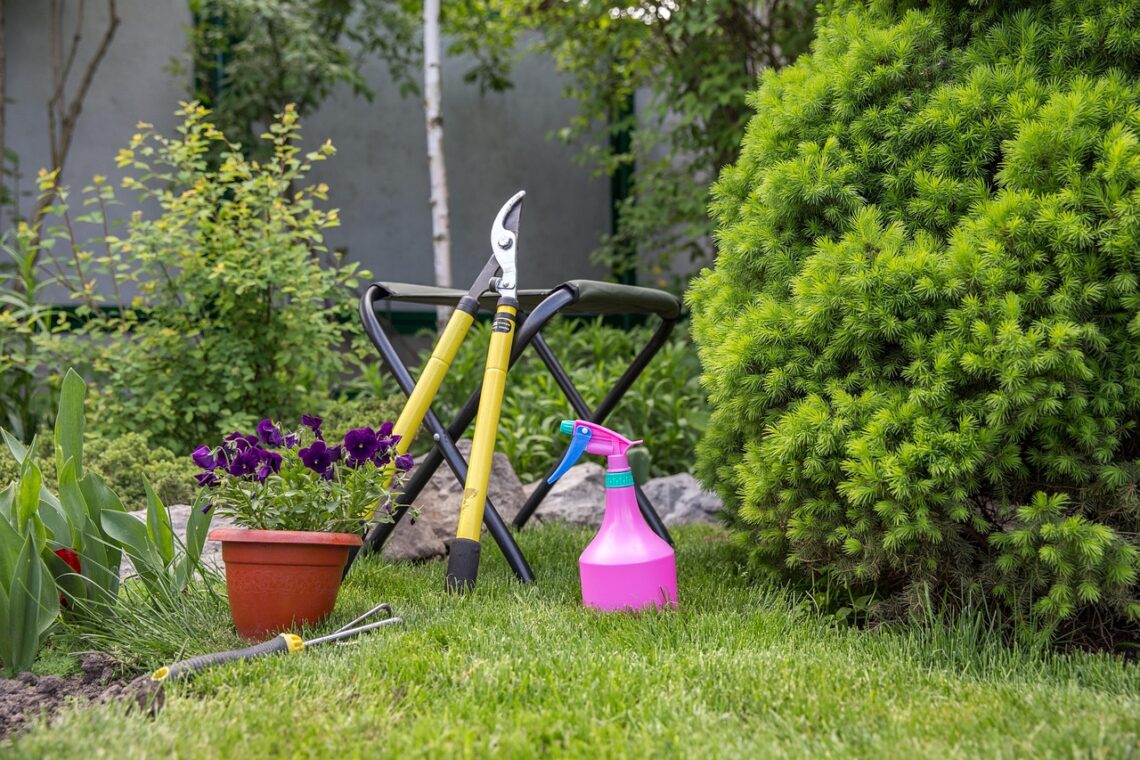
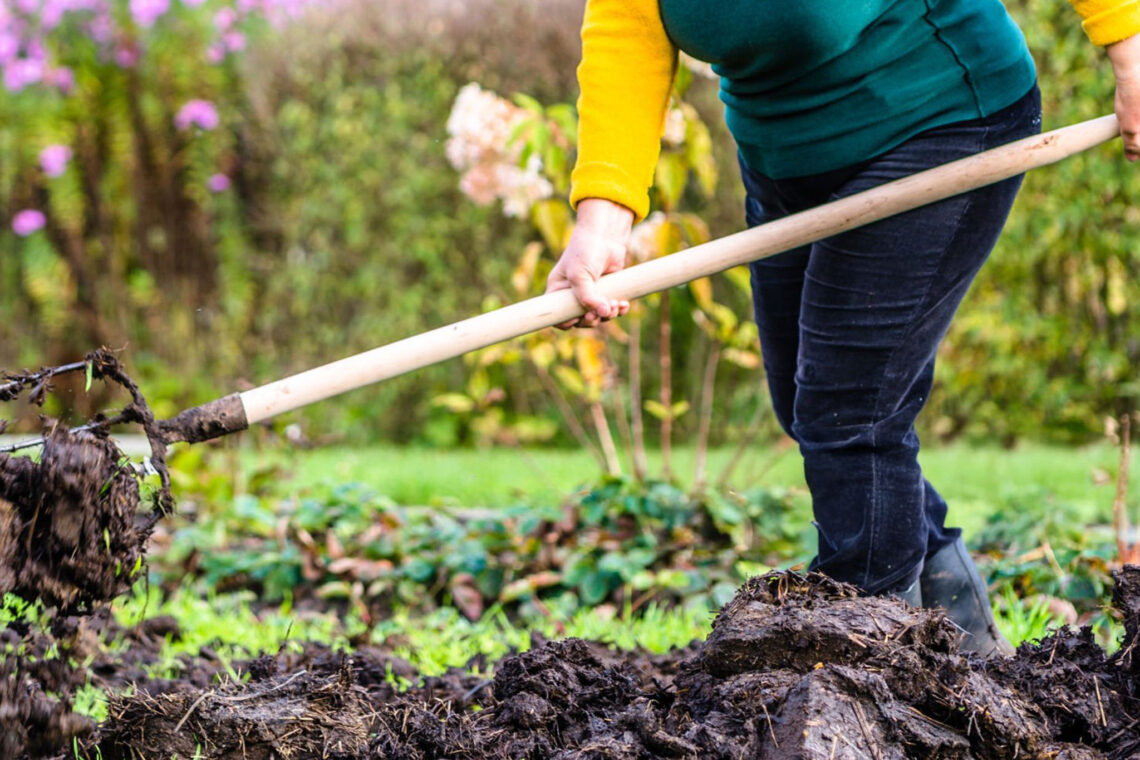
Late summer is the make-or-break moment for gardeners. Your tomatoes are heavy on the vine, the zucchini seems endless, and the days are long and hot. But if your goal is a bountiful fall harvest, now is not the time to step back. Strategic late summer tasks can extend your growing season, refresh tired soil, and keep vegetables, herbs, and flowers thriving well into the cooler months. Here’s a complete guide to late summer garden tasks that will maximize your fall harvest and keep your garden productive until frost. 1. Refresh and Rejuvenate Your Soil After months of summer growth, your soil may be depleted of nutrients. Revitalizing it now…
- Uncategorized
Watering and Mulching Strategies for Dry Late Summer Conditions
Late summer can be one of the most challenging times for gardeners and small-acreage landowners. The heat is relentless, rainfall can be unpredictable, and both vegetable gardens and ornamental landscapes start to show the stress of the season. Dry conditions not only slow plant growth but also make gardens more vulnerable to pests, disease, and nutrient deficiencies. The key to thriving in these hot, dry weeks lies in two fundamentals: smart watering and effective mulching. When done correctly, these strategies conserve water, keep plants healthy, and prepare your garden for the upcoming fall season. Here’s a guide to mastering watering and mulching during dry late summer conditions. 1. Understand Plant…
- Uncategorized
Controlling Weeds and Brush in Late Summer Pastures
Late summer pastures can be a double-edged sword for livestock owners. While warm-season grasses may still provide solid forage, weeds and encroaching brush often thrive under the same conditions. If left unchecked, these unwanted plants compete with your forage, reduce grazing efficiency, and can even harm livestock if toxic species are present. Late summer is a critical window for weed and brush management. Addressing these challenges now not only improves immediate grazing but also sets the stage for a healthier and more productive fall pasture. Here’s a step-by-step guide to controlling weeds and brush in late summer pastures. 1. Understand the Weeds and Brush You’re Facing Effective control starts with…
- Uncategorized
Late Summer Pasture Management: Preparing for a Productive Fall
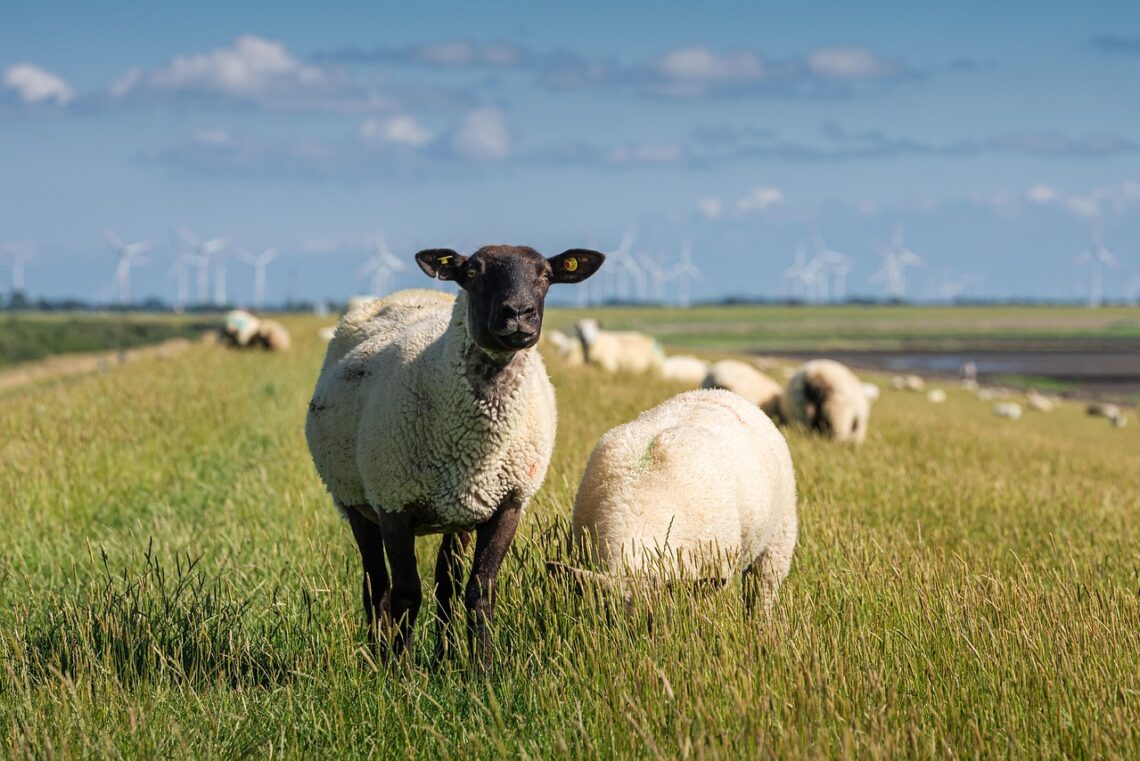
Late summer can be a challenging yet critical time for pasture management. Heat stress, inconsistent rainfall, and overgrazing can all impact the quality of your forage. But with smart planning, late summer can also set the stage for a highly productive fall grazing season. Whether you manage a small acreage for hobby livestock or a large working ranch, understanding how to care for your pasture now can maximize forage quality, improve animal health, and prepare your land for the coming months. Here’s a complete guide to late summer pasture management for a thriving fall season. 1. Assess Your Current Pasture Condition Before taking action, evaluate the state of your forage…
- Uncategorized
Creating a Fall Wildlife-Friendly Garden in Your Backyard
As the vibrant colors of summer fade into the warm hues of fall, your backyard offers a perfect opportunity to support local wildlife while enjoying the beauty of the season. Creating a fall wildlife-friendly garden not only benefits birds, butterflies, bees, and other critters preparing for winter but also enhances your outdoor space with natural charm and activity. Whether you have a sprawling yard or a modest garden, this guide will help you design and maintain a backyard habitat that welcomes and sustains wildlife throughout the fall and beyond. Why Create a Wildlife-Friendly Garden in Fall? Fall is a critical time for many species as they gather food, find shelter,…
- Uncategorized
Preparing Your Lawn for the Fall: Aeration and Fertilization Tips
As summer fades and fall approaches, it’s time to start thinking about preparing your lawn for the cooler months ahead. Fall is a crucial season for lawn care because it sets the foundation for a healthy, lush yard next spring. Two key tasks that every homeowner should focus on are aeration and fertilization. When done properly, these practices improve soil health, promote strong root growth, and help your lawn recover from summer stress. Here’s a comprehensive guide to preparing your lawn for fall with expert aeration and fertilization tips. Why Fall Lawn Care Matters During the fall, grass plants enter a period of active root growth while above-ground growth slows…
- Uncategorized
How to Extend Your Growing Season Into Fall and Beyond
For passionate gardeners, the end of summer doesn’t have to mean the end of fresh, homegrown produce and vibrant blooms. With smart planning and the right techniques, you can extend your growing season well into fall—and even winter in some climates. Extending your garden’s productive period not only maximizes your harvest but also helps you get the most out of your gardening efforts year-round. In this guide, we’ll explore practical, proven strategies to stretch your growing season into fall and beyond, ensuring a thriving garden when others are already putting tools away. Understanding the Growing Season and Its Limits Your local climate and frost dates largely determine your natural growing…
- Uncategorized
Late Summer Garden Care: How to Prepare Your Plants for Fall
As summer winds down and the days begin to shorten, late summer is a crucial time for gardeners preparing their plants for the upcoming fall season. Proper care now can ensure your garden remains healthy, vibrant, and productive well into cooler months. Whether you’re nurturing flowers, vegetables, or herbs, adjusting your gardening routine during late summer helps plants transition smoothly and build resilience against changing weather. Here’s a comprehensive guide on how to care for your garden in late summer and prepare your plants for a successful fall. 1. Assess and Prune Your Plants Late summer is an excellent time to inspect your garden for any damaged, diseased, or overgrown…
- Uncategorized
5 Common Mistakes New Homesteaders Make (and How to Avoid Them)
Starting a homestead is a dream for many people who crave self-sufficiency, a connection to nature, and a slower, more meaningful lifestyle. But as exciting as it sounds, homesteading isn’t as simple as planting a few seeds and raising a couple of chickens. Many new homesteaders dive in headfirst, only to find themselves overwhelmed, frustrated, or facing costly setbacks. If you’re planning to start—or just started—your homesteading journey, learning from common beginner mistakes can save you time, money, and heartache. Here are five of the most common mistakes new homesteaders make and how to avoid them. 1. Starting Too Big, Too Fast The mistake:New homesteaders are often full of enthusiasm…
- Uncategorized
Wildlife and Livestock: Creating a Balance on Your Ranch
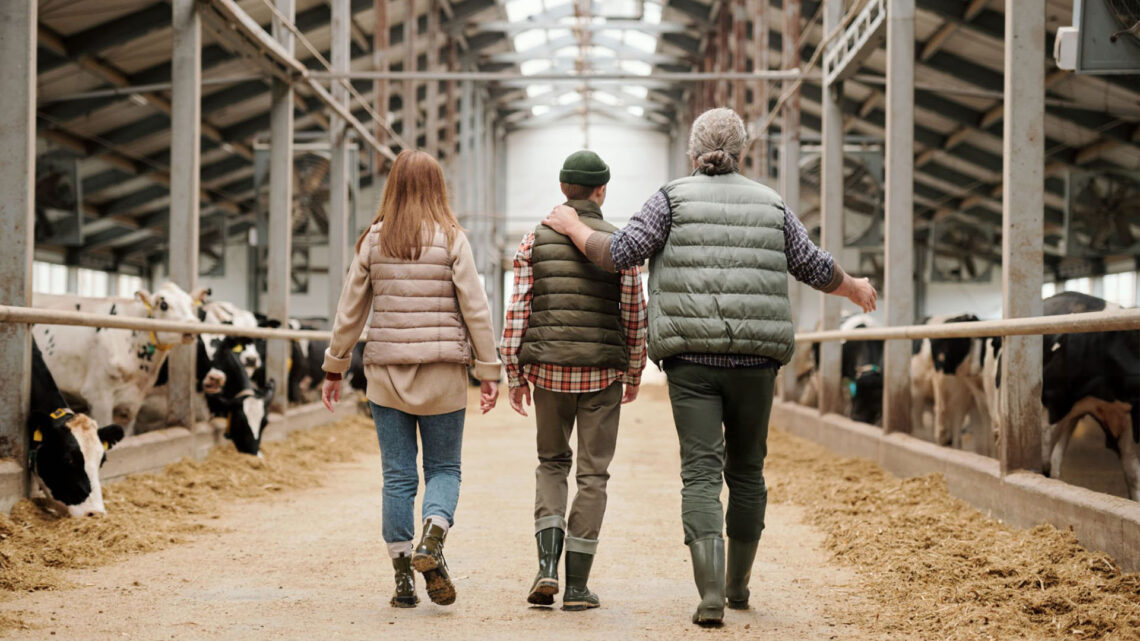
Managing a ranch is more than just raising healthy cattle, sheep, or horses—it’s about managing the land as a whole. Across the U.S., ranchers are recognizing that balancing livestock with local wildlife not only supports the environment but also leads to long-term ranch success. Whether your property spans 50 acres or 5,000, understanding how to create a symbiotic relationship between livestock and wildlife can improve pasture health, reduce conflicts, and contribute to sustainable ranching. 1. Why Wildlife Matters on a Working Ranch Wildlife isn’t just a scenic addition to your ranch. Local species—from deer and wild turkeys to songbirds and pollinators—play a key role in the ecosystem. When managed correctly,…