Winterizing the Ranch: Preparing Livestock, Fences, and Feed the Right Way
When the days grow shorter and the cold wind begins to sweep across open pastures, ranchers know that winter isn’t just coming—it’s here to test every bit of preparation and grit you’ve built through the year. Winterizing your ranch isn’t a one-day job; it’s a seasonal commitment that protects your animals, your land, and your livelihood. From maintaining strong fences to ensuring your livestock are warm and well-fed, getting ready for the freeze is about foresight, routine, and doing the small things right.
1. Livestock Comfort: Warmth, Shelter, and Health Checks
When temperatures plummet, livestock care shifts from daily routine to survival readiness. The first step is shelter—not fancy, but functional. Every animal needs a dry, wind-blocked space where they can escape from freezing rain or sleet. For cattle, this might mean a three-sided shed positioned away from prevailing winds. For horses, ensure their stalls are clean and bedded deep with straw or shavings for insulation.
Ventilation is just as important as warmth. A barn sealed too tight traps moisture, leading to respiratory issues and frost accumulation. The ideal setup allows airflow without drafts.
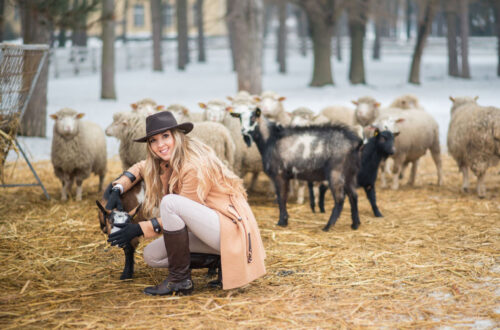
Winter is also the time to double down on health checks. Make sure all vaccinations are up to date, deworming schedules are maintained, and hooves are trimmed before the ground hardens. For smaller livestock—like goats or chickens—add extra bedding layers and draft guards around coops and pens.
Tip: Keep a livestock first-aid kit handy, stocked with electrolyte supplements, wound sprays, and thermometers. In freezing temperatures, even minor health issues can escalate fast.
2. Feed Planning: Building a Winter Reserve
When grass goes dormant, your animals still need calories to stay warm. That means careful feed management becomes essential. A good rule of thumb: plan for 20–25% more hay than your typical use. Cold weather increases caloric demand, and unpredictable storms can delay deliveries or limit access to pastures.
Inspect every bale before storing—wet or moldy hay can lead to respiratory problems or spoilage. Stack your bales off the ground, ideally on pallets, with a tarp or roof cover to prevent moisture buildup.
If you feed grain or supplements, store them in sealed bins to prevent rodents and moisture infiltration. And don’t forget mineral blocks—especially high-selenium and salt blocks—to help animals maintain hydration and nutrient balance.
Water, though often overlooked, is critical. Frozen troughs can quickly lead to dehydration and feed refusal. Install heated buckets or automatic de-icers, and check them twice daily to ensure they’re functioning.
3. Fences and Infrastructure: Strong Lines Before the Snow
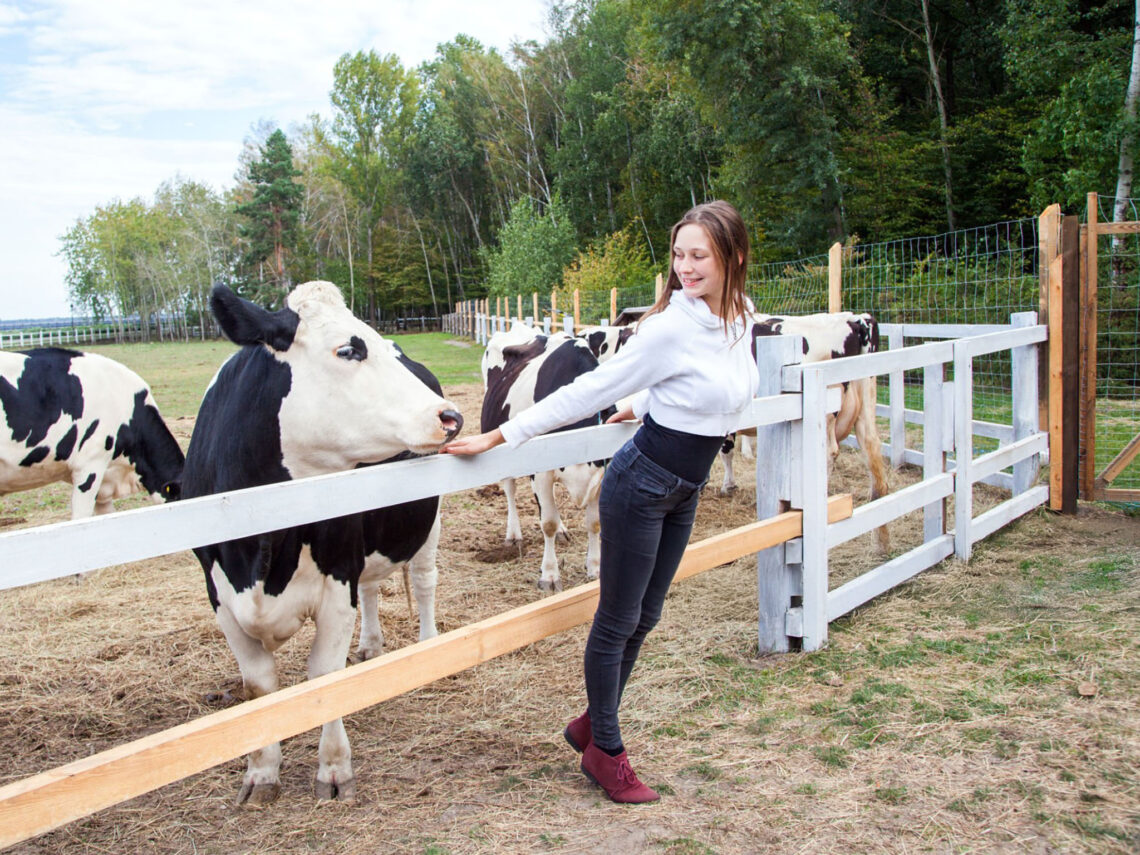
Before winter storms hit, take a walk—literally—around your fence lines. Check for loose wires, leaning posts, and rusted connections. Snow and ice add weight and pressure, so even a small weakness can turn into a full break when a blizzard rolls through.
Electric fences require special attention. Test voltage output, and ensure your grounding rods are deep and protected. If you live in an area with heavy snow accumulation, consider raising the bottom wire to prevent grounding out on ice buildup.
Gates should swing freely and latch properly. Lubricate hinges with a winter-grade oil to prevent freezing. Gravel or crushed stone near gateways will help reduce mud and ice patches once thawing begins.
Inside barns and outbuildings, inspect the rooflines and gutters for blockages or weak points. Clear debris and leaves to prevent ice dams from forming. If you store hay or tools in lofts, check that load-bearing beams are secure and free from rot.
4. Equipment and Power: Keep It Running in the Cold
Winter doesn’t just challenge your livestock—it also puts your equipment through its paces. Tractors, generators, and ATVs all need a cold-weather tune-up. Change oil to a winter-grade viscosity, top off antifreeze, and test batteries for charge retention.
If you rely on generators for power outages, run a test cycle before the season begins and store extra fuel safely away from buildings. In remote areas, consider installing solar-powered lights for barns and pathways; they’re reliable, cost-efficient, and safer than running cords across icy ground.
Keep shovels, chains, and tow straps accessible—you’ll thank yourself when the first deep freeze hits.
5. Planning Ahead: Make Winter Work for You
Smart ranchers use winter downtime to look ahead. Keep a maintenance log, noting how much hay was used, what repairs held up, and where you struggled. Come spring, that data helps fine-tune next year’s prep.
If possible, rotate livestock through smaller paddocks near the barn during the harshest stretches. It saves energy for both you and your animals and reduces fence wear across larger pastures.
Lastly, don’t underestimate morale—for you and your crew. A thermos of coffee, dry gloves, and a sense of humor go a long way when chores turn icy.
Final Thoughts
Winterizing your ranch isn’t just about surviving the cold—it’s about setting your operation up to thrive through it. Every bale stacked, every hinge oiled, and every shelter reinforced adds up to a smoother, safer season. Preparation doesn’t remove the challenges of winter, but it gives you the confidence to face them head-on.
With the right systems in place, your livestock stay healthy, your fences hold strong, and your feed lasts through the frost—proof that a well-run ranch doesn’t sleep, even when the land lies quiet under snow.


You May Also Like
Fall Fence Check: Simple Maintenance Steps Before Snow Arrives
Early Pasture Sampling: Knowing When Forage Is Nutritious Enough