-
Cover Crop Cleanup: Managing Green Manure Before the Freeze
As the days shorten and frost begins to settle across the fields, many growers are thinking about winding down for the season. But for those who’ve sown cover crops—rye, vetch, clover, or peas—the real work isn’t quite finished yet. Managing green manure before the freeze sets in can make the difference between soil that’s thriving come spring and ground that’s sluggish or compacted. Late fall is the moment to close the loop—to turn your green cover into long-term fertility. Properly handled, these plants become the foundation for a healthier, more resilient soil system once the cold months pass. 1. Understanding the Role of Cover Crops Cover crops are more than…
-
Garden Tool TLC: Winter Maintenance That Extends Lifespa
When the last of the harvest is stored and frost hardens the soil, many gardeners hang up their gloves and call it a season. But true garden care doesn’t stop when the growing does—it simply shifts focus. Winter is the perfect time to give your garden tools the care and attention they deserve. A bit of maintenance now not only keeps rust and wear at bay but also ensures your tools are ready to perform at their best once spring rolls around. This is your off-season opportunity to make sure every blade, handle, and hinge survives the cold and comes back stronger. 1. Why Winter Maintenance Matters Garden tools endure…
-
Lighting Up the Long Nights: Power Solutions for Remote Barns
When winter settles in and daylight fades early, a well-lit barn becomes more than a convenience—it’s a necessity. Whether you’re checking livestock at 5 a.m., repairing equipment after dark, or keeping waterers from freezing, reliable lighting and power make ranch life safer and more efficient. Yet for remote barns located far from the main power grid, finding the right energy solution takes planning, creativity, and a bit of modern technology. In this article, we’ll break down smart, practical ways to keep your barns bright and powered through long nights—without draining your wallet or depending solely on the grid. 1. Why Barn Lighting Matters More in Winter Shorter days and longer…
-
Hoof Health in the Freeze: Preventing Cracks, Ice, and Slips
When winter locks the ground in ice and snow, a rancher’s focus naturally turns toward keeping livestock warm and well-fed. But there’s one often-overlooked detail that can make or break the season—hoof health. Cold, wet conditions can wreak havoc on hooves, leading to cracking, bruising, and dangerous slips. Taking a proactive approach to hoof care during the freeze not only protects your animals’ comfort but also keeps your operation running smoothly through the harshest months. 1. The Hidden Toll of Winter on Hooves Hooves, much like human nails, expand and contract with moisture and temperature changes. When animals stand on frozen, uneven, or icy surfaces for extended periods, the constant…
-
Seed Sorting Season: Planning Your Early Spring Garden Now
As winter sets in and your garden beds rest beneath a layer of frost, it’s easy to think the growing season is long gone. But for serious gardeners, winter isn’t downtime—it’s prep time. Early planning, seed organization, and a thoughtful planting strategy can mean the difference between a rushed, stressful spring and a smooth, abundant one. Welcome to seed sorting season—the perfect window to plan, dream, and prepare your early spring garden before the thaw. 1. Why Winter Is the Best Time to Plan Your Garden Winter might seem like the quiet season, but that’s exactly what makes it so valuable for planning. Without the daily demands of watering, weeding,…
-
Frost Guardians: Simple Ways to Protect Late Crops from Cold Snaps
When autumn’s warmth fades and the first frost settles across the field, many gardeners and small-scale farmers face the same challenge—how to protect those final crops that aren’t quite ready for harvest. A sudden cold snap can undo months of work in a single night, leaving leaves wilted and produce ruined. But with a little preparation, you can shield your late-season vegetables from freezing temperatures and stretch your growing season well into winter. This guide breaks down practical, proven strategies to keep your crops safe when the mercury drops—no greenhouses or high-end equipment required. 1. Know Your Frost Forecast: Timing Is Everything The first line of defense against frost is…
-
Frost-Proof Fencing: How to Maintain Lines Through the Deep Freeze
When the frost sets in and the ground locks up, even the best-built fences face their toughest test. Freezing temperatures, heaving soil, and heavy snow can bend posts, snap wires, and create costly spring repairs. For ranchers and homesteaders, winter fence maintenance isn’t optional—it’s essential for keeping livestock safe and property boundaries intact. With some preparation and smart upkeep, you can keep your fences standing strong all winter long. 1. Understand How Frost Affects Fencing Cold weather challenges fencing in ways that warm seasons never do. When soil freezes, it expands—a process called frost heave—and that movement can lift posts right out of the ground. Repeated freeze-thaw cycles add stress,…
-
Feeding Smarter: Winter Nutrition Strategies for Cold-Hardy Cattle
When winter settles across the pasture, every rancher faces the same test — how to keep cattle healthy, productive, and well-fed when the grass is gone and the mercury drops. Feeding cattle in winter isn’t just about providing more hay. It’s about understanding energy needs, adjusting rations smartly, and ensuring your herd’s digestive system keeps working efficiently through the coldest months. Understanding Energy Demands in Cold Weather Cold weather changes everything. A cow that maintains body weight comfortably at 40°F will start burning extra calories as temperatures dip below freezing. Every 10°F drop below a cow’s lower critical temperature (around 20°F for a dry cow with a thick coat) increases…
-
Late Fall Pruning: Setting Trees and Shrubs Up for Spring
As the last leaves drift from the trees and the garden quiets for winter, many gardeners overlook a crucial task: late fall pruning. This seasonal practice isn’t just about aesthetics—it’s a strategic way to boost plant health, prevent disease, and set trees and shrubs up for vigorous spring growth. With the right approach, pruning in late fall can save you time, reduce stress on plants, and improve your landscape’s long-term vitality. Why Late Fall Is the Perfect Time Pruning in late fall, after most leaves have dropped but before the ground freezes, offers several advantages: Tools and Techniques for Effective Fall Pruning Essential Tools Pruning Principles Tree-Specific Tips Shrub-Specific Tips…
-
Mulch Mastery: Locking in Soil Heat for Early Spring Planting
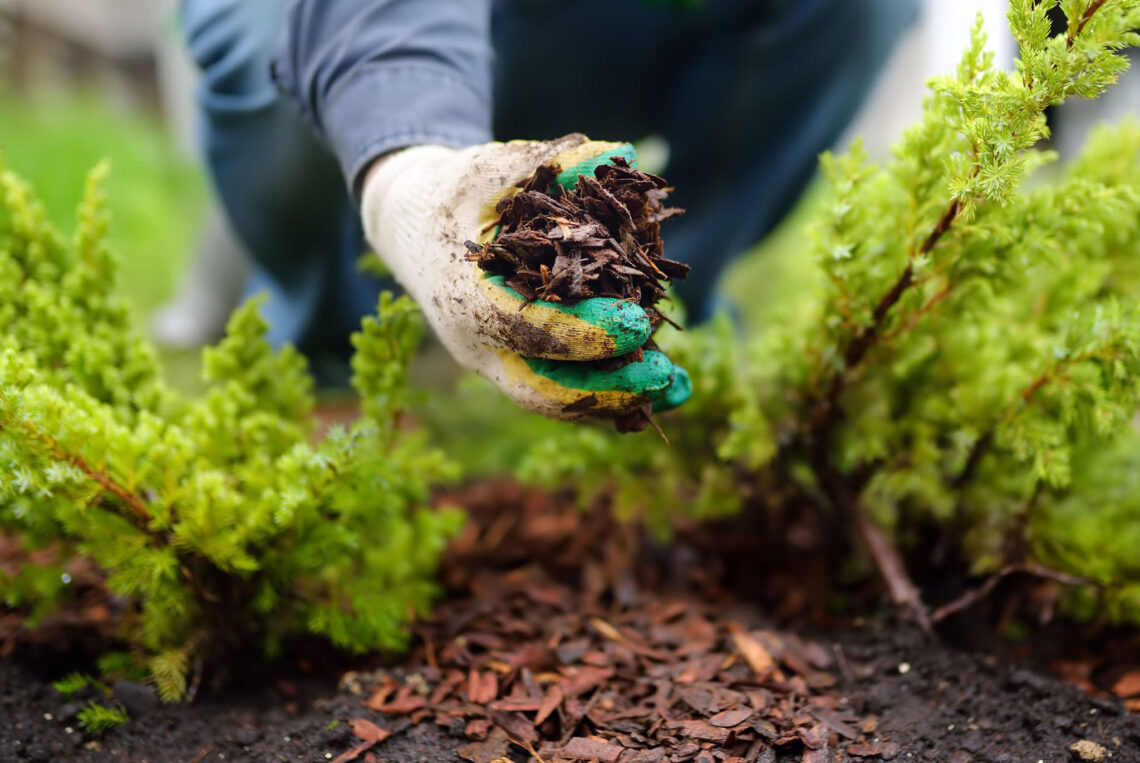
As winter winds blow and temperatures drop, gardeners often worry that their soil will remain too cold for early spring planting. The secret to getting a head start on the growing season lies in effective mulching. With the right mulch strategies, you can retain soil heat, prevent moisture loss, and protect root systems, giving your plants a strong foundation for spring growth. Why Mulch Matters in Late Winter Mulch is more than just a tidy garden cover. In cold months, it serves several critical purposes: Choosing the Right Mulch Different mulch types offer different benefits for winter and early spring: Tip: Layer Wisely Aim for a 2–4 inch layer of…