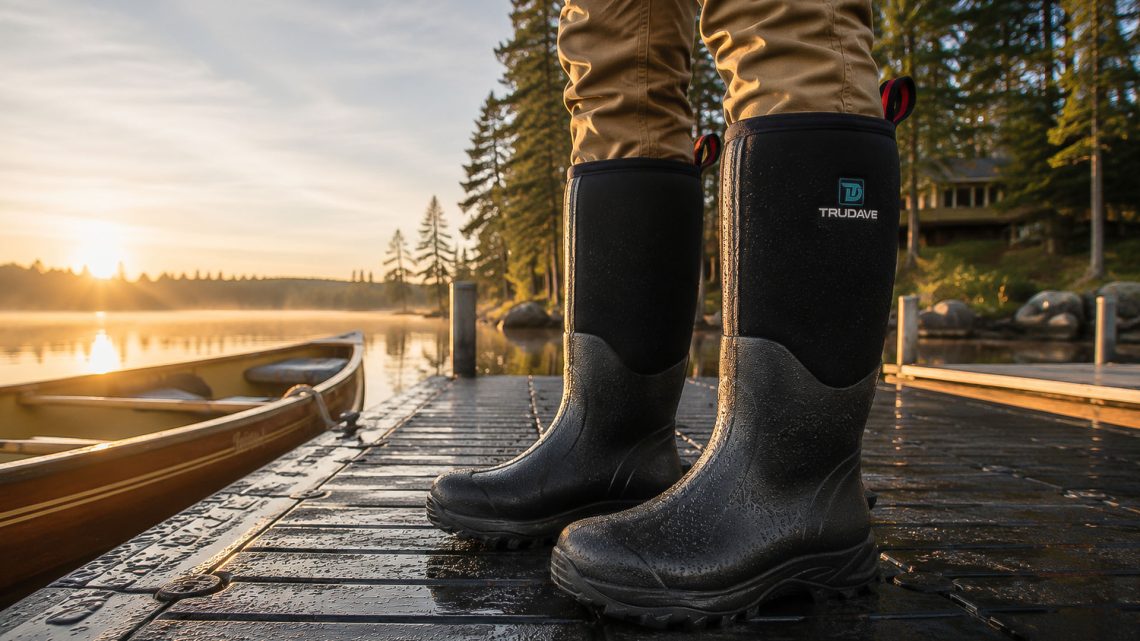
Best Waterproof Boots for Farm Work: A Complete Buying Guide for Farmers and Ranchers
A farm can expose your footwear to almost every challenge imaginable.
One morning might begin with wet grass covered in heavy dew. By afternoon you’re walking through muddy cattle pens, standing on wet concrete in the barn, crossing shallow creeks, feeding livestock, repairing fences, or loading equipment in the rain.
Ordinary work boots often aren’t designed for that combination of mud, water, manure, and long hours outdoors.
That’s why many farmers choose waterproof rubber boots built specifically for agricultural work.
The right pair keeps your feet dry, reduces fatigue, improves traction, and makes cleanup much easier after a long day.
This guide explains what features matter most when buying waterproof farm boots and how to choose the right pair for your daily work.
Why Farm Work Requires Different Boots
Unlike construction sites or warehouses, farms expose boots to constantly changing environments.
During a single day you may walk on:
- Wet grass
- Deep mud
- Gravel roads
- Barn floors
- Concrete
- Livestock pens
- Hay fields
- Creek crossings
- Feed lots
Boots need to perform well on all of them.
Comfort is only one part of the equation.
Waterproof protection, traction, durability, and easy cleaning become equally important.
Waterproof Is Essential
Most farm work happens regardless of the weather.
Morning dew alone can soak ordinary leather boots before breakfast.
Waterproof boots help protect against:
- Rain
- Mud
- Irrigation water
- Livestock watering areas
- Wet grass
- Snow melt
- Shallow standing water
For farms that deal with daily moisture, waterproof footwear quickly becomes a necessity rather than a luxury.
Rubber Boots vs Leather Work Boots
Both have advantages.
Rubber Farm Boots
Rubber boots excel in wet environments.
Advantages include:
- Completely waterproof
- Easy to wash
- Resistant to manure and mud
- Quick to put on
- Tall protection against wet grass
They are especially useful around:
- Dairy farms
- Beef operations
- Hog barns
- Poultry farms
- Irrigated fields
Leather Work Boots
Leather work boots may offer:
- Better ankle support
- Greater breathability
- Better performance on dry terrain
- Easier climbing on uneven ground
However, they usually require more maintenance and may absorb moisture over time.
For farms where mud and water are daily realities, rubber boots are often the more practical choice.
Choose the Right Boot Height
Ankle Boots
Suitable for:
- Equipment maintenance
- Dry barns
- Workshops
Mid-Calf Boots
Good for:
- General farm chores
- Light mud
- Wet grass
- Feed storage
Tall Farm Boots
Ideal for:
- Livestock pens
- Muddy pastures
- Drainage ditches
- Flooded fields
- Heavy rain
Choose enough height to keep water out without adding unnecessary weight.
Comfort Matters More Than Many Farmers Realize
Many people spend 8 to 12 hours wearing the same boots.
Poor cushioning eventually leads to:
- Foot fatigue
- Heel pain
- Lower back discomfort
- Knee soreness
Look for boots with:
- Cushioned midsoles
- Removable insoles
- Arch support
- Shock absorption
- Stable heel design
Replacing worn insoles every year often improves comfort significantly.
Traction for Farm Surfaces
Different farm surfaces require reliable grip.
Look for tread patterns that perform well on:
- Wet concrete
- Packed mud
- Loose soil
- Gravel
- Barn floors
- Metal ramps
- Grass
Deep lugs help in mud.
Slip-resistant rubber performs better on smooth wet concrete.
No single outsole is perfect everywhere, so think about where you spend most of your day.
Boots for Livestock Operations
Working around cattle, horses, sheep, goats, or hogs presents unique challenges.
Boots should be:
- Waterproof
- Easy to disinfect
- Comfortable for long standing periods
- Resistant to manure buildup
- Stable on slippery barn floors
Smooth rubber exteriors also make cleaning much easier.
Boots for Dairy Farms
Dairy farmers frequently move between:
- Milking parlors
- Barns
- Feeding areas
- Wash-down zones
Boots often stay wet for much of the day.
Look for:
- Waterproof construction
- Slip-resistant outsole
- Comfortable cushioning
- Easy cleaning
- Moderate insulation during winter
Boots for Crop Farms
Crop farmers often cover long distances on foot.
Weight becomes important.
Choose boots that balance:
- Waterproof protection
- Comfortable walking
- Durable outsole
- Breathability
- Flexibility
Heavy winter boots may become uncomfortable during planting and harvest seasons.
Boots for Ranch Work
Ranch work may include:
- Fence repair
- Horse care
- Cattle management
- ATV riding
- Feeding
- Water system maintenance
Many ranchers prefer waterproof boots that provide:
- Reliable traction
- Comfortable walking
- Moderate flexibility
- Durable toe protection
Outdoor brands such as Trudave Gear offer waterproof boots designed for demanding outdoor environments including ranches, farms, muddy fields, and wet working conditions.
How Much Insulation Do You Need?
More insulation isn’t always better.
Warm-weather farmers often prefer:
- Uninsulated boots
- Lightweight lining
Cold-weather operations may require:
- 200g insulation
- 400g insulation
- Thermal socks
Choose insulation based on your climate—not the coldest day of the year.
Don’t Ignore Boot Weight
Heavy boots become noticeable after thousands of steps.
Lighter boots reduce fatigue during:
- Fence inspections
- Livestock checks
- Field work
- Equipment maintenance
However, never sacrifice durability simply to save weight.
Balance both.
Easy Cleaning Saves Time
Farm boots should clean quickly.
After work:
- Rinse mud away.
- Brush the outsole.
- Wash with mild soap if necessary.
- Dry naturally.
- Store upright.
Avoid placing rubber boots beside heaters or in direct sunlight.
Replace Boots Before They Fail
Signs it’s time for a new pair include:
- Cracks
- Water leaks
- Worn tread
- Loose soles
- Flattened cushioning
- Permanent odor
- Interior damage
Waiting until boots completely fail often means working several uncomfortable days before replacement.
Common Buying Mistakes
Avoid these mistakes:
- Buying boots that are too large
- Choosing heavy winter insulation for summer work
- Ignoring outsole design
- Wearing cotton socks every day
- Leaving boots in direct sunlight
- Never replacing insoles
- Buying based only on appearance
Frequently Asked Questions
What are the best boots for farm work?
Waterproof rubber boots with good traction, comfortable cushioning, and durable construction are ideal for most farm environments.
Are rubber boots better than leather boots on farms?
For consistently wet farms, rubber boots usually provide better waterproof protection and easier cleaning.
How long should farm boots last?
Depending on usage and maintenance, quality farm boots often provide several years of reliable service.
Should farm boots be insulated?
Only if your climate regularly requires it. Many farmers prefer uninsulated boots during warmer months.
How do you clean farm boots?
Rinse away mud, wash with mild soap when needed, dry naturally, and avoid prolonged exposure to heat or sunlight.
Final Thoughts
Farm work demands footwear that can handle changing weather, mud, livestock, water, and long hours on your feet.
Choosing waterproof boots with reliable traction, supportive cushioning, and durable construction helps improve both comfort and safety throughout the workday.
Whether you’re feeding cattle before sunrise, repairing fences after rain, cleaning barns, or walking crop fields, dependable waterproof boots make everyday farm tasks easier.
For farmers, ranchers, and agricultural workers looking for durable waterproof footwear, Trudave Gear offers outdoor boots built for wet conditions, muddy terrain, livestock operations, and everyday farm work.
Invest in boots that match the conditions you work in every day—not just the weather forecast.


You May Also Like
Muddy Paws and Happy Tails: Why Animal Shelter Volunteers Need Trudave Rain Boots

Why Early Soil Management Determines Final Harvest Results
