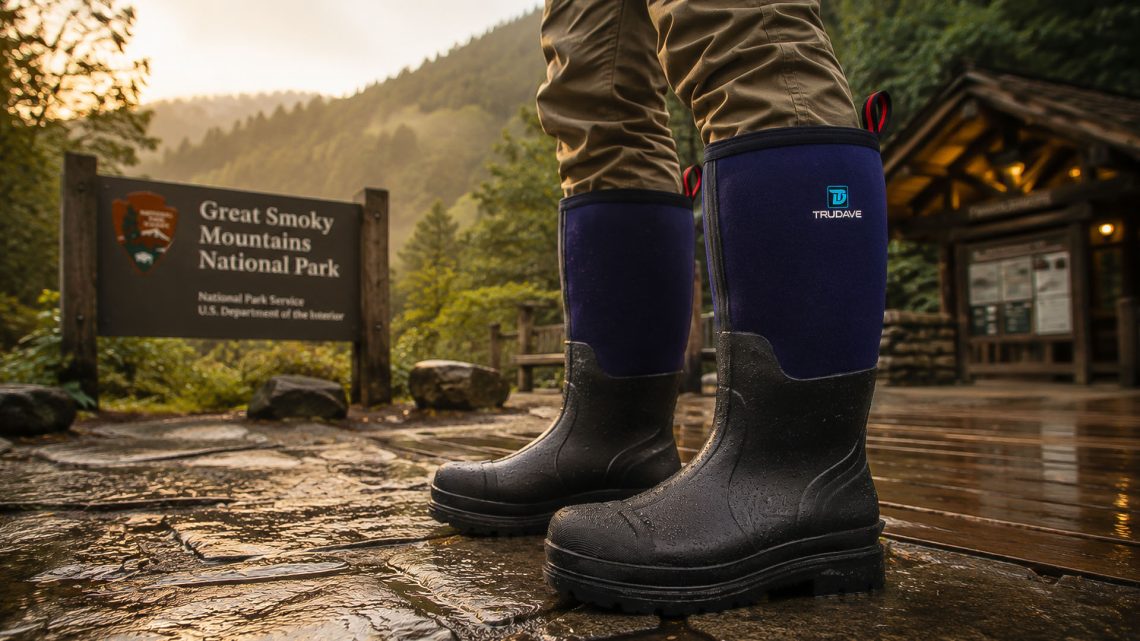
What to Wear Turkey Hunting in the Rain: A Complete Wet-Weather Gear Guide
Spring turkey season rarely delivers perfect weather every day.
One morning may be cool and clear. The next may bring steady rain, wet grass, muddy access roads, and temperatures that feel much colder than the forecast suggests.
Rain does not necessarily end a turkey hunt.
In some situations, wet weather can create useful opportunities. Turkeys may move toward open fields, logging roads, pastures, or other areas where they can see more clearly and avoid brushing against soaked vegetation.
However, hunting effectively in the rain requires the right clothing and footwear.
Ordinary outdoor clothing can become heavy, noisy, and uncomfortable when wet. Poorly chosen boots may leave your feet cold, cause blisters, or lose traction on muddy slopes. Heavy waterproof layers may keep rain out but trap enough sweat to leave you damp from the inside.
The best wet-weather turkey hunting system balances waterproof protection, quiet movement, breathability, mobility, warmth, and concealment.
This guide explains what to wear turkey hunting in the rain, from waterproof boots and socks to outerwear, gloves, head protection, and gear-storage strategies.
Can You Hunt Turkeys in the Rain?
Yes, turkey hunting in the rain can be productive.
Light or moderate rain does not automatically stop turkey movement. Birds may continue feeding, traveling, and displaying, especially when the rain is steady but not severe.
Turkeys often avoid thick, wet vegetation because water brushing against their feathers can reduce comfort and visibility.
They may move toward:
- Open fields.
- Pastures.
- Logging roads.
- Field edges.
- Clear-cuts.
- Powerline rights-of-way.
- Agricultural ground.
- Open hardwood areas.
These locations can allow turkeys to see predators and other birds more easily.
Heavy rain, strong wind, lightning, and rapidly changing weather require more caution.
Never remain outdoors during dangerous electrical storms or severe weather simply because hunting conditions appear promising.
Start With Waterproof Hunting Boots
Footwear is one of the most important parts of a rainy turkey hunting setup.
Spring hunters may walk through wet grass before sunrise, cross muddy fields, climb slick slopes, step over creeks, and remain seated against damp trees for long periods.
Wet feet can quickly affect the entire hunt.
Cold socks increase discomfort.
Heel rubbing can create blisters.
Poor traction makes steep or muddy terrain more dangerous.
Good waterproof turkey hunting boots should provide:
- Reliable waterproof construction.
- Traction for wet grass and mud.
- Stable heel positioning.
- Comfortable cushioning.
- Enough toe room.
- Appropriate shaft height.
- Manageable weight.
- Suitable insulation for spring temperatures.
Tall rubber hunting boots are useful in wet fields, shallow mud, and saturated vegetation.
Waterproof lace-up hunting boots may provide better ankle support for steep, rocky, or mountainous terrain.
The right choice depends on where you hunt and how far you walk.
Outdoor brands such as Trudave Gear offer waterproof hunting boots designed for mud, rain, wet grass, and changing field conditions. When comparing footwear, consider terrain, walking distance, temperature, and the amount of standing water you normally encounter.
How Tall Should Turkey Hunting Boots Be?
Boot height should match the vegetation and water exposure.
Ankle-Height Waterproof Boots
These may work for maintained trails, light rain, and relatively dry ground.
They provide good mobility but limited protection against tall wet grass.
Mid-Calf Waterproof Boots
Mid-calf boots offer a practical balance between coverage and mobility.
They can protect against moderate mud, wet vegetation, and shallow puddles without the weight of full-height rubber boots.
Tall Rubber Hunting Boots
Tall boots provide the most lower-leg protection.
They are useful for:
- Tall wet grass.
- Muddy agricultural fields.
- Shallow standing water.
- Swamp edges.
- Heavy morning dew.
- Extended rain.
The tallest boot is not always the best.
Knee-high footwear can feel heavier and warmer during long walks.
Choose enough height to protect your feet and lower legs without adding unnecessary bulk.
Choose the Right Socks
Waterproof boots prevent outside water from entering, but they do not eliminate sweat.
Spring turkey hunting often involves active walking followed by long periods of sitting.
This can create a moisture problem.
You may sweat while climbing a ridge or moving toward a gobbling bird. Once you sit still, damp socks can make your feet feel cold.
Avoid heavy cotton socks for extended wet-weather hunts.
Cotton absorbs moisture and dries slowly.
Better options include:
- Merino wool blends.
- Synthetic moisture-wicking socks.
- Lightweight liner socks.
- Medium-weight hunting socks.
Sock thickness should match the temperature and boot fit.
Do not fill boots with multiple heavy sock layers if doing so compresses your feet.
Tight footwear can restrict circulation and make your toes feel colder.
Carrying a spare pair of dry socks in a waterproof bag can be useful during all-day hunts.
Wear a Moisture-Wicking Base Layer
Your first clothing layer should help move sweat away from the skin.
Even during cool spring rain, walking through hills and wet vegetation can generate substantial body heat.
A cotton shirt may absorb that moisture and remain damp.
Instead, choose a lightweight synthetic or wool-blend base layer.
A good base layer should:
- Fit close to the body.
- Move moisture away from the skin.
- Dry relatively quickly.
- Avoid restricting movement.
- Provide enough warmth for the temperature.
The base layer should not be so heavy that you begin sweating before reaching your hunting location.
Add a Lightweight Insulating Layer
A mid-layer provides warmth between the base layer and waterproof outer shell.
Depending on the temperature, suitable options may include:
- Lightweight fleece.
- Synthetic insulated jackets.
- Wool-blend layers.
- Thin hunting hoodies.
Avoid extremely bulky insulation unless conditions are genuinely cold.
Turkey hunting often requires movement, crawling, kneeling, and adjusting position.
Bulky clothing can restrict mobility and make it more difficult to handle calls, equipment, and a firearm safely.
Synthetic insulation generally performs better than untreated down when exposed to moisture.
Choose Quiet Waterproof Outerwear
Noise matters during turkey hunting.
Some waterproof jackets are effective in heavy rain but create loud crinkling sounds with every movement.
Turkeys have excellent hearing.
A noisy outer shell can reveal your position when you raise a call, adjust your shotgun, or turn toward an approaching bird.
Look for rain gear designed for hunting.
Useful features include:
- Quiet face fabric.
- Waterproof construction.
- Breathability.
- Adjustable hood.
- Sealed seams.
- Ventilation zippers.
- Secure pockets.
- Flexible material.
- Camouflage suitable for the environment.
No waterproof jacket is completely silent.
Test the material before hunting.
Move your arms.
Turn your torso.
Raise your hands as though operating a call.
If the fabric creates sharp, unnatural noise indoors, it may sound even more noticeable in a quiet spring forest.
Waterproof Does Not Mean Breathable
A jacket can keep rain out while trapping sweat inside.
This is a common problem during active hunting.
Waterproof membranes allow some moisture vapor to escape, but breathability is limited when humidity is high and the outer fabric becomes saturated.
To reduce overheating:
- Use pit zips or ventilation openings.
- Remove unnecessary insulation while walking.
- Slow your pace.
- Open the front zipper during safe periods.
- Pack outerwear until rain begins when practical.
- Avoid overdressing at the truck.
The goal is to arrive at your hunting location warm but not soaked with sweat.
Wear Waterproof or Water-Resistant Pants
Wet vegetation can soak pants even when rain is light.
Every step through grass and brush transfers water onto the fabric.
Waterproof hunting pants or rain pants provide the strongest protection.
However, they may also create noise and trap heat.
Water-resistant hunting pants may be more comfortable during light rain and short exposure.
For steady rain or saturated vegetation, fully waterproof pants are usually more dependable.
Look for pants with:
- Quiet material.
- Reinforced knees.
- Full or partial side zippers.
- Adjustable cuffs.
- Enough room for base layers.
- Articulated knees.
- Durable seat construction.
Side zippers make it easier to put rain pants on over hunting boots.
Tuck Pants Into Boots or Leave Them Outside?
Both options can work depending on the conditions.
Tucking Pants Into Boots
This can help prevent wet fabric from contacting your socks and may reduce mud around the lower leg.
However, rain running down the outside of your pants may enter the boot opening if the waterproof shell is not positioned correctly.
Wearing Rain Pants Over Boots
Allowing waterproof pant cuffs to cover the boot shaft can help direct water away from the opening.
This is often the better choice during steady rain.
Make sure the pants do not drag under the heel or catch on brush.
The goal is to create a layered system that directs water downward and away from the boot interior.
Protect Your Head and Face
A waterproof hood protects the head and neck but may reduce hearing.
Hearing is especially important during turkey hunting.
A tight or noisy hood can make it harder to identify the direction of distant gobbling.
Consider a hood that:
- Adjusts around the face.
- Moves naturally with your head.
- Does not block peripheral vision.
- Produces minimal noise.
- Allows reasonable hearing.
A brimmed waterproof cap underneath the hood can help keep rain away from the face and glasses.
Face masks should dry quickly and remain comfortable when damp.
Avoid thick cotton face coverings that become heavy after absorbing water.
Choose Gloves That Maintain Dexterity
Turkey hunters need enough hand control to operate calls, safety mechanisms, optics, phones, and other equipment.
Bulky waterproof gloves can reduce dexterity.
Thin hunting gloves with a water-resistant outer surface may work in light rain.
For heavier rain, consider waterproof gloves that still allow controlled finger movement.
Some hunters carry two pairs:
- A lightweight pair for calling and shooting.
- A warmer waterproof pair for waiting.
Store the dry pair in a waterproof pocket or bag.
Keep Calls Dry
Rain affects turkey calls differently.
Slate and other friction calls may perform poorly when wet.
Box calls can also become difficult to use after exposure to moisture.
Diaphragm calls are less affected by rain because they are used inside the mouth.
For wet-weather hunting, consider carrying:
- Diaphragm calls.
- Waterproof striker surfaces.
- Calls designed for wet conditions.
- A dry towel.
- Waterproof storage pouches.
- Resealable bags.
Do not rely on a single call during rainy weather.
A backup option can prevent a wet piece of equipment from ending the hunt.
Protect Optics and Electronics
Rain can collect on binocular lenses, red-dot sights, rangefinders, cameras, and phones.
Use protective covers when available.
Carry a clean microfiber cloth in a sealed bag.
Avoid repeatedly wiping lenses with wet clothing because dirt can scratch the surface.
Electronics should be stored in waterproof pockets or dry bags.
Portable battery packs should also remain protected from moisture.
Use a Waterproof Seat Cushion
Turkey hunters often sit directly against trees or on the ground.
Wet ground draws heat away from the body and can soak clothing from below.
A waterproof seat cushion provides insulation and keeps the seat area drier.
Look for a cushion that is:
- Lightweight.
- Quiet.
- Waterproof.
- Easy to attach to a vest.
- Thick enough to insulate.
- Dark or camouflaged.
A cushion can improve comfort during long periods of waiting without adding much weight.
Carry Gear in a Water-Resistant Turkey Vest or Pack
Turkey vests offer easy access to calls, shells, gloves, and other equipment.
However, not every vest is waterproof.
Use internal dry bags or resealable pouches for sensitive items.
Organize gear so frequently used equipment remains accessible without opening the entire pack.
Protect:
- Licenses.
- Maps.
- Phones.
- Batteries.
- Calls.
- Spare socks.
- First-aid materials.
- Fire-starting supplies.
- Food.
Even water-resistant packs may eventually allow moisture through during steady rain.
Use a Waterproof Firearm Cover Carefully
A temporary rain cover can protect a firearm during long periods of walking or waiting.
However, the cover must be removable quickly and safely.
Never allow material to obstruct the muzzle, trigger, action, or sights.
Follow all firearm safety practices and the firearm manufacturer’s care guidance.
After the hunt, dry and inspect the firearm.
Moisture can collect in metal components, sling attachments, and concealed areas.
Where Do Turkeys Go When It Rains?
Turkey behavior varies with rain intensity, wind, temperature, habitat, and time of day.
During light or steady rain, birds may move toward open areas.
Potential locations include:
- Pastures.
- Agricultural fields.
- Logging roads.
- Open ridges.
- Field edges.
- Clear-cuts.
- Powerline corridors.
- Short-grass areas.
Open ground allows turkeys to see more effectively and avoid constant contact with wet brush.
During heavy rain and wind, birds may seek sheltered areas until conditions improve.
Hunters should observe local patterns rather than assuming all turkeys react the same way.
Can Turkeys Hear Calls in the Rain?
Rain and wind can reduce the distance that sound travels effectively.
Hunters may need to call slightly louder than they would on a calm morning.
However, excessive calling can still create unnatural behavior.
Wind direction also affects how sound reaches birds.
Position yourself where calls can travel into likely turkey locations.
Calls that remain functional when wet are especially important.
Is Turkey Hunting Better After the Rain Stops?
The period immediately after a rain can be productive.
Turkeys may begin moving, feeding, drying their feathers, or returning to normal travel patterns.
The forest may also remain quiet because fewer people are outdoors.
Hunters should be ready before the rain ends rather than waiting until the sky is completely clear.
A break in the weather can create a short opportunity.
How to Walk Quietly in Wet Conditions
Wet leaves can be quieter than dry leaves.
However, rain gear, mud, water, and heavy boots create other noise.
To move quietly:
- Take slow, controlled steps.
- Avoid brushing against wet branches.
- Secure loose straps.
- Choose quiet rainwear.
- Keep calls from knocking together.
- Clear mud from outsole tread when necessary.
- Slow down on slippery slopes.
Wet weather can help conceal some movement, but visibility may also be limited.
Remain alert and identify targets carefully.
How to Stay Comfortable During an All-Day Rain Hunt
Comfort depends on moisture management more than simply adding waterproof layers.
Use a system:
- Begin with a moisture-wicking base layer.
- Add only enough insulation for the temperature.
- Use quiet waterproof outerwear.
- Wear waterproof boots with proper traction.
- Carry spare socks and gloves.
- Keep calls and electronics in dry storage.
- Use a waterproof seat cushion.
- Vent clothing during active movement.
- Change damp layers when practical.
- Dry all equipment after the hunt.
The goal is to remain dry from both rain and sweat.
What Not to Wear Turkey Hunting in the Rain
Avoid clothing and footwear that create predictable problems.
Cotton Base Layers
Cotton absorbs moisture and dries slowly.
Loud Rain Jackets
Noisy fabric can reveal movement at close range.
Uninsulated Boots in Cold Conditions
Waterproof protection alone may not provide enough warmth.
Excessively Insulated Boots in Mild Weather
Too much insulation causes sweating.
Smooth-Soled Rain Boots
Wet grass, clay, and mud require appropriate traction.
Oversized Boots
Loose footwear can cause blisters and instability.
Clothing With Poor Mobility
Turkey hunting often requires sitting, kneeling, crawling, and turning.
Unprotected Electronics
Steady rain can enter ordinary pockets.
How to Choose Turkey Hunting Boots for Rain
Before purchasing waterproof hunting boots, consider:
- Typical spring temperatures.
- Amount of mud.
- Grass height.
- Walking distance.
- Terrain steepness.
- Need for ankle support.
- Water depth.
- Sock thickness.
- Required insulation.
- Outsole traction.
Tall rubber boots may be ideal for flat, wet agricultural ground.
Waterproof lace-up boots may work better in mountains and rocky forests.
For hunters comparing wet-weather footwear, Trudave Gear provides waterproof outdoor boot options designed for hunting, mud, rain, wet grass, and demanding field use.
Choose the boot that matches the terrain rather than relying only on appearance or maximum shaft height.
How to Dry Turkey Hunting Gear After the Rain
Dry equipment immediately after returning home.
For boots:
- Remove the insoles.
- Wipe the interior.
- Increase airflow.
- Use a low-temperature boot dryer when approved.
- Avoid direct high heat.
For clothing:
- Follow care-label instructions.
- Hang wet outerwear.
- Empty pockets.
- Dry gloves and face masks separately.
- Inspect waterproof seams.
For calls and equipment:
- Wipe away moisture.
- Open storage pouches.
- Dry friction calls carefully.
- Inspect electronics.
- Clean firearms according to manufacturer guidance.
Never seal damp gear inside a vehicle, tote, or hunting pack.
Frequently Asked Questions
What should I wear turkey hunting in the rain?
Wear moisture-wicking base layers, quiet waterproof outerwear, waterproof hunting boots, moisture-managing socks, gloves, and a hood or brimmed cap.
Are rubber boots good for turkey hunting?
Yes. Rubber hunting boots work well in mud, wet grass, shallow water, agricultural fields, and flat wet terrain.
Are waterproof hiking boots better for turkey hunting?
They may be better for steep, rocky terrain and long walking distances because they provide more ankle support and fit adjustment.
Do turkeys move in the rain?
Turkeys may continue moving during light or moderate rain and often use open fields, roads, and other visible areas.
What turkey calls work in the rain?
Diaphragm calls and specially designed waterproof friction calls are useful because traditional slate and box calls may perform poorly when wet.
Should I wear insulated boots for spring turkey hunting?
Light insulation may be helpful during cold mornings, but heavily insulated boots can cause sweating during active spring hunting.
Should rain pants go over hunting boots?
Wearing waterproof pant cuffs over the boot shaft can help direct rain away from the boot opening.
How do I keep my feet dry in wet grass?
Use fully waterproof boots with enough shaft height and wear rain pants or gaiters that prevent water from entering from above.
Is turkey hunting after rain productive?
The period after rain can be productive as turkeys resume feeding, moving, and displaying in open areas.
Final Thoughts
Turkey hunting in the rain can be uncomfortable without the right equipment, but wet weather does not have to end the hunt.
Start with waterproof footwear that matches the terrain.
Use quiet outerwear.
Manage sweat with breathable base layers.
Protect calls, optics, and electronics.
Carry dry socks and gloves.
Choose enough insulation for the temperature without creating unnecessary heat.
For flat fields, wet grass, mud, and shallow water, tall rubber hunting boots may provide practical protection.
For steep and rocky terrain, supportive waterproof lace-up boots may be the better choice.
Trudave Gear offers waterproof hunting footwear designed for rain, mud, wet vegetation, and demanding outdoor conditions.
The right clothing system will not change the weather, but it can help you remain mobile, focused, and comfortable when spring rain keeps other hunters indoors.


You May Also Like
Best Boots for Botanical Garden and Arboretum Maintenance
How to Prevent Pasture Burnout During Peak Summer Heat Stress