Best Boots for Cattle Ranch Work: A Practical Buying Guide for Long Days Around Livestock
Cattle ranch work is hard on footwear.
A normal day may begin before sunrise with feeding, checking water systems, opening gates, and walking through wet grass. Later, you may be moving cattle, repairing fence, cleaning pens, working around trailers, or crossing muddy pastures after a storm.
The ground is rarely consistent.
One area may be soft mud. Another may be wet concrete, gravel, packed dirt, manure, metal trailer flooring, or uneven pasture.
That means ranch boots need to do more than keep your feet dry.
They need dependable traction, long-wearing comfort, easy-clean materials, stable footing, and enough durability to handle daily contact with livestock environments.
The best boots for cattle ranch work are not necessarily the heaviest or most expensive pair available. The right choice depends on climate, terrain, daily tasks, boot height, insulation, fit, and how many hours you remain on your feet.
This guide explains what cattle ranchers should look for when choosing waterproof work boots for muddy pens, wet pastures, feeding, fencing, livestock handling, and everyday ranch chores.
Why Cattle Ranch Work Requires Specialized Boots
Cattle operations create footwear challenges that ordinary work boots may not handle well.
Ranchers frequently encounter:
- Deep mud.
- Wet grass.
- Manure.
- Standing water.
- Gravel.
- Concrete barn floors.
- Metal trailer surfaces.
- Uneven pasture.
- Irrigation areas.
- Freezing winter ground.
- Hot summer conditions.
Footwear must transition between these surfaces without becoming unsafe or uncomfortable.
Leather work boots may perform well during dry conditions, but repeated exposure to mud, manure, and water creates additional maintenance.
Rubber and waterproof ranch boots are often more practical when moisture is part of the daily routine.
Waterproof Construction Is a Priority
Cattle still need care when it rains.
Water tanks still need inspection.
Feed still needs to be delivered.
Gates still need to be opened.
Waterproof boots help protect your feet from:
- Rain.
- Mud.
- Wet grass.
- Wash-down water.
- Livestock pens.
- Shallow puddles.
- Snowmelt.
- Irrigation runoff.
Wet feet become uncomfortable quickly during a long workday.
Moisture can also increase friction, soften the skin, and contribute to blisters.
Look for fully waterproof construction rather than footwear described only as water resistant.
Water-resistant boots may handle brief exposure, but they may not remain dry during several hours in saturated ground.
Rubber Boots vs Leather Boots for Cattle Ranching
Both styles have useful roles.
Rubber Ranch Boots
Rubber boots are well suited to wet and dirty livestock environments.
Advantages include:
- Reliable waterproof protection.
- Easy cleaning.
- Tall coverage.
- Resistance to mud and manure buildup.
- Fast entry and removal.
- Fewer exterior seams.
They are especially practical for:
- Feeding in wet conditions.
- Cleaning pens.
- Checking cattle after rain.
- Working around water tanks.
- Muddy calving areas.
- Barn chores.
Potential disadvantages include:
- Reduced breathability.
- Less ankle adjustment.
- Possible heel movement.
- Heat buildup in summer.
- Greater weight in tall insulated models.
Leather Ranch Boots
Leather work boots may provide:
- Better ankle support.
- More precise fit.
- Improved breathability.
- Better performance on dry ground.
- Greater stability for climbing and uneven terrain.
However, leather boots require more maintenance.
Mud, manure, water, and chemicals should not remain on the surface for long periods.
Many cattle ranchers use rubber boots during wet conditions and leather work boots during dry periods.
Owning both types allows footwear to match the work instead of forcing one pair to handle every environment.
Choose the Right Boot Height
Boot height affects protection, mobility, weight, and heat.
Ankle-Height Waterproof Boots
These may work for:
- Equipment sheds.
- Workshops.
- Dry feed areas.
- Light outdoor chores.
- Short periods on wet ground.
They are easy to walk in but provide limited protection from deep mud and wet vegetation.
Mid-Calf Ranch Boots
Mid-calf boots provide a useful balance.
They are suitable for:
- General feeding.
- Light mud.
- Wet pasture.
- Fence inspection.
- Barn work.
- Livestock checks.
They usually feel lighter and less restrictive than knee-high footwear.
Tall Rubber Boots
Tall boots provide the greatest protection for:
- Muddy cattle pens.
- Deep manure.
- Wet calving areas.
- Flooded pasture.
- Heavy rain.
- Tall wet grass.
- Wash-down work.
Choose the lowest boot height that safely handles your normal conditions.
Unnecessarily tall boots can increase weight and reduce mobility.
Traction for Muddy Cattle Pens
Mud around cattle pens can be deep, sticky, and uneven.
The outsole should penetrate soft ground while releasing packed material.
Look for:
- Deep lugs.
- Wide tread spacing.
- Multidirectional patterns.
- A defined heel.
- Open channels for mud release.
- Durable rubber compounds.
Closely spaced tread may fill with mud and become almost smooth underneath.
Deep mud also creates suction.
A loose boot can be pulled away from your heel or completely off your foot.
Secure fit is just as important as tread design.
Traction on Wet Concrete
Barn floors, milking areas, feed alleys, and wash-down zones may include wet concrete.
The outsole that performs best in deep mud is not always ideal on smooth hard surfaces.
Wet concrete benefits from:
- Flexible rubber.
- More surface contact.
- Fine tread edges.
- Water-dispersing channels.
- Slip-resistant construction.
Ranchers who move constantly between mud and concrete should choose a balanced outsole rather than a mud-only design.
No boot is completely slip-proof.
Manure, feed, oil, algae, and standing water can reduce traction on any surface.
Move carefully and keep the outsole clean.
Comfort for Long Ranch Workdays
Cattle ranchers may wear the same boots for eight, ten, or twelve hours.
Waterproofing alone is not enough.
Long-term comfort depends on:
- Cushioning.
- Arch support.
- Heel stability.
- Toe room.
- Boot weight.
- Sock choice.
- Moisture management.
- Midsole construction.
Basic rubber boots sometimes use thin factory insoles.
These may feel acceptable during a short chore but become uncomfortable after hours of standing and walking.
Look for removable insoles so they can be cleaned, dried, or replaced.
A supportive footbed can reduce pressure under the heel and forefoot.
Look for Stable Heel Retention
Pull-on boots naturally allow some heel movement.
A small amount may be normal.
Excessive heel slip creates friction and reduces control.
This becomes especially problematic when:
- Walking through mud.
- Climbing trailers.
- Stepping over gates.
- Walking downhill.
- Carrying feed.
- Moving quickly around livestock.
Look for shaped heel cups, structured ankle areas, and sizing that keeps the foot reasonably secure.
Do not automatically choose a larger size for extra comfort.
Oversized boots often cause more movement and increase blister risk.
Choose Enough Toe Room
Feet can swell during long workdays.
The toe box should allow natural movement without letting the foot slide forward.
Your toes should not press against the front of the boot.
The sides of your feet should not feel compressed.
A good ranch boot should provide:
- Comfortable forefoot width.
- Space for work socks.
- No pressure on the little toe.
- Stable positioning.
- Enough room for normal swelling.
Workers with wide feet should look for wide sizing or naturally wider boot designs instead of simply buying a longer size.
Boot Weight Matters on Large Properties
Ranch work often involves more walking than people expect.
Checking fence, water systems, pasture conditions, and cattle can add thousands of steps to the day.
Heavy boots increase fatigue.
Tall shafts, thick rubber, aggressive soles, and winter insulation all add weight.
The goal is not to choose the lightest boot possible.
Lightweight footwear that lacks protection or durability may fail quickly.
Choose the lightest construction that still provides:
- Waterproofing.
- Traction.
- support.
- Durability.
- Appropriate coverage.
Best Boots for Feeding Cattle
Feeding may involve walking through wet lots, driving equipment, carrying feed, and moving between barns and pasture.
Useful footwear features include:
- Waterproof construction.
- Easy-clean materials.
- Moderate shaft height.
- Good mud traction.
- Stable heel fit.
- Comfortable cushioning.
- Manageable weight.
If most feeding is done from a tractor or side-by-side, extremely tall boots may feel bulky around pedals.
Mid-calf waterproof boots may offer better mobility while still protecting against mud.
Best Boots for Working Cattle
Sorting, moving, vaccinating, loading, and handling cattle require stable footing.
Footwear should not feel loose or unpredictable.
Look for:
- Secure heel positioning.
- Traction on dirt and concrete.
- Flexible forefoot movement.
- Supportive midsoles.
- Durable toe areas.
- Reasonable weight.
Traditional loose-fitting rain boots may not provide enough control for fast movement around livestock.
Choose waterproof ranch boots built for active work rather than casual rainy-day use.
Best Boots for Calving Season
Calving season may involve mud, blood, water, cold weather, and long hours outside.
Boots should be:
- Fully waterproof.
- Easy to wash.
- Tall enough for deep mud.
- Warm enough for the climate.
- Comfortable for extended wear.
- Stable on wet ground.
Cold-weather insulation may be valuable during winter or early spring calving.
However, heavily insulated boots can become uncomfortable during warmer daytime conditions.
Ranchers working through changing temperatures may benefit from using different sock weights or owning separate warm- and mild-weather boots.
Best Boots for Fence Repair
Fence repair often requires long-distance walking, climbing slopes, kneeling, carrying tools, and working around wire.
Tall rubber boots provide useful protection in mud and wet grass.
Waterproof lace-up boots may provide better support on steep or rocky ground.
Consider:
- Terrain.
- Walking distance.
- Ankle support.
- Brush exposure.
- Mud depth.
- Required toe protection.
Areas containing barbed wire, sharp brush, metal debris, or rocky ground may require reinforced footwear.
Avoid thin casual rain boots in environments where puncture or abrasion is likely.
Best Boots for Horse and Cattle Ranches
Mixed livestock properties require versatile footwear.
Horse areas may include stalls, paddocks, arenas, mud, and gravel.
Cattle areas may add deeper manure, wet lots, and heavier mud.
A practical ranch boot should provide:
- Waterproof protection.
- Stable traction.
- Easy cleaning.
- Comfortable walking.
- Flexible movement.
- Enough structure for everyday chores.
Riders should use footwear designed for riding when mounted.
Wide, heavily lugged rubber boots may not be suitable for stirrups.
Use task-specific footwear when safety requires it.
Best Boots for Ranch Equipment Operators
Ranchers frequently move between outdoor work and tractors, trucks, skid steers, or utility vehicles.
Bulky boots can interfere with pedal control.
Operators should consider:
- Boot width.
- Shaft flexibility.
- Sole thickness.
- Heel shape.
- Overall weight.
- Pedal feel.
Tall, heavily insulated boots may be necessary outdoors but awkward inside equipment.
A mid-calf waterproof work boot may provide a better balance for operators who enter and exit machinery throughout the day.
Are Steel-Toe Boots Necessary for Ranch Work?
Protective toe requirements depend on the task.
Steel-toe or composite-toe footwear may be useful around:
- Heavy equipment.
- Feed handling.
- Workshops.
- Loading areas.
- Construction.
- Machinery maintenance.
However, protective toes add weight and may reduce flexibility.
Cold metal toe caps can also feel uncomfortable in winter.
Composite safety toes may provide a lighter and less conductive alternative.
Choose protective footwear based on actual job hazards and workplace requirements.
Do Ranch Boots Need Chemical Resistance?
Some ranch environments involve disinfectants, fertilizers, fuel, cleaning products, and animal-health chemicals.
Not every waterproof boot is resistant to every chemical.
Check manufacturer specifications when chemical exposure is expected.
Do not assume ordinary rubber boots will safely handle:
- Strong acids.
- Solvents.
- Fuel.
- Concentrated disinfectants.
- Industrial cleaners.
- Agricultural chemicals.
Footwear should match the specific hazards of the operation.
Summer Ranch Boots
Summer ranch work creates heat and moisture-management challenges.
Choose:
- Uninsulated construction.
- Lightweight linings.
- Moisture-wicking socks.
- Manageable shaft height.
- Removable insoles.
- Quick-drying interiors.
Tall rubber boots can become hot during humid weather.
Use only as much height and protection as the task requires.
Change damp socks during long days when practical.
Winter Ranch Boots
Cold-weather ranch boots may require:
- Insulation.
- Thick midsoles.
- Room for winter socks.
- Traction for snow and slush.
- Waterproof construction.
- Flexible materials in low temperatures.
Boots should not fit tightly.
Compressed toes and socks can reduce circulation and make feet colder.
At the same time, oversized boots may create heel movement and instability.
Proper cold-weather fit provides warmth without sacrificing control.
Best Socks for Cattle Ranch Boots
Sock material affects comfort, moisture, warmth, and odor.
Cotton absorbs sweat and dries slowly.
Wool-blend and synthetic work socks usually perform better during long outdoor use.
Choose socks that:
- Wick moisture.
- Fit without bunching.
- Extend above the boot collar.
- Provide appropriate cushioning.
- Match the temperature.
- Avoid bulky seams.
Sock thickness should match boot volume.
Multiple heavy layers can make boots too tight.
How to Clean Boots After Working Around Cattle
Cleaning should begin before mud and manure dry completely.
Use the following routine:
- Rinse the exterior with clean water.
- Use a dedicated boot brush on the outsole.
- Apply mild soap when needed.
- Follow farm biosecurity procedures.
- Remove the insoles if they are damp.
- Dry the boots in a ventilated area.
- Store only when fully dry.
Do not use harsh chemicals unless the boot manufacturer approves them.
Some chemicals can weaken rubber, adhesives, and waterproof components.
Farm Biosecurity and Boot Cleaning
Boots can carry soil, manure, bacteria, and other biological material between livestock areas.
Many cattle operations use designated footwear or boot-cleaning stations to reduce contamination.
Follow the ranch’s biosecurity procedures.
These may include:
- Cleaning visible manure.
- Using approved disinfectants.
- Assigning boots to specific areas.
- Preventing outside footwear from entering livestock zones.
- Drying boots completely.
- Replacing damaged footwear.
Cleaning and disinfection are different processes.
Disinfectants work poorly when heavy organic material remains on the surface.
Remove visible dirt before applying approved products.
How to Dry Ranch Boots
Waterproof boots can become damp inside from sweat even when they do not leak.
After work:
- Remove the insoles.
- Open the boot shafts.
- Wipe visible moisture.
- Increase airflow.
- Use a low-temperature boot dryer when approved.
- Avoid direct high heat.
Do not leave damp boots inside a sealed truck, tote, or equipment room.
Daily users may benefit from rotating between two pairs.
This gives each pair enough time to dry completely.
How Long Should Cattle Ranch Boots Last?
Boot lifespan depends on:
- Daily wear.
- Terrain.
- Chemical exposure.
- Cleaning.
- Storage.
- Rubber quality.
- Outsole wear.
- Body weight.
- Walking distance.
Daily ranch boots may wear out faster than footwear used only occasionally.
Inspect regularly for:
- Cracks.
- Leaks.
- Smooth tread.
- Sole separation.
- Damaged linings.
- Collapsed cushioning.
- Unstable heel structure.
A boot can remain waterproof while becoming unsafe because the outsole is worn.
When Should Ranch Boots Be Replaced?
Replace ranch boots when:
- Water enters regularly.
- Tread becomes dangerously smooth.
- Cracks continue spreading.
- The sole separates.
- Heel support collapses.
- Interior materials break down.
- Odor remains after proper cleaning.
- The boot no longer feels stable.
- Repairs repeatedly fail.
Do not wait for complete failure during calving season, bad weather, or heavy work periods.
Keeping a backup pair prevents an emergency replacement.
Common Mistakes When Buying Cattle Ranch Boots
Buying Boots Too Large
Extra size creates heel movement and instability.
Choosing Maximum Insulation for Every Season
Heavy insulation causes summer overheating.
Ignoring Concrete Traction
Deep mud tread may not perform well on smooth barn floors.
Buying Casual Rain Boots for Daily Work
Light-duty footwear may lack support and durability.
Ignoring Boot Weight
Heavy boots increase fatigue across large properties.
Never Replacing Insoles
Footbeds often wear out before the waterproof upper.
Leaving Manure on Boots
Organic material creates odor and can damage surfaces over time.
Storing Boots Near Heat
Direct heat can crack rubber and weaken adhesives.
How to Choose the Best Boots for Cattle Ranch Work
Before buying, consider your actual daily tasks.
Ask yourself:
How deep is the mud?
How much time do I spend on concrete?
Do I operate equipment?
How far do I walk?
Do I work in cold or hot weather?
Do I need a safety toe?
How frequently do I clean the boots?
Do I need tall protection?
Will I work around chemicals or disinfectants?
Then compare:
- Waterproof construction.
- Boot height.
- Outsole design.
- Heel retention.
- Toe room.
- Weight.
- Insulation.
- Cushioning.
- Replaceable insoles.
- Cleaning requirements.
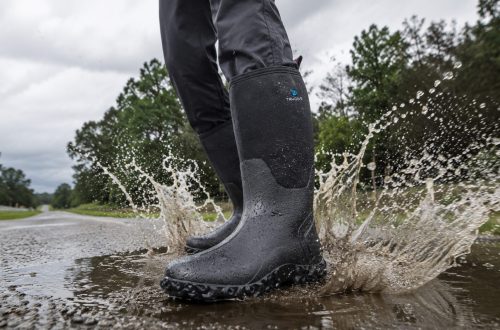
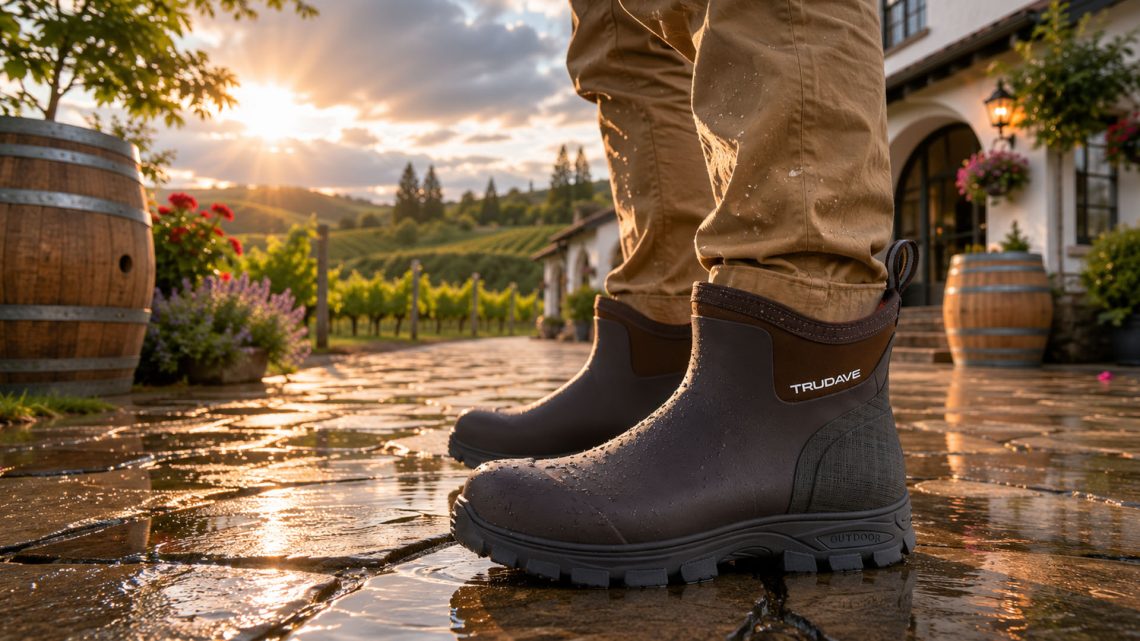
For cattle ranchers, farmers, and outdoor workers comparing waterproof footwear, Trudave Gear offers boots designed for rain, mud, wet fields, livestock environments, and demanding outdoor work.
Choose footwear based on real ranch conditions rather than appearance alone.
Frequently Asked Questions
What are the best boots for cattle ranch work?
The best cattle ranch boots are waterproof, durable, easy to clean, comfortable for long wear, and equipped with traction for mud, wet grass, and barn surfaces.
Are rubber boots good for working cattle?
Yes. Rubber boots work well in mud, manure, wet pens, and rainy conditions. Active cattle handling requires a secure fit and stable outsole.
Are leather boots better for ranch work?
Leather boots may provide better ankle support and breathability on dry terrain. Rubber boots are generally easier to clean and more reliable in wet livestock environments.
How tall should cattle ranch boots be?
Mid-calf boots work well for general chores. Tall boots provide more protection in deep mud, manure, and wet calving areas.
Should ranch boots be insulated?
Insulated boots are useful in cold climates. Uninsulated boots are usually more comfortable during warm weather and active work.
What tread is best for cattle pens?
Deep, widely spaced lugs help in mud. Ranchers who also work on concrete should choose a balanced slip-resistant tread.
How do you remove manure from rubber boots?
Rinse the boots, scrub the outsole with a dedicated brush, use mild soap or an approved farm cleaner, and follow ranch biosecurity procedures.
How often should ranch boot insoles be replaced?
Replace them when they become flat, uneven, cracked, permanently smelly, or no longer supportive.
Can you wear ranch boots all day?
Yes, provided they offer proper fit, cushioning, heel stability, moisture management, and traction for the working surface.
Final Thoughts
Cattle ranch work demands footwear that can move from mud to concrete, pasture to barn, and rain to dry ground without becoming uncomfortable or unsafe.
The best ranch boots provide reliable waterproof protection, stable traction, secure heel positioning, supportive cushioning, and materials that can be cleaned quickly.
Tall rubber boots are useful for muddy pens, wet calving areas, manure, and heavy rain.
Mid-calf waterproof boots may offer better mobility for feeding, equipment operation, and everyday chores.
Leather work boots remain valuable for dry terrain, climbing, and jobs requiring stronger ankle support.
Many ranchers benefit from owning more than one footwear type.
Trudave Gear offers waterproof outdoor boots designed for mud, rain, wet fields, livestock environments, and demanding farm and ranch work.
Choose boots around the tasks you perform every day, the surfaces you cross, and the number of hours you spend on your feet.
Reliable ranch footwear should help you work longer, move more confidently, and spend less time worrying about what is happening underneath your boots.


You May Also Like

How to Manage Grazing When Growth Becomes Unpredictable

Why Early Planting Success Depends on Soil, Not Calendar Dates