Best Boots for Flower Farm and Cut Flower Harvest Work
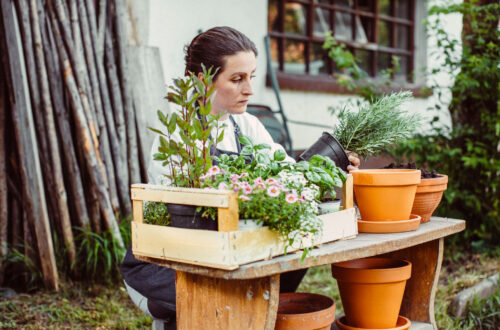
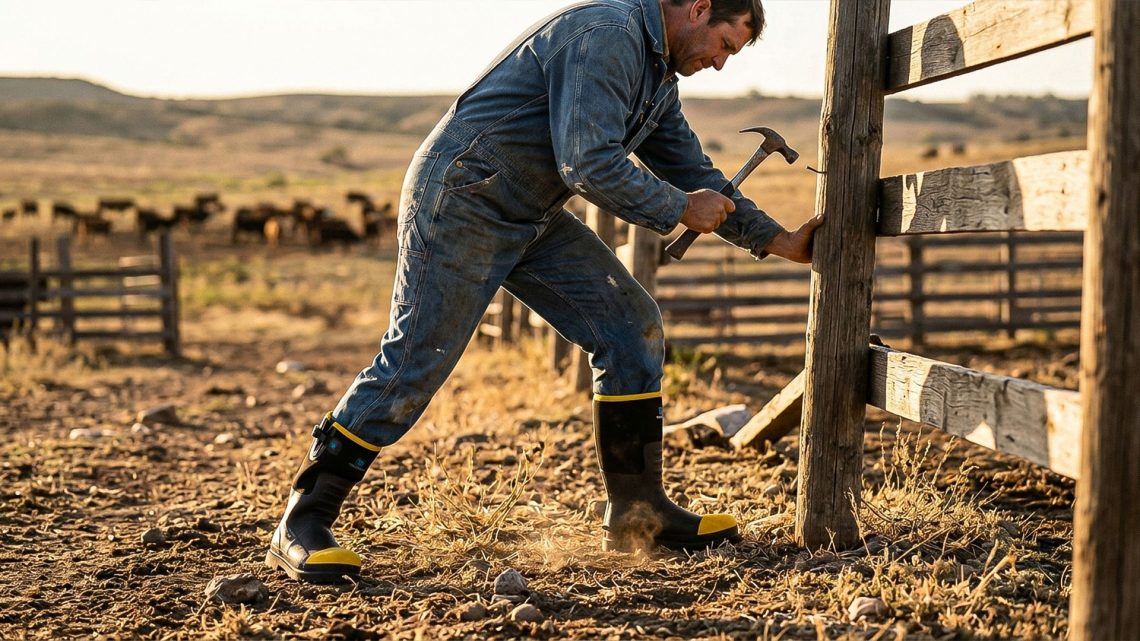
Flower farming may look cleaner and lighter than many agricultural jobs, but cut-flower production still requires long hours of walking, bending, harvesting, carrying buckets, managing irrigation, working through wet vegetation, and moving between fields, greenhouses, packing sheds, and delivery areas.
A flower-farm worker may begin before sunrise walking through rows covered in dew, cut flowers for several hours, carry water-filled buckets, repair irrigation, move through muddy field paths, enter a greenhouse, prepare stems for packing, and finish the day loading flowers for delivery.
Footwear may encounter:
- Heavy morning dew.
- Wet flowers and foliage.
- Mud.
- Irrigation water.
- Grass paths.
- Gravel.
- Greenhouse floors.
- Packing-shed concrete.
- Flower residue.
- Rain.
- Puddles.
- Cool-season field conditions.
That makes waterproof footwear especially useful.
The best boots for flower farm work should keep feet dry, remain lightweight enough for long harvesting routes, provide stable traction on wet soil and grass, flex naturally during bending and cutting, and stay comfortable when workers transition between field rows and hard packing-floor surfaces.
Flower Farms Are Often Wet Before Sunrise
Cut flowers are commonly harvested early.
Cool morning temperatures help preserve flower quality, and many crews begin work while the farm is still covered in dew.
This means workers may spend the first several hours walking through wet:
- Leaves.
- Grass.
- Flower stems.
- Field paths.
Ordinary shoes can become soaked quickly.
Waterproof boots provide more dependable protection.
Morning Dew Can Be Heavier Than Expected
Dense flower crops can hold substantial moisture.
As workers move between rows, water may transfer onto:
- Toes.
- Uppers.
- Ankles.
- Lower pant legs.
A mid-height waterproof boot provides more protection than low-cut shoes.
Why Flower-Farm Boots Should Stay Lightweight
Harvest crews may walk thousands of steps each morning.
They may also carry:
- Buckets.
- Harvest crates.
- Tools.
Heavy boots add unnecessary effort to every step.
The ideal flower-farm boot should provide enough protection without feeling oversized or bulky.
Boots for Cut Flower Harvesting
Harvesting workers may repeatedly:
- Walk.
- Bend.
- Kneel.
- Cut.
- Carry.
Footwear should provide:
- Flexible forefoot movement.
- secure heel fit.
- lightweight support.
- moderate tread.
- waterproof construction.
Forefoot Flexibility Matters
Harvesting requires constant bending.
Workers may crouch to cut lower stems or inspect plants.
A stiff boot can make these movements tiring.
Flexible waterproof boots improve mobility.
Boots for Long Flower Rows
Commercial flower farms may contain long production blocks.
Workers may spend hours moving up and down rows.
Walking comfort matters just as much as waterproofing.
Cushioning Matters Across Thousands of Steps
Even soft field soil becomes tiring after repeated walking.
Supportive midsoles help reduce fatigue.
Boots for Wet Flower Foliage
Many crops have dense vegetation.
Workers may brush against wet leaves from both sides of a row.
This can soak low footwear even when the soil itself is relatively dry.
Mid-Height Boots Provide Better Row Protection
A slightly higher shaft helps protect against repeated contact with wet vegetation.
Boots for Muddy Flower Fields
Rain and irrigation may soften field paths.
Workers may encounter:
- Mud.
- Footprints.
- Tractor ruts.
- Soft soil.
Moderate outdoor tread is useful.
Best Tread for Flower-Farm Mud
Useful outsole features include:
- Open tread channels.
- flexible rubber.
- moderate lug depth.
- defined heel edges.
Extremely deep farm lugs are usually unnecessary for routine flower harvest.
Clay Flower Fields
Wet clay can become sticky.
Narrow outsole grooves may fill quickly.
Wider channels are easier to clean.
Sandy Flower Farms
Sandy soils drain faster.
Workers may benefit from:
- Lighter footwear.
- moderate tread.
- broad outsole contact.
Boots for Grass Field Paths
Flower farms may keep grass between production areas.
These paths may remain wet with dew long after crop rows begin to dry.
Waterproof footwear remains useful.
Boots for Sloped Flower Fields
Some farms grow flowers on rolling terrain.
Workers may move:
- Uphill.
- downhill.
- across slopes.
Secure heel fit improves stability.
Sidehill Walking Requires Better Foot Control
Loose boots may shift during lateral movement.
Supportive uppers help keep the foot centered.
Boots for Harvest Bucket Crews
Fresh flowers are often placed in buckets containing water.
Workers may carry full buckets between field and packing areas.
A water-filled bucket can be heavy.
Stable footwear matters.
Carrying Buckets Changes Balance
When both hands are occupied, workers rely more heavily on secure foot placement.
Heel movement inside the boot should be minimized.
Boots for Bucket Washing Areas
Flower buckets require regular cleaning.
Workers may stand around:
- Hoses.
- Wet concrete.
- Cleaning water.
Mid-height waterproof boots work well.
Boots for Hydration and Conditioning Areas
Flowers may be placed in water soon after harvest.
Packing areas can therefore stay damp.
Hard-floor traction becomes important.
Boots for Greenhouse Flower Farms
Some cut flowers are grown partially or entirely under cover.
Workers may transition between:
- Greenhouse floors.
- Soil beds.
- Gravel.
- Outdoor fields.
A versatile waterproof boot is practical.
Greenhouses Can Stay Humid
Even when floors look dry, greenhouse humidity may keep surfaces damp.
Workers may also encounter:
- Irrigation splash.
- condensation.
- wet plant material.
Boots for Greenhouse Concrete Floors
Workers spending more time on hard floors need stronger cushioning.
Deep mud lugs are usually unnecessary.
Boots for Greenhouse Gravel Paths
Some houses use gravel between production beds.
Thin rain boots can become uncomfortable after hours.
Supportive midsoles help.
Boots for Soil-Bed Greenhouses
Workers may step directly into damp soil.
Moderate outdoor tread is useful.
Boots for Irrigation Crews
Flower farms often use:
- Drip irrigation.
- Overhead sprinklers.
- Hand watering.
- Fertigation systems.
Leaks can create wet or muddy areas quickly.
Boots for Drip-Line Repairs
Workers may kneel around beds while repairing:
- Emitters.
- hoses.
- fittings.
Flexible waterproof boots improve comfort.
Boots for Overhead Irrigation
Overhead watering can soak:
- Leaves.
- Paths.
- Workers.
More waterproof shaft coverage may be useful.
Boots for Hand-Watering Crews
Employees carrying hoses may step backward or sideways repeatedly.
Secure heel fit helps.
Boots for Irrigation Valve Work
Valve boxes may contain:
- Water.
- soil.
- mud.
Easy-clean waterproof footwear is practical.
Boots for Pump Stations
Larger farms may use irrigation pumps.
Maintenance workers may move between:
- Wet concrete.
- gravel.
- machinery.
A structured waterproof work boot may be better than a lightweight harvest boot.
Waterproof Does Not Mean Electrical Protection
Pump systems and irrigation controllers may involve electrical equipment.
General waterproof boots are not automatically electrically rated.
Task-specific procedures should come first.
Boots for Fertigation Work
Flower farms may apply nutrients through irrigation systems.
Footwear requirements depend on the products used.
Waterproof Does Not Mean Chemical Resistant
Workers handling:
- Fertilizers.
- concentrated nutrients.
- pesticides.
- fungicides.
should follow product-specific PPE requirements.
Boots for Flower Spraying Crews
Cut-flower production may require crop-protection treatments.
General rubber boots should not automatically be considered adequate for every chemical.
Boots for Pest Scouting
Crop scouts may inspect:
- Leaves.
- buds.
- flowers.
- stems.
They may walk long distances.
Lightweight waterproof footwear reduces fatigue.
Boots for Disease Scouting
Wet morning conditions may coincide with disease-monitoring work.
Waterproof uppers help keep feet dry.
Boots for Flower Pinching and Pruning
Some crops require repeated:
- Pinching.
- Pruning.
- Deadheading.
Workers move slowly along rows for hours.
Flexible lightweight boots are practical.
Boots for Deadheading Crews
Workers may carry small bins or buckets.
The main priorities are:
- walking comfort.
- waterproofing.
- secure fit.
Boots for Plant Staking
Tall flowers may require:
- Stakes.
- Netting.
- Support structures.
Workers may handle sharp or rigid materials.
Puncture Hazards Around Stakes
A thick outsole does not automatically provide puncture protection.
Workers frequently handling sharp stakes or wire may need appropriately rated footwear.
Boots for Flower Netting Systems
Some crops use horizontal netting to support stems.
Workers may need to step carefully around:
- Posts.
- anchors.
- lines.
Secure footwear improves control.
Boots for Trellis Maintenance
Climbing plants may use:
- wires.
- supports.
- frames.
Maintenance employees may need more structured footwear.
Boots for Weed Control
Flower farms may manage weeds through:
- Hand pulling.
- cultivation.
- mulch.
- herbicides.
Footwear depends on the method.
Boots for Hand Weeding
Workers may kneel repeatedly.
Forefoot and ankle flexibility improve comfort.
Boots for Mulch Work
Mulch can collect in deep tread.
Simple outsole channels are easier to clean.
Boots for Landscape Fabric Installation
Workers may install:
- Weed fabric.
- Ground cover.
Footwear should provide secure contact without unnecessarily tearing materials.
Boots for Flower Bed Preparation
Before planting, crews may work with:
- Soil.
- Compost.
- Amendments.
More agricultural tread may be useful.
Boots for Compost Handling
Wet compost can be sticky and heavy.
Easy-clean tread is important.
Boots for Planting Crews
Workers may spend full days:
- Bending.
- Kneeling.
- Walking through prepared soil.
Lightweight waterproof boots improve mobility.
Boots for Transplanting
Workers carrying trays need secure footing.
Boots for Bulb Planting
Some flower farms grow:
- Tulips.
- Daffodils.
- Lilies.
Bulb planting may occur during cool, wet weather.
Waterproof mid-height boots are practical.
Boots for Tulip Farms
Tulip fields can be:
- Wet.
- muddy.
- cool.
More shaft coverage may be useful during spring harvest.
Boots for Dahlia Farms
Dahlia harvest often involves dense foliage and irrigated rows.
Waterproof lightweight boots are useful.
Boots for Sunflower Farms
Sunflower fields may become dry later in the season, but morning dew can still be heavy.
A lighter waterproof boot works well.
Boots for Rose Farms
Rose production may involve:
- Dense plants.
- irrigation.
- greenhouse or field systems.
Durable uppers may help resist contact with plant material.
Thorny Crops Require Additional Consideration
Waterproof fabric alone does not guarantee puncture resistance from thorns.
Workers should choose durable uppers appropriate to the crop.
Boots for Lavender Farms
Lavender operations may be drier than many flower farms.
Workers may prioritize:
- Lower boot weight.
- supportive midsoles.
- moderate tread.
Boots for Peony Harvest
Peony fields may be extremely wet during spring.
Mid-calf waterproof boots can be useful.
Boots for Hydrangea Farms
Large leaves may hold substantial moisture.
Workers can become wet quickly even without standing water.
Boots for Zinnia and Annual Flower Farms
Dense annual beds may require long walking and harvesting routes.
Lightweight waterproof boots remain practical.
Boots for Wildflower Farms
More naturalized fields may contain:
- Uneven ground.
- Taller grass.
- hidden holes.
Ankle support becomes more important.
Boots for Seed Production
Some flower farms also harvest:
- Seed heads.
- dried plants.
Later-season work may be drier.
Lower-profile work boots may be sufficient.
Boots for Seed-Cleaning Areas
Indoor processing may involve more standing on hard floors.
Cushioning becomes the priority.
Boots for Cool-Season Flower Farms
Spring and fall harvests may involve:
- Cold rain.
- wet grass.
- frost.
Moderate insulation may help in colder climates.
Boots for Frosted Flower Fields
Frozen vegetation may be slick.
Workers should use controlled foot placement.
Ice Requires Separate Traction Measures
No ordinary farm boot completely eliminates ice risk.
Approved traction devices may be necessary.
Boots for Summer Flower Farms
Summer can be:
- Hot.
- humid.
- wet from irrigation.
Heavy insulated boots should be avoided.
Lightweight Construction Matters in Heat
Workers should prioritize:
- Uninsulated uppers.
- manageable weight.
- moisture-wicking socks.
Waterproof Boots Can Still Become Damp From Sweat
Internal moisture may build during hot harvest shifts.
Drying is important.
Boots for Rainy Flower Harvest
Flowers may still need to be cut during wet periods.
Workers may spend hours in:
- Rain.
- wet vegetation.
- mud.
Fully waterproof boots become especially valuable.
Boots for Storm Cleanup
Wind or heavy rain may damage:
- Support structures.
- Greenhouses.
- Plants.
- Irrigation.
More protective footwear may be required.
Boots for Greenhouse Storm Damage
Broken materials may create:
- Sharp plastic.
- Metal.
- Glass.
Puncture-resistant or safety footwear may be appropriate.
Boots for High-Tunnel Farms
High tunnels combine field soil with enclosed conditions.
Workers may deal with:
- Humidity.
- irrigation.
- muddy entrances.
Mid-height waterproof boots are versatile.
Boots for Tunnel Roll-Up Maintenance
Workers may handle:
- Frames.
- Hardware.
- Fasteners.
Durable footwear is useful.
Boots for Shade-House Operations
Shade structures may be used for sensitive crops.
Workers may move through damp gravel or soil.
Boots for Flower Packing Sheds
After harvest, flowers may be:
- Sorted.
- Hydrated.
- Bunched.
- Sleeved.
- Boxed.
Workers often stand on concrete for long periods.
Packing-Shed Workers Need Better Cushioning
Hard-floor support becomes more important than mud traction.
Useful features include:
- Supportive midsoles.
- moderate tread.
- removable insoles.
Boots for Flower Processing Tables
Workers may stand in one location for hours.
Good heel cushioning helps.
Boots for Stem-Trimming Areas
Cut stems and leaves may fall onto floors.
Simple tread is easier to clean.
Boots for Wet Packing Floors
Water from flower buckets may spill frequently.
Fully waterproof or highly water-resistant footwear is practical.
Boots for Cooler Rooms
Cut flowers may be stored in refrigerated coolers.
Workers moving between warm packing areas and cold rooms may benefit from:
- Thicker midsoles.
- moderate cold protection.
Cold Floors Can Cause Foot Discomfort
Concrete in floral coolers may remain cold throughout the day.
Supportive footbeds improve comfort.
Boots for Flower Delivery Crews
Finished flowers may be delivered to:
- Florists.
- Weddings.
- Grocery stores.
- Markets.
Drivers need footwear that provides good pedal control.
Tall Rubber Boots Can Be Bulky for Delivery Driving
A lower-profile waterproof work boot is often more practical.
Boots for Farmers Market Crews
Flower farmers may sell directly at markets.
Workers may stand for long periods on:
- Pavement.
- Concrete.
- Grass.
Mixed-surface cushioning is valuable.
Boots for Wedding Flower Farms
Some farms host:
- Events.
- Tours.
- Photography.
Employees may need cleaner-looking footwear around customers.
Public-Facing Appearance Matters
Smooth waterproof uppers are easier to wipe clean.
Boots for Pick-Your-Own Flower Farms
Customer-facing workers may guide visitors through:
- Wet paths.
- grass.
- muddy rows.
A versatile waterproof boot works well.
Boots for Parking Crews
Grass parking areas may become muddy after rain.
Moderate mixed-surface tread is useful.
Boots for Farm-Shop Workers
Employees moving between retail space and fields may prefer lower-profile waterproof boots.
Boots for Bucket Delivery Areas
Water-filled containers may create wet concrete around loading zones.
Broad hard-surface contact matters.
Boots for Floral Wholesale Operations
Large flower farms may ship boxes and buckets in volume.
Workers may use:
- Pallet jacks.
- forklifts.
- loading docks.
Safety footwear may be appropriate.
Boots for Pallet Handling
Protective-toe boots may help around heavy pallets and carts.
Boots for Forklift Operators
Drivers need:
- Good pedal control.
- secure heel fit.
- stable machine-step contact.
Boots for Loading Docks
Dock workers may transition between:
- Wet concrete.
- metal plates.
- outdoor rain.
Mixed-surface safety footwear is practical.
Boots for Flower Auction or Distribution Areas
Workers may spend long shifts on warehouse floors.
Hard-floor cushioning becomes especially important.
Boots for Cold-Chain Handling
Flowers may remain refrigerated during shipping.
Workers moving between cold and warm zones need footwear that handles temperature transitions.
Boots for Farm Trucks
Workers may drive between:
- Field blocks.
- Packing sheds.
- Markets.
Moderate outsole thickness improves pedal comfort.
Boots for UTV Operators
UTVs are useful for:
- Harvest transport.
- irrigation repairs.
- scouting.
Footwear should transition easily between controls and wet ground.
Boots for Tractor Drivers
Tractors may be used for:
- Soil preparation.
- mowing.
- hauling.
Pedal control matters.
Boots for Harvest Cart Workers
Carts may transport:
- Flowers.
- buckets.
- crates.
Workers pushing loaded carts need secure heel support.
Boots for Wheelbarrow Work
Workers may move:
- Compost.
- Soil.
- Buckets.
A stable base helps when pushing heavy loads.
Boots for Gravel Farm Roads
Flower farms often have internal gravel lanes.
Thin rain boots may become uncomfortable.
Strong midsoles help.
Boots for Muddy Farm Roads
Repeated vehicle traffic may create ruts.
More open tread is useful.
Boots for Drainage Work
Flower fields can suffer if drainage fails.
Workers may maintain:
- Ditches.
- culverts.
- channels.
More shaft coverage may be needed.
Boots for Ditch Cleaning
Mid-calf waterproof boots are practical.
Boots for Culvert Maintenance
Workers may encounter:
- Mud.
- Gravel.
- standing water.
Supportive uppers improve control.
Boots for Field Edge Maintenance
Workers may trim or mow:
- Grass.
- Weeds.
- Ditches.
Mixed-terrain waterproof footwear works well.
Boots for Fence Maintenance
Some farms use fencing around:
- Deer-sensitive crops.
- Production areas.
Workers may handle wire and fasteners.
Do Flower Farm Workers Need Puncture-Resistant Boots?
Puncture protection may be useful for workers dealing with:
- Wire.
- Stakes.
- Nails.
- Broken greenhouse hardware.
Safety-Toe Boots for Flower Farms
Most flower harvest workers may not need safety toes.
However, protective-toe footwear may be appropriate around:
- Forklifts.
- Pallets.
- tractors.
- warehouse operations.
- heavy equipment.
Boots for Farm Mechanics
Large flower farms may maintain:
- Tractors.
- Irrigation pumps.
- Refrigeration equipment.
Mechanics may need more industrial footwear.
Oil Resistance May Matter
Maintenance workers may encounter:
- Grease.
- diesel.
- hydraulic fluid.
Waterproof does not automatically mean oil resistant.
Boots for Equipment Washdown
Harvest carts and machinery may be cleaned regularly.
Fully waterproof boots work well.
Pressure Washing Safety
Waterproof boots protect against ordinary splash.
They do not protect against direct high-pressure spray.
Boots for Refrigeration Maintenance
Cold-room systems may require technical service.
Maintenance workers may need structured safety footwear.
Boots for Electrical Maintenance
Waterproof footwear is not automatically electrically rated.
Task-specific electrical protection is required.
Boot Weight Matters During Flower Harvest
Flower workers may take thousands of steps while carrying tools or buckets.
Heavy boots increase fatigue.
Cushioning Matters During Field-to-Packing Transitions
Workers may move repeatedly between:
- Soft soil.
- gravel.
- concrete.
Supportive midsoles help across all surfaces.
Heel Retention Matters in Mud
Sticky ground may pull at footwear.
Secure fit reduces internal movement.
Ankle Support Matters on Uneven Rows
Field paths may contain:
- ruts.
- holes.
- irrigation lines.
Supportive uppers improve control.
Forefoot Flexibility Is Essential
Harvest workers repeatedly:
- bend.
- crouch.
- kneel.
- pivot.
The boot should flex naturally.
Toe Room Matters During Long Days
Feet may swell after hours of work.
Enough toe space improves comfort.
Best Socks for Flower Farm Workers
Synthetic and wool-blend socks generally perform better than cotton.
Useful features include:
- Moisture wicking.
- quick drying.
- heel cushioning.
- secure fit.
Spare Socks Can Be Useful
Heavy rain or irrigation work may allow water over the shaft.
A dry replacement pair improves comfort.
Removable Insoles Improve Daily Use
Replaceable footbeds allow workers to:
- Dry footwear.
- restore cushioning.
- improve hygiene.
- adjust support.
Easy-Clean Construction Saves Time
Flower-farm boots may collect:
- Mud.
- leaves.
- petals.
- grass.
- fertilizer residue.
Smooth waterproof uppers are easier to clean.
How to Clean Flower Farm Work Boots
A practical routine may include:
- Remove leaves, petals, and grass.
- Brush mud from tread.
- Rinse irrigation residue.
- Clear gravel and plant debris.
- Follow product guidance after chemical exposure.
- Remove damp insoles.
- Allow the boots to dry completely.
Plant Debris Should Be Removed Regularly
Leaves and stems may become packed into outsole channels.
Keeping tread clear improves traction.
Mud Should Be Removed Before It Hardens
Dried clay is harder to clean and may hide tread wear.
How to Dry Flower Farm Boots
After wet work:
- Remove insoles.
- Open the boots fully.
- Allow airflow.
- Use low-temperature drying if approved.
Avoid excessive direct heat.
Rotating Two Pairs Can Help During Peak Harvest
Flower farms may harvest every day during peak season.
Alternating footwear gives each pair more drying time.
When Flower Farm Boots Should Be Replaced
Replace footwear when:
- Waterproofing fails.
- tread becomes badly worn.
- outsole separation develops.
- heel support collapses.
- puncture damage occurs.
- safety components are damaged.
- cushioning becomes ineffective.
Common Mistakes When Buying Flower Farm Boots
Buying Heavy Farm Boots for Every Harvest Worker
Long field routes usually benefit from lighter footwear.
Wearing Low Shoes Through Dew-Covered Rows
Feet may become wet before the first harvest bucket is full.
Choosing Boots Too Loose While Carrying Water Buckets
Secure heel fit improves stability.
Using Deep Mud Lugs Inside Packing Sheds
Hard floors usually need more balanced tread.
Ignoring Forefoot Flexibility
Flower harvest requires constant bending and crouching.
Choosing Tall Rubber Boots for Delivery Drivers
Pedal control may become less comfortable.
Assuming Waterproof Means Chemical Resistant
Crop-protection products may require specialized PPE.
Letting Leaves and Petals Build Up in Tread
Organic debris can reduce traction.
How to Choose the Best Boots for Flower Farm Work
Start with the worker’s main responsibilities.
For cut-flower harvest crews, prioritize:
- Lightweight waterproof construction.
- flexible movement.
- secure heel fit.
- moderate field tread.
For irrigation workers, prioritize:
- More shaft coverage.
- mud release.
- easy-clean uppers.
For greenhouse workers, prioritize:
- Hard-floor cushioning.
- moderate tread.
- lightweight construction.
For muddy field crews, prioritize:
- Open tread channels.
- ankle support.
- waterproof coverage.
For packing-shed employees, prioritize:
- Concrete cushioning.
- moderate hard-floor traction.
- easy-clean materials.
For delivery and market workers, prioritize:
- Pedal comfort.
- mixed-surface traction.
- clean appearance.
Workers comparing waterproof footwear from brands such as Trudave Gear should select boots according to the actual combination of wet vegetation, mud, irrigation, greenhouse floors, harvest buckets, packing sheds, and long flower-farm shifts involved in their work.
Frequently Asked Questions
What are the best boots for flower farm work?
The best flower-farm boots are waterproof, lightweight enough for long harvest routes, securely fitted, flexible, and equipped with moderate traction suitable for wet grass, soil, mud, and farm paths.
Are rubber boots good for flower farms?
Yes. Rubber boots are especially useful during heavy dew, rain, irrigation work, muddy harvests, and wet greenhouse operations.
How tall should flower farm boots be?
Mid-height or mid-calf boots are versatile for most workers. Taller boots may be useful for deep mud, drainage work, and heavy irrigation exposure.
What boots are best for cut flower harvesting?
Lightweight waterproof boots with flexible forefoot movement, secure heel support, moderate tread, and good cushioning are practical.
Are deep mud boots good for flower farms?
They are useful in severe mud, but moderate tread is often better for long walking, greenhouse work, packing sheds, and vehicle operation.
What boots are best for wet flower fields?
Waterproof boots with open tread channels, flexible rubber, secure heel fit, and enough shaft height to protect against wet vegetation work well.
Do flower farm workers need safety-toe boots?
Some warehouse, forklift, pallet, machinery, and maintenance roles may require safety-toe footwear.
Are waterproof flower-farm boots suitable for pesticide work?
Not automatically. Workers should follow PPE requirements for the specific crop-protection product being applied.
What boots are best for greenhouse flower workers?
Lightweight waterproof boots with good hard-floor cushioning, moderate tread, flexible movement, and easy-clean construction are practical.
How should flower farm work boots be cleaned?
Remove leaves, petals, grass, mud, and gravel, clean tread grooves, follow procedures after chemical exposure, and allow the boots to dry completely.
Final Thoughts
Flower farming and cut-flower harvest work combine wet vegetation, morning dew, mud, irrigation, greenhouse conditions, heavy water buckets, packing sheds, gravel roads, delivery work, and long harvest shifts.
The best footwear depends on the worker’s actual role.
Harvest crews need lightweight waterproof boots with flexible movement.
Irrigation workers benefit from more shaft coverage and stronger mud performance.
Greenhouse employees need better hard-floor cushioning.
Packing-shed workers require moderate cleanable tread.
Delivery crews need footwear that balances weather protection with driving comfort.
Maintenance employees may require additional safety protection.
Trudave Gear offers waterproof outdoor and work footwear suited to wet grass, rain, mud, agriculture, greenhouse work, and demanding outdoor environments.
Choosing footwear according to the actual flower-farm task can help workers stay drier, reduce fatigue, maintain better footing, and remain more comfortable from the first dew-covered harvest row before sunrise to the final flower bucket loaded for market at the end of the day.


You May Also Like
Frozen Pastures, Warm Hearts: Tips for Keeping Cattle Comfortable in Early Winter

Why Keeping the Same Grazing Plan Can Backfire in Early Summer