pasture
-
Hay Quality Check: Avoiding Mold and Loss in Subzero Storage
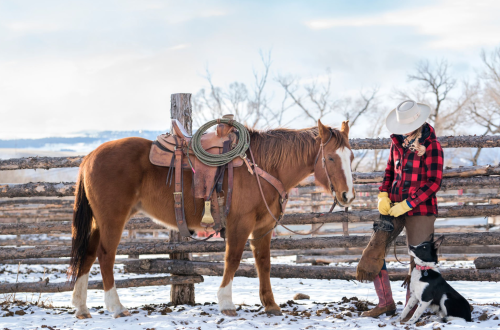
Storing hay through the winter may seem easy—bales stacked, barn doors closed, temperatures freezing—but subzero weather brings its own set of challenges. Many ranchers assume the cold naturally preserves hay, yet winter storage mistakes can still lead to mold growth, nutrient loss, and wasted feed long before spring arrives. Keeping hay safe in freezing conditions takes strategy, routine inspection, and an understanding of how cold weather interacts with moisture, airflow, and bale composition. By taking the right steps early, cattle producers can reduce spoilage, protect feed value, and ensure their herd gets clean, nutrient-rich forage all winter long. Why Hay Still Spoils in Subzero Temperatures It’s a common misconception that…
You May Also Like
Why Cheap Rain Boots Are a False Economy (And How Trudave Breaks the Cycle)

The Gardener’s Guide to Rain Boots: How to Choose the Right Pair for Your Yard, Raised Beds, and Weekend Harvests
Best Boots for Fish Hatchery and Aquaculture Work: Waterproof Footwear for Wet Floors, Ponds, Tanks, and Long Shifts
-
Frost-Safe Feeding: How to Keep Cattle Healthy When Grass Is Gone
When winter locks down the pasture and frost turns grass into crunchy, useless stubble, cattle producers face one of their toughest seasonal challenges: keeping the herd healthy, well-fed, and productive. Once natural forage disappears, ranchers must shift into a strategic winter-feeding plan that protects body condition, maintains immune strength, and supports safe weight gain through the coldest months of the year. Whether you run a small homestead herd or manage hundreds of beef cattle across a large spread, understanding the principles of frost-safe feeding can be the difference between smooth overwintering and costly health setbacks. Why Winter Feeding Matters More Than You Think Cold weather dramatically increases a cow’s energy…
-
December Soil Secrets: Prepping Beds for an Early Spring Advantage
December may feel like the end of the gardening season, but for growers, homesteaders, and ranch-side gardeners across the U.S., it’s actually the starting line for a strong spring. While the soil rests on the surface, a lot is happening underneath—microbial shifts, moisture changes, and temperature swings that influence how well your garden performs next year.Preparing your beds now gives you a head start the moment warm weather returns. Below are the essential December soil strategies that create healthier beds, stronger plants, and a noticeable springtime advantage. Why December Is the Real Soil-Building Month Winter soil looks frozen and lifeless, but it’s anything but dormant. Even in the coldest regions:…
-
Frost-Guard Foliage: Protecting Perennials Through January Blasts
January is notorious for its bitter cold, high winds, and unpredictable weather swings. For gardeners and landscape enthusiasts in the United States, this month can pose a serious threat to perennials, which are the backbone of any long-lasting garden. Protecting these plants during deep winter blasts is not just about survival—it’s about ensuring vibrant growth when spring finally arrives. Understanding Winter Stress on Perennials Perennials, unlike annuals, must survive year after year. However, sub-zero temperatures, frost, and desiccating winds can damage foliage and roots. Common winter stressors include: Knowing these threats helps gardeners implement the most effective protective strategies. Strategies for Protecting Perennials in January 1. Mulching for Insulation A…
-
Hay Storage Mistakes That Cost Farmers Thousands Every Winter
Hay is one of the most expensive inputs on any farm or ranch—whether you raise cattle, horses, goats, or sheep. And yet, every winter, farmers across the country watch thousands of dollars’ worth of hay disappear into mold, moisture damage, spoilage, or poor storage decisions. What most don’t realize is that hay losses are rarely accidental. They’re almost always the result of avoidable storage mistakes, many of which have simple—often cheap—fixes. If you’re seeing bales turn black on one side, watching your stacks collapse midseason, or noticing your herd wasting more hay than they eat, it’s time to take a hard look at how you’re storing your forage. Here are…
-
Shelter Placement Secrets: How to Keep Wind Chill From Draining Your Herd
Winter is tough on livestock—tougher than many new ranchers realize. While deep cold is one challenge, wind chill is the real energy thief. A 25°F day can feel like 0°F when a north wind is ripping across an open pasture, and that temperature drop affects animals the same way it affects humans: they burn more calories just to stay warm. For cattle, goats, sheep, and horses, unnecessary exposure to wind chill increases feed costs, slows weight gain, and weakens immune systems. For pregnant livestock or young animals, it can even turn dangerous. But here’s the good news: you can dramatically reduce winter stress on your herd simply by placing shelters…
-
Evergreen Armor: How to Protect Young Trees From Winter Burn
Winter may look peaceful from a distance, but for young evergreens, it’s one of the most stressful seasons of the year. From biting winds to intense sun bouncing off fresh snow, young pines, spruces, firs, and arborvitae can take a beating long before spring arrives. Winter burn—sometimes called “winter scorch”—is one of the most common cold-season problems for evergreen growers across the United States, especially in open fields, homesteads, and suburban yards. The good news? Most winter burn is preventable with a smart strategy, the right materials, and a bit of early-season prep. Here’s how to create real “evergreen armor” that keeps your young trees healthy through every winter storm.…
-
Frost-Layer Gardening: Why Your Winter Soil Needs Protection More Than You Think
When winter rolls in and the landscape settles under a blanket of frost, most gardeners shift their focus indoors and assume their garden soil can fend for itself. But the truth is simple: winter isn’t a dormant season for your soil—it’s a stress test. Freeze-thaw cycles, wind exposure, nutrient depletion, and compaction can quietly undo months of hard work if you don’t step in to protect what’s beneath the surface. Frost-layer gardening isn’t just about preventing damage. It’s about building stronger, healthier soil that wakes up ready to grow the moment spring arrives. Here’s why your winter soil needs protection more than you think—and how to safeguard it effectively. Why…
You May Also Like

Why Early Planting Success Depends on Soil, Not Calendar Dates
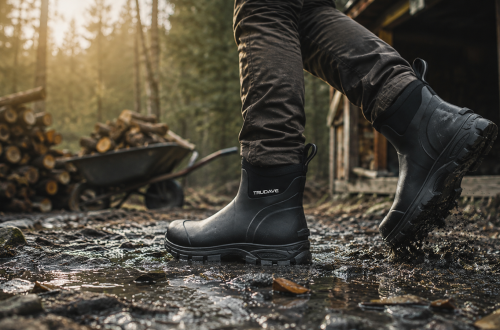
The Care and Feeding of Your Trudave Rain Boots — How to Turn a 2-Season Boot Into a Decade-Long Companion
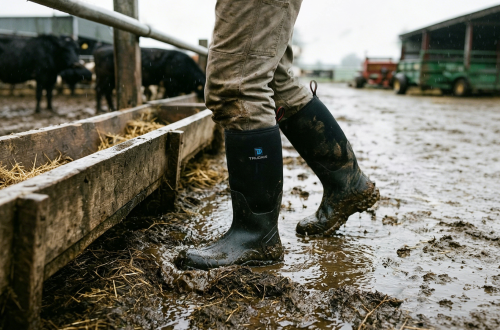
Slippery When Wet: The Science of Traction and Why Trudave Gear Rain Boots Keep You Upright When the Ground Tries to Take You Down
-
How to Rotate Pastures in Winter Without Damaging Your Fields
Winter pasture rotation is one of the trickiest challenges for ranchers and livestock owners. The ground is soft, fragile, and easily torn up, yet livestock still need space to move, forage, and stay healthy. Without the right strategy, winter grazing can quickly turn into compacted soil, torn-up sod, muddy sacrifice zones, and delayed spring growth. But with smart planning and some cold-weather adjustments, you can rotate pastures in winter without damaging your fields—and even set your land up for stronger recovery in spring. Here’s how to manage winter rotations effectively while protecting your soil, grasses, and long-term pasture health. 1. Understand What Makes Winter Grazing Risky Winter changes the rules.…
-
January Barn Maintenance: Quick Fixes That Prevent Costly Spring Repairs
January might seem like the quietest month on the farm, but it’s one of the most critical times to protect your barn from expensive spring disasters. Winter moisture, freezing temperatures, and fluctuating weather patterns can quietly damage structures, equipment, and animal facilities long before the busy season arrives. A few simple January maintenance tasks can save you thousands in repairs—and countless headaches—once spring rolls around. This guide breaks down the smartest mid-winter fixes every rancher, hobby farmer, and homesteader should tackle before winter wear turns into spring problems. 1. Start With a Quick Structural Check—The “Five-Minute Walkaround” January’s freeze–thaw cycle can cause cracks, sagging spots, or shifting in your barn.…