- Uncategorized
Fall Bulbs 101: What to Plant Now for Spring Blooms
There’s nothing quite like the first splash of color after a long, gray winter. Those early daffodils, tulips, and crocuses don’t just appear by magic—they’re the result of careful fall planting. For gardeners, autumn is the season to prepare the ground for spring’s floral fireworks. Whether you’re new to gardening or a seasoned grower, here’s your complete guide to fall bulbs: what to plant, how to plant them, and how to ensure your garden bursts into color when the snow melts away. Why Plant Bulbs in the Fall? Spring-blooming bulbs need a period of cold dormancy—often called “chilling time”—to trigger growth. Planting in fall allows bulbs to settle into cool…
- Uncategorized
September Garden To-Do List: Tasks That Pay Off in Fall and Winter
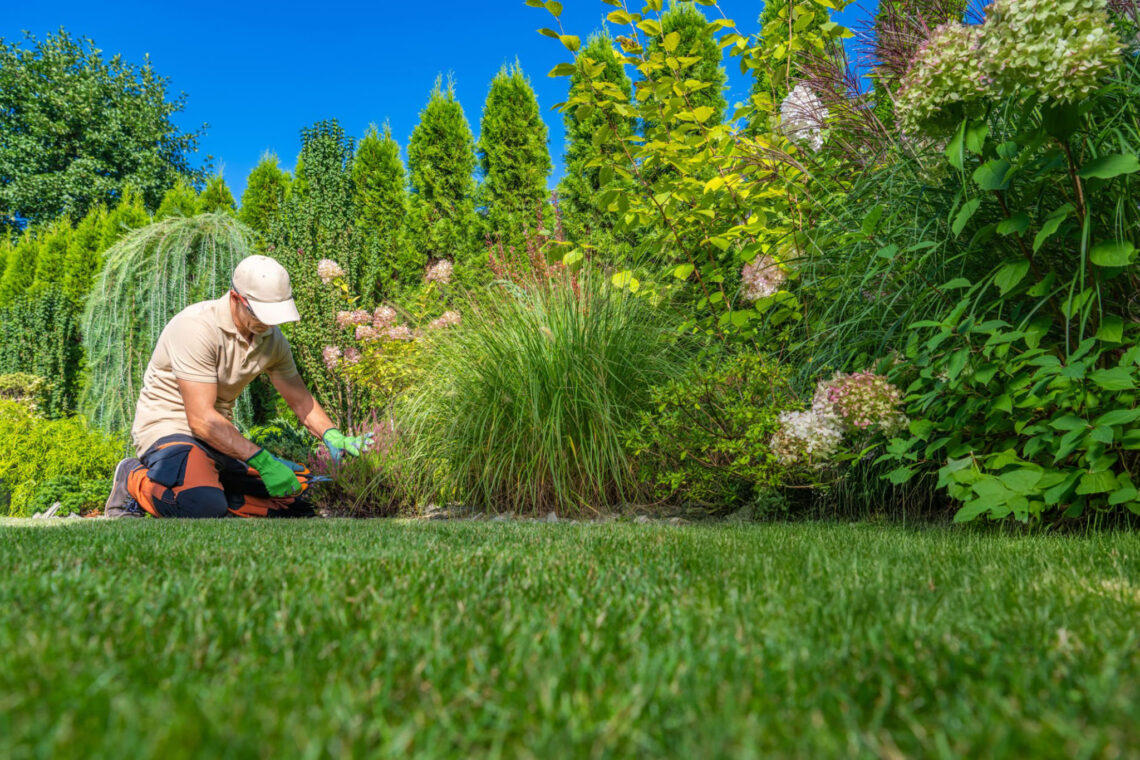
As summer winds down, many gardeners feel tempted to ease up on outdoor chores. But September is one of the most important months of the year for setting up long-term success. The cooler nights, mild days, and shifting weather patterns make it the perfect time to prepare your garden for both fall productivity and winter protection. Here’s a detailed to-do list every gardener should tackle in September to ensure your landscape not only survives the colder months but thrives come spring. 1. Clean Up Spent Plants and Weeds By early September, many summer crops—like tomatoes, cucumbers, and beans—begin to slow down. Dead or diseased plants should be removed promptly to…
- Uncategorized
Late Bloomers: Flowers That Shine in September Gardens
When September arrives, many gardeners assume the season of vibrant color is over. Summer’s roses, lilies, and zinnias may be fading, but that doesn’t mean your garden has to lose its sparkle. In fact, early fall offers a surprising lineup of flowers that hit their peak just as the weather cools. These “late bloomers” add warmth, texture, and beauty to your landscape at a time when most beds start looking tired. Whether you want bold splashes of color, soft transitional tones, or long-lasting pollinator support, September is a prime month to refresh your garden. Here are the flowers that shine brightest during this overlooked season. 1. Chrysanthemums (Mums) Nothing says…
- Uncategorized
Late-Summer Garden Cleanup: What to Do Before Fall Arrives
As August winds down and September creeps in, gardens across the country begin showing signs of transition. The vibrant blooms of early summer fade, heat-stressed plants slow their growth, and weeds often take advantage of thinning beds. For many gardeners, this “in-between” season can feel messy. But late-summer cleanup isn’t just about appearances—it’s about preparing your garden for a successful fall and even healthier spring. By taking time now to clear, refresh, and protect your garden, you’ll reduce pests, improve soil health, and extend your growing season. Here’s a step-by-step guide to late-summer garden cleanup and the key tasks to tackle before fall arrives. 1. Remove Spent Plants and Summer…
- Uncategorized
Fence and Shelter Check: Fall Maintenance Made Simple
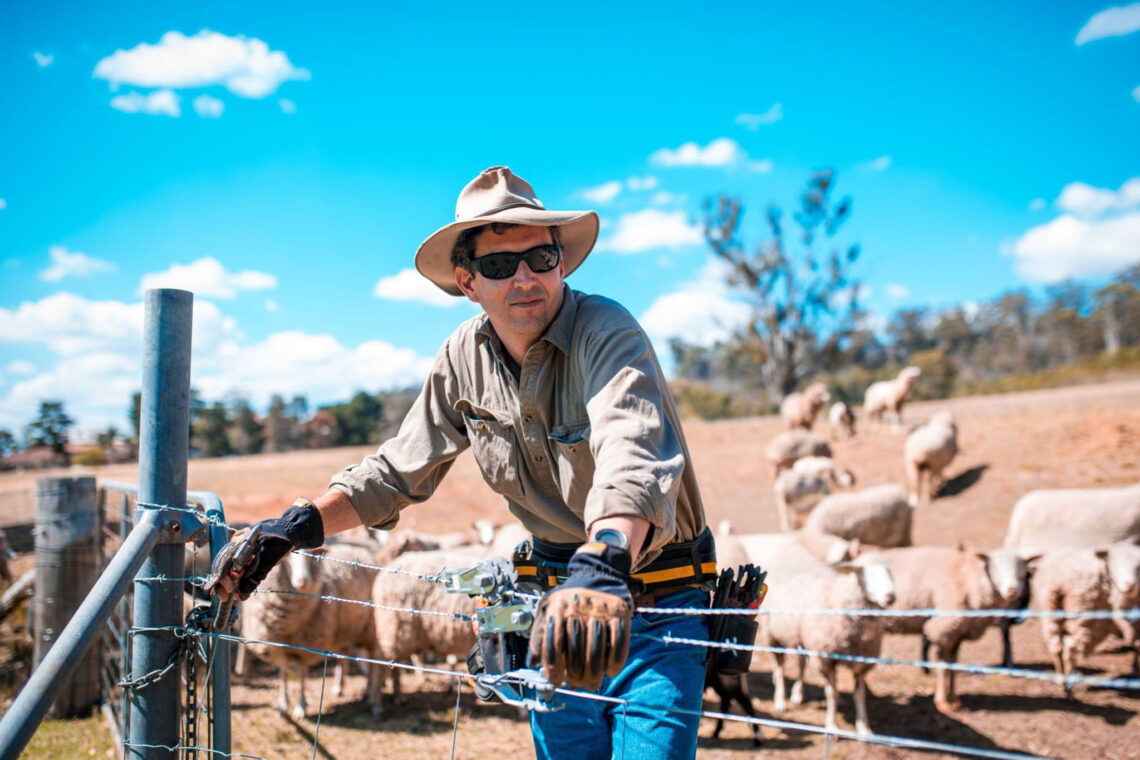
As summer winds down and cooler weather approaches, ranchers and landowners know it’s time to prepare for fall and winter. One of the most important—yet often overlooked—seasonal chores is checking fences and livestock shelters. Strong fences keep animals safe and predators out, while sturdy shelters protect livestock from harsh winds, rain, and snow. Tackling these maintenance tasks in the fall not only saves time but also prevents costly emergencies in the middle of winter. In this article, we’ll break down simple but effective steps to inspect, repair, and maintain your fences and shelters before the cold sets in. Why Fall Is the Best Time for Fence and Shelter Maintenance Fall…
- Uncategorized
Pasture Care in Late Summer: Keep Your Herd Grazing Strong
Late summer can be one of the most challenging times for ranchers and livestock owners. The spring flush of lush forage is long gone, and hot weather combined with lower rainfall often leaves pastures stressed. Yet, this is also the time when your herd’s nutritional needs remain steady—or even rise as animals prepare for fall and winter. Proper pasture care in late summer ensures your cattle, sheep, or horses continue grazing strong without compromising the land’s long-term health. In this guide, we’ll cover essential late-summer pasture management strategies, from grazing rotations to weed control, soil health, and water supply. Why Late Summer Pasture Care Matters As temperatures rise and rainfall…
- Uncategorized
Winter-Ready Herds: Nutrition Tweaks for Cold Weather Resilience
As fall fades and temperatures dip, livestock herds begin facing one of the toughest seasonal transitions: winter. Shortened grazing hours, dormant pastures, and cold stress can all chip away at animal health and productivity if their nutritional needs aren’t adjusted. A balanced ration in summer may fall short in the face of icy winds and snow-packed fields. Preparing your herd nutritionally isn’t about overfeeding—it’s about fine-tuning diets to give animals the resilience they need to thrive through the cold. 1. The Energy Factor: Fueling the Furnace When the thermometer drops, animals burn more calories just to stay warm. Unlike summer feeding, where energy needs often center around activity or lactation,…
- Uncategorized
Low-Cost Winter Feed Storage: Stretching Supplies Safely
As fall slips toward winter, livestock owners face one of the most pressing challenges of the year: ensuring they have enough feed on hand to carry their herd through the cold months. While buying and stockpiling feed is half the battle, storing it properly—without breaking the bank—is where many operations either save money or lose it. Rodents, moisture, mold, and spoilage can quickly erode supplies, driving up costs and threatening animal health. The good news is, with a little planning and some resourceful thinking, you can stretch your feed safely while keeping storage expenses in check. 1. Know Your Inventory and Plan Ahead The cheapest feed is the feed you…
- Uncategorized
Fall Soil Reset: Building Fertility Before Winter’s Chill
As the gardening season winds down and the first frosty nights creep in, it’s easy to hang up your gloves and call it a year. But seasoned gardeners know that fall isn’t just an ending — it’s a prime opportunity to reset your soil. What you do now lays the foundation for healthier, more productive beds come spring. Building fertility before winter’s chill isn’t about quick fixes. It’s about working with nature’s rhythms to recharge the soil’s biology, structure, and nutrient bank. Why Fall Is the Best Time for Soil Work Unlike the hustle of spring, fall offers a slower pace. Beds are clearing, weeds are easier to spot, and…
- Uncategorized
Leaf Gold: Turning Autumn Leaves into Next Year’s Compost Treasure
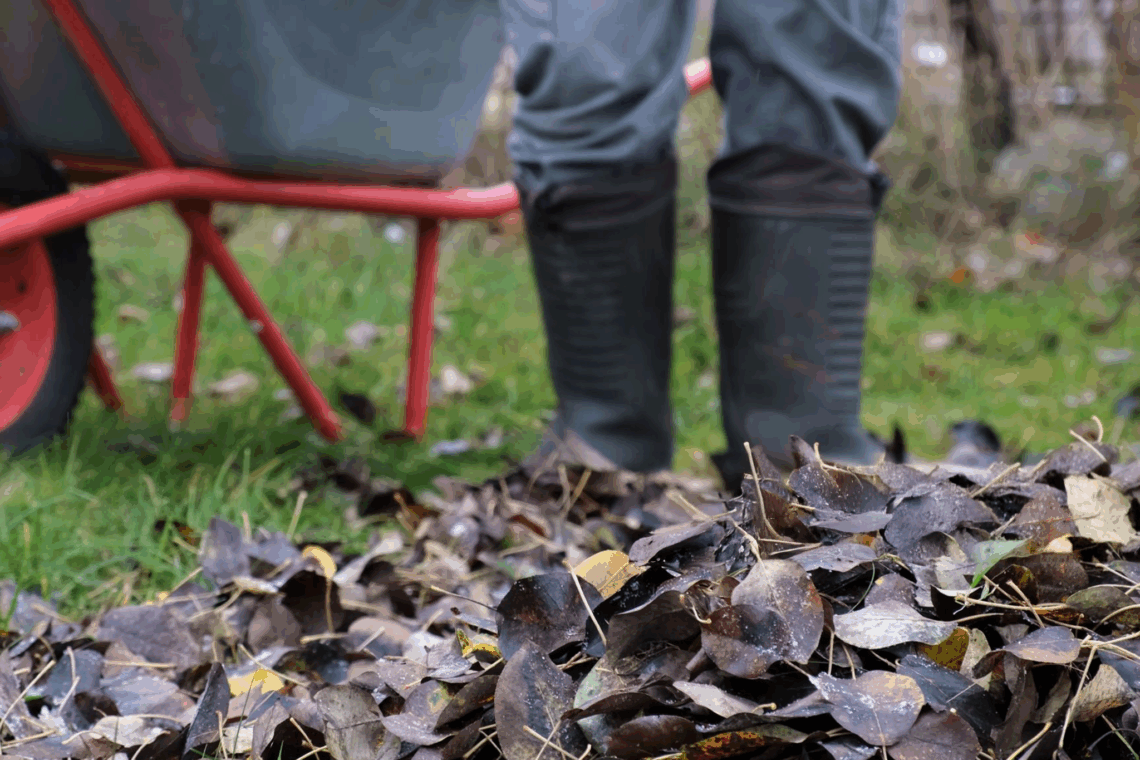
As trees paint the landscape in fiery reds, golds, and oranges, most folks see only the backbreaking task of raking and hauling leaves. But gardeners know better: those autumn leaves aren’t just yard waste — they’re a free, nutrient-rich gift that can transform into what many call “black gold.” With the right approach, this seasonal abundance becomes a powerhouse compost that fuels next year’s garden beds. Why Leaves Are a Gardener’s Treasure Autumn leaves are loaded with carbon — the “brown” component every compost pile needs. When paired with nitrogen-rich “greens” like grass clippings, food scraps, or manure, leaves help create the perfect balance for decomposition. Beyond structure, leaves contribute…