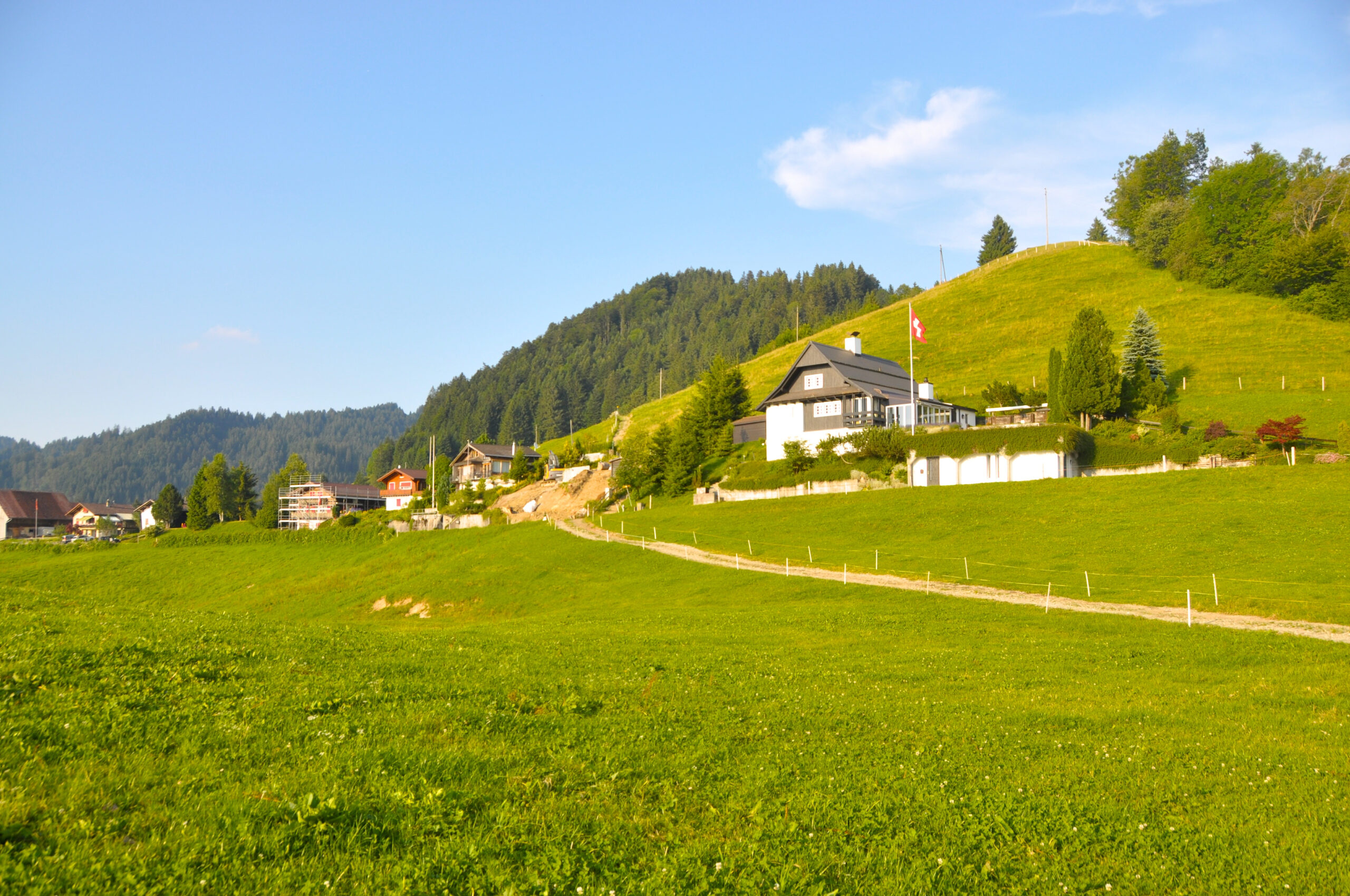
Same Pasture, More Grass: Boost Grass Production and Grazable Acres with Mesquite Control
Mesquite trees are a prevalent invasive species that have spread across the rangelands of the Southwest United States, particularly in areas that experience semi-arid climates. While mesquite trees may appear to be an inconspicuous part of the landscape, their rapid spread and dense growth can drastically reduce the productivity of rangelands. For landowners and ranchers, mesquite control is a necessary management practice to restore forage production, maintain grazing capacity, and support biodiversity on the land.
Mesquite’s Impact on Forage Production
Mesquite trees thrive in the Southwest’s harsh conditions and can quickly dominate vast stretches of land. As these trees proliferate, they shade out desirable grasses and forbs that are essential for both livestock and wildlife grazing. The dense canopy of mesquite trees limits sunlight from reaching the soil, stunting the growth of native grasses and reducing the availability of forage. This decline in forage production can have severe consequences for ranchers.
For instance, a 1,000-acre pasture that is overrun with mesquite trees may only have half of its original forage capacity. On a pasture that previously yielded 1,000 pounds of forage per acre, mesquite coverage could reduce total forage production to just 500 pounds per acre. In turn, ranchers are forced to either reduce herd size to match the reduced carrying capacity or invest in costly supplemental feed. These measures can lead to lower profits and decreased overall productivity.
Mesquite as a Hindrance to Wildlife Habitat
Beyond its impact on livestock, mesquite can also degrade wildlife habitats. The dense thickets formed by mesquite trees can obstruct movement and limit access to water sources for both large game and smaller wildlife. Species like deer, elk, and even smaller mammals, find it difficult to navigate through areas overrun by mesquite, reducing their chances of survival. Additionally, mesquite trees outcompete native plants for water, nutrients, and sunlight, further diminishing the quality of the habitat and available forage for wildlife.
For hunters, mesquite invasions can also significantly affect hunting experiences. The impenetrable thickets created by mesquite trees make it difficult to access hunting grounds and track game. Furthermore, the reduction in plant diversity due to mesquite’s dominance decreases the availability of food for wildlife, further impacting hunting opportunities.
Effective Mesquite Control: Triumph 22K CTA
One of the most effective ways to control mesquite on rangeland is through targeted herbicide applications. Herbicide treatments are most effective when applied during the winter months, from January to March, when mesquite trees are dormant, and there are no leaves on the plants to interfere with the herbicide’s absorption. This timing allows herbicides to target the plant’s root systems effectively, providing long-term control.
Triumph 22K by Alligare is an excellent herbicide choice for mesquite control. This product delivers a high rate of control on mesquite and other woody invasive species. When applied as a broadcast treatment at a rate of 32 oz/A or as a 1% v/v individual plant treatment, Triumph 22K provides systemic control that will ultimately reduce mesquite density and promote the regrowth of native grasses.
Triumph 22K works by targeting the mesquite tree’s root system, effectively starving the tree and preventing future growth. By eliminating mesquite, ranchers can restore healthy, native forage species and increase the grazing capacity of their land. The herbicide also offers broadleaf weed control, providing additional benefits to land managers who may be dealing with other invasive plant species.
One of the major advantages of Triumph 22K is its effectiveness in both large-scale broadcast treatments and smaller, more targeted applications. This versatility allows ranchers to manage mesquite infestations across vast areas while minimizing the impact on surrounding vegetation and wildlife habitats. Additionally, Triumph 22K is an economical option for mesquite control, making it a valuable tool for land managers looking to restore their pastures.
Other Mesquite Control Options: Cleargraze Herbicide
Another excellent herbicide for mesquite control is Alligare’s Cleargraze. Cleargraze can be applied as an individual plant treatment at a rate of 1% v/v, making it a good choice for areas with sparse mesquite trees or when treating specific problem spots on the landscape. Like Triumph 22K, Cleargraze works systemically, targeting the root system of the mesquite and halting its growth.
Restoring Grazing Land and Wildlife Habitats
By controlling mesquite, ranchers not only improve forage production and grazing capacity but also contribute to healthier, more diverse ecosystems. Removing invasive mesquite opens up the land for native grasses and other plants to thrive, providing a rich, varied diet for livestock and wildlife. For wildlife enthusiasts and hunters, controlling mesquite can restore vital travel corridors and increase the availability of forage, resulting in better wildlife populations and more rewarding hunting experiences.
When to Apply Herbicides for Best Results
Timing is crucial when it comes to mesquite control. The best time to apply herbicide is during the winter months, from January to March, when the plants are dormant. Soil moisture or upcoming rainfall is also important to ensure the herbicide is absorbed into the plant’s root system. Herbicide treatments applied under these conditions will be most effective, providing long-term results and reducing the need for frequent reapplications.
Conclusion: A Greener Future with Mesquite Control
Controlling mesquite is a critical step in restoring the productivity of rangelands and improving habitats for both livestock and wildlife. By using effective herbicides like Triumph 22K and Cleargraze, landowners can significantly reduce mesquite cover, increase forage production, and enhance the health of their pastures. Whether you’re a rancher looking to boost your grazing capacity or a hunter aiming to improve your hunting grounds, mesquite control offers a practical solution that benefits both the land and the people who rely on it. Take control of your pastureland today and watch it thrive—less mesquite, more grass!