-
Managing Manure in Autumn: From Waste to Garden Fertility
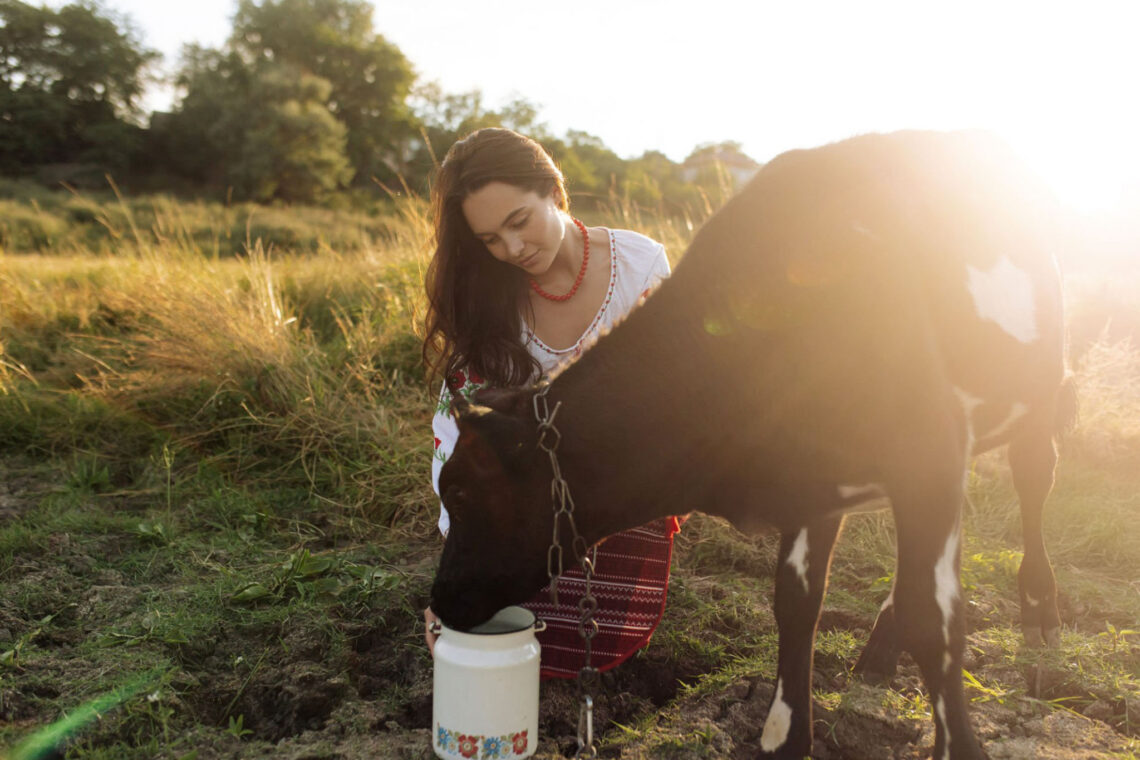
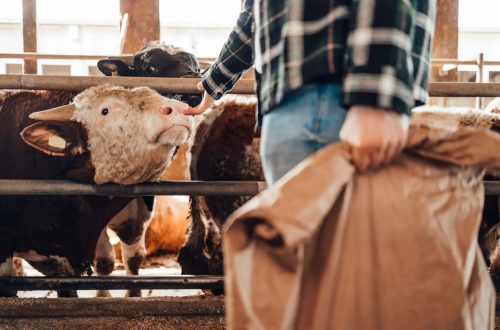
As autumn sets in and the growing season winds down, many homesteaders, ranchers, and gardeners face an important question: what to do with all that manure? Instead of viewing it as waste, autumn is the perfect time to turn livestock byproducts into a powerful tool for building soil fertility. Managed properly, manure applied in fall enriches the soil, prepares garden beds for spring planting, and reduces nutrient loss over winter. Why Autumn is the Ideal Season for Manure Management Fall offers several advantages for manure application: Composting vs. Raw Manure: Which Works Best? Not all manure should go straight into the garden. Knowing when to compost and when to apply…
-
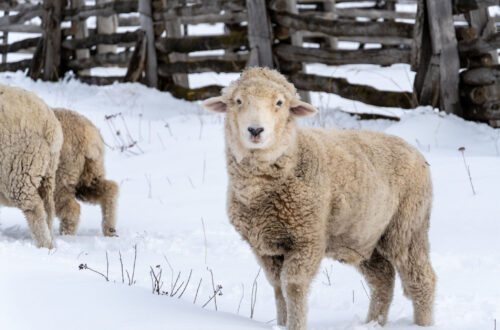
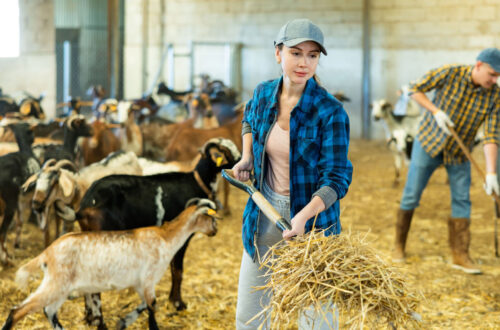
Fall Grazing Strategies: Stretching Forage and Saving Hay
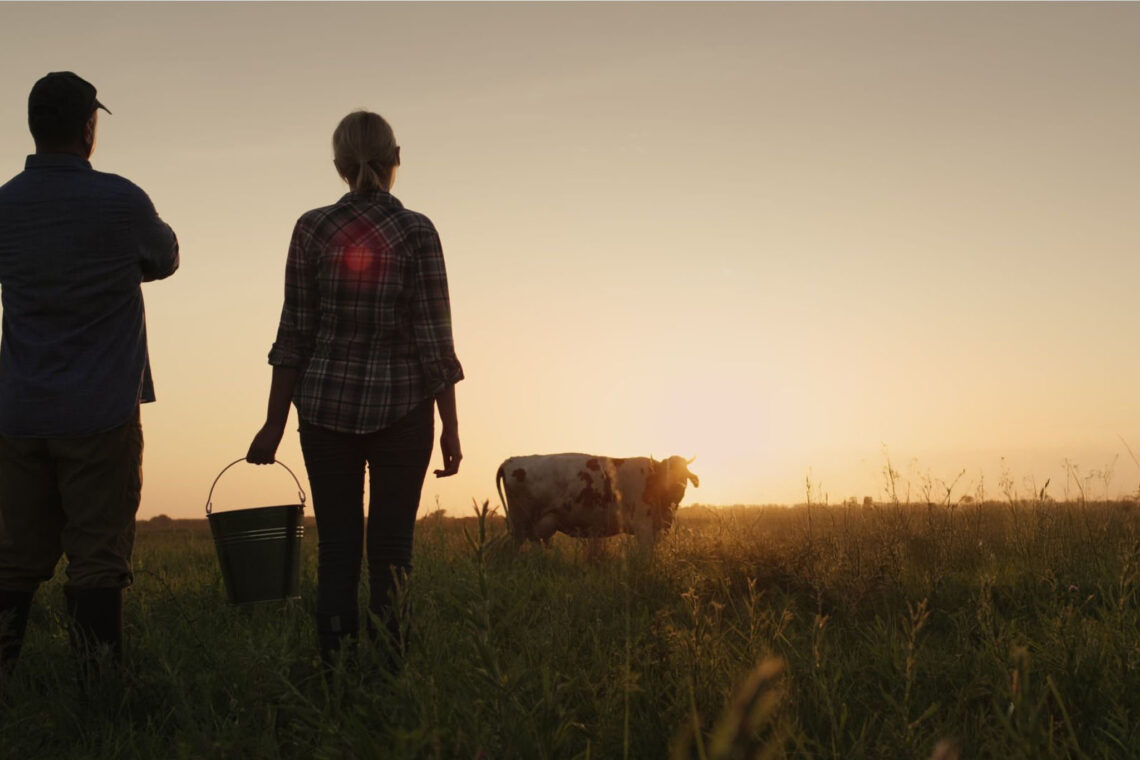
As the days grow shorter and temperatures begin to drop, ranchers face the challenge of keeping their herds fed while conserving valuable hay reserves. Fall is a transitional season—warm-season grasses are slowing down, while cool-season forages may still provide growth. By implementing smart grazing strategies now, you can stretch forage availability, maintain herd condition, and save hay for the harsher winter months. Here’s how to maximize your pastures and reduce feed costs with effective fall grazing strategies. Why Fall Grazing Management Matters Hay is often one of the biggest expenses in livestock production, and excessive winter feeding can eat into profits. Managing forage in the fall allows you to: Smart…
-
Cool-Season Grasses: Seeding Pastures for Strong Spring Growth
For ranchers and livestock owners, fall is more than a time to wind down—it’s the perfect opportunity to prepare pastures for the next grazing season. By seeding cool-season grasses in the fall, you set the stage for healthy, vigorous growth when spring arrives. These grasses thrive in cooler weather, establish strong root systems before winter, and provide early forage when your herd needs it most. If you’re looking to improve forage availability and pasture productivity, here’s what you need to know about seeding cool-season grasses for strong spring growth. Why Choose Cool-Season Grasses? Cool-season grasses, such as fescue, orchardgrass, ryegrass, and timothy, perform best in temperatures between 60°F and 75°F.…
-
Cool-Season Grasses: Seeding Pastures for Strong Spring Growth
For ranchers and livestock owners, fall is more than a time to wind down—it’s the perfect opportunity to prepare pastures for the next grazing season. By seeding cool-season grasses in the fall, you set the stage for healthy, vigorous growth when spring arrives. These grasses thrive in cooler weather, establish strong root systems before winter, and provide early forage when your herd needs it most. If you’re looking to improve forage availability and pasture productivity, here’s what you need to know about seeding cool-season grasses for strong spring growth. Why Choose Cool-Season Grasses? Cool-season grasses, such as fescue, orchardgrass, ryegrass, and timothy, perform best in temperatures between 60°F and 75°F.…
-
Autumn Garden Clean-Up: Turning Leaves Into Next Year’s Soil Gold
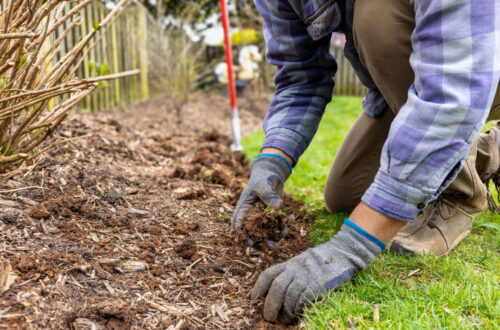
As the days grow shorter and the air turns crisp, gardeners know fall is more than just the end of the growing season—it’s the beginning of next year’s success. Autumn clean-up isn’t just about tidying the yard. With the right approach, the fallen leaves blanketing your lawn can be transformed into “soil gold,” enriching your garden for seasons to come. Instead of bagging them up or sending them to the curb, think of leaves as a natural resource—full of organic matter and nutrients that your soil craves. Here’s how you can make your autumn garden clean-up work for you and your plants. Why Leaves Are a Gardener’s Treasure Leaves are…
-
Fall Pasture Prep: Boosting Forage Before Winter Sets In
When fall rolls around, ranchers and livestock owners know the clock is ticking. Shorter days, cooler nights, and the looming threat of frost mean pastures won’t stay productive for long. But with the right preparation, you can stretch forage availability, improve pasture health, and set yourself up for stronger grazing in the spring. Fall is more than just a winding down season—it’s a critical window for boosting forage before winter sets in. Why Fall Preparation Matters During autumn, pastures are still actively growing, but at a slower pace compared to summer. Grasses and legumes are storing carbohydrates in their root systems to survive the winter and fuel early spring growth.…
-
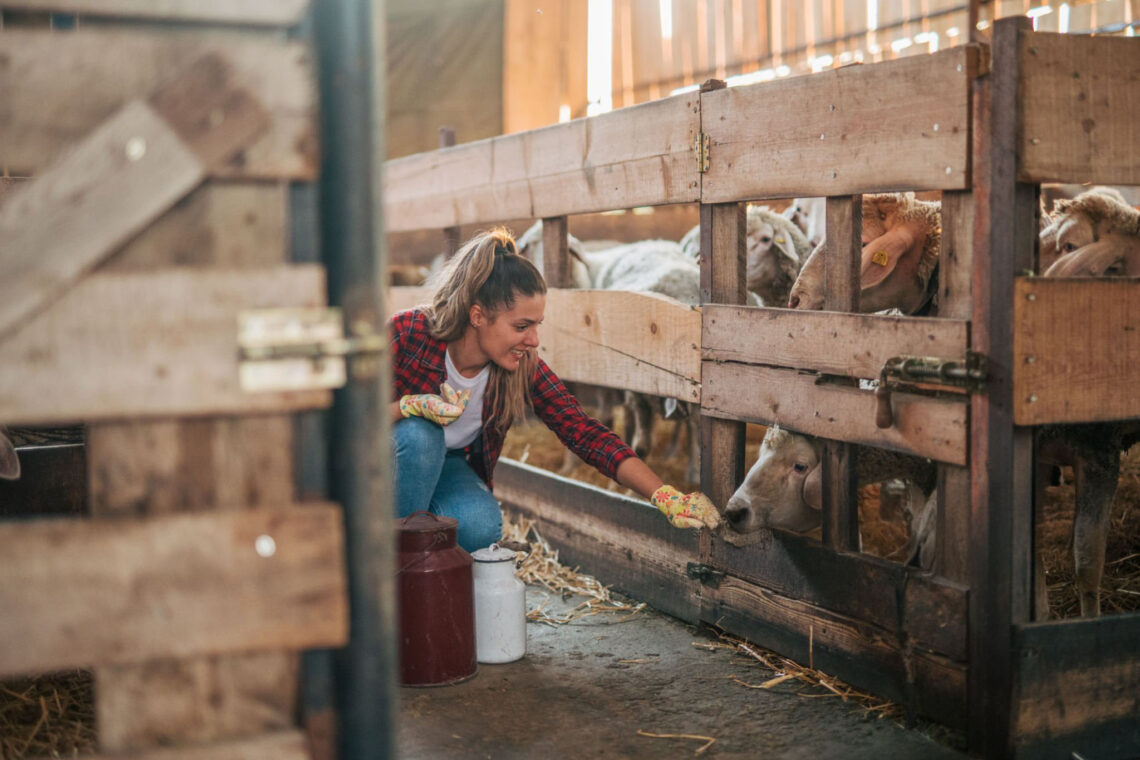
Autumn Minerals: Keeping Your Herd Strong Through Seasonal Shifts
As the leaves turn and pastures begin to slow their growth, ranchers and livestock owners face a critical question: how do you maintain herd health when forage quality changes? Autumn is more than just a season of cooler weather—it’s a nutritional transition period that can make or break animal performance. Providing the right minerals in fall helps your herd stay strong, boosts immunity, and prepares animals for winter challenges. Why Minerals Matter in Autumn During summer, livestock often have access to lush forage rich in protein and certain minerals. But as autumn progresses: Without proper mineral supplementation, herds are at risk of reduced weight gain, weakened immune systems, and reproductive…
-
Fall Forage Management: Boosting Pasture Productivity Before Winter
As the days grow shorter and temperatures drop, ranchers and livestock owners know that what they do in the fall can make or break pasture performance during the winter and early spring. Effective fall forage management not only ensures livestock have access to quality feed but also protects the long-term productivity of your pasture. By implementing strategic steps now, you can boost soil health, encourage strong root development, and set the stage for vigorous forage growth once warm weather returns. Why Fall Forage Management Matters Fall is a critical transition period for pastures. Grasses and legumes are slowing their above-ground growth, but underground, their root systems are still very active.…
-
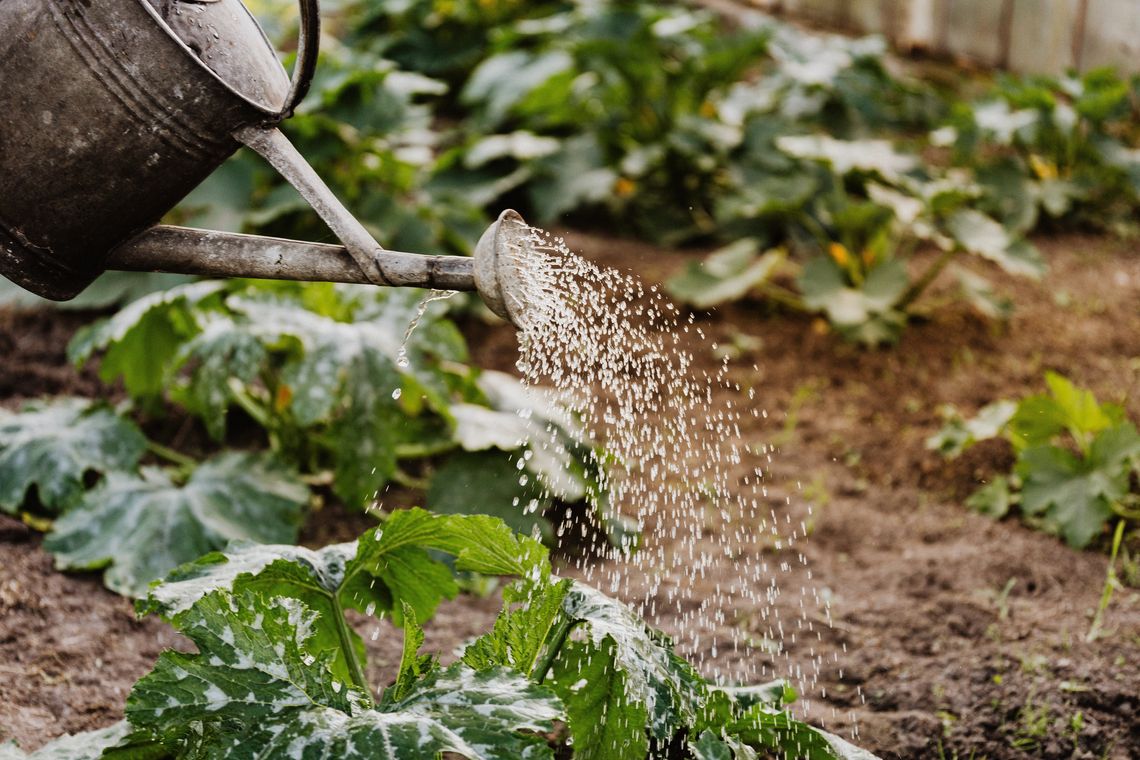
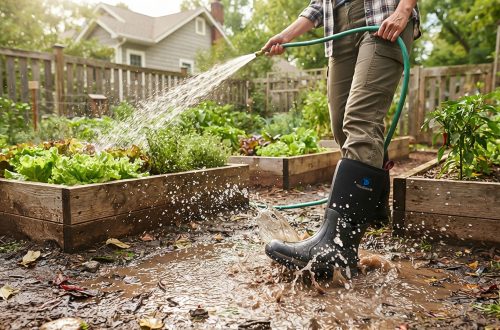
Fall Irrigation Tips: Knowing When to Stop Watering Your Garden
As the crisp air of autumn sets in, many gardeners start wondering: When is the right time to stop watering? While summer watering is a no-brainer, fall presents unique challenges. Cooler nights, shorter days, and shifting rainfall patterns mean your garden’s needs change dramatically. Stop too early, and your plants may enter winter stressed. Continue too long, and you risk root rot, wasted water, or weakened perennials. In this article, we’ll break down key fall irrigation tips, signs that it’s time to stop watering, and how to help your garden transition into dormancy so it comes back stronger next year. Why Fall Watering Matters Water is essential in autumn, but…
-
Building Soil Health in Fall: Composting Strategies That Pay Off Next Year
Healthy soil is the backbone of any productive garden or farm. While many people think of spring as the season to prepare for planting, fall may actually be the most important time to invest in soil health. By focusing on composting strategies in autumn, you can give your soil the nutrients, structure, and microbial life it needs to thrive when planting season rolls around. In this article, we’ll explore why fall composting matters, the best methods to use, and how ranchers and gardeners alike can maximize soil health for the coming year. Why Fall Is the Ideal Time for Composting Fall offers several unique advantages when it comes to composting:…