- Uncategorized
Autumn Livestock Care: Prepping Cattle, Sheep, and Goats for Cold Weather
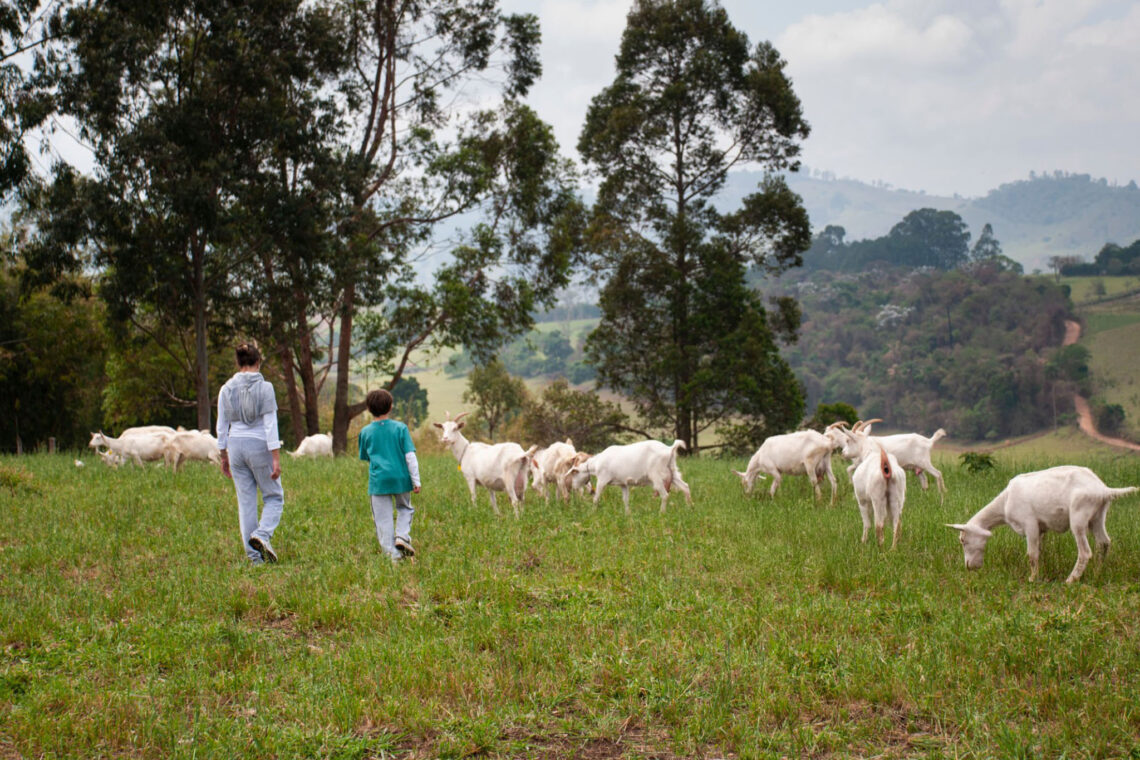
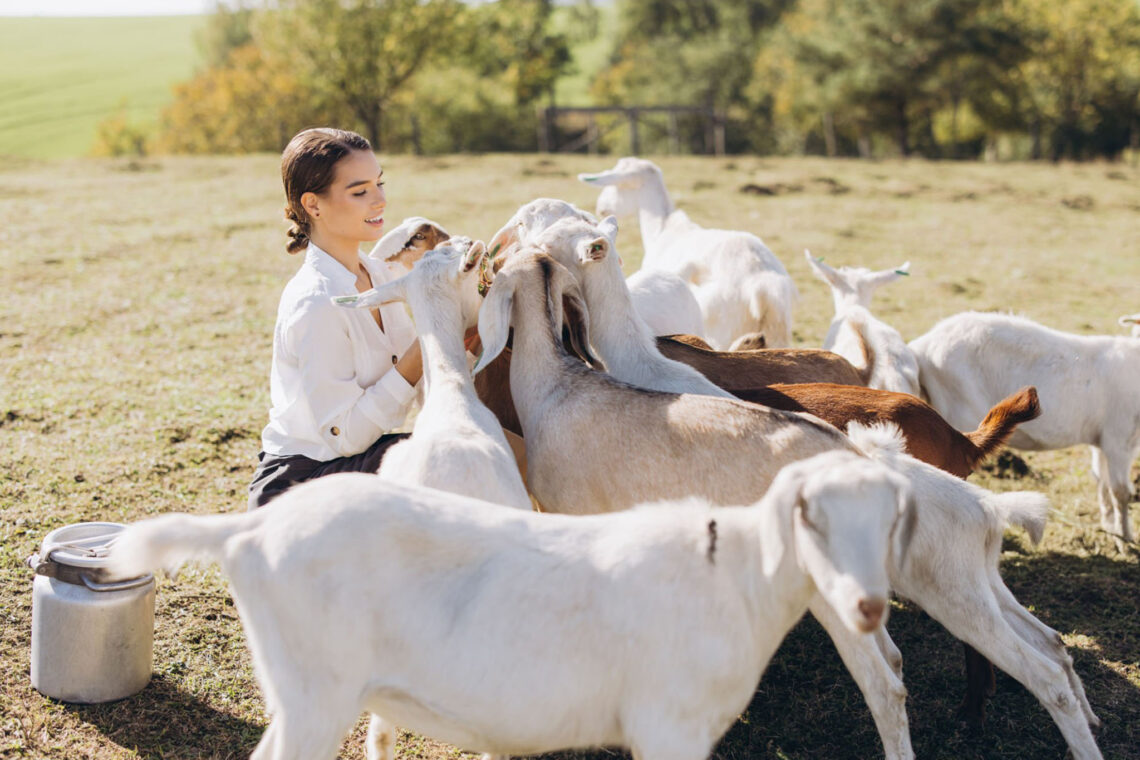
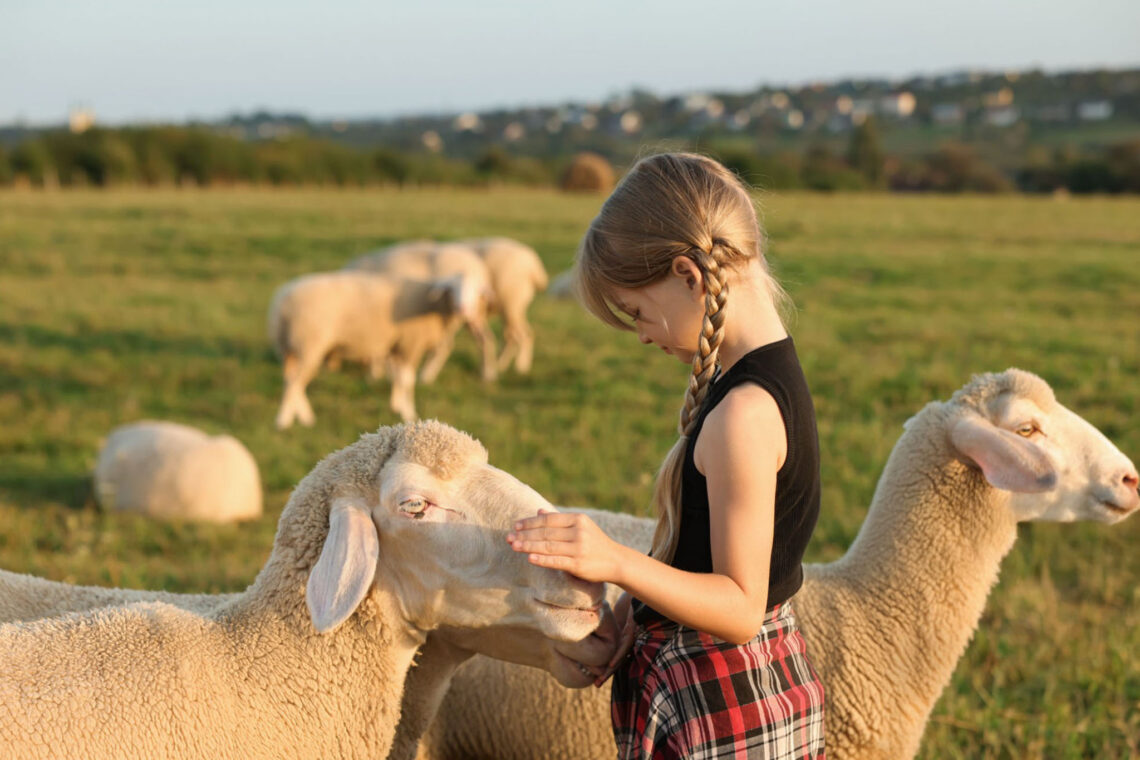
As the crisp air of autumn sets in, livestock owners must shift focus from summer grazing to winter preparation. For cattle, sheep, and goats, the approaching cold months bring new challenges: changing feed requirements, shelter needs, and preventive health measures. Early preparation ensures animals stay healthy, maintain proper body condition, and are resilient against the harshest winter weather. This guide provides practical strategies for autumn livestock care, helping farmers and ranchers prepare cattle, sheep, and goats for a safe and productive winter. Why Fall Preparation is Critical The transition from warm to cold weather impacts livestock in several ways: By addressing these factors early, livestock owners can prevent winter stress,…
- Uncategorized
Building Winter Shelters: Barn and Coop Prep in September
As September arrives, many homesteaders and livestock owners turn their attention to harvest season. But while crops and gardens often take center stage, preparing barns and coops for the coming cold months is just as critical. Early fall is the perfect time to shore up shelters, improve insulation, and make sure your animals have a safe, dry, and draft-free environment before winter hits hard. In this guide, we’ll break down why September is the ideal month for barn and coop prep, what specific steps you should take, and how to keep your livestock and poultry comfortable, healthy, and productive throughout the cold season. Why September Is the Best Month for…
- Uncategorized
Cover Crops in September: Building Fertile Soil for Spring
As the heat of summer fades and September rolls in, many gardeners and small-scale farmers are tempted to close up their plots until spring. But letting soil sit bare through fall and winter is a missed opportunity. By planting cover crops in September, you can protect your soil, enrich it with organic matter, and set yourself up for healthier, more productive beds next spring. Cover crops aren’t just for large farms—they’re a powerful tool for backyard gardeners, homesteaders, and ranchers looking to maintain fertile soil year after year. Let’s dive into why September is an ideal time to sow them, which varieties work best, and how to manage them for…
- Uncategorized
Fall Garden Clean-Up: How to Protect Beds for Next Year’s Growth
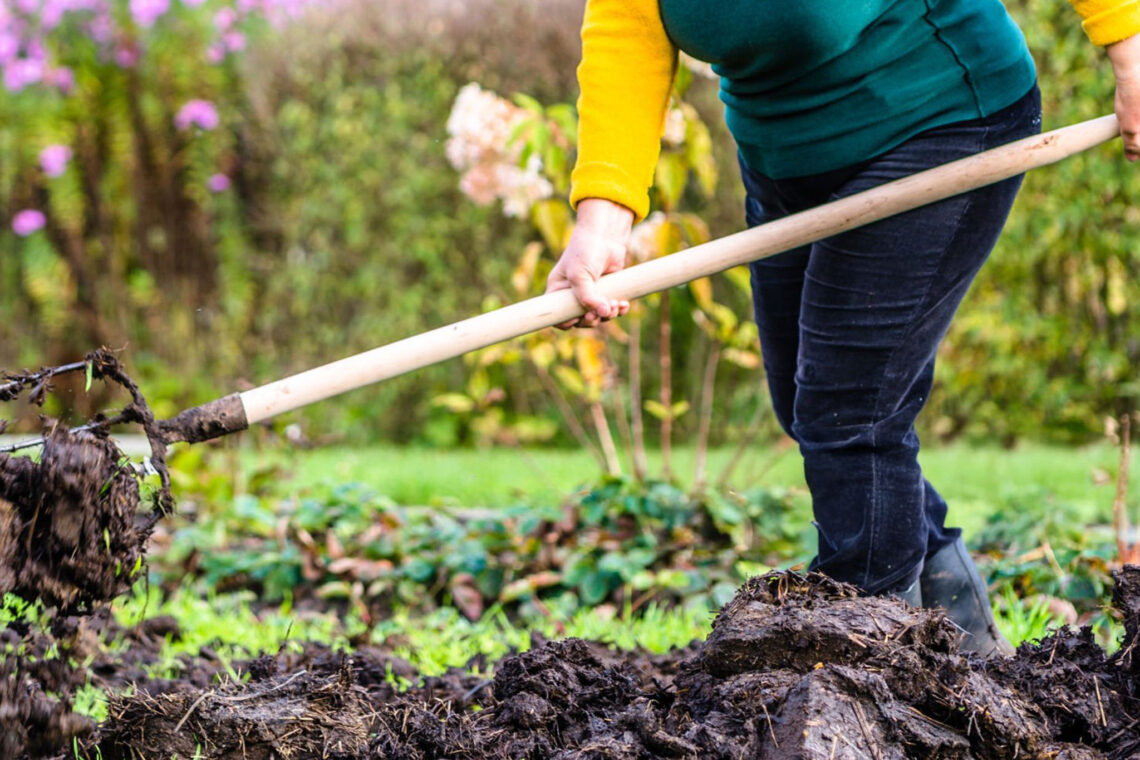
As autumn settles in and the growing season winds down, your garden is ready for one final round of attention. A thoughtful fall garden clean-up doesn’t just tidy things up before winter—it sets the stage for healthier, more productive beds in the spring. By preparing your soil, managing plant debris, and protecting your growing spaces, you give your garden a head start for next year’s crops. In this guide, we’ll cover the most effective fall garden clean-up strategies, with practical tips that help gardeners protect their investment and improve long-term soil health. 1. Clear Out Spent Plants the Right Way The first step in fall garden clean-up is removing old…
- Uncategorized
Supplement Feeding in Autumn: When and What to Provide
Autumn is a critical time for livestock nutrition. As pastures begin to slow their growth and forage quality declines, animals may not get all the nutrients they need from grazing alone. Proper supplement feeding in autumn ensures livestock maintain body condition, supports immune function, and prepares them for the stresses of winter. Understanding when and what to provide is essential for both herd health and long-term pasture productivity. Why Autumn Supplement Feeding Matters By late summer and early fall, most pastures have matured, and the protein and energy content of grasses and legumes begins to drop. Cooler nights and shorter days also reduce forage growth, which can limit the amount…
- Uncategorized
Pasture Planning for Fall: Rotation Strategies Before Winter Dormancy
As summer grazing winds down and cooler nights arrive, pasture managers face a critical window to prepare forage systems for the months ahead. Fall is not just the end of the grazing season—it’s the time when management decisions determine how healthy your pastures emerge in spring. By focusing on rotation strategies before winter dormancy, ranchers and livestock owners can protect forage stands, reduce overgrazing stress, and set up their animals and land for long-term success. Why Fall Pasture Planning Matters Grass growth slows significantly in September and October as shorter days and lower soil temperatures reduce photosynthesis. Overgrazing during this period can strip pastures of the leaf area needed to…
- Uncategorized
Late-Season Harvest: How to Extend Your Garden’s Productivity Into Fall
For many gardeners, September signals the winding down of the growing season. But with the right strategies, your garden can continue producing fresh vegetables and herbs well into the fall—sometimes even past the first frost. Extending your harvest isn’t just about squeezing in a few extra weeks of productivity; it’s about maximizing the potential of your soil, protecting your plants, and adapting your garden to cooler conditions. Why Extend the Harvest? Late-season gardening has multiple benefits: Step 1: Know Your Frost Dates The key to extending productivity is working around your local frost dates. Most regions in the U.S. experience their first frost between late September and early November. By…
- Uncategorized
September Garden Prep: Soil Care That Pays Off Next Spring
As summer winds down and cooler evenings start to settle in, many gardeners pack away their tools and wait for next spring. But September is actually one of the most important months for long-term garden success. By focusing on soil care now, you’re not just tidying up your garden—you’re laying the foundation for healthier plants, bigger blooms, and stronger harvests next year. Why Soil Care in September Matters Soil isn’t just dirt. It’s a living ecosystem filled with microbes, fungi, minerals, and organic matter. By late summer, after heavy feeding from crops and flowers, your soil is often depleted. Without replenishment, spring planting may lead to weak seedlings and underwhelming…
- Uncategorized
Body Condition Scoring in Fall: Ensuring Livestock Are Winter-Ready
As the days shorten and the first frosts loom, ranchers know that winter preparation begins long before snow hits the ground. One of the most effective—and often overlooked—tools for fall herd management is Body Condition Scoring (BCS). By assessing your livestock’s condition in September and October, you can make targeted management decisions that save money on feed, improve herd health, and set animals up for winter success. What Is Body Condition Scoring? Body Condition Scoring is a hands-on evaluation system that estimates the amount of fat and muscle an animal carries. It provides a simple, standardized way to gauge whether an animal is underweight, overweight, or in optimal condition before…
- Uncategorized
Fall Grazing Strategies: Getting the Most from Pasture Before Winter
As days shorten and nights cool, pastures enter a critical stage of growth. Fall is a transition season—not just for plants, but also for livestock and the ranchers who depend on healthy forage. While many producers shift their focus toward hay feeding or winter supplements, maximizing fall grazing can stretch resources, save money, and set the stage for healthier pastures in the spring. With the right strategies, you can balance livestock nutrition and pasture recovery, ensuring both thrive as the growing season winds down. Why Fall Grazing Matters Pastures don’t stop growing the moment temperatures drop. In fact, many cool-season grasses such as fescue, orchardgrass, and ryegrass experience a fall…