-
Best Boots for Seaweed Farming and Kelp Harvest Work
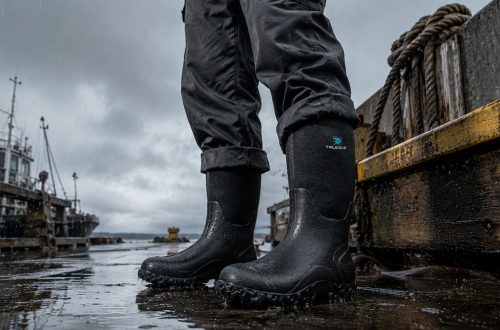
Seaweed farming combines commercial fishing, aquaculture, marine agriculture, dock work, harvesting, and food production in one unusually wet working environment. Workers may begin before sunrise loading equipment onto a boat, travel to offshore or nearshore growing lines, pull wet kelp or seaweed from the water, handle ropes and floats, return to a dock, unload heavy harvest containers, wash equipment, and finish the day inside a processing or drying facility. Footwear may encounter: That makes waterproof footwear one of the most important pieces of everyday equipment for many seaweed-farm workers. The best boots for seaweed farming should keep feet dry, provide dependable traction on wet marine surfaces, remain easy to clean,…
-
Best Boots for Maple Syrup Farm and Sugarbush Work
Maple syrup production takes place during one of the messiest transitions of the year. As winter begins to give way to spring, workers move through forests filled with melting snow, frozen ruts, wet leaves, mud, sap tubing, steep slopes, ATVs, collection tanks, and sugarhouse equipment. A maple producer may begin the day walking a frozen sugarbush, repair tubing as temperatures rise, cross increasingly muddy trails, collect sap, operate pumps, drive an ATV, and finish the shift inside a warm sugarhouse cleaning equipment. Footwear may encounter: That makes waterproof footwear especially important during sugaring season. The best boots for maple syrup farm work should keep feet dry, provide stable traction in…
-
Best Boots for Cranberry Bog and Wet Harvest Work
Cranberry farming creates one of the wettest working environments in commercial fruit production. Unlike many crops that are harvested from dry rows, cranberries may be collected using wet-harvest methods that intentionally flood production beds so ripe berries can be loosened, floated, gathered, and transported. Workers may spend the day walking along bog edges, checking water levels, operating pumps, handling hoses, guiding floating berries, maintaining dikes, moving harvest equipment, and working around cold standing water. Footwear may encounter: The best boots for cranberry bog work should provide dependable waterproof protection, enough shaft height for wet conditions, secure heel retention in soft ground, stable traction on muddy dikes, and enough comfort for…
-
Best Boots for Compost Facility and Organic Waste Processing Work
Compost facilities combine agriculture, waste handling, heavy equipment, wet organic material, mud, gravel, washdown, and industrial processing in one demanding work environment. Employees may begin the day inspecting compost windrows, move through a muddy tipping area, unload food or yard waste, operate loaders, monitor moisture levels, clean processing equipment, walk across gravel yards, and finish the shift around screening or loading areas. Footwear may encounter: That makes waterproof and easy-clean footwear especially useful. The best boots for compost facility workers should keep feet dry, provide dependable traction in mud and organic material, remain supportive on gravel and concrete, clean easily after dirty work, and offer enough protection for employees working…
-
Best Boots for Flower Farm and Cut Flower Harvest Work
Flower farming may look cleaner and lighter than many agricultural jobs, but cut-flower production still requires long hours of walking, bending, harvesting, carrying buckets, managing irrigation, working through wet vegetation, and moving between fields, greenhouses, packing sheds, and delivery areas. A flower-farm worker may begin before sunrise walking through rows covered in dew, cut flowers for several hours, carry water-filled buckets, repair irrigation, move through muddy field paths, enter a greenhouse, prepare stems for packing, and finish the day loading flowers for delivery. Footwear may encounter: That makes waterproof footwear especially useful. The best boots for flower farm work should keep feet dry, remain lightweight enough for long harvesting routes,…
You May Also Like
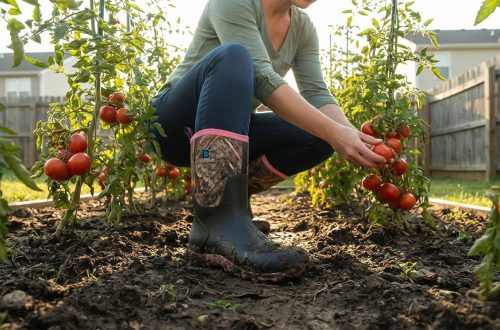
Best Boots for Strawberry Farm Work: Waterproof Footwear for Berry Picking, Muddy Rows, and Harvest Season
Why Cheap Rain Boots Are a False Economy (And How Trudave Breaks the Cycle)
Best Boots for Oyster Farm Work: Waterproof Footwear for Mudflats, Tidal Farms, Wet Docks, and Saltwater
-
Best Boots for Sod Farm and Turf Harvest Work
Sod farms may look like perfectly maintained lawns stretched across hundreds of acres, but producing and harvesting turf is demanding agricultural work. Employees may begin before sunrise walking through dew-covered grass, inspect irrigation, operate sod-cutting equipment, stack rolls or slabs, load pallets, repair wet field areas, drive tractors, and prepare finished turf for delivery. Footwear may encounter: That makes waterproof footwear especially useful. The best boots for sod farm workers should keep feet dry, provide stable traction without unnecessarily damaging turf, remain comfortable during long walking shifts, and offer enough support for harvesting, lifting, machinery operation, irrigation work, and pallet handling. Sod Farming Creates a Unique Footwear Challenge Workers need…
-
Best Boots for Rice Farm and Paddy Field Work
Rice farming creates some of the wettest working conditions found in agriculture. Depending on the growing stage and production system, workers may spend much of the day around flooded fields, irrigation channels, wet clay, muddy levees, pumping equipment, tractors, combines, grain carts, and standing water. A rice farm employee may begin the morning checking water levels, walk along saturated levees, repair an irrigation gate, enter a muddy field, operate machinery, inspect drainage, and finish the day around grain-handling or drying equipment. Footwear may encounter: That makes waterproof footwear essential for many rice-farm jobs. The best boots for rice farming should keep feet dry, remain secure in deep mud, provide enough…
-
Best Boots for Beekeeping and Apiary Work
Commercial beekeeping requires much more outdoor work than many people realize. Beekeepers may spend entire days moving between apiaries, carrying hive equipment, inspecting colonies, feeding bees, loading honey supers, transporting hives, maintaining access roads, and working in orchards or crop fields during pollination season. Footwear may encounter: That makes footwear an important part of everyday apiary work. The best boots for beekeeping should keep feet dry, provide stable traction on wet agricultural ground, remain comfortable during long walking and standing shifts, and fit securely enough for workers carrying heavy hive components. Bee Yards Are Often Wetter Than They Look Many apiaries are located on: These areas may stay damp long…
-
Best Boots for Christmas Tree Farm and Tree Harvest Work
Christmas tree farms become some of the busiest outdoor agricultural businesses of the year during late fall and early winter. Workers may spend entire days walking through wet grass, cutting trees, dragging them across muddy rows, operating tractors, helping customers, netting trees, loading vehicles, maintaining gravel parking areas, and working through cold rain or early snow. A normal shift may involve: That makes footwear an important part of seasonal tree-farm work. The best boots for Christmas tree farm workers should provide dependable waterproof protection, secure traction in wet grass and mud, enough support for long walking shifts, and enough flexibility for workers who cut, drag, lift, carry, net, and load…
-
Best Boots for Apple Orchard and Fruit Harvest Work
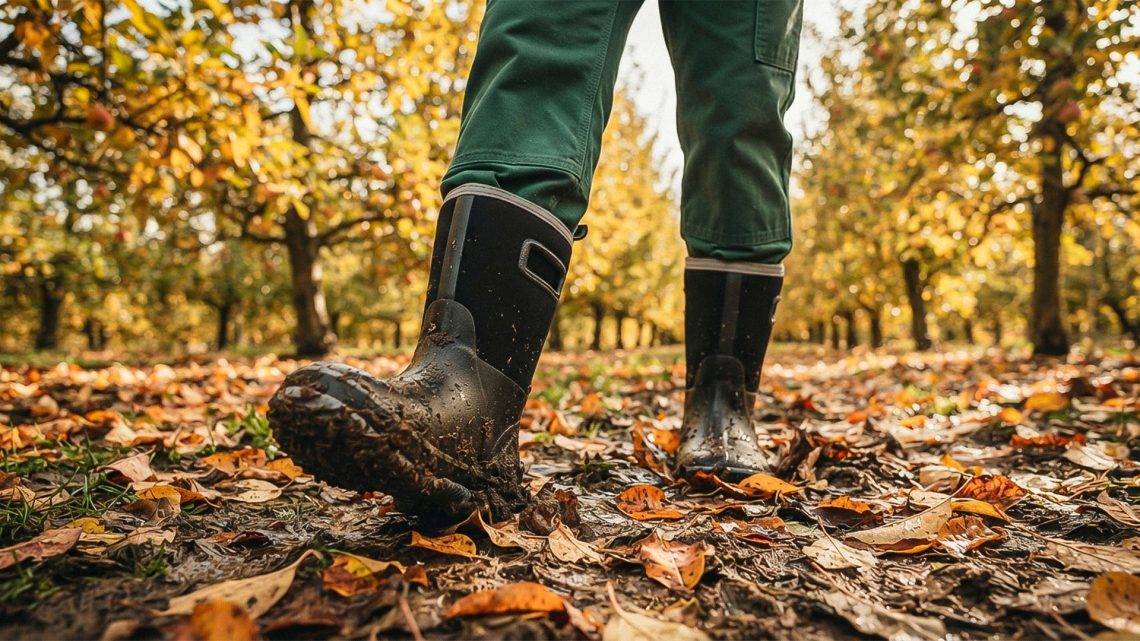
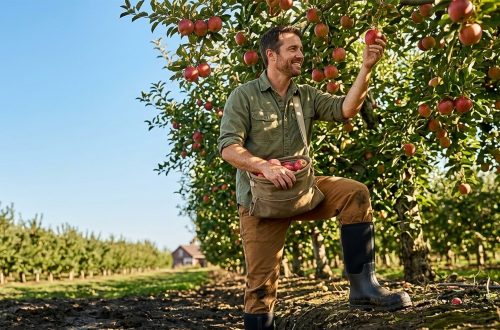
Apple orchard work combines long walking routes, wet grass, muddy rows, ladders, irrigation, heavy fruit bins, tractors, packing areas, and rapidly changing fall weather. A harvest worker may begin before sunrise walking through dew-covered grass, climb ladders for several hours, carry picking bags, move bins, cross muddy tractor lanes, help with irrigation repairs, and finish the day around a packing shed or loading area. Footwear may encounter: That makes footwear an important part of orchard work. The best boots for apple orchard workers should provide dependable waterproof protection, secure heel fit, stable traction on wet grass and soil, enough flexibility for ladder work, and sufficient cushioning for long harvest shifts.…