-
Feeding Strategies for Cattle When Pastures Go Dormant
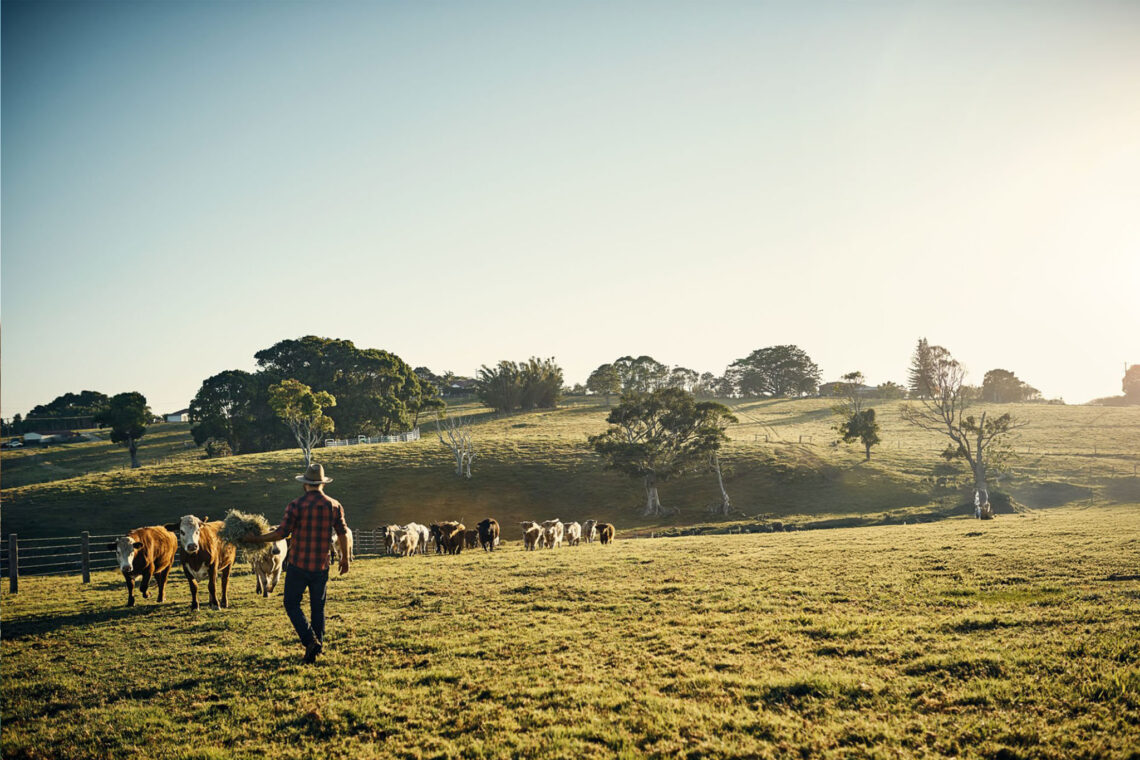
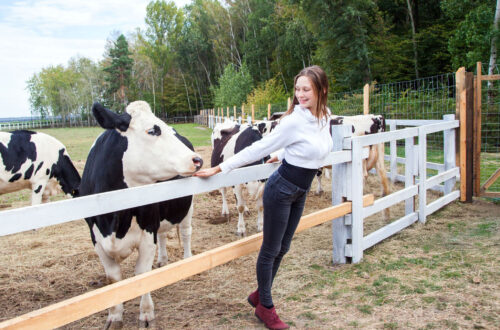
As fall fades into winter, green forage dwindles and pastures slip into dormancy. For cattle producers, this seasonal shift marks a critical turning point in herd management. When fresh grazing is no longer available, providing cattle with the right nutrition becomes the backbone of herd health, productivity, and profitability. Planning feeding strategies before pastures go dormant ensures cattle maintain body condition, calving success remains high, and winter feed costs stay under control. Let’s take a closer look at effective approaches to keep cattle thriving through the dormant season. Why Dormant Pastures Can’t Carry the Herd Dormant forage often looks plentiful, but appearances can be deceiving. Once grass stops actively growing,…
-
Autumn Herd Health: Vaccinations and Parasite Control Before Winter
As the crisp air of fall settles in and pastures begin to lose their summer lushness, ranchers across the country know one thing for certain: winter is coming fast. And while most ranch chores in autumn revolve around preparing feed, repairing fences, or winterizing water systems, herd health should sit at the very top of the list. Fall is the perfect time to focus on vaccinations and parasite control—two cornerstones of keeping cattle, sheep, and goats strong and productive through the cold months ahead. In this guide, we’ll cover why fall herd health management matters, what vaccinations should be prioritized, and how to handle internal and external parasites before winter…
-
Soil Testing in Autumn: Setting Up Fertility for Next Season
Healthy soil is the foundation of a thriving garden or pasture. While many gardeners and land managers wait until spring to think about soil fertility, autumn is actually one of the best times to conduct soil testing. By analyzing your soil before winter sets in, you gain valuable insights into its nutrient levels, pH balance, and organic matter content—allowing plenty of time to correct deficiencies and prepare for a successful growing season ahead. Why Test Soil in Autumn? What Soil Testing Reveals A comprehensive soil test provides more than just NPK (nitrogen, phosphorus, potassium) levels. It can also reveal: How to Take a Soil Sample Interpreting Test Results Once results…
-
Fall Garden Cleanup: What to Remove and What to Leave for Wildlife
As fall paints the landscape with crisp mornings and colorful foliage, gardeners face the important task of cleaning up their plots. While many instinctively clear away everything to create a tidy space before winter, a growing number of gardeners are recognizing the benefits of a more balanced approach—removing what could harbor pests and disease while leaving certain plants and structures to support local wildlife. A thoughtful fall cleanup not only protects next year’s crops but also creates a thriving backyard habitat. Why Fall Cleanup Matters Cleaning up your garden in fall does more than improve appearances. It sets the stage for soil health, pest management, and wildlife support through the…
-
Fall Fence Fixes: Keeping Your Livestock Safe Through Winter
As temperatures drop and winter approaches, livestock producers face a crucial responsibility: ensuring that fences are ready to withstand the season. A fence that holds up through snow, ice, and wind not only keeps animals safe but also prevents costly escapes, property damage, and liability concerns. Fall is the perfect time to assess, repair, and reinforce fencing before conditions make maintenance more difficult. Why Fall Fence Maintenance Matters Fences endure a lot throughout the year—spring rains soften soil around posts, summer heat warps wood, and grazing livestock put constant pressure on wire and gates. By the time autumn rolls around, hidden weaknesses may have developed. If left unchecked, these vulnerabilities…
-
Cattle Health in Cool Weather: Feeding and Shelter Tips
As the crisp air of fall turns into the chilly bite of early winter, ranchers face new challenges in keeping their cattle healthy. Cool weather puts extra demands on livestock, from increased energy needs to the risk of illness if cattle are exposed to cold stress for too long. By focusing on smart feeding practices and reliable shelter, you can set your herd up for a healthier, more productive season. Understanding the Impact of Cool Weather on Cattle Unlike summer heat stress, which limits intake and slows growth, cold weather ramps up a cow’s metabolism. When temperatures drop below a cow’s lower critical temperature (often around 32°F for animals with…
-
Building Compost Piles: Turning Fall Waste Into Spring Fertility
Fall is a season of abundance—and of cleanup. Leaves blanket lawns, garden beds finish their growing cycles, and orchards drop fruit. This seasonal debris, often seen as waste, is actually garden gold when transformed into compost. With proper preparation in fall, you can create rich, fertile soil that will feed your garden and fields in spring. This guide will walk you through why fall is the perfect time to build compost piles, what materials to use, and how to turn autumn waste into lasting fertility for your soil. Why Fall Is the Best Time to Compost Fall composting offers several advantages: What to Compost in Fall A healthy compost pile…
-
Leaf Litter or Compost Gold? Smart Ways to Use Fall Foliage
As autumn unfolds, countless trees shed their leaves, blanketing yards, gardens, and pastures in a colorful, crunchy carpet. While many see this as a chore, savvy homesteaders and gardeners know that fall foliage is not waste—it’s a natural resource rich in nutrients, organic matter, and potential soil benefits. The question is: how to turn this seasonal bounty into compost gold instead of landfill fodder? This guide will walk through why leaf litter matters, smart ways to reuse it, and how to integrate it into your gardening and homestead strategy. Why Leaf Litter Matters Leaves are more than seasonal décor. They are: Properly utilized, leaf litter is an inexpensive, renewable resource…
-
Water Systems in Fall: Preventing Freeze Before It Starts
As fall progresses and the nights grow colder, ranchers and homesteaders know that water management becomes one of the most important seasonal tasks. Frozen water systems not only disrupt livestock hydration but can also cause costly damage to infrastructure. By addressing freeze prevention in advance, you protect both your animals and your investment. This guide covers practical strategies for keeping water flowing through fall and winter—from pasture water lines to barn hydrants and troughs. Why Freeze Prevention Matters Water is a non-negotiable for livestock. Cattle, horses, sheep, and goats all require consistent access to clean water even in the coldest months. When systems freeze: By taking action in fall, you…
You May Also Like
Rubber vs. Neoprene — The Science Behind Trudave Gear’s Rain Boot Materials (And Why It Matters When You’re Standing in a Puddle)
The Perfect Fit: How to Choose Trudave Rain Boots for Wide Feet, Narrow Feet, Flat Arches, and High Arches
Frost-Layer Gardening: Why Your Winter Soil Needs Protection More Than You Think
-
Evaluating Pasture Stubble: How Much Forage to Leave Before Frost
As fall winds sweep across the pasture and the first hints of frost appear on the horizon, ranchers face a critical decision: how much forage should be left behind when grazing ends? While it may be tempting to graze cattle down to the bare soil, proper stubble height is the foundation of pasture health, regrowth potential, and herd nutrition going into winter. Managing stubble correctly ensures that pastures bounce back strong in spring and helps maintain soil integrity through the colder months. Why Stubble Height Matters Leaving the right amount of forage after fall grazing isn’t just about aesthetics. Stubble height plays several roles in long-term pasture productivity: In short,…