gardening
-
Early Spring Is When Gardens Decide Their Pace
Every growing season has a moment that quietly determines how everything unfolds. It doesn’t happen at planting time, and it doesn’t happen when the garden first turns green. It happens earlier—when spring has technically arrived, but the garden is still moving slowly. Early spring is when gardens decide their pace. This short window sets the rhythm for root growth, leaf development, flowering, and harvest timing. Gardens that move too fast early often struggle later. Gardens that establish a steady pace early tend to stay balanced all season long. Pace Is More Important Than Speed A fast start can look impressive, but it isn’t always productive. Plants that rush growth early…
-
What Gardens Are Doing While the Soil Still Feels Cold
Early spring can be deceiving. The days grow longer, the sun feels stronger, and a few green tips begin to show. Yet when you press your hand into the soil, it’s still cold. Many gardeners assume little is happening underground during this phase. In reality, this is one of the most important periods of the entire growing season. While the soil still feels cold to the touch, gardens are quietly reorganizing—laying down the groundwork that determines how plants will grow, resist stress, and produce later in the year. Soil Doesn’t Wake Up All at Once Soil warms unevenly. Even within the same garden, temperature varies by: The surface may warm…
-
Cold Nights, Warming Days: How Plants Decide When to Grow
Early spring sends mixed signals. Afternoons feel mild, the sun gains strength, and a few plants begin to stir. Then night falls, temperatures drop, and growth pauses again. To gardeners, this looks like hesitation. To plants, it’s information. Plants don’t respond to single warm days. They grow only when a pattern makes sense. Plants Track Trends, Not Weather Events A warm afternoon doesn’t trigger growth on its own. Plants are wired to read consistency. They evaluate: Cold nights act as a braking system, preventing plants from committing resources too early. Why Nighttime Temperatures Matter More Than You Think During the day, photosynthesis produces energy. At night, plants decide how to…
-
Before the Soil Fully Wakes Up: What Early Spring Gardens Need Most
Early spring is deceptive. The days get longer, the air feels softer, and a few warm afternoons convince gardeners that the season has arrived. But beneath the surface, the soil is still half asleep. Roots are sluggish, microbial life is just beginning to stir, and moisture behaves very differently than it will a month from now. Before seeds go in and transplants move out, the most important work of early spring happens quietly, below ground. Why Soil Readiness Matters More Than Air Temperature Plants don’t grow in the air—they grow in soil. In early spring, soil temperature lags well behind daytime highs, especially in heavier or shaded beds. Cold soil:…
-
Holding vs Moving Cattle: Early Spring Decisions That Shape Summer Gains
Early spring puts ranchers in a familiar bind. The grass isn’t ready, the ground is soft, feed costs are still real, and cattle are restless. Every decision feels temporary—but in reality, what you do with cattle during this short window quietly sets the ceiling for summer performance. Whether you hold cattle longer or start moving them early, the choice affects pasture recovery, animal condition, and how much flexibility you’ll have when heat, drought, or market pressure shows up later. Early spring isn’t about perfect timing—it’s about managing trade-offs with intention. Why Early Spring Decisions Matter More Than They Look From the outside, holding cattle an extra week or turning them…
-
Spring Thaw Isn’t Uniform: Why One Pasture Recovers Faster Than Another
Every spring, ranchers notice the same puzzling pattern: two pastures, side by side, coming out of the same winter—yet one firms up, greens up, and carries animals weeks earlier than the other. The instinct is to blame weather or luck. In reality, uneven spring recovery is predictable, readable, and manageable once you know what’s happening below the surface. Early spring isn’t just a waiting period—it’s a diagnostic season. Understanding why one pasture rebounds faster than another helps you protect forage, avoid soil damage, and set the tone for the entire grazing year. Spring Thaw Happens Underground First What looks like “spring thaw” above ground is actually a series of changes…
-
Reading Grass Recovery Without Guessing or Waiting Too Long
Every spring, ranchers face the same balancing act: turn livestock out too early and risk damaging the pasture, or wait too long and lose valuable grazing days. Guesswork hurts both sides of that decision. The key isn’t the calendar. It’s learning how to read grass recovery accurately—using clear, repeatable field signals that remove uncertainty and keep your operation moving forward at the right pace. Why Timing Grass Recovery Is So Tricky Early spring growth often sends mixed signals. A pasture can look green while still being fragile, or appear slow while actually rebuilding strength underground. This confusion comes from: Visual color alone doesn’t tell the full story. Recovery happens in…
-
Spring Green-Up Isn’t Here Yet: Managing Pastures in the In-Between
Early spring on a ranch is full of false signals. The snow is gone, days are longer, and patches of green begin to show—but that doesn’t mean pastures are ready. This in-between period, when winter has ended but true green-up hasn’t arrived, is where many grazing mistakes are made. Managing pastures during this window isn’t about rushing growth. It’s about protecting what’s already there so the season doesn’t start at a deficit. What “Green-Up” Really Means (And What It Doesn’t) Green-up is often confused with visible color. In reality, true green-up starts below the soil surface, when plants rebuild root energy reserves and begin sustained growth. Early green shoots may…
-
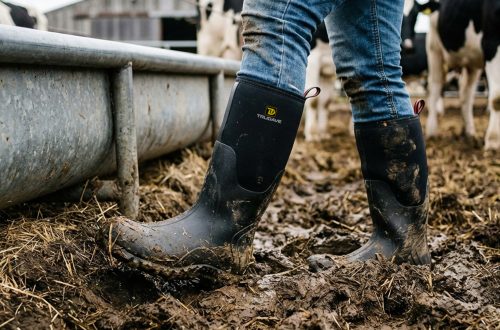
Soft Ground, Heavy Hooves: Managing Livestock on Saturated Pastures
Early spring on a working ranch often means mud, standing water, and ground that hasn’t fully recovered from winter. While livestock are eager to get off hay and back onto pasture, saturated soil creates real challenges. Heavy hooves on soft ground can undo months of pasture recovery in just a few days. Managing livestock during mud season isn’t about stopping grazing altogether—it’s about protecting soil structure, animal health, and long-term forage productivity. Why Saturated Pastures Are So Vulnerable When soil is waterlogged, its structure weakens. Pore spaces that normally hold air collapse under pressure, leading to compaction, root damage, and slow regrowth. On saturated ground, hoof traffic causes: Once damaged,…
-
When Not to Turn Cattle Out: Reading Pasture Readiness in Spring
Every spring brings the same temptation: pastures start to green up, hay piles are shrinking, and cattle are restless. Turning cows out early feels like progress. But on many ranches, that single decision—made too soon—sets pasture performance back for the entire season. Knowing when not to turn cattle out is just as important as knowing when to start grazing. Spring pasture readiness isn’t about color or calendar dates. It’s about root strength, soil stability, and long-term forage health. Green Doesn’t Always Mean Ready Early spring grass often looks ready before it actually is. New growth is soft, shallow-rooted, and highly vulnerable to hoof pressure. Grass that isn’t ready will: If…