gardening
-
The Hidden Damage Caused by Grazing During Wet Soil Conditions
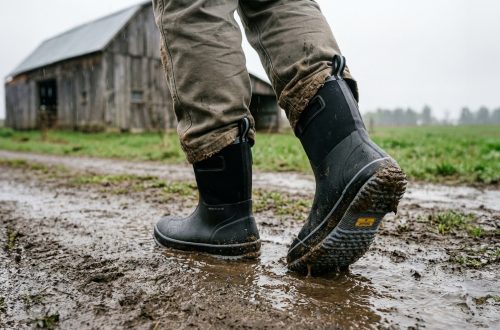
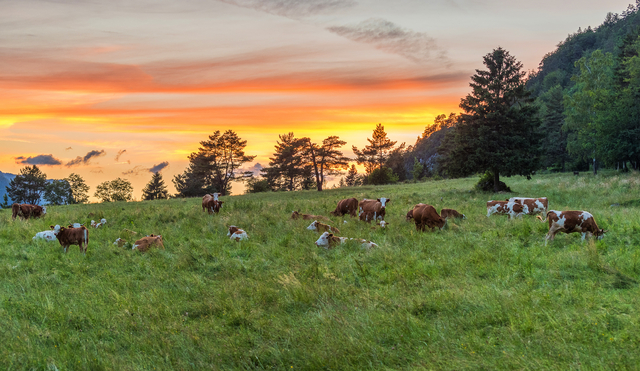
Early spring and rainy seasons often create a difficult decision for ranchers and livestock producers: keep feeding hay and wait for pastures to dry, or turn cattle out and hope the ground can handle it. While grazing during wet soil conditions may seem manageable in the short term, the long-term consequences are often underestimated. The damage caused by grazing saturated pastures is not always immediately visible. However, beneath the surface, soil structure, root systems, and long-term forage productivity can suffer in ways that impact the entire grazing season—and sometimes years beyond. Understanding the hidden risks of wet soil grazing helps producers protect pasture health, livestock performance, and long-term profitability. Why…
-
How to Identify When Grass Is Truly Ready for Grazing
Every spring, ranchers face the same question: Is the pasture ready yet? After a long winter of feeding hay and managing confined cattle, the sight of green grass can create pressure to open the gates. But grazing too early can weaken plants, reduce total forage yield, and impact pasture productivity for the rest of the season. Knowing how to accurately identify when grass is truly ready for grazing is one of the most important management decisions a livestock producer can make. The difference between visual green-up and true grazing readiness can determine whether a pasture thrives or struggles all year long. Green Color Alone Is Not Enough One of the…
-
Why Turning Cattle Out Too Early Can Cost You All Season
Every spring, the first green shoots bring optimism to ranchers across the United States. After months of feeding hay, hauling water, and managing winter stress, pastures finally begin to show life again. It’s tempting to open the gate and let cattle return to grass as soon as possible. But turning cattle out too early—before pastures are truly ready—can cause damage that affects forage production, livestock performance, and pasture health for the entire season. What looks like an opportunity to save on feed costs can quietly reduce pasture yield, weaken root systems, and increase long-term management expenses. Understanding the risks of early turnout is one of the most important decisions in…
-
What Cold Nights and Warm Days Mean for Early Pasture Growth
Across much of the United States, late winter and early spring bring a familiar pattern to ranchers and livestock producers: cold nights followed by mild, sunny afternoons. While this temperature swing may feel like a sign that grazing season is right around the corner, the reality beneath the soil surface is more complex. Understanding how cold nights and warm days affect early pasture growth can help ranchers protect root systems, prevent overgrazing, and set up stronger forage production for the entire season. The Illusion of “Early Green-Up” One of the biggest misconceptions in early spring pasture management is assuming that visible green grass equals active, sustainable growth. Warm daytime temperatures—especially…
-
Feeding Adjustments: Balancing Hay and Grass During Green-Up
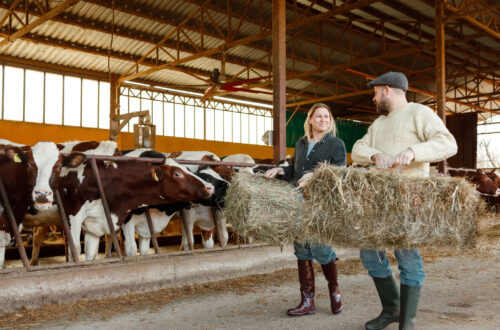
Early spring is a critical time for ranchers managing cattle on pastures recovering from winter. As snow melts and temperatures rise, pastures begin to green up, providing the first flush of fresh forage. However, relying solely on pasture too early can compromise livestock nutrition, while overfeeding hay can be wasteful and reduce the incentive for cattle to graze. Understanding how to balance hay and grass during green-up is essential for maintaining herd health and maximizing pasture productivity. Why Feeding Adjustments Matter During Green-Up During early spring, pasture growth is uneven, and nutrient levels vary widely: Strategically balancing hay and grass ensures cattle get sufficient nutrition while allowing pastures to recover…
-
Early Pasture Sampling: Knowing When Forage Is Nutritious Enough
As winter fades and early spring approaches, one of the most critical tasks for ranchers and livestock managers is assessing pasture quality. Grazing too early on underdeveloped forage can stunt cattle growth, increase supplemental feed costs, and damage fragile pasture soils. Conversely, waiting too long can mean lost grazing opportunities and unnecessary hay feeding. Early pasture sampling is the key to making informed decisions. This guide covers why forage sampling matters, how to do it effectively, and interpreting results to optimize your spring grazing strategy. Why Early Pasture Sampling Matters Pasture quality is not uniform across fields, and forage nutrient content varies with growth stage, soil fertility, and weather conditions.…
-
Protecting Soft Pastures: Minimizing Hoof Damage After Winter Thaws
Early spring brings new opportunities for grazing, but it also comes with challenges. As snow melts and soils thaw, pastures are often soft, wet, and vulnerable to damage. Livestock hooves can cause significant compaction and ruts, which not only harm the grass but also reduce long-term pasture productivity. Understanding how to protect soft pastures while maintaining early spring grazing is essential for any livestock operation aiming for healthy soil, strong forage growth, and productive animals. Why Soft Pastures Are Vulnerable After winter, pastures are in a delicate state: Without careful management, soft pasture damage can last all season, reducing forage availability and forcing extra feeding costs. Understanding Hoof Pressure and…
-
Balancing Supplement Feed While Grass Slowly Recovers
Early spring is a critical period for pasture management. After a long winter, grass growth is slow, soil may still be saturated, and forage availability is limited. During this transitional period, livestock nutrition must be carefully balanced to maintain herd health while allowing pastures to recover. Providing the right supplement feed at the right time can prevent overgrazing, protect fragile soils, and set the stage for a productive grazing season. Understanding Early Spring Pasture Limitations Pastures in early spring face several constraints: Ignoring these factors can lead to overgrazed pastures, reduced soil health, and stressed animals. The Role of Supplement Feed Supplement feed is a tool to bridge the gap…
-
Spring Feed Strategy: Balancing Hay and Pasture Recovery
As winter fades and pastures begin to awaken, ranchers face one of the most important decisions of the season: how to balance supplemental feeding with pasture recovery. Proper spring feed strategy ensures that livestock remain healthy while protecting young grass shoots, optimizing growth for the upcoming grazing season. Mistimed feeding or over-reliance on hay can stress pastures, while neglecting supplemental nutrition can compromise animal performance. Understanding Early Spring Pasture Dynamics Early spring is a transitional period where pastures are just emerging from dormancy: Hay vs. Pasture: The Balancing Act 1. Assessing Pasture Readiness Before reducing hay feeding, evaluate pasture conditions: 2. Using Hay to Bridge the Gap Hay remains a…
-
Early Spring Forage Assessment: Knowing When Pastures Are Ready
As winter loosens its grip on pastures across the U.S., ranchers and livestock managers face a critical question: When is it safe and productive to turn cattle, sheep, or other livestock out onto early spring forage? Grazing too soon can damage soil and delay pasture recovery, while waiting too long can limit forage availability and affect livestock nutrition. Conducting an early spring forage assessment is essential for making informed decisions that maximize pasture health and livestock performance. Why Early Spring Assessment Matters Early spring is a transitional period. Pasture grasses are awakening from dormancy, soil moisture is still high from snowmelt or winter rains, and temperatures fluctuate daily. Understanding the…