gardening
-
Spring Grazing Rotation: Balancing Livestock and Grass Recovery
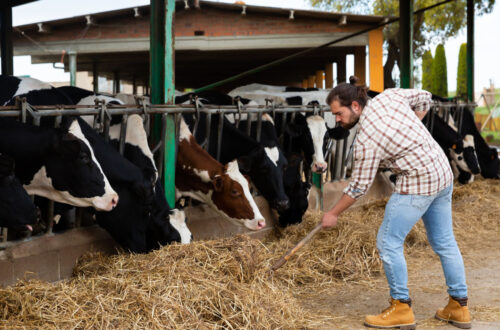
Early spring is a critical time for ranchers and livestock managers. Pastures are just beginning to recover from winter dormancy, and young grass is vulnerable to overgrazing. Proper spring grazing rotation ensures that livestock have sufficient forage while allowing grass to regrow, maintaining both productivity and long-term pasture health. This guide explores effective rotational grazing strategies for early spring, helping ranchers balance animal nutrition with sustainable pasture management. Understanding Early Spring Grass Recovery After winter, grass growth is slow due to low soil temperatures and reduced sunlight. Key considerations: Spring grazing requires patience and observation; forcing livestock onto pastures too early can compromise forage availability later in the season. Step…
-
Early Spring Pasture Recovery: Bringing Fields Back to Life After Winter
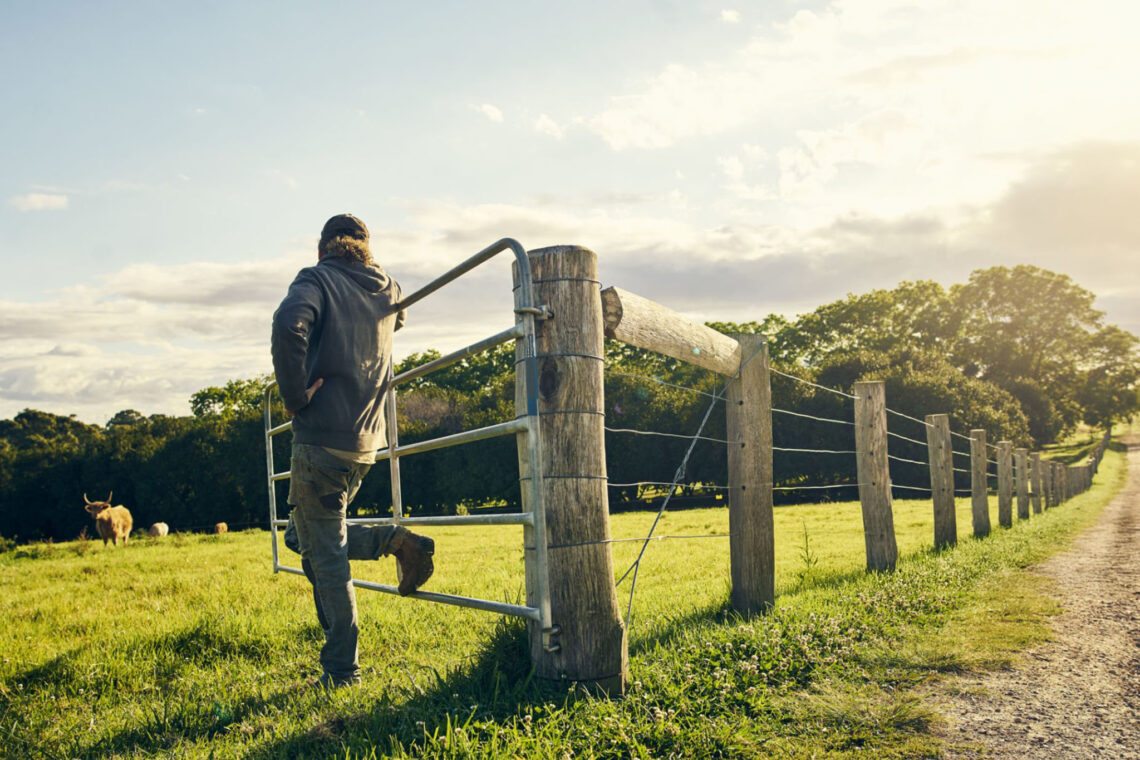
Winter takes a heavy toll on pastures. Frost, snow, and saturated soils can leave fields compacted, nutrient-depleted, and littered with debris. For ranchers and livestock managers, early spring is a critical window to assess, repair, and rejuvenate pastures before animals return in full numbers. Proper pasture recovery not only improves forage availability but also promotes long-term soil health and herd productivity. This guide outlines step-by-step strategies for early spring pasture recovery, helping American ranchers get fields back in top shape after a harsh winter. Step 1: Assess Your Pastures After Winter Before any recovery efforts, walk your fields to evaluate damage: Tip: Mapping problem areas with GPS or field notes…
-
Early Spring Harvest Planning: What to Plant for Quick Returns
Early spring is an exciting time for gardeners and small-scale farmers in the U.S. It’s the season of fresh starts, new seedlings, and early harvests. For those eager to enjoy the fruits of their labor quickly, careful harvest planning is essential. By selecting crops that mature rapidly and thrive in cool soil, you can enjoy productive gardens and continuous harvests even before the main growing season kicks into full swing. This guide explores strategies for early spring harvest planning and highlights the best crops for gardeners seeking quick returns. Why Early Spring Planning Matters Step 1: Choose Fast-Maturing Crops Some crops naturally thrive in cool, early spring soil and grow…
-
Garden Planning Tips: Mapping Your Spring Layout for Success
Spring is the perfect time to set the stage for a productive and beautiful garden in the U.S. Early planning ensures that your crops, flowers, and herbs have the space, light, and resources they need to thrive throughout the growing season. By mapping your spring garden layout, you can optimize sunlight exposure, improve soil utilization, and prevent overcrowding—all while reducing maintenance headaches later in the season. This guide walks you through essential garden planning tips to set yourself up for a successful spring garden. Step 1: Assess Your Garden Space Pro tip: Understanding your garden’s layout early helps you place crops where they will thrive, maximizing growth and reducing competition.…
-
Spring Irrigation Prep: Keeping Soil Moist but Not Waterlogged
Early spring is a pivotal time for gardeners, landscapers, and small-scale farmers in the U.S. After the thaw and early rains, preparing your irrigation system and managing soil moisture can make the difference between a thriving garden and soggy, stressed plants. Proper irrigation prep ensures young seedlings, early perennials, and newly planted vegetables receive consistent water without risking waterlogging—a common issue in spring soils that are slow to drain. This guide provides practical tips for spring irrigation preparation that balances moisture retention with proper drainage. Why Spring Irrigation Prep Matters Getting your irrigation system ready and understanding soil behavior in early spring ensures your plants get exactly the right amount…
-
Optimizing Sunlight for Early Spring Flowering Plants
Early spring is a magical time for gardeners in the U.S. The first blooms of crocuses, daffodils, tulips, and early perennials signal that the growing season is just beginning. However, maximizing sunlight exposure is crucial to ensure that these delicate early flowering plants thrive. Light is not only essential for photosynthesis but also influences flowering timing, bloom size, and plant vigor. This guide provides practical strategies for optimizing sunlight for your early spring flowers, helping you achieve vibrant, healthy blooms. Why Sunlight Matters in Early Spring In early spring, when days are shorter and the sun sits lower in the sky, strategically placing and managing plants for light is key.…
-
Spring Crop Rotation Tips for Healthy Soil
Early spring marks a critical period for gardeners and small-scale farmers in the U.S. It’s not just about planting seeds—it’s also about setting up your soil for long-term health and productivity. One of the most effective strategies for maintaining soil fertility, reducing pests, and improving yields is crop rotation. By thoughtfully rotating crops each season, gardeners can keep their soil biologically active and resilient. Why Crop Rotation Matters Proper crop rotation helps prevent soil depletion, reduces chemical inputs, and fosters stronger, healthier plants season after season. Step 1: Map Your Garden Beds Example: If tomatoes occupied Bed A last year, plant leafy greens or legumes there this spring. Step 2:…
-
Succession Planting for Early Spring Harvests
Early spring is an exciting time for gardeners in the U.S., but short cool-season windows can make harvesting challenging. Succession planting, the practice of planting crops in intervals, is one of the best strategies to maximize your early spring harvest. By staggering planting times and carefully selecting crop varieties, you can enjoy a steady stream of fresh vegetables and herbs throughout the season. Why Succession Planting Works By using succession planting, gardeners can turn a small garden into a highly productive system, ensuring fresh produce well into late spring. Step 1: Plan Your Early Spring Garden Step 2: Schedule Planting Intervals Example: Plant radishes every 10 days to enjoy fresh…
-
Spring Mulching Strategies to Protect Young Plants
Early spring is a critical period for gardeners and landscapers in the U.S. Young plants, whether seedlings just emerging or perennial shoots breaking through the soil, are highly vulnerable to temperature fluctuations, moisture stress, and weed competition. Mulching is one of the most effective strategies to protect these tender plants while simultaneously improving soil health. In this guide, we’ll explore practical spring mulching strategies that help young plants thrive throughout the season. Why Mulching Matters in Early Spring Using the right mulch and applying it correctly sets your young plants up for rapid growth and long-term health. Step 1: Choose the Right Mulch Organic Mulches Inorganic Mulches Pro tip: For…
-
Seasonal Tool Check: What Gardeners Replace Before Spring
As winter fades and early spring approaches, gardeners across the U.S. begin preparing for the new growing season. While soil prep and seed starting are essential, one often overlooked step is checking and updating your garden tools. Properly maintained and upgraded tools not only make gardening more efficient, but also prevent injuries and ensure plants are handled with care. Here’s a comprehensive guide to what gardeners should replace, sharpen, or repair before spring planting begins. Why a Seasonal Tool Check Matters Spring is the perfect time to inventory, repair, and replace your tools to set yourself up for a smooth gardening season. Tools to Inspect and Replace 1. Pruning Shears…