pasture
-
Planning Early Spring Grazing While Winter Still Holds the Land
Early spring grazing decisions are often made weeks before grass actually starts growing. When winter still grips the land—frozen ground, lingering snow, and unpredictable thaw cycles—those decisions can either protect your pastures or quietly set them back for the entire year. Successful ranchers don’t wait for green-up to plan. They read ground conditions, animal behavior, and weather patterns to build a flexible grazing strategy that works with winter, not against it. 1. Why Early Decisions Matter More Than Early Grass The biggest mistake in early spring grazing isn’t turning cattle out too early—it’s failing to prepare for that moment while winter is still active. During late winter: What happens now…
-
Early Spring Fence Prep: Lessons From Deep Winter Wear and Tear
By the time snow starts melting and daylight stretches longer, most fence damage has already happened. Deep winter doesn’t break fences all at once—it wears them down slowly, stressing posts, wire, and braces in ways that often go unnoticed until livestock test the weak spots. Early spring is the best—and sometimes only—window to address that damage before grazing pressure increases. Understanding how winter affects fencing helps ranchers fix the right problems, not just the obvious ones. 1. Winter Doesn’t Break Fences—It Loosens Them Unlike storms or falling trees, winter causes incremental damage: By spring, fences may still be standing—but they’re no longer working as designed. 2. Snow Load Hides Structural…
You May Also Like
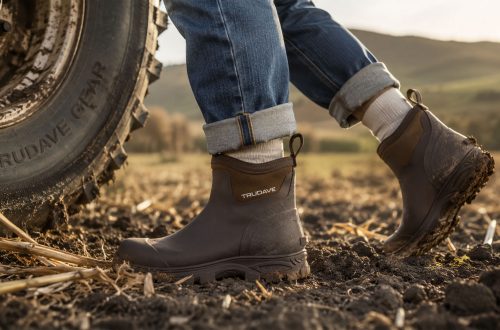
Best Boots for Greenhouse and Plant Nursery Work: A Practical Guide for Wet Floors, Irrigation, and Long Shifts
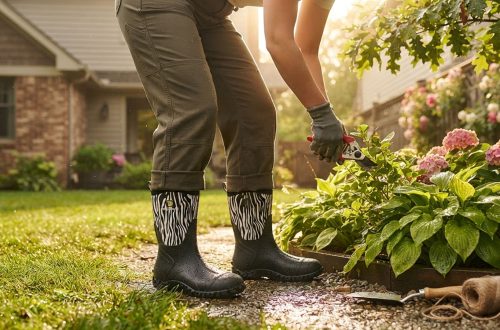
Best Boots for Feedlot Work: Waterproof Footwear for Mud, Manure, Washdown, and Livestock Farming
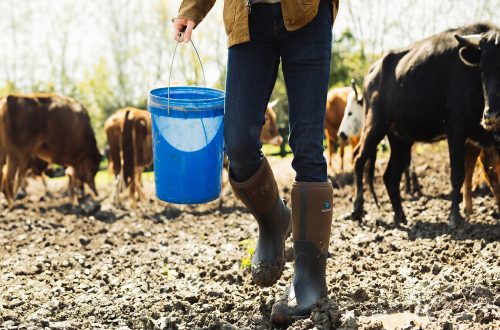
The Complete Women’s Rain Boot Guide for 2025: Finding the Right Trudave Boot for Your Life — Whatever That Looks Like
-
How Subtle Pen Traffic Changes Predict Spring Foot Rot Issues
For ranchers, foot rot is one of the most common and costly livestock health problems, particularly as winter transitions into spring. While it often seems to appear suddenly, the early warning signs are frequently subtle—and they start long before snow melts or pastures become muddy. One of the most overlooked indicators? Changes in pen traffic and cattle movement patterns during late winter and early spring. By understanding how subtle alterations in herd behavior foreshadow foot rot, ranchers can take preventative measures, protect livestock health, and minimize treatment costs. 1. Recognizing Subtle Traffic Shifts Even before foot rot becomes visible, cattle behavior often changes in ways that can alert a careful…
-
Why Cattle Rest Less Than You Think During Extended Cold Spells
Ranchers know that livestock behavior changes dramatically in winter, but one aspect often overlooked is how much—or how little—cattle actually rest during prolonged cold periods. Rest is critical for energy conservation, immune function, and overall herd health, yet extended cold spells can significantly disrupt typical lying patterns. Understanding these subtle changes allows ranchers to adjust management strategies, protect pasture conditions, and maintain livestock productivity during harsh winter months. 1. Cold Stress Increases Vigilance Cattle are naturally sensitive to cold, and their behavior adapts to protect body heat: 2. Wind and Exposure Amplify Rest Disruption Even mild cold becomes more stressful under certain environmental conditions: 3. Snow and Ice Reduce Comfortable…
-
Managing Hay Inventory When Winter Feeds Are Still Critical
Winter is far from over, and for many ranchers, hay remains the lifeline keeping livestock healthy and productive. Properly managing hay inventory during the critical feeding months isn’t just about ensuring enough feed—it’s about efficiency, waste reduction, and maintaining livestock condition until pastures begin to recover. A strategic approach to hay inventory can prevent shortages, minimize overfeeding, and support your ranch’s long-term profitability. 1. Assess Your Current Inventory Accurately The first step in managing hay during critical winter months is a full inventory check: 2. Prioritize Feeding Based on Livestock Needs Not all livestock should be fed equally during the deep freeze: 3. Implement Controlled Feeding Practices Feeding management can…
-
How Extended Snow Cover Influences Early Pasture Rotation Plans
For ranchers across the country, snow is more than just a seasonal inconvenience—it’s a major factor in planning early spring grazing. Extended snow cover doesn’t just delay pasture growth; it changes the way livestock interact with the land, affecting rotation schedules, pasture recovery, and forage management. Understanding these effects is critical to protecting grass, maintaining herd health, and optimizing grazing efficiency once the snow finally melts. 1. Snow Depth and Soil Moisture Impact Early Access Snow acts as both insulation and a water reservoir: 2. Uneven Melt Creates Risky Grazing Patterns Not all snow melts evenly: 3. Soil Compaction Under Snow Weight Extended snow cover combined with livestock activity can…
-
How to Read Ranch Ground Health Before Grass Ever Greens Up
Spring may feel far off in January or February, but the health of your pastures is already set in motion. Understanding how your ranch ground is performing before grass even begins to sprout can save time, prevent costly mistakes, and set the stage for a productive grazing season. Early observation allows ranchers to identify compaction, moisture retention issues, drainage challenges, and nutrient deficiencies before they impact livestock or pasture growth. 1. Assess Soil Firmness and Compaction One of the first indicators of ground health is soil firmness: Pay special attention to high-traffic areas like feeding zones, water points, and shelter pads. 2. Check for Subtle Surface Drainage Patterns Even before…
-
Why Early Spring Is the Most Overlooked Injury Season on Working Ranches
When most ranchers think about risky times for livestock and workers, the obvious culprits are deep winter snow or the chaos of calving season. But early spring—often overlooked—is one of the riskiest periods on working ranches, both for people and animals. The transition from frozen ground to thawing pastures creates conditions that quietly amplify injury risks. Recognizing these hazards is essential for safe and productive operations. 1. The Hidden Danger of Thawing Ground Frozen winter soil masks underlying hazards: These conditions are often invisible during the final weeks of winter, making them a silent source of accidents. 2. Increased Livestock Activity After Winter As temperatures rise, animals naturally become more…
-
The Subtle Signs Your Winter Lots Aren’t Recovering Like They Should
Winter lots take a beating. Heavy livestock traffic, frozen ground, and harsh weather all combine to stress soil and vegetation. But by the time visible damage appears—like deep ruts or sparse grass—the problem has often been developing silently for weeks. Recognizing early, subtle signs of underperforming winter lots allows ranchers to take corrective action before spring turnout, protecting pastures and livestock performance. 1. Uneven Soil Firmness Under Foot One of the earliest indicators of struggling winter lots is inconsistent soil firmness: Regularly walking your lots in mid-winter, even with snow cover, can reveal these hidden weak points. 2. Water Pooling or Slow Drainage Even small amounts of standing water in…
You May Also Like
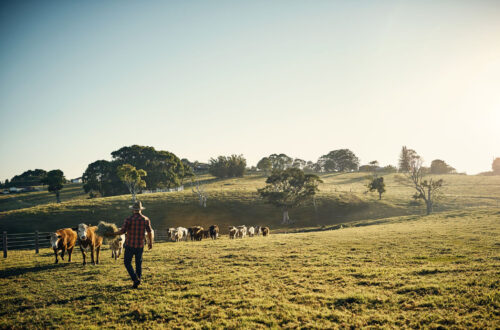
How to Time Your First Grazing Pass for Maximum Regrowth
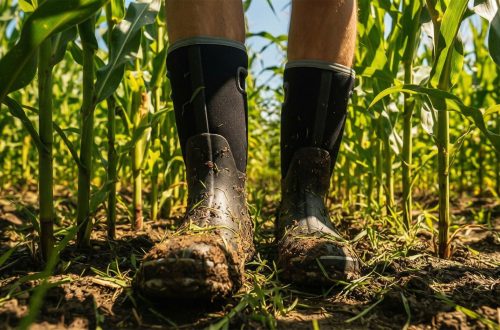
Best Boots for Pumpkin Farm Work: Waterproof Footwear for Muddy Fields, Wet Vines, Fall Harvest, and U-Pick Farms
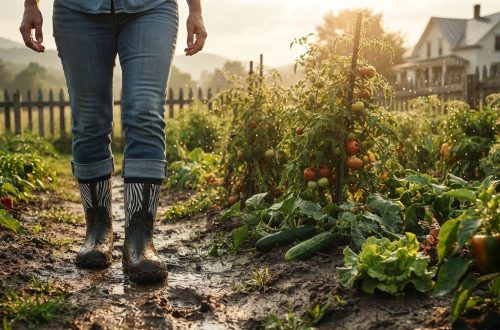
Best Boots for Fish Hatchery and Aquaculture Work: Waterproof Footwear for Wet Floors, Ponds, Tanks, and Long Shifts
-
Why Late-Winter Footing Problems Start Before You Can See Them
Footing problems aren’t always obvious. By the time muddy, slick, or uneven patches appear in your pastures or winter lots, the underlying issues have often been developing for weeks—or even months. Understanding the early, invisible signs of late-winter footing issues can save both livestock and time when spring arrives. Freeze–Thaw Cycles: The Invisible Soil Shapers The main culprit behind hidden late-winter footing problems is repeated freeze–thaw cycles: By the time muddy patches appear, the soil has already weakened, making recovery slower. Hidden Moisture Beneath Frozen Surfaces A frozen or snow-covered surface can be deceptive: Recognizing subtle moisture patterns now can help you prevent spring problems. Livestock Traffic Accelerates Invisible Damage…