pasture
-
Reviving Tired Fields: Overseeding and Fertilizing Pastures Before Frost
As the growing season winds down and frost edges closer, many pasture managers face a common challenge — maintaining productivity through winter and setting the stage for a strong spring. Overseeding and fertilizing before frost can breathe new life into tired fields, improve forage availability, and enhance soil health for the year ahead. This guide explores best practices for overseeding and fertilizing pastures in late fall, helping ranchers, farmers, and homesteaders maximize winter forage and prepare for a healthier pasture system. 1. Understanding Tired Pastures Pastures can become “tired” due to: Overseeding and fertilizing before frost helps address these problems by rejuvenating plant growth and improving soil fertility. 2. Timing:…
-
Homestead Efficiency: Small Fixes That Save Big on Winter Feed Costs
As temperatures drop and snow begins to blanket pastures, livestock feeding becomes one of the largest expenses for any homestead or ranch. Winter feed costs can quickly erode budgets, especially in regions with long, harsh winters. Fortunately, a few strategic adjustments can dramatically reduce expenses without sacrificing animal health or productivity. This guide explores practical, cost-saving strategies for homesteaders aiming to stretch winter feed supplies while maintaining healthy livestock. 1. Why Winter Feed Costs Spike Several factors drive winter feed expenses: Understanding these challenges helps homesteaders target effective cost-saving measures. 2. Small Fixes That Yield Big Savings a. Improve Pasture Management Before Winter A healthy pasture entering winter reduces the…
-
The Art of Composting in Cooler Weather: Tips for Active Winter Piles
As autumn fades and temperatures drop, many gardeners mistakenly believe composting must pause until spring. In reality, cooler weather presents unique opportunities to refine your composting process and prepare nutrient-rich soil amendments for next season. By understanding how compost piles work in colder conditions and applying smart management strategies, you can keep decomposition active all winter long. This guide explores the art of composting in cooler weather and offers practical tips to keep your pile productive during the chilly months. 1. Why Composting in Cooler Weather Matters Composting is a natural recycling process that turns yard waste, kitchen scraps, and organic materials into fertile soil. Even in cooler temperatures, decomposition…
-
Extending the Harvest: Using Cold Frames and Row Covers Before the Freeze
As the air grows crisp and frost becomes an increasingly frequent visitor, gardeners face a pressing question: how to prolong the harvest season before winter takes hold? For many, the answer lies in cold frames and row covers — affordable, effective tools that protect plants from frost and extend productivity well into late fall and early winter. This article explores why and how to use cold frames and row covers, offering practical tips for getting the most from your garden as the freeze approaches. 1. Understanding the Need to Extend the Harvest The first frost often signals a dramatic slowdown in garden productivity. But with proper protection, plants can keep…
-
Frost on the Fence Line: Protecting Livestock When Temperatures Drop
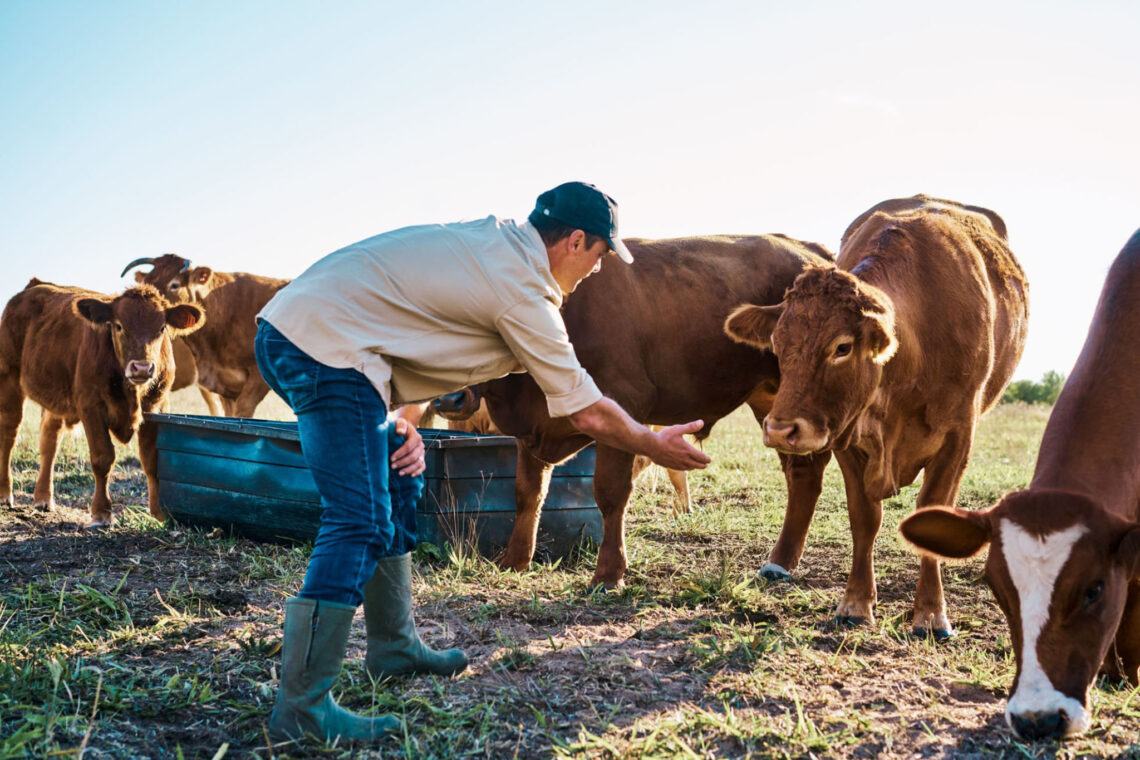
As autumn shifts into winter, ranchers face a new challenge: safeguarding livestock against falling temperatures and frost. Cold weather brings more than discomfort for animals — it can affect health, productivity, and pasture quality. With proper preparation, you can help your herd endure frost-laden mornings and harsh winter nights while protecting your fencing and infrastructure. This guide covers key strategies ranchers need to keep livestock safe and thriving when frost begins to settle. 1. Understand the Risks Frost Brings to Livestock Frost is more than a chilly inconvenience — it can signal changes that affect livestock survival: Recognizing these risks early helps ranchers implement solutions before the cold takes a…
-
Preparing Your Pastures for Winter Grazing: Fall Ranch Checklist
As autumn settles in and frost begins to touch the grass, ranchers across the U.S. face a critical task: preparing pastures for winter grazing. Proper preparation not only ensures healthier livestock through the cold months but also preserves pasture productivity for the next growing season. This fall ranch checklist will guide you step-by-step to maximize forage availability, protect soil health, and make winter grazing efficient. 1. Assess Pasture Condition Before Frost Before the first frost, walk your pastures and inspect forage quality. Look for: A thorough assessment helps you prioritize which pastures to rest, reseed, or fertilize. 2. Plan a Winter Grazing Rotation Rotational grazing in fall allows you to…
-
Garden Mulching Tips to Lock in Moisture Before Winter
As the crisp days of fall shorten and winter edges closer, many gardeners shift their focus to putting the garden to bed. One of the most effective—and often overlooked—steps in fall garden prep is mulching. A well-chosen layer of mulch doesn’t just tidy up beds; it plays a critical role in conserving moisture, insulating soil, and protecting plant roots from the harsh conditions of winter. In this guide, we’ll explore the best mulching practices for autumn, the right materials to use, and how you can maximize garden health by locking in soil moisture before winter arrives. Why Mulching Matters in Fall While summer mulching focuses on weed control and evaporation…
You May Also Like
Why Consistent Summer Heat Quietly Reduces Ranch Productivity Over Time
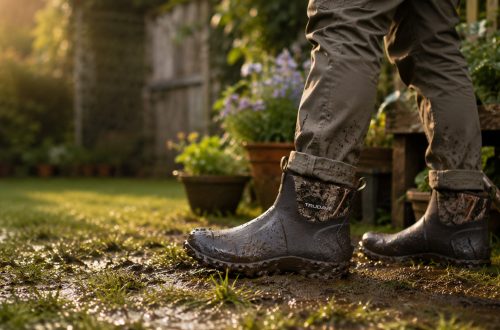
The Ultimate Trudave Rain Boot Gift Guide: Find the Perfect Pair for Every Outdoor Person in Your Life

The Gardener’s Guide to Rain Boots: How to Choose the Right Pair for Your Yard, Raised Beds, and Weekend Harvests
-
Composting Leaves: Turning Autumn Waste into Garden Gold
Every autumn, yards and pastures across America fill up with piles of fallen leaves. For many homeowners, ranchers, and gardeners, the instinct is to bag them up and haul them away. But those same leaves can be one of the most valuable natural resources you have—if you compost them properly. Instead of seeing leaves as waste, think of them as free fertilizer and organic matter waiting to enrich your soil. In this article, we’ll break down how to turn autumn’s leaf litter into garden gold that feeds plants, improves soil health, and supports sustainable land management. Why Leaves Are Perfect for Composting Leaves are rich in carbon, the “brown” side…
You May Also Like
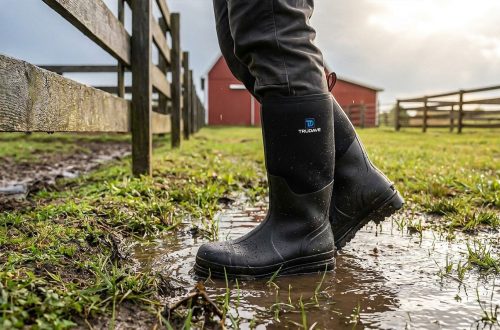
Best Boots for Rice Farm Work: Waterproof Footwear for Muddy Fields, Wet Soil, Irrigation, and Harvest Season
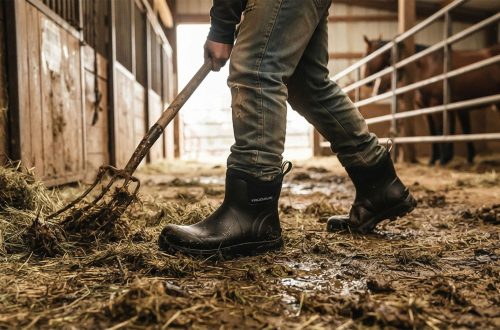
Best Boots for Sod Farm Work: Waterproof Footwear for Wet Turf, Muddy Fields, Irrigation, and Loading
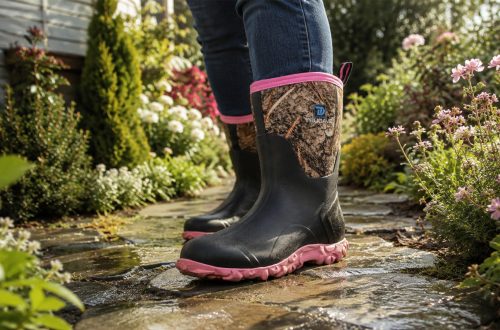
The 5:00 AM Barn Test: Why Your Rain Boots Are Failing Before the Sun Comes Up
-
Autumn Herd Health Checklist Every Rancher Should Follow
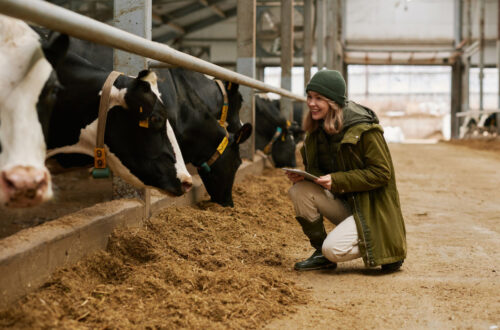
As the days shorten and temperatures cool, ranchers know fall is more than just a seasonal shift—it’s a critical transition period for herd health. Preparing livestock for winter requires careful planning, timely interventions, and proactive management. Skipping steps now can mean costly health problems, lower productivity, or even animal loss during the harsher months ahead. To help you stay on track, here’s a comprehensive autumn herd health checklist every rancher should follow. 1. Conduct a Complete Body Condition Score (BCS) Check Fall is the ideal time to evaluate body condition before winter stress hits. If you spot issues, adjust rations early—grain, supplements, or higher-quality forage may be necessary. 2. Update…
-
Pasture Renovation Projects Best Done in the Fall
When it comes to managing productive grazing land, timing is everything. Pasture renovation is not just about repairing damage—it’s about setting your land up for long-term success. While spring often gets most of the attention, fall is arguably the best season to tackle certain renovation projects. Cooler weather, more consistent rainfall, and reduced grazing pressure create ideal conditions for soil health and forage establishment. If you’re looking to maximize your ranch’s productivity, here are the key pasture renovation projects best done in the fall. 1. Overseeding Thin or Worn-Out Areas Fall is the prime time for overseeding because soil temperatures are still warm enough for germination, while cooler nights reduce…