-
How Soil Moisture in Spring Predicts Your Summer Forage Supply
For cattle producers and pasture managers, the condition of the soil in early spring can reveal a great deal about what the grazing season will look like later in the year. While rainfall totals often receive the most attention, soil moisture is one of the most important indicators of how well pastures will perform during the summer months. Soil moisture acts as the foundation for forage growth. When spring soils hold adequate moisture, grasses can establish strong root systems, produce healthy leaf growth, and build resilience against summer heat. On the other hand, when spring soil moisture is limited, forage production can decline significantly long before summer drought conditions arrive.…
-
How to Spot Early Signs of Nutritional Stress in Spring Cattle
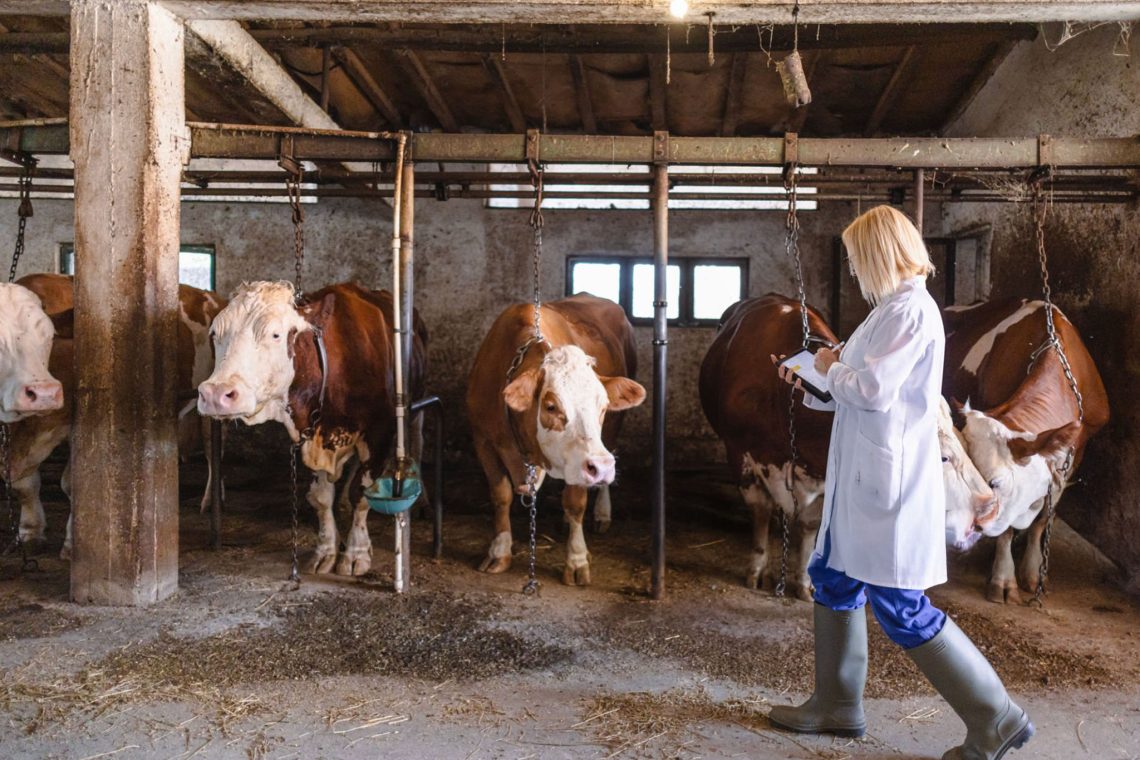
Spring is often seen as a fresh start for cattle operations. Warmer temperatures, longer daylight hours, and new pasture growth bring optimism after a long winter. However, early spring can also be a challenging transition period for cattle. While green grass begins to appear, forage growth may still be limited, and animals are often recovering from months of winter feeding. During this period, cattle can experience nutritional stress, especially if their energy and protein needs are not fully met. Identifying early warning signs is essential for maintaining herd health and preventing larger problems later in the grazing season. By learning how to recognize subtle changes in cattle behavior and physical…
-
Why Spring Is the Best Time to Evaluate Your Herd Body Condition
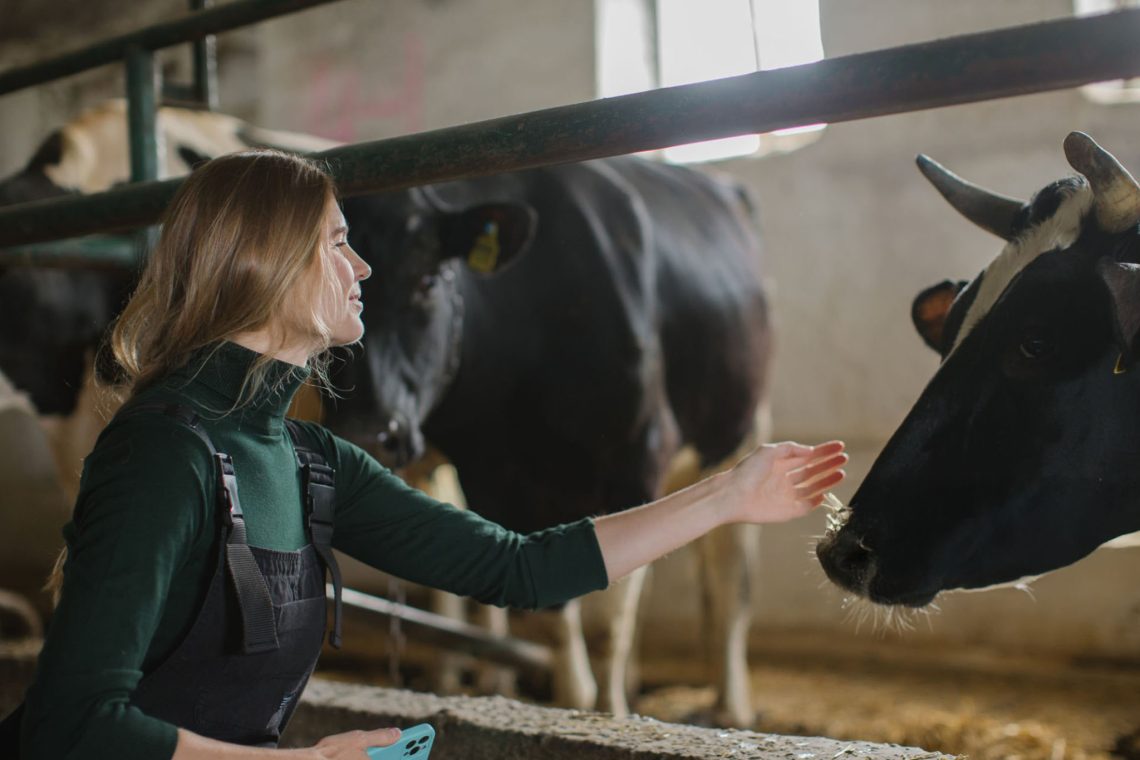
For cattle producers, maintaining proper herd health goes far beyond simply providing feed and pasture. One of the most important management practices is regularly evaluating body condition, which reflects the overall nutritional status and health of each animal. While body condition can be monitored throughout the year, spring offers one of the best opportunities to assess how well a herd has performed through the winter months. After a long winter of cold weather, limited forage, and increased energy demands, cattle often show noticeable changes in body condition. Evaluating these changes in early spring allows ranchers to identify nutritional gaps, adjust feeding programs, and prepare the herd for the upcoming grazing…
You May Also Like
Evaluating Pasture Stubble: How Much Forage to Leave Before Frost
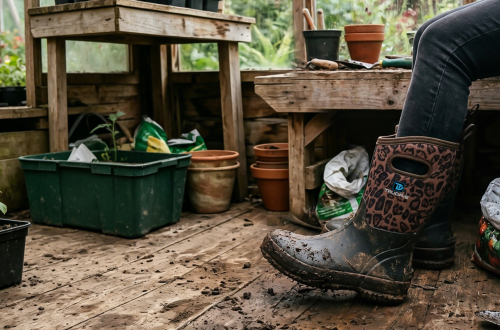
The “Get Out the Door” Guide: How Trudave Gear Rain Boots Eliminate the Friction Between You and Your Outdoor Life
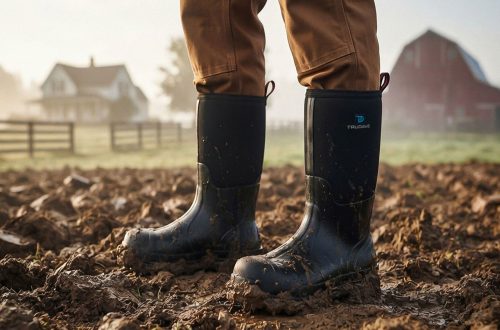
Best Boots for Poultry Farm Work: Waterproof Footwear for Chicken Houses, Wet Barns, Washdown, and Daily Farm Chores
-
Why Cattle Move More in Early Spring and What It Means for Your Herd
As winter fades and temperatures begin to rise, many ranchers notice a clear shift in the behavior of their cattle. Herds that spent much of the winter standing around feed areas or moving slowly through limited forage suddenly become more active. Cattle start walking farther across pastures, exploring new areas, and grazing more frequently throughout the day. This increase in movement during early spring is completely natural. It reflects changes in weather, forage availability, and the animals’ own biological rhythms after a long winter. Understanding why cattle move more during this time of year can help ranchers make better decisions about pasture management, grazing strategies, and herd health. By paying…
-
How to Tell When Your Pasture Is Ready for Spring Grazing
For many ranchers and cattle producers, spring brings a welcome shift from winter feeding to fresh pasture grazing. After months of relying on hay and stored feed, turning cattle out onto green grass can significantly reduce feed costs and improve herd performance. However, grazing too early can damage pasture health and reduce forage production for the rest of the season. Knowing when a pasture is truly ready for spring grazing is one of the most important management decisions a rancher can make. Grass that appears green may not yet be strong enough to support livestock pressure. Careful observation of grass growth, soil conditions, and plant health can help ensure pastures…
-
Why Turning Cattle Out Too Early Can Cost You Grass Later
For cattle producers across the United States, spring turnout is one of the most anticipated moments of the year. After a long winter of feeding hay and managing limited forage, the sight of green grass can make it tempting to release cattle onto pastures as soon as possible. While early grazing may reduce feed costs in the short term, it can create long-term problems for pasture productivity. Turning cattle out too early is one of the most common grazing mistakes, and the consequences often show up months later. Pastures that are grazed before they are ready can struggle to recover, resulting in thinner grass stands, reduced forage production, and more…
-
Simple Ways to Boost Pasture Recovery After a Long Winter
For many ranchers across the United States, winter can be tough on pastureland. Months of cold temperatures, limited sunlight, frost, snow cover, and livestock pressure often leave pastures stressed by the time spring arrives. Grass may appear thin, soil can become compacted, and some areas may show signs of damage from heavy use during the colder months. The good news is that pastures are remarkably resilient when managed properly. With the right strategies early in the season, ranchers can help their grasslands recover faster, grow thicker, and provide stronger forage throughout the year. Understanding how to support pasture recovery after a long winter can make a major difference in both…
-
5 Early Spring Pasture Mistakes That Can Hurt Your Cattle All Season
Early spring is one of the most important periods of the year for cattle producers. After months of winter feeding and limited grazing, pastures begin to wake up and cattle are eager to return to fresh grass. However, the decisions ranchers make during these first few weeks can affect pasture productivity, cattle health, and grazing efficiency for the entire season. Many pasture problems that show up in mid-summer actually begin with mistakes made in early spring. Turning cattle out too soon, overlooking soil conditions, or mismanaging grazing pressure can weaken grass stands and reduce forage production for months. Understanding the most common early spring pasture mistakes can help ranchers protect…
-
Signs Your Herd Is Struggling With Early Season Nutritional Gaps
Early spring is one of the most critical periods for cattle nutrition. After months of winter feeding, pastures begin to green up and many ranchers look forward to turning cattle out onto fresh forage. However, what appears to be healthy grass growth can sometimes hide an important problem: early season nutritional gaps. During this transition period, cattle often face a mismatch between their nutritional needs and what pastures can actually provide. If ranchers fail to recognize the warning signs early, these deficiencies can impact herd health, reduce weight gain, lower reproductive performance, and affect overall productivity for the rest of the grazing season. Understanding how to identify these early nutritional…
-
How to Spot Overwintered Pasture Damage Before It Hurts Summer Grazing
Every rancher knows that winter can be tough on pastures. Months of freezing temperatures, snow cover, livestock pressure, and saturated soils can quietly weaken forage systems long before spring grass begins to grow. By the time summer arrives, many producers discover thin forage stands, reduced productivity, and poor grazing performance—problems that actually began months earlier during winter. The key to preventing these issues is identifying overwintered pasture damage early, before it has a chance to limit summer grazing potential. Early spring is one of the most important times of the year to walk your pastures, evaluate soil and plant health, and make management decisions that protect the entire grazing season.…