-
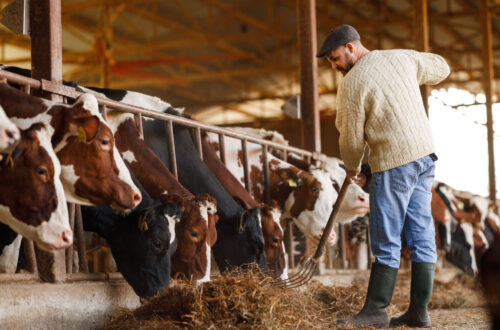
How Spring Weather Swings Affect Cattle Weight Gain
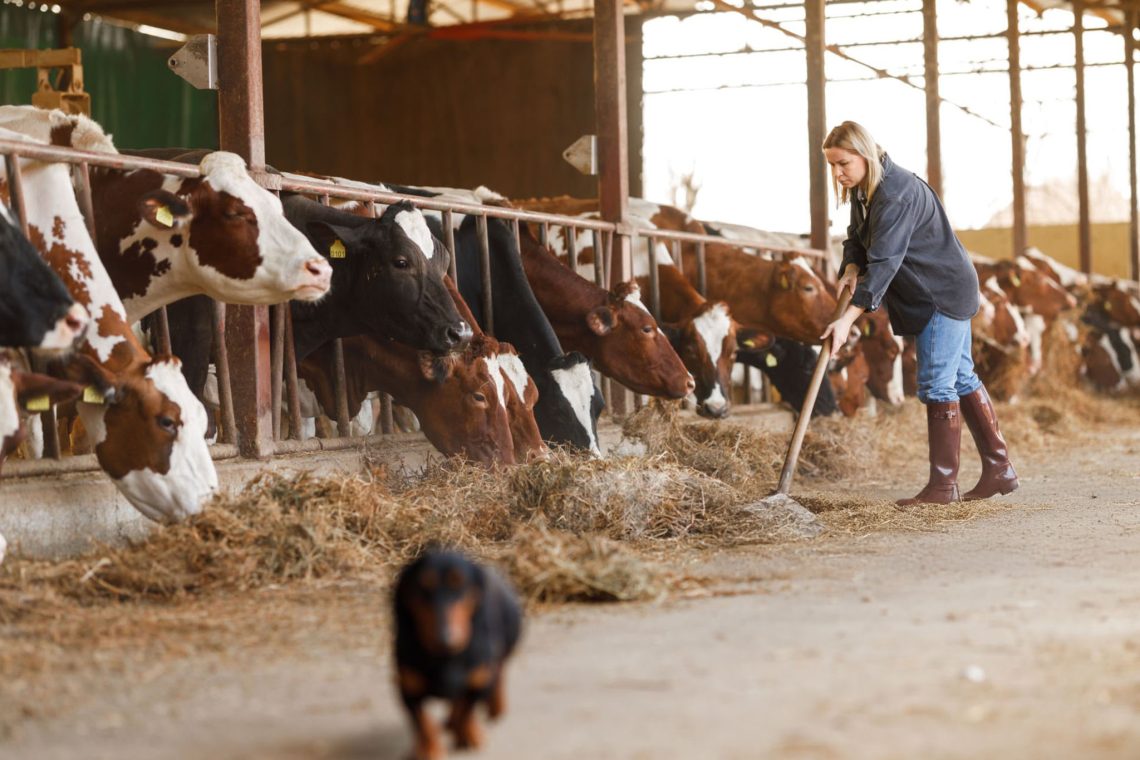
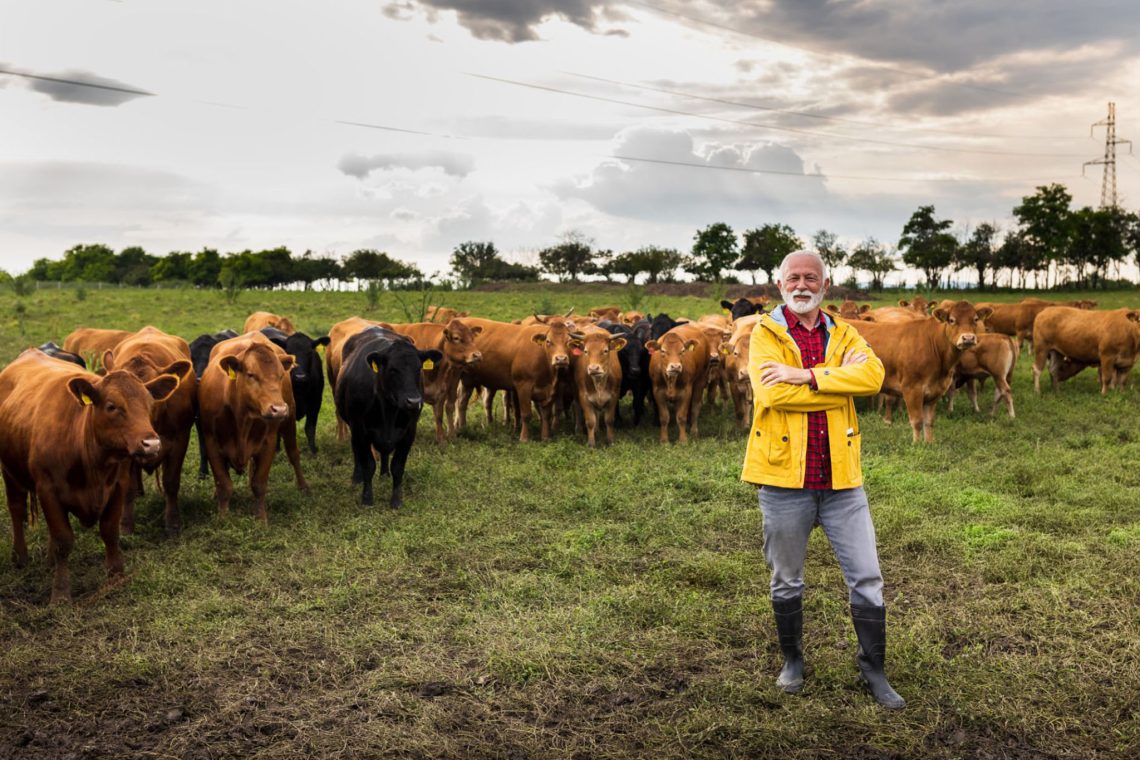
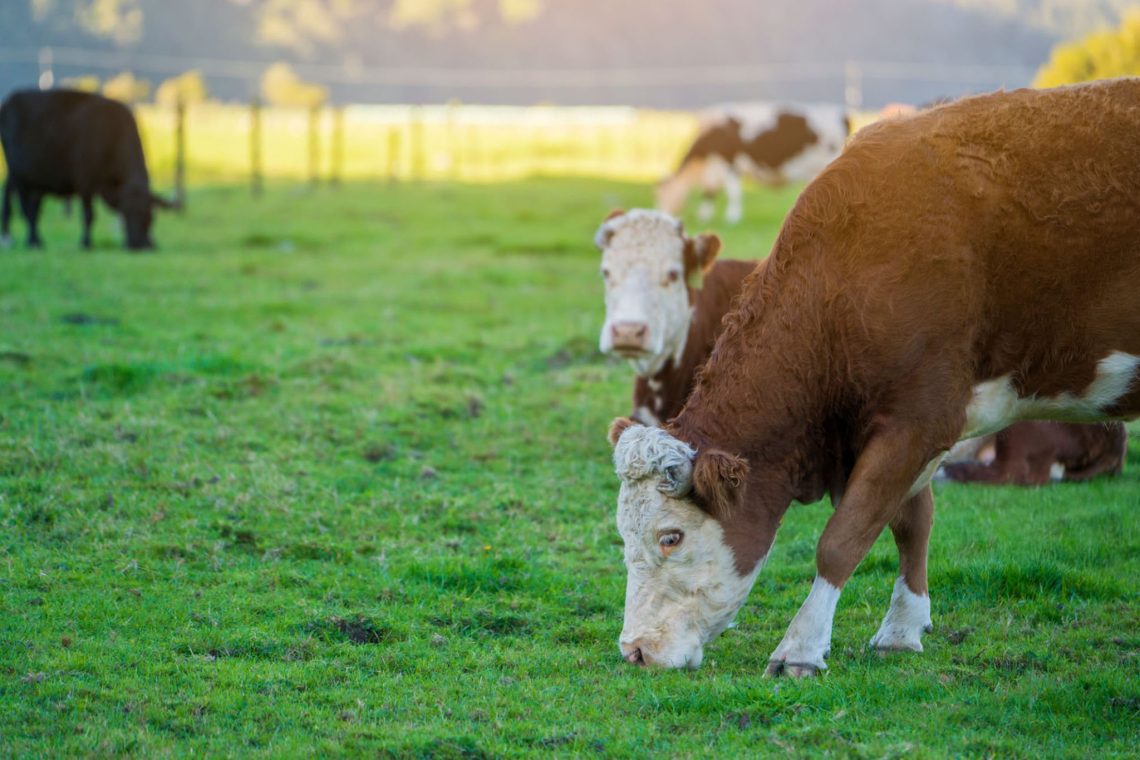
Spring is a season of renewal across ranch country in the United States. Pastures turn green, calves arrive, and cattle spend more time grazing fresh forage. For many ranchers, spring should be a period when cattle begin gaining weight efficiently after the long winter months. However, spring weather rarely stays consistent. One week may bring warm sunshine and rapid grass growth, while the next delivers cold rain, strong winds, or sudden temperature drops. These spring weather swings can significantly influence cattle health, grazing behavior, and ultimately weight gain. Understanding how these changing conditions affect cattle allows ranchers to manage their herds more effectively and avoid performance losses during this critical…
-
The One Pasture Walk Every Rancher Should Take in Late Spring
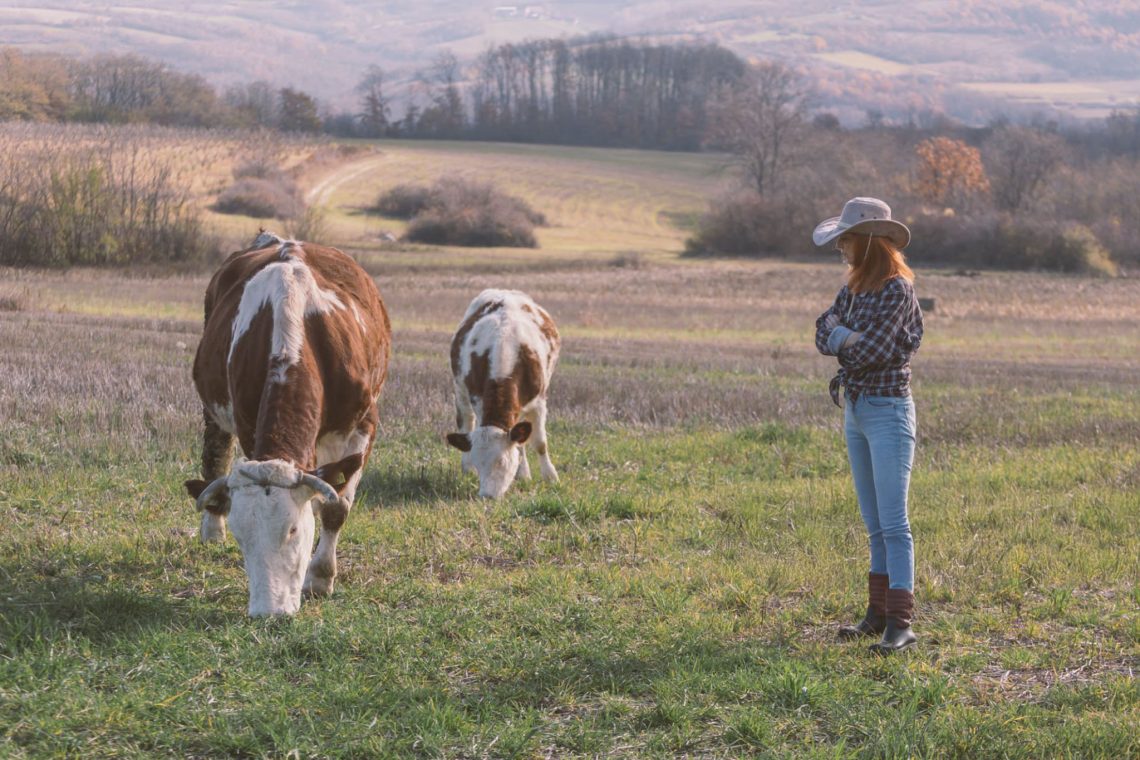
Late spring is one of the most important times of the year for ranchers across the United States. Pastures are growing rapidly, cattle are spending more time grazing, and the decisions made during this period can influence pasture productivity and herd performance for the rest of the season. Yet in the middle of daily chores, fence repairs, and herd management, one simple task is often overlooked: a thorough pasture walk. Taking the time to walk your pasture in late spring—rather than simply observing it from a vehicle or ATV—can reveal problems and opportunities that are otherwise easy to miss. This single walk can help ranchers identify grazing pressure, soil conditions,…
-
The Spring Water Source Check Many Ranchers Forget
As winter fades and warmer temperatures return, ranchers across the United States begin preparing their operations for the busy spring season. Livestock are gradually moved back onto pasture, calving season may be underway, and grass begins growing again after months of dormancy. While many ranchers focus on pasture recovery, fencing repairs, and herd health, one critical task often gets overlooked during early spring: checking water sources. Reliable and clean water is essential for livestock health, pasture management, and overall ranch productivity. After winter, however, many water systems may not function as expected. Natural water sources can also change due to snowmelt, debris, and shifting ground conditions. Taking time to inspect…
-
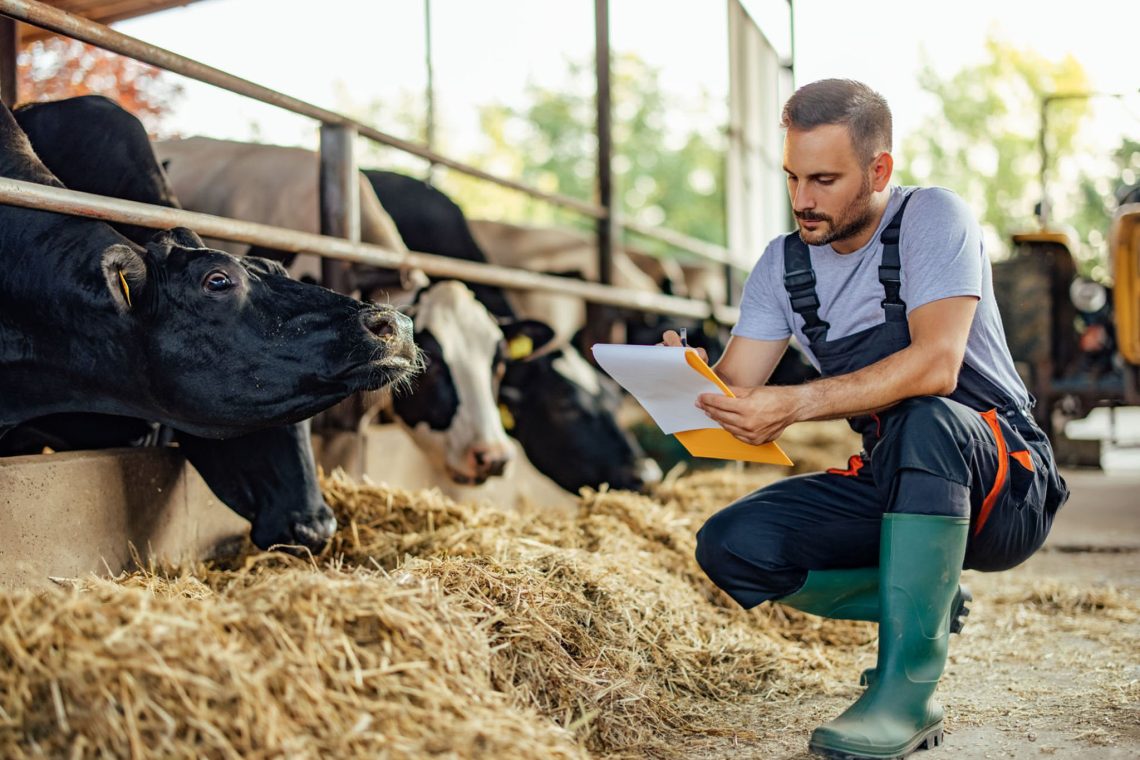
Spring Calving Problems Most New Ranchers Don’t Expect
For many cattle operations across the United States, spring marks the busiest and most rewarding time of the year. Calving season brings new life to the ranch and sets the stage for the herd’s future productivity. Watching healthy calves stand up for the first time and nurse successfully is one of the most satisfying moments in livestock management. However, for new ranchers, spring calving can also bring a number of unexpected challenges. While experienced producers understand how unpredictable this season can be, newcomers often assume that most calves will arrive without complications. In reality, spring calving comes with several common problems that many first-time ranchers don’t anticipate. Being aware of…
You May Also Like
Best Boots for Orchard and Fruit Farm Work: A Practical Guide for Wet Grass, Mud, Ladders, and Long Harvest Days
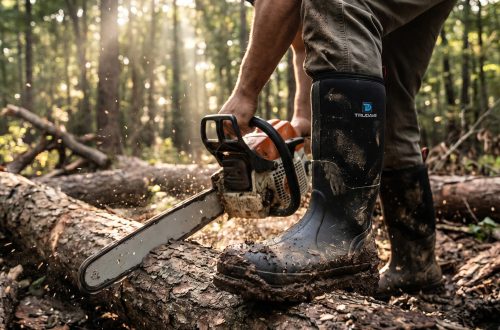
Beyond the Boot — How Trudave Gear Built a Complete Rain Boot System, and Why the Little Details Make the Biggest Difference
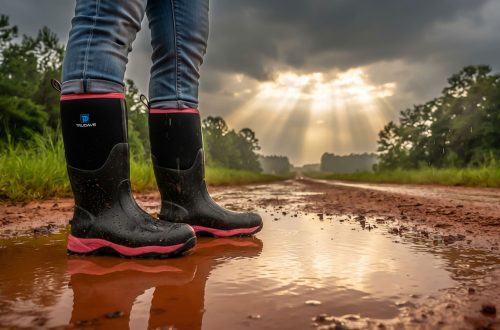
How to Prevent Blisters in Rain Boots: 10 Practical Tips for All-Day Comfort
-
Why Spring Is the Most Important Time to Watch Your Herd Closely
For ranchers and livestock producers across the United States, spring represents a season of transition. Warmer weather begins to replace winter’s harsh conditions, pastures start greening up, and many herds move from winter feeding programs back to grazing systems. While this seasonal shift brings new opportunities for growth and productivity, it also introduces a period when close observation of your herd becomes more important than at any other time of the year. Spring is not simply the beginning of a new grazing season—it is a time when animals face changes in nutrition, environment, health risks, and social behavior. Ranchers who pay careful attention during this period can catch potential problems…
You May Also Like
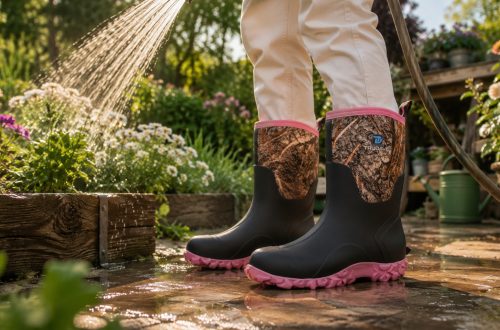
The 2026 Deck Boot Landscape: Where Trudave Gear Fits Among the Legacy Giants and Why Anglers Are Making the Switch
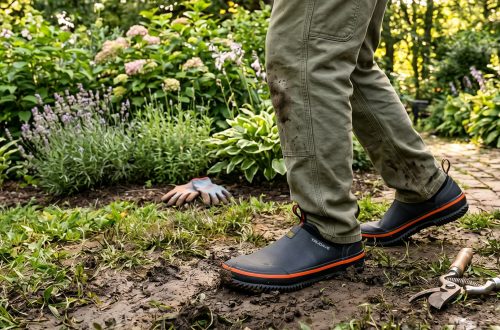
The “One Boot” Trap: Why Your Rain Boots Are Failing (and How the Trudave Lineup Actually Solves It)

How Long Do Rain Boots Last? A Complete Guide to Rubber Boot Lifespan
-
Why Rotational Grazing Matters Most During Early Spring
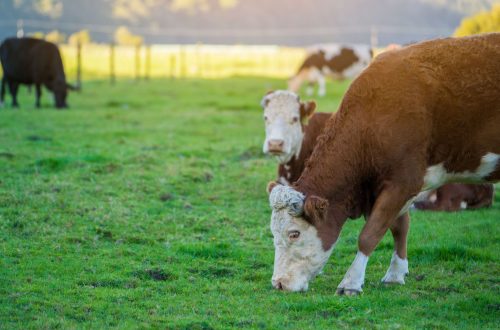
Early spring is one of the most sensitive and important periods for pasture management across the United States. After months of winter dormancy, grasses begin to wake up and start a new cycle of growth. For ranchers and livestock producers, this time of year often brings the temptation to move animals onto fresh pasture as soon as the fields begin turning green. However, early spring grazing must be handled carefully. Grass plants are still recovering from winter, root systems are rebuilding, and soil conditions may remain fragile. This is why rotational grazing becomes especially valuable during early spring. When managed properly, it protects young pasture growth, improves forage production, and…
-
Spring Pasture Recovery: What Most Ranchers Overlook After Winter
For ranchers across the United States, spring is a season of renewal. As temperatures rise and snow melts away, pastures begin turning green again, signaling the start of a new grazing cycle. After months of feeding hay and managing livestock through winter conditions, many producers look forward to getting cattle back onto grass as soon as possible. However, while the return of green pasture looks promising, spring pasture recovery is a critical stage that many ranchers underestimate. What happens during the first few weeks after winter dormancy can influence forage productivity, pasture health, and livestock performance for the entire year. The challenge is that grass may appear ready long before…
-
How One Week of Early Grazing Can Damage Your Pasture for Months
For ranchers and livestock producers across the United States, early spring is one of the most important times of the year for pasture management. After months of winter feeding, the sight of green grass returning to the fields can make it tempting to move cattle onto fresh pasture as soon as possible. However, many experienced ranchers understand a critical truth: grazing too early—even for just a single week—can create problems that last for months. Early grazing may seem harmless, especially when the pasture begins to show green growth. But beneath the surface, grass plants are still in a delicate stage of development. When livestock begin grazing before the plants are…
-
The Hidden Signs Your Pasture Isn’t Ready for Grazing Yet
As winter fades and the first patches of green appear across the pasture, many ranchers start thinking about turning cattle out onto fresh grass. After months of feeding hay and managing winter conditions, the sight of new growth feels like a welcome signal that the grazing season is about to begin. However, one of the most important decisions a rancher makes in early spring is knowing when a pasture is truly ready for grazing. Turning cattle out too soon can weaken grass plants, slow pasture recovery, and reduce forage production for the entire growing season. The challenge is that pastures often look ready long before they actually are. Beneath the…
-
The Early Spring Pasture Mistake That Hurts Grass Growth All Year
For ranchers across the United States, early spring marks the beginning of a new grazing season. After months of cold weather and dormant fields, pastures slowly begin to green up again. It’s an exciting time—grass starts growing, cattle are eager to get back onto fresh forage, and ranch work shifts into full gear. But there is one common early spring pasture management mistake that many ranchers make without realizing it. Unfortunately, this mistake can weaken grass growth, reduce forage production, and affect pasture health for the rest of the year. The mistake is simple: turning cattle onto pasture too early before the grass is ready. While it may seem harmless…