- Uncategorized
Pruning Smarter, Not Harder: Preparing Perennials for Fall Blooms
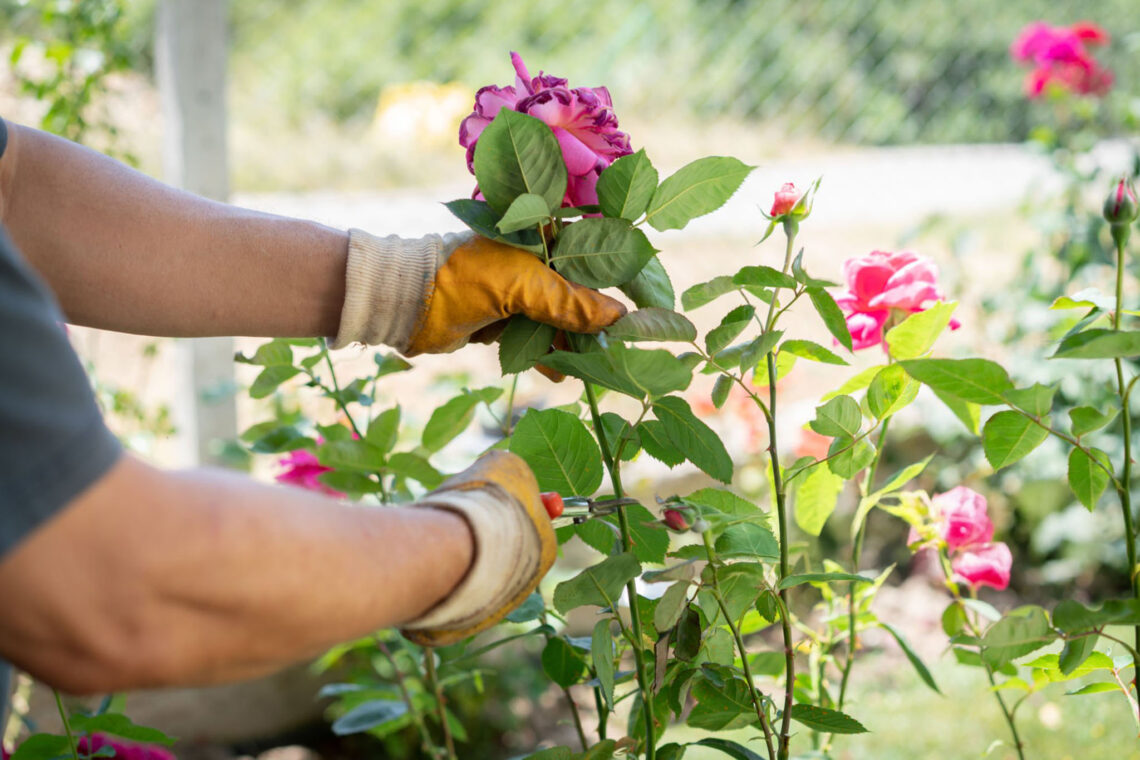
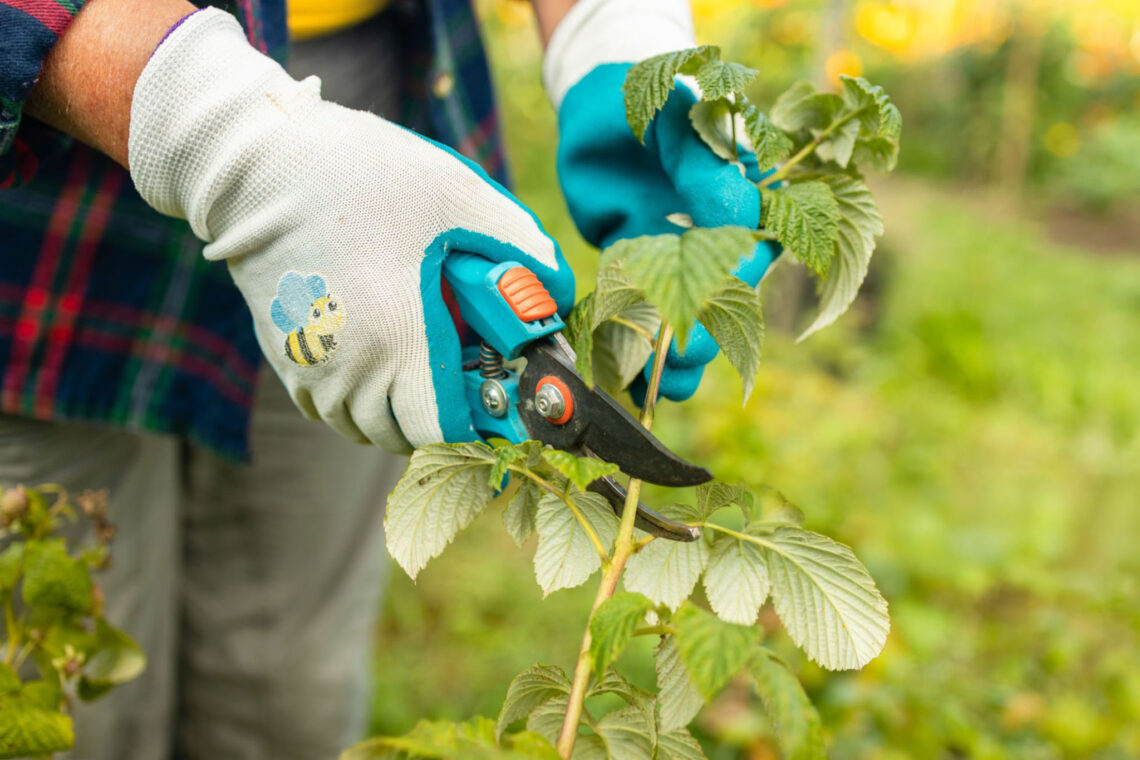
When it comes to gardening, few tasks intimidate or confuse gardeners as much as pruning. The instinct to cut everything back once summer winds down is strong, but smart pruning—especially with perennials—is about timing, technique, and restraint. Done correctly, it can reinvigorate plants for one last flush of fall color and prepare them for the long months of dormancy ahead. Done poorly, however, it can weaken your plants or rob you of late-season beauty. Pruning smarter, not harder, means knowing when to step in, what to remove, and what to leave alone. Here’s how to strike the right balance. 1. Why Fall Pruning Matters for Perennials Many perennials, such as…
- Uncategorized
Moisture Matters: Smart Watering Habits as Temperatures Begin to Cool
As summer fades and the first hints of fall creep in, many gardeners and landowners make the mistake of assuming their watering chores are nearly done. After all, cooler days and longer nights mean less heat stress on plants and soil, right? Not quite. Moisture management during the late-summer to early-fall transition is critical, and getting it right can mean the difference between limp plants and thriving landscapes well into autumn. Smart watering in this season isn’t about dumping more water into your garden or pasture—it’s about timing, depth, and efficiency. Below are key strategies to ensure your plants, lawns, and pastures stay hydrated and healthy as the weather changes.…
- Uncategorized
Late-Summer Grazing Balance: Stretching Forage Without Stressing Fields
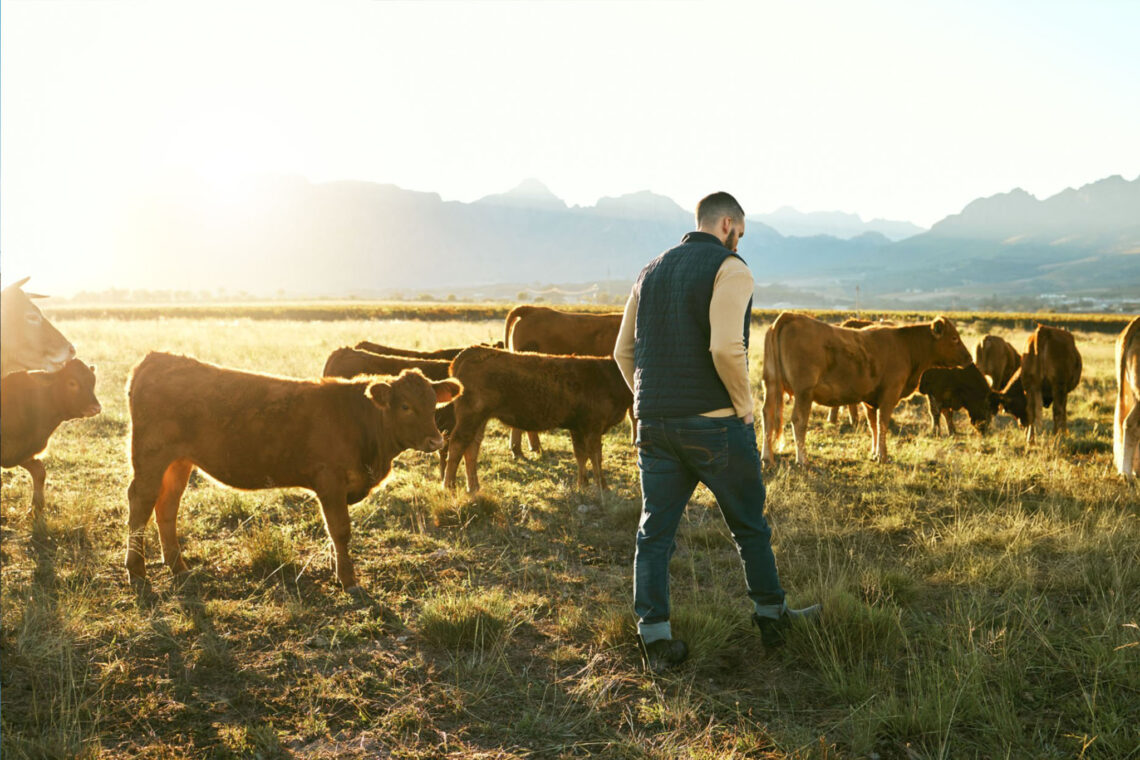
As late summer sets in, pastures across much of the country are under more pressure than earlier in the season. Warm days and shorter nights slow down forage regrowth, rainfall can be spotty, and livestock appetites remain steady. For ranchers and graziers, this period becomes a balancing act: how to stretch available forage without pushing fields into overuse. Managing this transition well not only keeps animals in good condition heading into fall but also protects the productivity of your pastures for the seasons ahead. Why Late-Summer Grazing Requires Extra Attention By August and September, cool-season grasses such as orchardgrass, fescue, and clovers often slow their growth. Even warm-season forages like…
- Uncategorized
Livestock Body Condition: Assessing Herd Health Before Cooler Weather
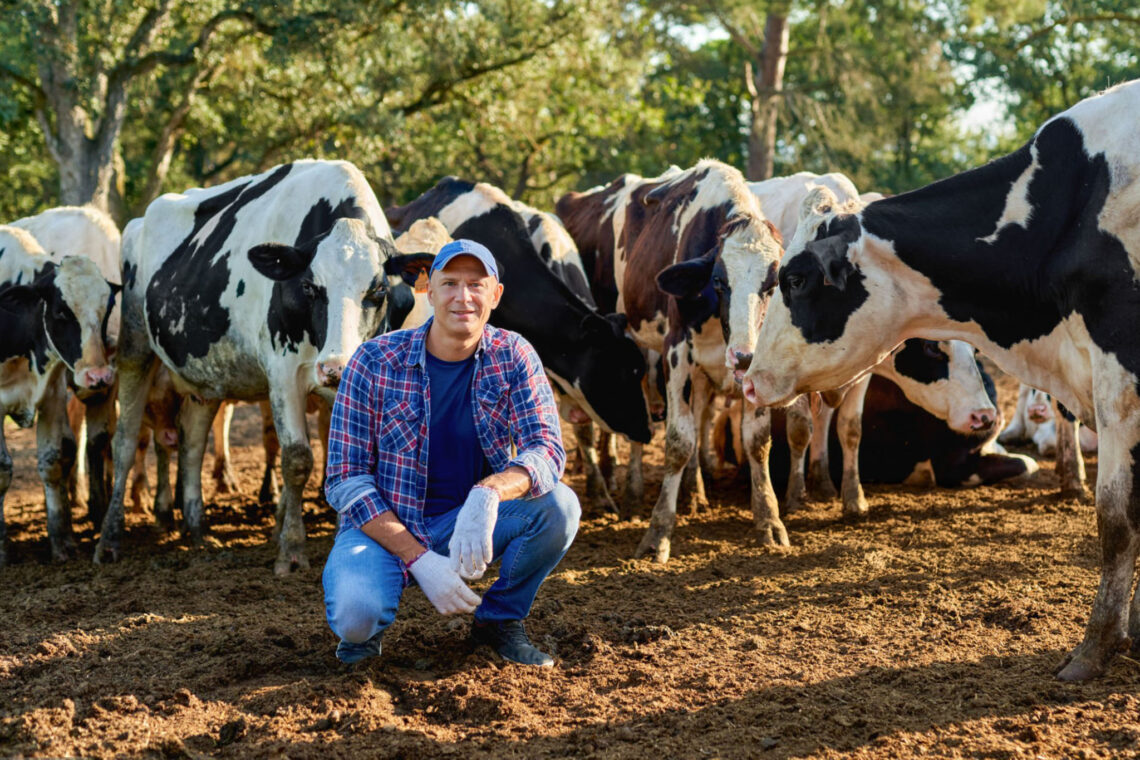
As summer winds down and cooler nights begin to creep in, ranchers know it’s time to take a closer look at their herds. Body condition directly impacts how well cattle, sheep, goats, and even horses transition into fall and winter. Animals that enter the cold season underweight face higher risks: reduced fertility, poor immune response, and higher feed costs to catch them up. On the other hand, animals that are too heavy can face their own challenges, including calving difficulties and metabolic stress. That’s why late summer and early fall are the perfect times to assess body condition scores (BCS) and make management adjustments before cooler weather sets in. Why…
- Uncategorized
Soil Recharge: Feeding Garden Beds for a Strong Fall Harvest
As late summer settles in, many garden beds are running on fumes. After months of producing tomatoes, beans, cucumbers, and peppers, the soil is often depleted of essential nutrients. Plants still in production—like late-season squash, brassicas, or root crops—can stall or underperform if the soil isn’t replenished. This is where soil recharging comes in: giving your garden beds the nutrition and structure they need to power through the rest of the season and set the stage for a robust fall harvest. Why Soil Recharge Matters in Late Summer Plants don’t just take nutrients—they also change soil biology as they grow. By mid-to-late summer: If left unaddressed, this decline can result…
- Uncategorized
Pest Pressure Drops: Managing Late-Summer Invaders Naturally
As summer wanes and the evenings cool, many gardeners breathe a sigh of relief, thinking the worst of insect season is behind them. But while the buzz of mosquitoes and the constant flutter of cabbage moths may seem to taper off, late summer brings its own set of pest challenges. Aphids, spider mites, stink bugs, and late-hatch caterpillars often take advantage of tired plants and stressed soil to make their move. The good news? Pest pressure typically starts to decline as temperatures ease, and with a few mindful strategies, you can manage late-summer invaders without resorting to heavy chemical use. Why Late Summer Pests Stick Around By August and early…
- Uncategorized
Shelter Prep for Livestock: Getting Barns and Pens Ready for Cold Nights
As summer fades and crisp nights settle in, livestock owners know the importance of preparing shelters before the real cold sets in. While most animals can handle cooler temperatures, wind, moisture, and sudden drops in weather can stress your herd and reduce productivity. A well-prepared barn or pen can mean the difference between healthy, thriving livestock and animals struggling through winter. September and early fall are the perfect times to evaluate, repair, and prepare your facilities. Here’s a comprehensive guide to livestock shelter prep that ensures your animals stay safe, dry, and comfortable when the cold nights arrive. Why Shelter Prep Matters Even cold-hardy livestock benefit from a sheltered space…
- Uncategorized
Hay Inventory Check: Do You Have Enough for Winter Feeding?
For ranchers and livestock owners, one of the most critical questions as fall approaches is simple but urgent: Do you have enough hay to get your animals through the winter? Unlike summer, when pastures often provide abundant forage, the colder months bring a hard stop to grass growth. At that point, your herd will rely almost entirely on hay or supplemental feed. Running short can lead to costly emergency purchases—or worse, compromise herd health. A proactive hay inventory check in September or early fall helps ensure you’re prepared for the months ahead. Why a Hay Inventory Check Matters Winter feeding is often the largest expense for ranchers and small-scale livestock…
- Uncategorized
Composting in September: Turning Yard Waste into Garden Gold
As summer winds down and fall approaches, September brings a perfect opportunity for gardeners to make the most of their yard waste. Instead of bagging up grass clippings, fallen leaves, or pulled weeds, you can recycle them into nutrient-rich compost that feeds your soil for seasons to come. Composting this time of year is not only practical but also an eco-friendly way to reduce waste and prepare your garden beds for fall and winter. Here’s how to transform your September yard waste into what gardeners often call “garden gold.” Why September Is Ideal for Composting September is a transitional month: In short, September gives you the right mix of raw…
- Uncategorized
September Soil Prep: Getting Garden Beds Ready for Fall Crops
When September rolls around, many gardeners think the season is winding down. But in reality, it’s the perfect time to refresh your soil and set up your garden beds for a productive fall harvest. Cooler weather crops thrive when they’re planted in nutrient-rich, well-prepared soil — and giving your beds some extra care now pays off with healthier plants and higher yields. Here’s how to prep your soil in September so your fall garden starts strong and carries you well into the cooler months. Why Soil Prep Matters in September Fall crops like broccoli, kale, carrots, lettuce, and radishes require different growing conditions than heat-loving summer vegetables. By September: Proper…