-
Why Your Ranch Output Feels Lower Even Without Major Changes
There’s a frustrating phase in late summer when your ranch looks steady—but the numbers don’t back it up. Yet something feels off: When ranch output feels lower without obvious changes, it’s usually the result of small, compounding inefficiencies—not one major problem. These subtle shifts often go unnoticed until they begin affecting your bottom line. 1. Output Drops Before Visible Problems Appear Ranch systems don’t fail suddenly—they drift. In late summer: Instead: The system is still working—but not at full capacity. 2. Forage Quality Declines Faster Than Quantity One of the biggest hidden factors is declining forage quality. Even when pasture looks good: This means: The result: You’re feeding the same…
You May Also Like
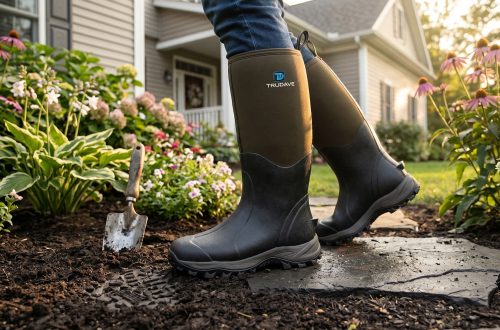
The Gardener’s Guide to Trudave Rain Boots: Comfort, Traction, and Waterproofing for Every Bed and Border
Best Boots for Vegetable Farm Work: Waterproof Footwear for Muddy Rows, Irrigation, Harvest, and Wash-Pack Areas
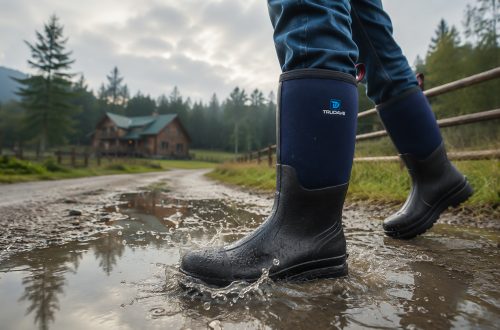
Stop Buying the Wrong Rain Boots: A Field Guide to Picking the Perfect Pair
-
Why Ranch Performance Feels Uneven as Summer Starts to Fade
As late summer begins to transition toward early fall, many ranchers notice something frustrating: Some days, everything looks solid.Other days, performance seems off—without a clear reason. Yet results feel inconsistent: This uneven performance isn’t random—it’s a natural result of multiple systems shifting at different speeds. Understanding why this happens is key to maintaining control as the season changes. 1. Seasonal Transition Doesn’t Happen All at Once One of the biggest misconceptions is expecting a clean seasonal shift. In reality: Instead, you get overlap: This creates a mixed system where: Some parts of your ranch are still in summer mode, while others are already transitioning. 2. Forage Growth Becomes Inconsistent Earlier…
-
Why Your Pasture Still Looks Good but Produces Less Usable Forage
At a glance, your pasture may look exactly how it should in late summer. But something doesn’t add up. Your herd isn’t gaining like it should. Grazing pressure feels uneven. Recovery seems slower. The reality is this: a pasture can look healthy while quietly producing less usable forage. Understanding the difference between appearance and function is what separates average pasture management from highly efficient ranching. 1. Green Doesn’t Mean Productive One of the biggest misconceptions in grazing management is equating green color with nutritional value. In late summer: But internally: A green pasture can still be operating in a low-productivity state. 2. Forage Maturity Reduces Nutritional Value As grasses mature:…
You May Also Like
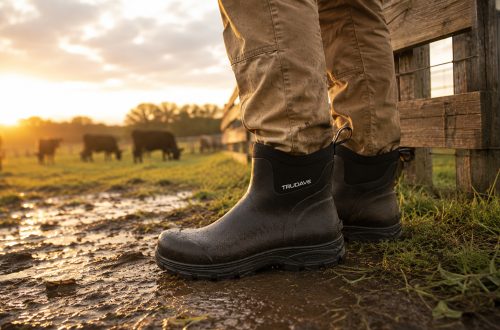
The Muddy Morning Epiphany: Why Your Rain Boots Are Failing You (And the One Fix That Works)
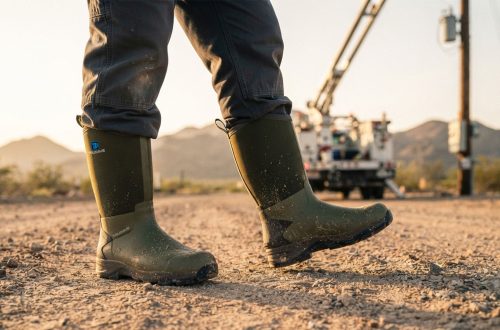
Best Boots for Christmas Tree Farm Work: Waterproof Footwear for Mud, Snow, Cutting, and Loading
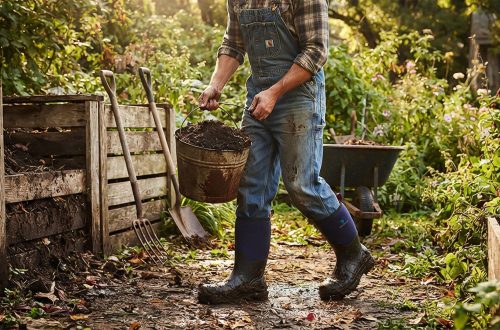
Best Boots for Peach Farm Work: Waterproof Footwear for Fruit Picking, Orchard Maintenance, and Harvest Season
-
Why Late Summer Is When Ranch Efficiency Starts Slipping Without Notice
Late summer doesn’t usually bring a clear breaking point on a ranch. There’s no sudden failure. No obvious collapse in pasture or herd condition. Instead, something more subtle happens. But underneath all of it: Ranch efficiency begins to slip—quietly, gradually, and often without immediate detection. This is one of the most critical periods for long-term productivity, because small inefficiencies start compounding across your entire operation. 1. The Illusion of “Everything Looks Fine” One of the biggest challenges in late summer is visual deception. From a distance: But these surface indicators hide deeper issues: The ranch looks stable—but performance is already shifting. 2. Forage Production Slows Without Stopping Unlike drought conditions,…
-
Why Your Herd Starts Working Harder for the Same Grazing Output in Summer
As summer heat sets in across grazing country, many ranchers begin to notice something subtle but important. The pasture still looks usable. The grass is still there. Rotation schedules haven’t changed much. But the herd starts to behave differently: In short: Your herd starts working harder just to achieve the same grazing output. This isn’t a coincidence—it’s a direct response to how summer heat reshapes energy use, forage quality, and grazing behavior. 1. Heat Stress Increases Maintenance Energy Costs One of the first hidden changes in summer is how much energy cattle spend just staying comfortable. As temperatures rise: That means: A larger portion of daily energy intake is used…
-
Why Consistent Summer Heat Quietly Reduces Ranch Productivity Over Time
When summer settles in and temperatures stay high day after day, most ranch operations don’t experience a sudden failure. Instead, productivity begins to decline slowly—almost invisibly. At first, everything looks normal: But over time, output begins to slip. Consistent summer heat doesn’t break a ranch overnight—it gradually reduces efficiency across forage, soil, and herd performance at the same time. Understanding this slow decline is key to protecting long-term productivity. 1. Heat Doesn’t Stop Growth—It Changes the Growth Strategy One of the most misunderstood effects of sustained summer heat is how it changes grass behavior. Instead of continuing rapid growth, pasture plants shift into: This leads to: Even though the field…
-
Why Root Systems Become the Weakest Link in Summer Gardens
When a garden starts struggling in mid to late summer, most gardeners look upward first. They notice: So they adjust what they can see: But in many cases, the real problem is happening underground. In summer gardens, the root system—not the foliage—often becomes the weakest link in the entire plant. And once roots start struggling, everything above the soil line follows. 1. Summer Heat Works Against the Root Zone First While leaves absorb sunlight, roots operate in a completely different environment—soil. In summer conditions: This creates a difficult environment for roots to function efficiently. As a result, roots begin to: The hotter it gets above ground, the more unstable conditions…
-
What Most Gardeners Misunderstand About Mid-Summer Growth Behavior
Mid-summer is where many home gardens quietly stop behaving the way gardeners expect. On the surface, everything can still look fine: But beneath that appearance, something important changes. Mid-summer growth is no longer about expansion—it shifts into maintenance, survival, and efficiency. Most gardeners misread this phase, and that misunderstanding leads to overwatering, over-fertilizing, and unnecessary concern about plants that are actually responding normally to seasonal stress. Let’s break down what’s really happening. 1. Growth Doesn’t Stop—It Changes Direction One of the biggest misconceptions is that slow visible growth means plants are struggling. In reality, mid-summer plants often shift from: This means: The plant is not declining—it is reallocating energy. 2.…
-
Why Your Garden Isn’t Progressing the Way It Should Right Now
You’ve put in the work.You’ve planted at the right time, watered regularly, and your garden looks… okay. But something isn’t adding up. Growth feels slower than it should be. Plants look decent, but not strong. Yields aren’t matching expectations. And compared to earlier in the season, momentum has stalled. If your garden isn’t progressing right now, it’s not random—it’s a response to changing early summer conditions. This is the stage where small imbalances start to show, and if left uncorrected, they can limit your entire season. Let’s break down what’s really happening—and how to fix it. 1. Early Summer Is a Transition, Not a Peak Many gardeners expect early summer…
-
The Early Warning Signs of Heat Stress Most Gardeners Ignore
As early summer settles in, many gardens still look full, green, and productive. On the surface, everything seems fine. But beneath that healthy appearance, plants may already be under pressure. Heat stress doesn’t start when plants collapse—it begins quietly, days or even weeks before visible damage appears. By the time leaves scorch, growth stalls, or yields drop, your plants have already been struggling for a while. The key to maintaining a productive garden through summer is learning to recognize the early warning signs of heat stress—the subtle signals most gardeners overlook. 1. Midday Wilting That “Fixes Itself” One of the earliest and most misunderstood signs is temporary wilting during the…
You May Also Like
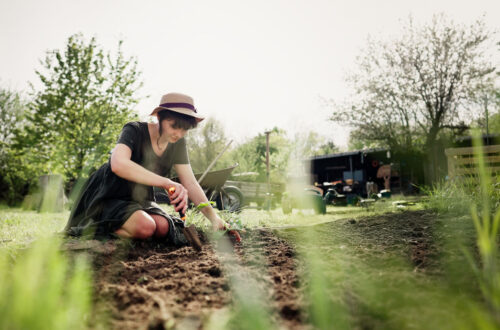
Cover Crops for Fall: Protecting and Enriching Your Garden Soil
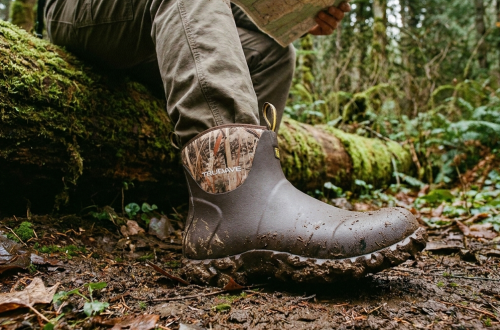
The Complete 2026 Guide to Trudave Rain Boots: From Garden Beds to Frozen Fields, Which Pair Is Engineered for Your Life?
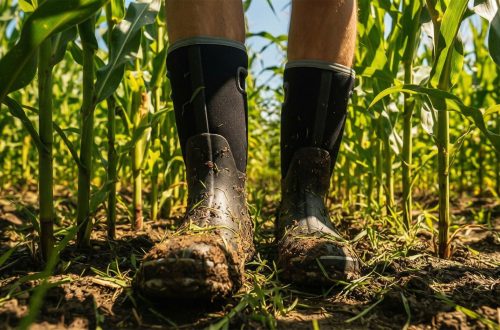
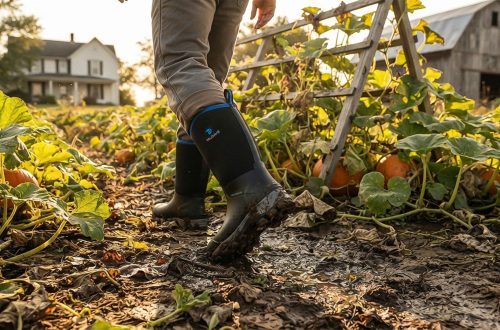
Best Boots for Pumpkin Farm Work: Waterproof Footwear for Muddy Fields, Wet Vines, Fall Harvest, and U-Pick Farms