gardening
-
Protecting New Grass Growth During Mud Season: Strategies for Ranchers
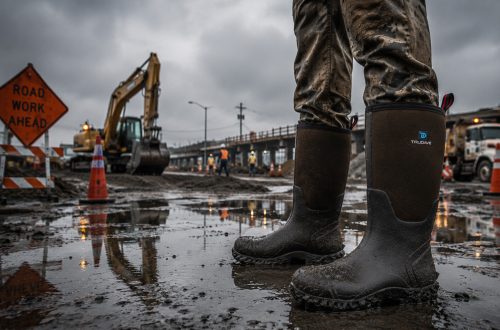
Mud season is one of the most challenging times for ranchers. Early spring brings thawing snow, heavy rains, and soft, waterlogged pastures that can easily sustain damage from livestock traffic. Protecting emerging grass growth during this vulnerable period is critical for ensuring a strong grazing season, healthy soil, and long-term pasture productivity. Why Mud Season Poses Risks to Pastures During mud season, pastures are particularly susceptible because: Understanding these risks allows ranchers to implement strategies that protect both soil and forage during this critical window. Signs Pastures Are Vulnerable Before deciding on grazing or pasture use, observe these indicators: If these conditions are present, the pasture is not ready for…
-
Early Spring Forage Assessment: Knowing When Your Pastures Can Handle Cattle
Early spring is a critical time for ranchers and livestock managers. After months of cold weather and frozen ground, pastures are just beginning to recover from winter stress. Understanding when your pastures can safely support cattle without causing damage is essential for maintaining long-term forage productivity, ensuring animal health, and preventing costly mistakes. Why Early Spring Forage Assessment Matters Pastures emerging from winter are fragile. Snowmelt, rain, and frost-thaw cycles leave the soil soft and susceptible to compaction and erosion. Grazing too early can: Proper forage assessment ensures you can balance cattle nutrition needs with pasture preservation, giving both your livestock and your land the best start to the season.…
-
Testing Soil Compaction After Winter: What Ranchers Often Miss
Winter leaves more behind than mud and fence repairs. Beneath the surface, freeze–thaw cycles, snowmelt saturation, feeding traffic, and concentrated hoof pressure can quietly reshape your soil profile. By early spring, many pastures look green on top—but compaction below can limit root growth, water infiltration, and total forage production for the rest of the season. Testing soil compaction after winter isn’t complicated. What’s often missed is where, when, and how deep to test—and what to do with the results. Here’s a practical, ranch-ready guide to diagnosing compaction before it steals yield and carrying capacity. Why Winter Creates Hidden Compaction Compaction forms when soil particles are pressed tightly together, reducing pore…
-
Why Early Grazing Pressure Can Set Your Pasture Back All Season
Early spring brings a strong temptation to turn cattle out as soon as the first flush of green appears. After a long winter of feeding hay, rising feed costs, and muddy lots, pasture looks like relief—for both ranchers and livestock. But grazing too early can quietly reduce forage production for the entire year. Understanding why early grazing pressure damages pasture health isn’t just about grass height. It’s about root reserves, soil structure, moisture conditions, and long-term stand persistence. Ranchers who manage this window carefully often see stronger summer production, better drought resilience, and lower supplemental feed costs. Let’s break down why timing matters so much—and how to avoid setting your…
-
How Spring Mud Impacts Hoof Health and What Ranchers Can Do Early
Spring brings longer days, greener pastures, and renewed growth across the ranch. But it also brings mud—and mud is more than just an inconvenience. For cattle operations across the United States, prolonged wet conditions in early spring can quietly undermine hoof health, reduce weight gain, and increase long-term management costs. Understanding how spring mud impacts hoof health—and what ranchers can do early to prevent problems—can protect herd performance before minor issues turn into expensive setbacks. Why Spring Mud Is a Serious Hoof Health Risk During late winter and early spring, soils are often saturated from snowmelt, seasonal rains, and limited evaporation. Heavy livestock traffic across soft ground creates deep mud…
-
When Is Pasture Truly Ready? Signs Soil Temperature Matters More Than Grass Height
Every spring, ranchers face the same pressure: grass is greening up, feed bills are stacking up, and cattle are eager to get off hay. The fields may look ready. But are they? One of the most common early-season mistakes in pasture management is turning livestock out based on grass height alone. While visible growth is encouraging, soil temperature—not grass height—is the real indicator of whether pasture is truly ready for grazing. Understanding this distinction can protect root systems, preserve seasonal yield, and ultimately determine how productive your entire grazing year will be. Why Grass Height Can Be Misleading In early spring, cool-season grasses often produce rapid top growth after a…
-
How Early Spring Soil Moisture Affects Cattle Nutrition
Early spring is a pivotal time for cattle ranchers, as the combination of soil conditions, forage growth, and livestock nutrition can set the tone for the entire grazing season. While many ranchers focus on grass height or stocking rates, one factor that is often overlooked—but critically important—is soil moisture. Understanding how early spring soil moisture influences forage quality, intake, and overall cattle performance can help ranchers make smarter grazing decisions and prevent long-term pasture damage. The Connection Between Soil Moisture and Forage Growth Soil moisture in early spring directly impacts: Conversely, soil that is too dry or too saturated can reduce forage availability and nutrient density, directly affecting cattle intake…
-
Maximizing Early Spring Forage Growth Without Overgrazing
Early spring is one of the most critical periods for managing pastures and ensuring a successful grazing season. The first flush of growth after winter sets the foundation for forage quality, livestock performance, and long-term pasture health. However, the temptation to turn livestock out too early can lead to overgrazing, soil compaction, and reduced plant vigor, which compromises growth for the rest of the season. Understanding how to maximize early spring forage growth without overgrazing is essential for every rancher and pasture manager. This article explores strategies, timing, and practical approaches to get the most from your spring pastures. Why Early Spring Forage Growth Matters Early spring is a time…
-
How to Evaluate Pasture Strength Before First Grazing Rotation
The first grazing rotation of the year sets the tone for your entire pasture season. Turn livestock out too early, and you risk weakening root systems, slowing regrowth, and permanently reducing total forage yield. Wait until pasture strength is fully established, and you create the foundation for faster recovery, healthier forage, and more efficient grazing cycles throughout spring and summer. Evaluating pasture strength is not about grass height alone. True pasture readiness depends on root stability, soil structure, plant energy reserves, and the pasture’s ability to recover after grazing pressure. This guide explains how to accurately evaluate pasture strength before first turnout, using proven field indicators that experienced ranchers rely…
-
Why Some Fields Stay Unusable Weeks Longer Than Others
Every rancher and livestock producer knows the frustration. One pasture is firm, green, and ready to support cattle, while another—sometimes just a few hundred yards away—remains muddy, fragile, and unusable weeks later. This uneven recovery is not random. It is the result of soil structure, drainage, sunlight exposure, plant biology, and winter conditions interacting in ways that directly affect how fast land can recover in early spring. Understanding why some fields stay unusable longer than others gives ranchers a major advantage. It helps prevent costly pasture damage, improves grazing timing, protects root systems, and ultimately increases total forage production across the entire grazing season. This article breaks down the real…