gardening
-
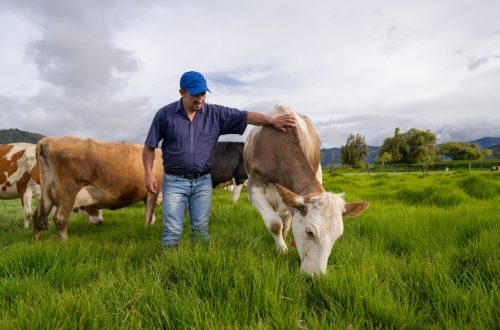
Why Early Spring Grass Growth Determines Your Entire Grazing Season
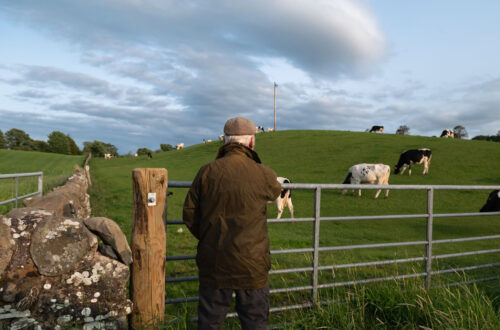
Early spring is one of the most decisive periods for pasture productivity and livestock performance. While it may seem like just the beginning of the growing cycle, what happens in the first few weeks of grass growth sets the foundation for the entire grazing season. The timing, density, and health of early spring grass directly influence forage availability, root strength, drought resistance, and overall pasture sustainability. For ranchers, understanding how early spring grass development shapes the months ahead can mean the difference between a productive grazing system and a season filled with shortages, slow recovery, and increased feed costs. Early Spring Is When Grass Establishes Its Root Strength Before grass…
-
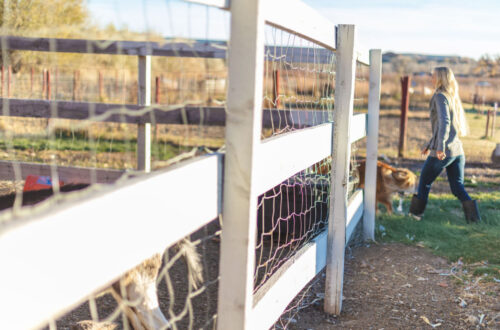
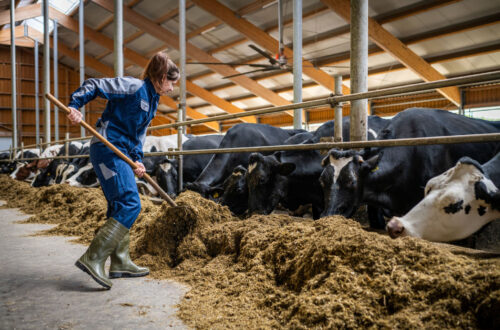
Why Mud Season Is the Most Physically Demanding Time on a Cattle Ranch
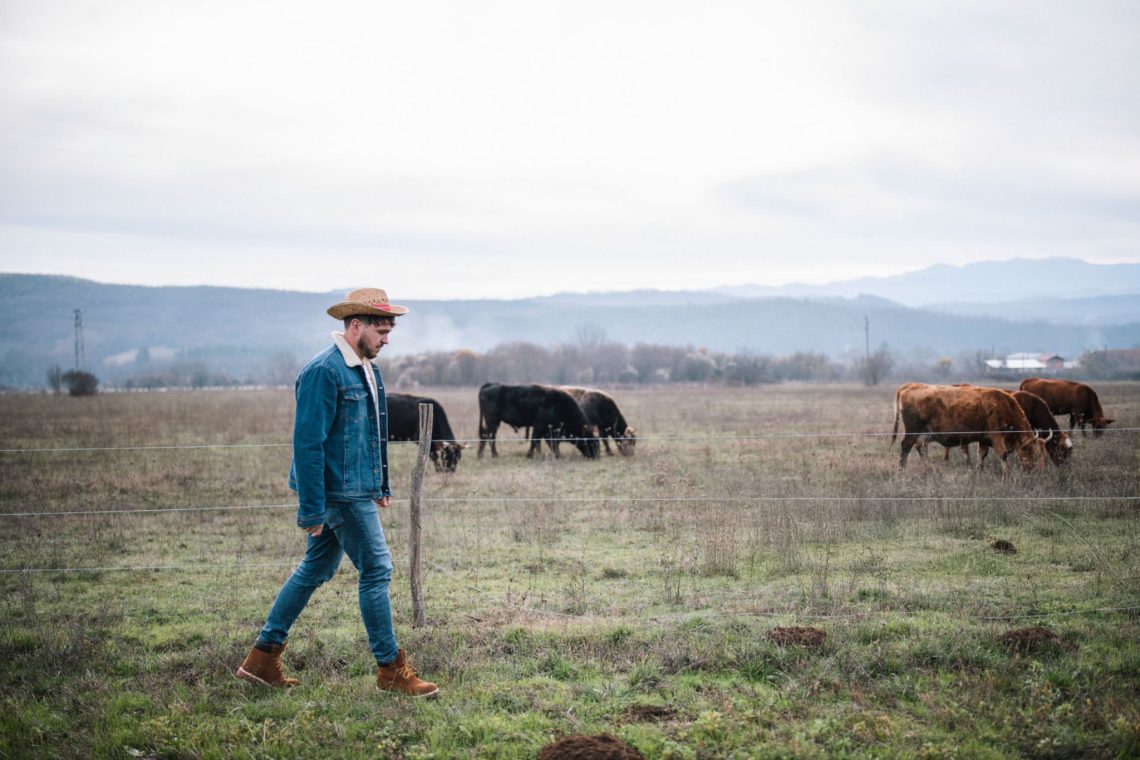
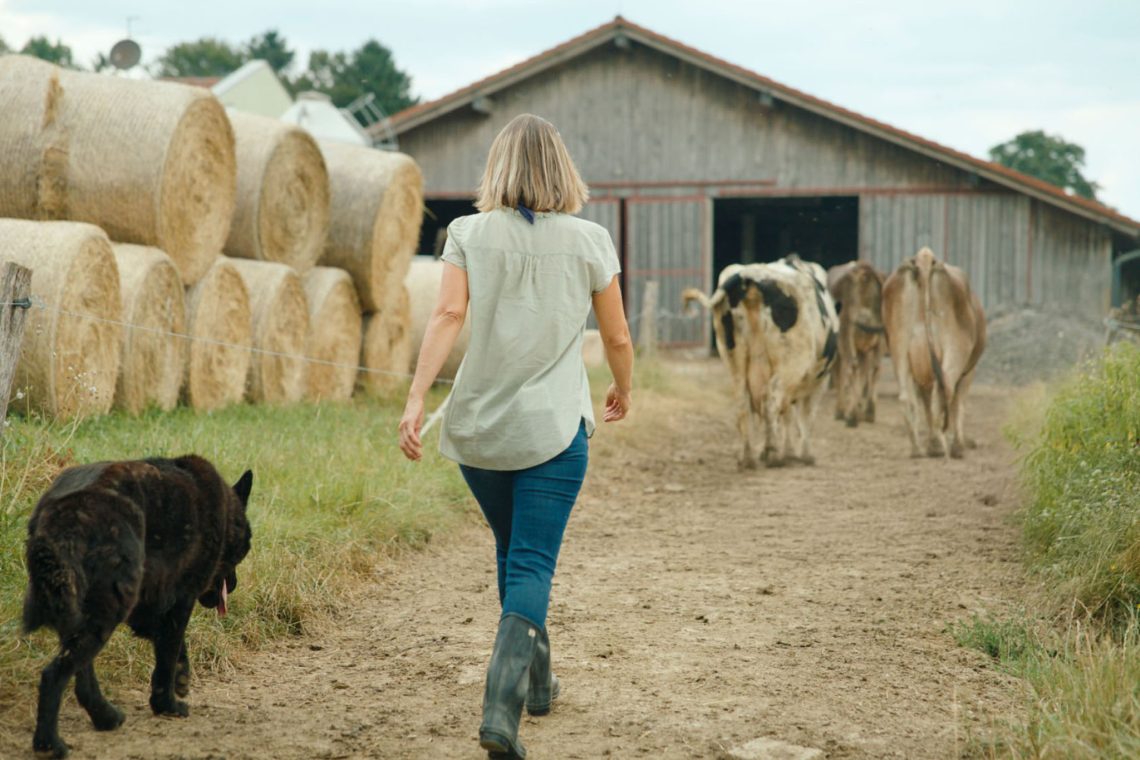
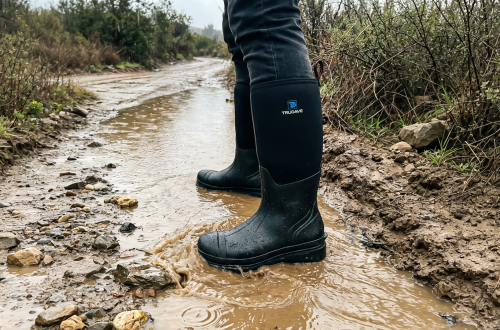
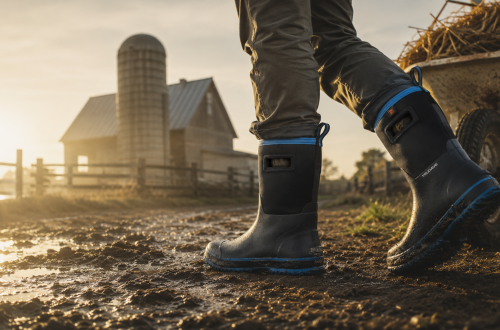
Mud season is one of the most challenging and physically exhausting periods on any cattle ranch. As winter loosens its grip and temperatures begin to rise, frozen ground thaws unevenly, snow melts into saturated soil, and firm terrain turns into deep, energy-draining mud. While this seasonal transition signals the approach of spring growth and new life, it also creates conditions that test the endurance, efficiency, and resilience of ranchers and livestock alike. Understanding why mud season is so demanding—and how it affects movement, livestock management, equipment, and daily workload—can help ranchers prepare effectively and reduce unnecessary strain during this critical period. What Causes Mud Season on Cattle Ranches Mud season…
-
How to Create Warm Microzones for Faster Plant Establishment
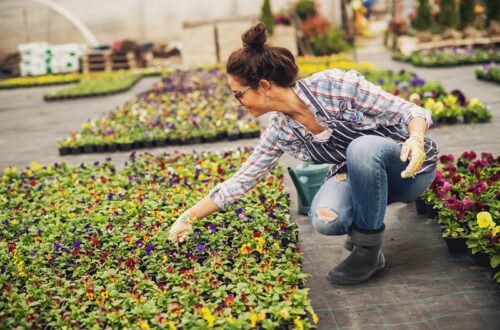
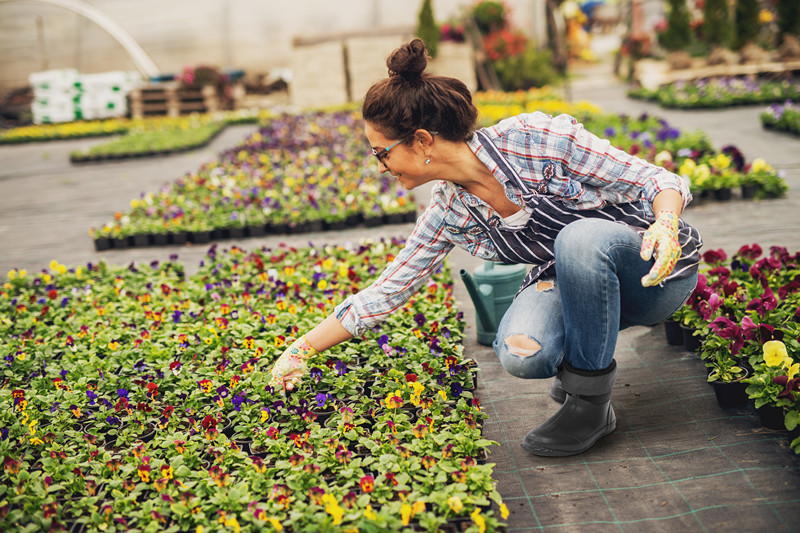
Early spring planting often comes with a frustrating reality: air temperatures may feel warm, but soil and localized conditions remain cold. This slows seed germination, delays root growth, and weakens young plants. However, experienced gardeners and growers know a powerful secret—by creating warm microzones, you can accelerate plant establishment, extend your growing season, and dramatically improve early growth success. Microzones are small areas within your garden that naturally or intentionally retain more heat than surrounding spaces. These warmer pockets allow soil to warm faster, reduce stress on young plants, and promote faster root development. Understanding how to create and use warm microzones can give you a significant advantage, especially in…
-
How to Stop Weeds Before They Take Over Your Garden
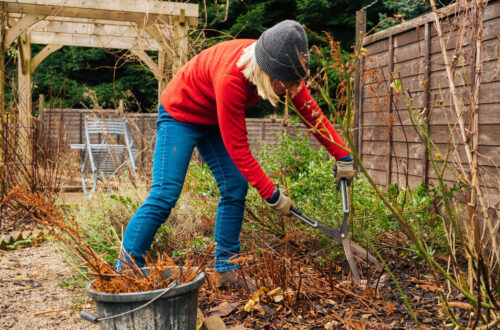
Weeds are more than just an eyesore. They compete with your plants for sunlight, water, nutrients, and space. If left unmanaged, they can quickly overwhelm even a well-planned garden. The key to successful weed control isn’t constant pulling — it’s prevention. By understanding how weeds grow and taking proactive steps early in the season, you can dramatically reduce weed pressure and maintain a healthy, productive garden with far less effort. This guide explains proven strategies to stop weeds before they take over — using practical, effective methods that work in home gardens across the United States. Why Weeds Spread So Quickly Weeds are opportunistic. Most produce hundreds — sometimes thousands…
-
How Early Spring Decisions Affect Your Entire Garden Season
Early spring is the most influential period in the gardening calendar. While much of the visible growth happens later in spring and summer, the decisions made during the first few weeks of the season determine how well your garden performs for months to come. Soil preparation, planting timing, moisture management, and early plant care all shape root development, plant health, and overall productivity. Gardeners who make informed early spring decisions create stronger plants, healthier soil, and more reliable harvests. Those who rush or overlook key steps often deal with slower growth, pest problems, and reduced yields. Understanding how early actions influence the entire growing season is essential for long-term garden…
-
Why Garden Preparation Timing Matters More Than Planting Speed
One of the most common mistakes gardeners make—especially in early spring—is focusing too much on planting as early as possible instead of preparing the garden at the right time. While it’s exciting to get plants into the ground quickly, long-term success depends far more on when and how you prepare your garden than on how fast you plant. Timing garden preparation correctly allows soil structure, moisture levels, nutrient availability, and temperature stability to align with plant needs. When preparation is rushed or mistimed, even the healthiest plants struggle to establish, resulting in slow growth, weaker roots, and reduced yields later in the season. Understanding why preparation timing matters—and how to…
-
How to Build a Strong Foundation for Spring and Summer Growth
Every productive garden begins long before plants reach full size or produce their first harvest. The real work happens early—beneath the surface, inside the soil, and during the critical weeks when roots are forming and environmental conditions are stabilizing. If you want strong spring growth and high-performing summer plants, you must focus on building a solid foundation. That foundation includes soil structure, nutrient balance, moisture management, temperature stability, and strategic planning. When these elements are established correctly at the start of the season, plants grow consistently, resist stress more effectively, and produce higher yields throughout the warm months. Here’s how to build that foundation the right way. Start with Soil…
-
Why Early Soil Management Determines Final Harvest Results
The success or failure of a garden is often decided long before the first harvest. While many gardeners focus on watering schedules, fertilizers, or pest control later in the season, the truth is simpler and more fundamental: your final harvest is largely determined by how well you manage your soil early in the growing season. Soil is more than just a place where plants stand. It is the environment where roots develop, nutrients are absorbed, and biological processes fuel plant growth. Early soil management shapes root strength, plant stability, nutrient availability, and long-term productivity. When soil conditions are optimized early, plants grow more efficiently, resist stress better, and produce higher-quality…
-
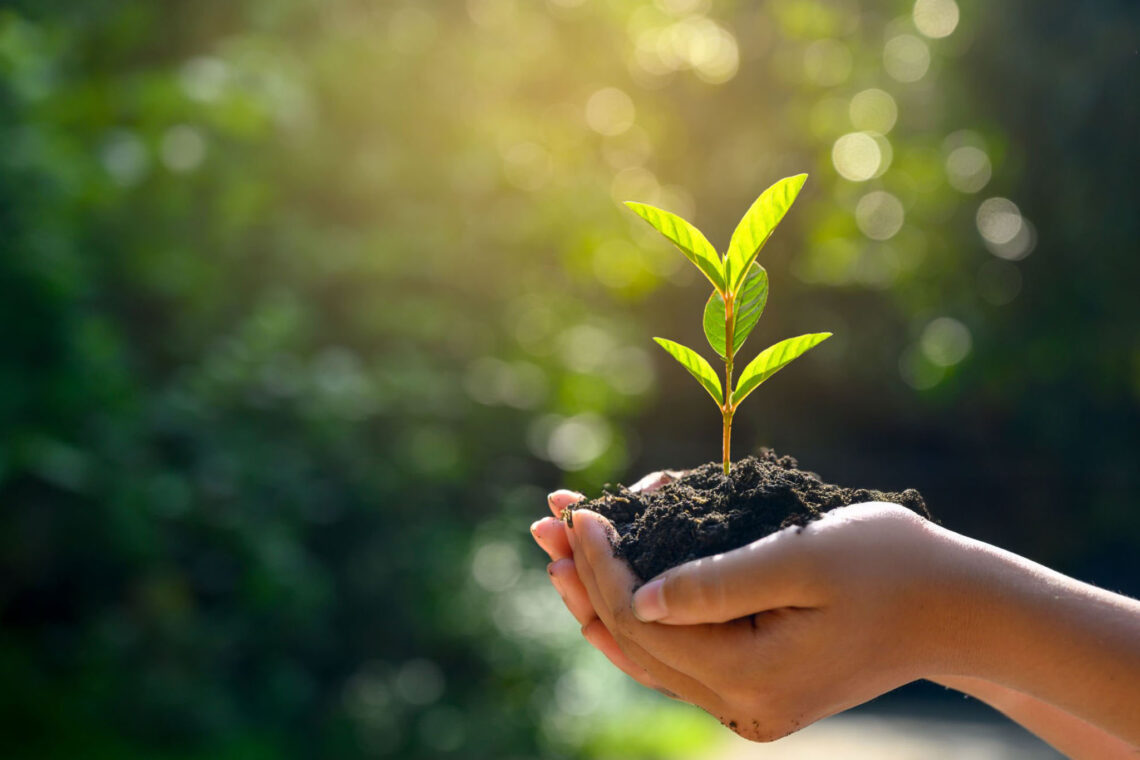
How Spring Moisture Affects Root Development
Spring moisture is one of the most powerful forces shaping plant success for the entire growing season. While gardeners often focus on air temperature and planting dates, what happens below the surface matters far more. Soil moisture directly controls how roots form, expand, and function. Too little moisture slows root growth. Too much moisture can suffocate roots and permanently weaken plants. Understanding how spring moisture affects root development helps gardeners build stronger plants, improve drought resistance, and increase overall productivity. Root Development Begins the Moment Soil Warms As soil temperatures rise in early spring, plant roots begin to activate. This process depends heavily on moisture availability. Roots grow by extending…
-
Why Early Planting Success Depends on Soil, Not Calendar Dates
Every spring, gardeners across the United States circle planting dates on their calendars. Seed packets list “plant after last frost,” local extensions publish average frost dates, and gardening apps send reminders. While these timelines are helpful guidelines, they are not guarantees. The truth is simple: early planting success depends far more on soil conditions than on calendar dates. Two gardens in the same zip code can have completely different soil readiness on the same day. Planting based strictly on dates—without evaluating soil temperature, moisture, and structure—can lead to stunted growth, seed failure, and long-term soil damage. If you want consistent early-season success, the soil—not the calendar—must guide your decisions. Calendar…