pasture
-
Manure to Gold: Turning Winter Waste into Spring Pasture Fertility
When the temperatures drop and the fields turn quiet, most farmers and ranchers shift into maintenance mode. But winter is far from idle time — it’s one of the most valuable periods to build next season’s soil health. Turning manure into a nutrient-rich resource is not just smart waste management — it’s the foundation of fertile spring pastures and sustainable grazing systems. In this article, we’ll explore how to turn that pile of “winter waste” into your pasture’s greatest asset — covering the science, timing, and real-world methods that make manure management pay off. Understanding the Value Beneath the Pile Manure is more than just a byproduct — it’s a…
-
Shelter Smart: Building Windbreaks and Barn Setups That Beat the Cold
When the first hard frost settles across the fields and the north wind cuts through open pastures, livestock comfort and protection become a top priority for every rancher. Smart shelter design isn’t about luxury—it’s about survival, energy efficiency, and maintaining animal health when winter throws its worst at you. Building proper windbreaks and barn setups can mean the difference between thriving herds and stressed, underperforming livestock. Why Winter Shelter Design Matters Cold stress in animals isn’t just uncomfortable—it directly impacts feed efficiency, milk production, weight gain, and overall health. When temperatures drop below the lower critical threshold, livestock burn extra calories to stay warm. That means more hay, more feed,…
-
Cold-Weather Crops: What to Grow in Your Garden Through the Winter
As the temperatures drop and the days grow shorter, many gardeners put their tools away, believing that the growing season has come to an end. However, winter gardening can be incredibly rewarding, allowing you to harvest fresh, nutritious crops even in the coldest months. By selecting the right cold-weather crops and employing a few gardening strategies, you can extend your growing season and enjoy homegrown produce all year long. In this guide, we’ll explore the best crops to grow through the winter, how to care for them in chilly conditions, and tips for maximizing your harvests even during the coldest months. Why Grow Cold-Weather Crops? Winter gardening offers a range…
-
Pruning for Spring: How Late Fall Cuts Boost Next Year’s Growth
As the days shorten and the temperatures dip, late fall presents the perfect opportunity to give your garden a jumpstart for next spring. While many gardeners focus on putting their tools away for the season, pruning in the fall can have significant benefits for next year’s growth. By carefully trimming back your plants, you set the stage for healthy, vibrant blooms and lush greenery when spring rolls around. Whether you’re tending to fruit trees, roses, or ornamental shrubs, proper fall pruning can make a world of difference. In this guide, we’ll explore how to prune effectively during the late fall months, the benefits of winter cuts, and which plants benefit…
-
Winter Grazing: How to Prepare Your Pastures for the Cold Season
As the crisp air settles in and the days shorten, winter grazing becomes a critical consideration for ranchers looking to maximize their pasture’s productivity and ensure their livestock remains healthy throughout the colder months. Properly preparing your pastures for winter can significantly reduce feed costs, improve soil health, and ensure that your herd is grazing on nutrient-dense, high-quality forage. However, the preparation requires thoughtful planning, from managing pasture growth to taking action before the first frost. Here’s a detailed guide on how to get your pastures ready for winter grazing. 1. Assess Your Pasture’s Condition Before Winter Before diving into the specifics of winter grazing, it’s essential to evaluate the…
-
Feeding Livestock in Winter: Adjusting Diets for Cold-Weather Health
Winter brings unique challenges to livestock owners, from frozen water troughs to harsh winds that chill to the bone. But perhaps one of the most crucial aspects of winter livestock care is adjusting their diet to ensure they remain healthy and productive throughout the cold months. As temperatures drop, animals need more than just basic sustenance—they need nutrition that supports their immune system, energy levels, and overall vitality. Let’s dive into how you can adjust your livestock’s feeding routine to keep them in peak condition this winter. Why Diet Matters More in Winter During the colder months, livestock’s metabolism increases as they work harder to keep warm. Simply put, they…
-
Garden Beds to Winter Beds: Cover Crops That Feed Your Soil
As the final tomatoes ripen and the last of the beans are picked, many gardeners call it quits for the season—cleaning tools, stacking pots, and waiting for spring. But savvy gardeners know that the growing season doesn’t end when the harvest does. In fact, one of the most important steps for next year’s success happens right now: planting cover crops. These “green manures” do more than just fill empty garden beds—they nourish your soil, prevent erosion, and build a healthier foundation for the next planting season. Why Cover Crops Matter After months of active growing, your soil is tired. Nutrients are depleted, beneficial microbes slow down, and exposure to wind…
-
Turning Leaves into Gold: Making Compost from Autumn’s Bounty
Every fall, yards across America fill with piles of fallen leaves — a beautiful reminder of changing seasons, but also an incredible opportunity for gardeners and ranchers. What many see as waste is actually one of nature’s richest resources. With a little effort and the right approach, those crunchy, colorful leaves can be transformed into nutrient-dense compost — the “black gold” that fuels next year’s garden and pasture growth. Autumn’s bounty isn’t just decoration — it’s a treasure chest of organic matter waiting to be repurposed. In this guide, we’ll explore how to turn fall leaves into compost that improves soil structure, retains moisture, and feeds your plants all year…
-
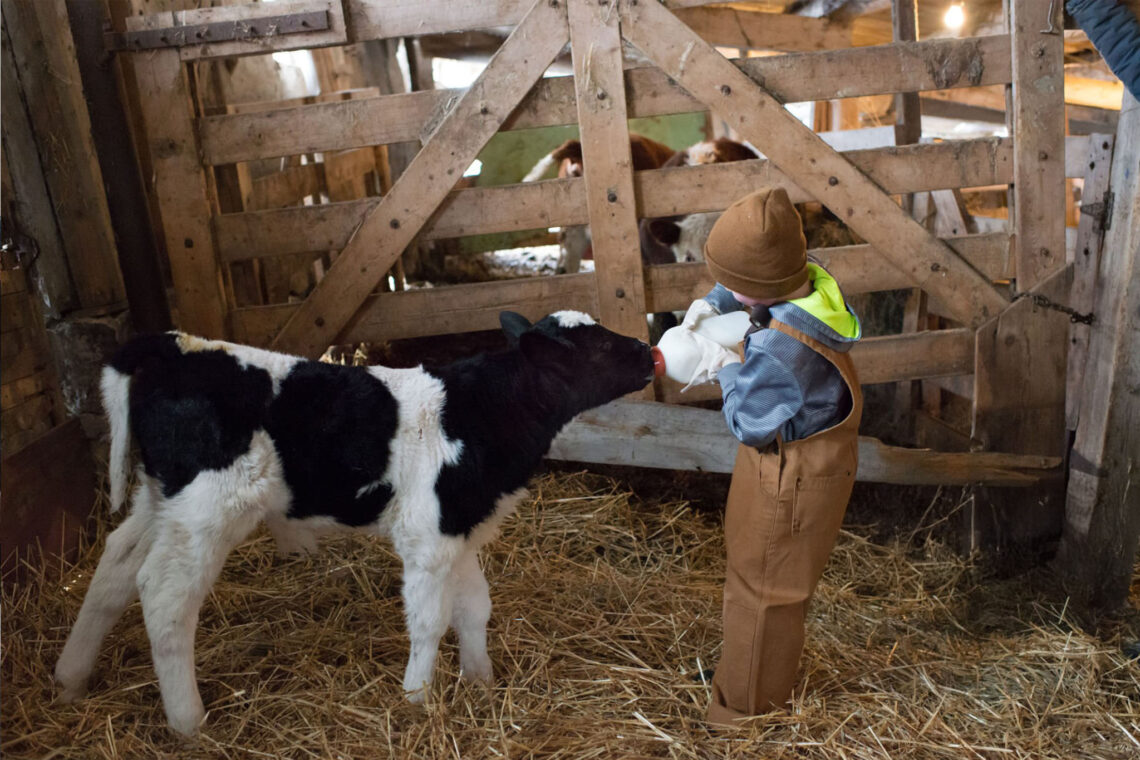
Preparing Calves for Cold Weather: Immunity, Bedding, and Comfort
As the temperature drops and frost begins to cover the morning pastures, ranchers across the country know what’s coming — the long stretch of winter that tests both livestock and management. While mature cattle are naturally equipped to handle cold with their thick coats and body fat, young calves are far more vulnerable. Their immune systems, energy reserves, and thermoregulation are still developing, making them susceptible to illness, stress, and stunted growth. Preparing calves for cold weather isn’t just about keeping them warm — it’s about building resilience from the inside out. From boosting immunity to perfecting bedding systems and maintaining comfort, every decision you make in fall can mean…
-
Deep Roots, Strong Herds: Building Better Pasture Resilience for Next Spring
As fall winds down and the first frosts begin to settle across open fields, ranchers know this is no time to relax. The work done now — when the grass is fading and the soil is still workable — sets the stage for next spring’s success. Building pasture resilience isn’t just about what grows above the surface; it’s about nurturing the deep, living network beneath it. Strong roots make strong forage, and strong forage builds strong herds. In this guide, we’ll explore how to strengthen your pastures through smart fall management, focusing on root development, soil health, and strategic grazing. 🌾 Understanding Pasture Resilience Pasture resilience means more than just…