pasture
-
Extending Your Garden: Cool-Season Crops That Thrive in Late Fall
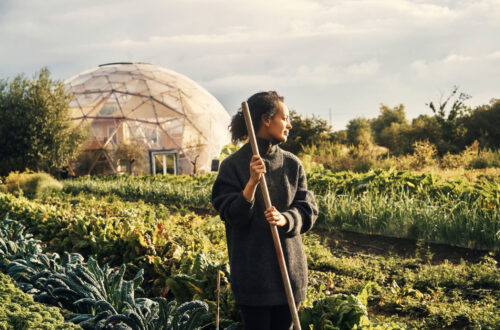
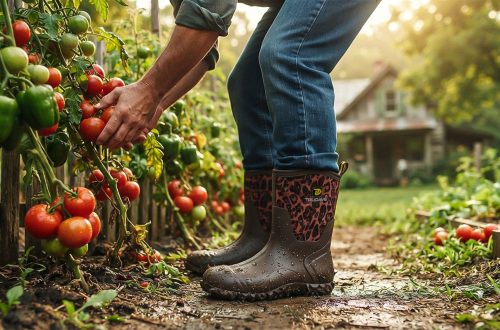
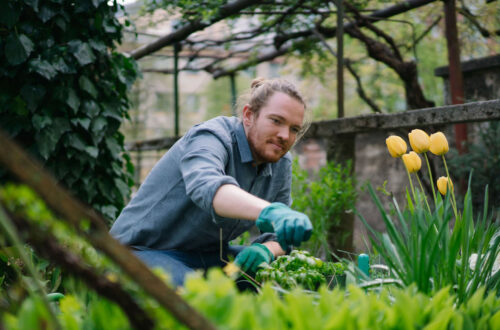
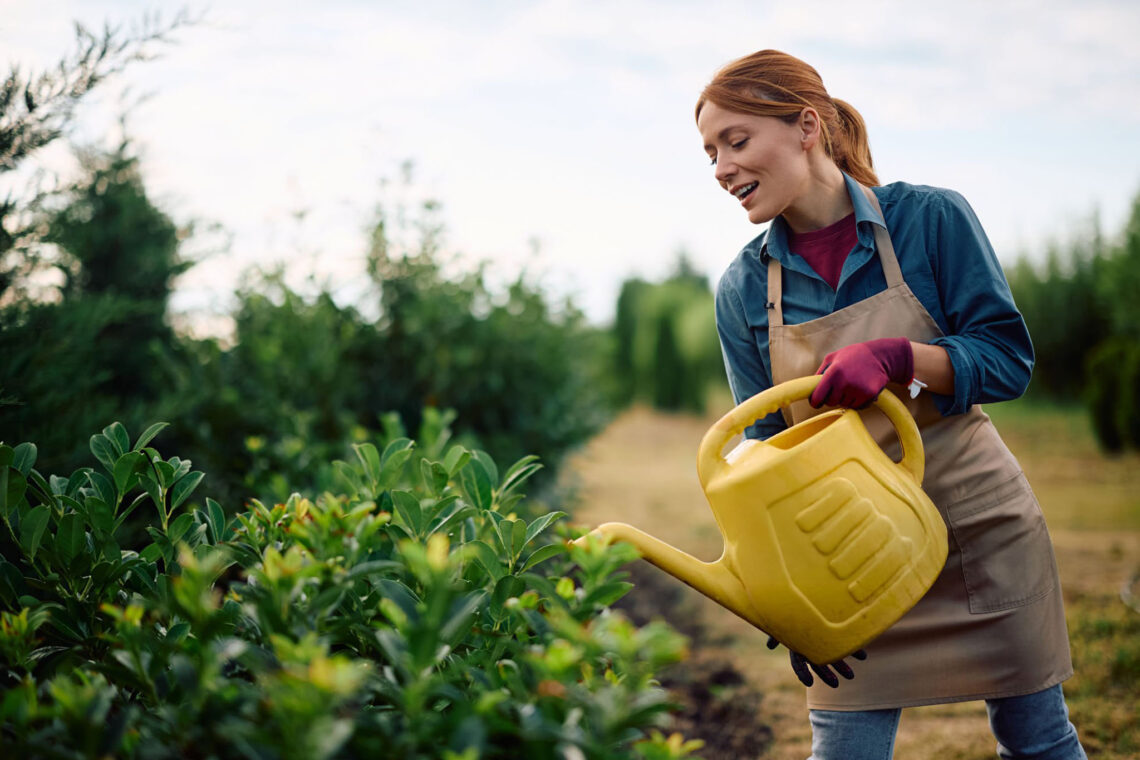
As the days shorten and temperatures drop in late fall, many gardeners believe the growing season is over. But with the right planning and crop selection, it’s possible to extend your garden productivity well into November and even early December. Cool-season crops thrive in cooler temperatures, often producing sweet, tender, and highly nutritious harvests that can supplement your fall meals and store well for winter. This guide explores the best cool-season crops, planting techniques, and care strategies to maximize your late-season garden, all while using practices that align with organic and sustainable gardening principles. Why Grow Cool-Season Crops in Late Fall Cool-season crops are adapted to tolerate frost, cooler soil,…
-
Extending Your Garden: Cool-Season Crops That Thrive in Late Fall
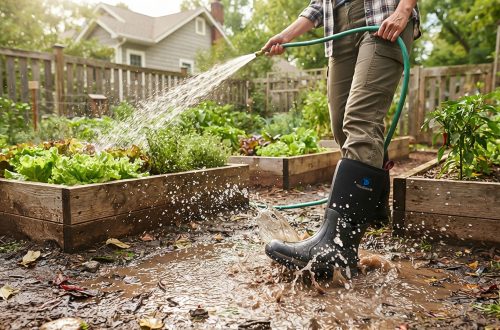
As the days shorten and temperatures drop in late fall, many gardeners believe the growing season is over. But with the right planning and crop selection, it’s possible to extend your garden productivity well into November and even early December. Cool-season crops thrive in cooler temperatures, often producing sweet, tender, and highly nutritious harvests that can supplement your fall meals and store well for winter. This guide explores the best cool-season crops, planting techniques, and care strategies to maximize your late-season garden, all while using practices that align with organic and sustainable gardening principles. Why Grow Cool-Season Crops in Late Fall Cool-season crops are adapted to tolerate frost, cooler soil,…
-
Late-Season Hay Harvest: Maximizing Nutrient Retention
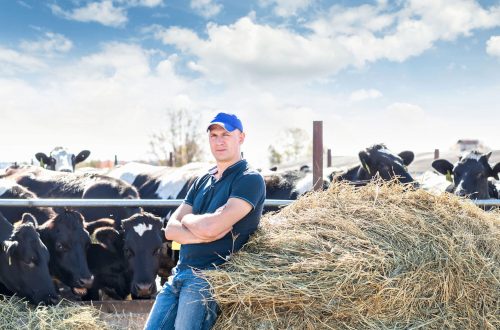
As fall settles across the American countryside, ranchers and small-scale farmers face a critical task: harvesting hay late in the season without sacrificing quality. Cooler temperatures, shorter daylight hours, and unpredictable weather patterns make late-season hay production challenging. Yet, with the right strategies, it is possible to maximize nutrient retention, ensuring livestock receive high-quality forage during the lean winter months. This guide explores best practices for late-season hay harvesting, covering timing, cutting techniques, drying, storage, and strategies to maintain optimal nutrient content for your herd. Why Late-Season Hay Quality Matters Hay harvested in fall often represents the last fresh forage your livestock will receive before winter. Its nutritional value impacts…
-
Pre-Winter Pastures: Managing Grazing for Healthier Herds
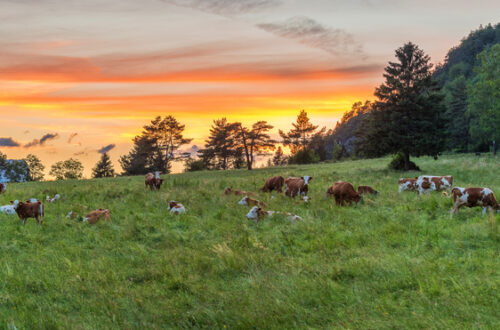
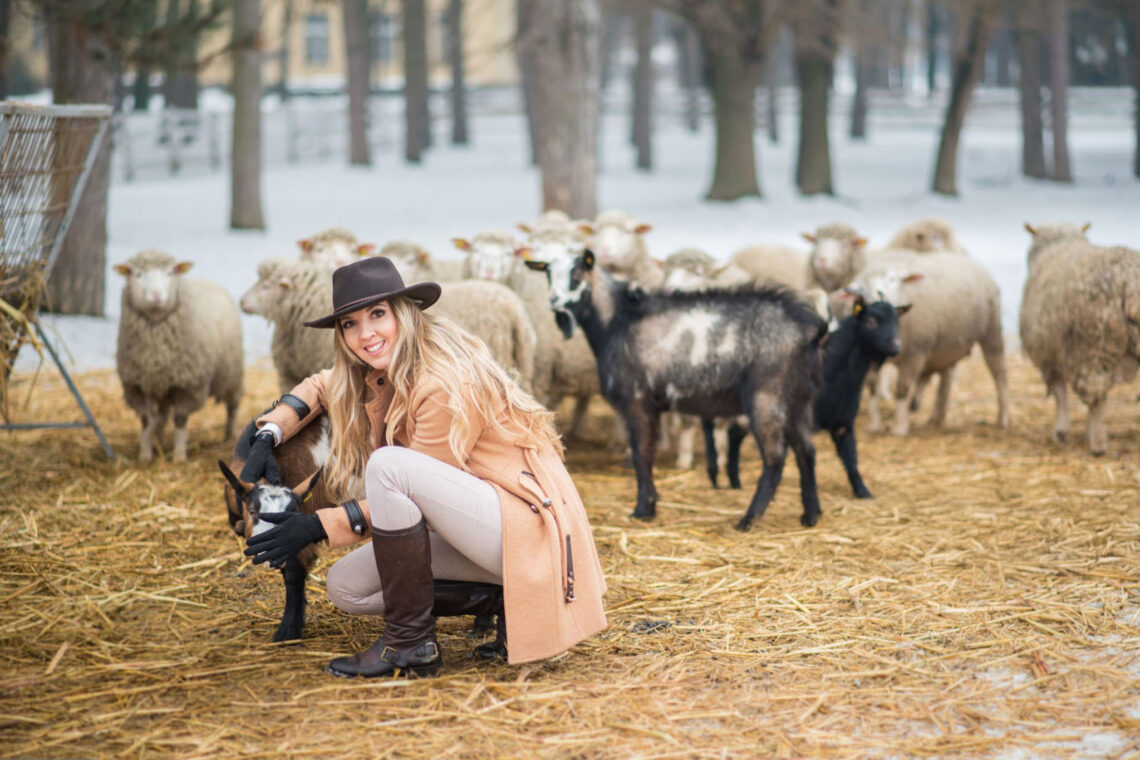
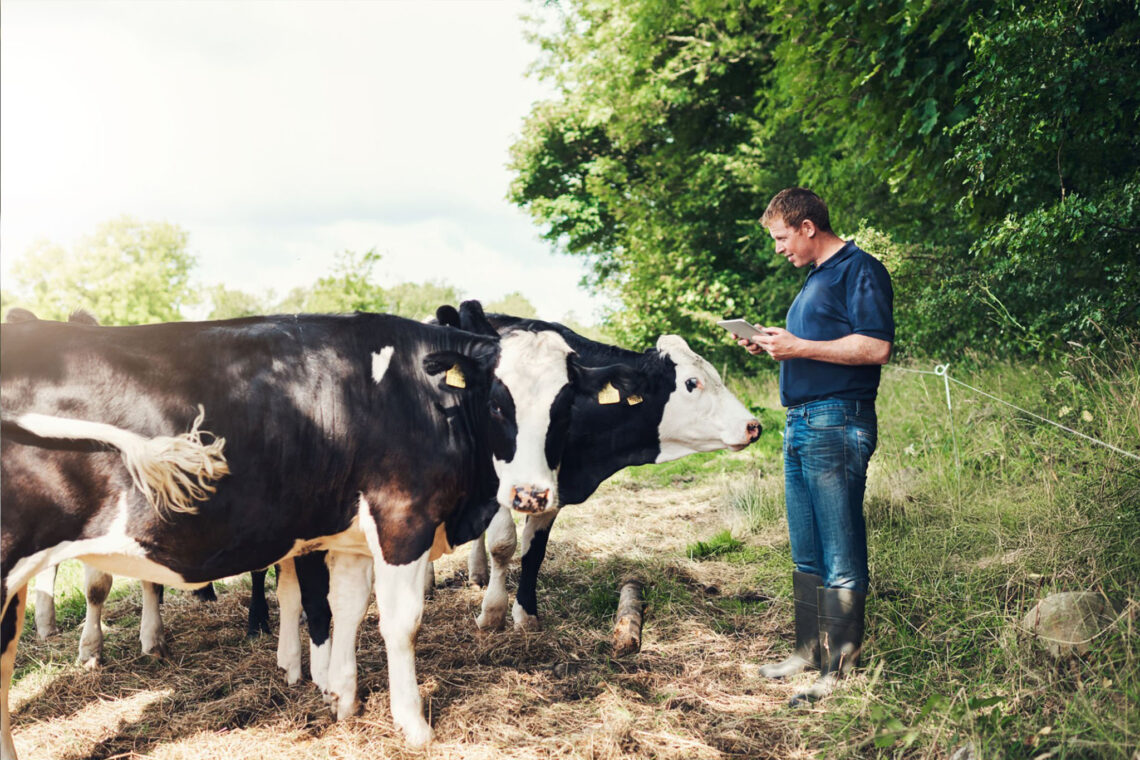
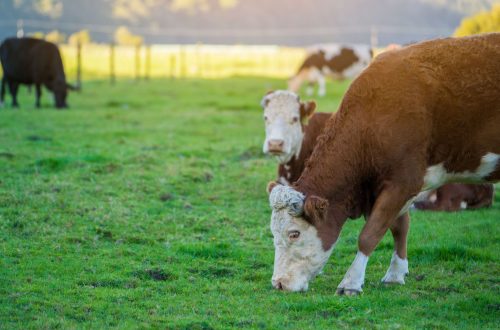
As fall deepens and the first frosts begin to touch pastures across the U.S., ranchers face a critical window: preparing pastures for winter while maintaining healthy herds. The choices made in these weeks can determine animal health, pasture productivity, and overall farm profitability for months to come. Effective pre-winter grazing management isn’t just about feeding animals—it’s about balancing nutritional needs, pasture recovery, and soil health. This guide explores practical strategies for managing grazing in late fall, helping livestock thrive through winter while preserving pasture vitality. Why Pre-Winter Pasture Management Matters During fall, pastures naturally slow growth due to cooler temperatures and shorter daylight hours. If grazing isn’t managed properly: Proper…
-
Pasture Recovery: Resting and Reseeding for Spring Grazing
As autumn settles across the countryside and the last of the summer forage fades, it’s easy to think the grazing season is over. But for ranchers and homesteaders, fall is far from a time to rest—it’s the season to rebuild and restore. The health of next year’s grazing depends on the work you do now. From resting overworked paddocks to reseeding thin pastures, a strategic fall recovery plan ensures your livestock have abundant, nutritious forage when spring returns. 🌾 Why Fall Pasture Recovery Matters Pastures are living ecosystems, not endless grass factories. After a long summer of grazing and heat stress, root systems are often depleted, soil microbes are fatigued,…
-
Cool-Season Crops That Thrive in October Soil
As summer’s heat fades and the first hints of frost linger in the morning air, gardeners across America begin one of the most rewarding transitions of the year: the fall planting season. October may seem late for growing, but for many cool-season crops, it’s actually the perfect time to thrive. With mild days, moist soil, and fewer pests, autumn provides ideal growing conditions for hardy vegetables that love chilly soil and crisp air. Whether you’re planting in raised beds, garden plots, or cold frames, October soil still holds warmth from summer—just enough to help seeds sprout and roots establish before the deep cold sets in. The key is knowing which…
-
Compost Gold: Turning Fall Leaves Into Next Year’s Fertility
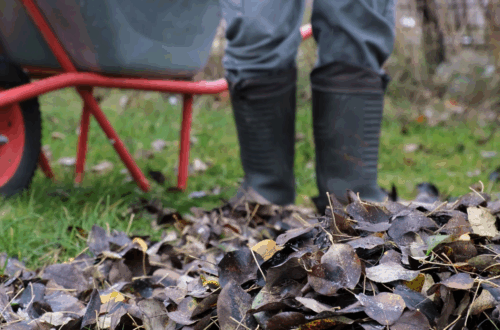
As autumn settles in and yards fill with a carpet of fallen leaves, most people reach for rakes and garbage bags. But seasoned gardeners know better—those piles of leaves aren’t waste; they’re nutrient-rich treasure waiting to be transformed into next year’s fertile soil. Turning fall leaves into compost gold is one of the simplest, most sustainable ways to enrich your garden, cut waste, and build long-term soil health. 🍂 Why Fall Leaves Are a Gardener’s Best Friend Every leaf that falls from your trees is a bundle of nutrients—carbon, calcium, magnesium, and trace minerals—pulled from deep within the soil over the growing season. When returned to the earth through composting,…
-
Feeding the Herd: Transitioning Livestock Diets for Cooler Weather
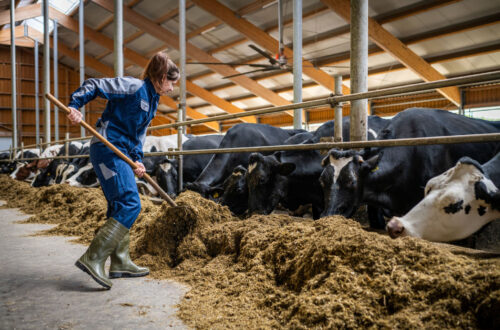
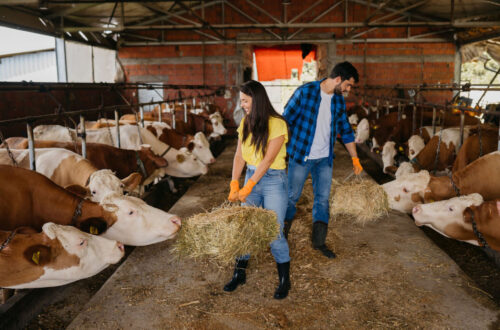
As the heat of summer fades and crisp air rolls across the pastures, ranchers across America know it’s time to shift gears. Fall isn’t just a change in scenery—it’s a critical transition period for livestock nutrition. When temperatures drop, animals’ dietary needs shift to maintain body condition, energy, and overall health. Whether you’re managing cattle, goats, sheep, or horses, understanding how to adjust feeding routines for cooler weather is key to keeping the herd thriving all season long. 🐄 Understanding the Seasonal Metabolism Shift When the weather cools, livestock burn more calories to stay warm. This natural metabolic adjustment increases energy demand, especially during cold nights or sudden weather swings.…
-
Garden Clean-Up Done Right: Preventing Disease Over Winter
As the growing season winds down and the last of the tomatoes and zinnias fade, many gardeners feel tempted to hang up their gloves and call it quits until spring. But here’s the truth: fall clean-up is one of the most important steps in disease prevention and long-term garden health. Winter doesn’t kill everything — not the way we like to think it does. Many fungal spores, bacterial pathogens, and insect eggs overwinter quietly in garden debris, soil, or mulch, waiting for the first warm days of spring to return with a vengeance. If you want a healthy, vibrant garden next year, now’s the time to get serious about sanitation.…
-
Protecting Perennials: The Right Way to Mulch Before the Hard Freeze
As the nights grow colder and frost begins to cling to morning leaves, gardeners across the country know what time it is — the final push before winter truly settles in. For those who take pride in perennial beds, shrubs, and established gardens, this is the critical moment to prepare them for the months of ice and wind ahead. Mulching before a hard freeze isn’t just about tossing down some bark or straw; it’s a strategic move that determines whether your plants sleep soundly or struggle to survive through winter. Done right, it preserves root health, prevents heaving, and sets your garden up for an early, vibrant spring. Let’s walk…