-
Reading Hair Coat and Behavior for Early Signs of Cold Stress
Cold stress rarely starts with dramatic symptoms. Long before weight loss, sickness, or visible decline appears, livestock begin signaling discomfort through subtle changes in hair coat condition and everyday behavior. Ranchers who learn to read these early signs can intervene sooner—often preventing problems that cost far more to fix later. Winter doesn’t just test animals physically. It tests how well managers observe what animals are quietly telling them. Cold Stress Begins Before Temperatures “Feel” Extreme Many producers associate cold stress only with severe weather. In reality, cold stress often begins during moderate cold paired with wind, moisture, or inconsistent shelter. Animals may be technically “within tolerance,” yet still expend extra…
-
The Hidden Cost of Poor Ventilation During Deep Freeze
When temperatures plunge well below freezing, most livestock managers focus on keeping animals warm. Barn doors get shut tighter, curtains stay down longer, and airflow is reduced in the name of heat conservation. But during deep freeze conditions, poor ventilation often costs more than the cold itself—just not in ways that show up immediately. Ventilation problems in winter rarely announce themselves. Instead, they quietly drain animal performance, increase health risks, and set the stage for spring setbacks long after the cold breaks. Why Winter Ventilation Is So Often Mismanaged Cold weather creates a false choice between warmth and airflow. In reality, livestock don’t suffer most from cold air—they suffer from…
-
What January Pasture Conditions Reveal About Spring Recovery
January may feel like a holding pattern on most ranches, but the land is anything but idle. Long before grass greens up, winter pasture conditions are already shaping how well fields will rebound in spring. For operators who know what to look for, January offers some of the clearest clues about whether pastures will bounce back quickly—or struggle well into the growing season. Spring recovery doesn’t start in April. It starts now. January Is the Stress Test for Pastures January combines the most damaging elements for pasture ground: How a pasture handles these stresses often determines how efficiently it recovers once temperatures rise. Soil Surface Tells the First Story Before…
-
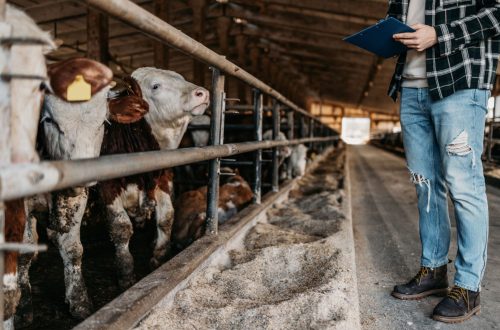
Preventing Winter Weight Loss Without Overfeeding
Winter weight loss is one of the most expensive problems on a working ranch—and overfeeding is often the most costly attempt to fix it. When temperatures drop and forage quality declines, the goal isn’t to pour more feed into the system. The goal is to manage energy use, digestion efficiency, and animal behavior so cattle maintain condition without unnecessary input. In winter, how cattle use calories matters more than how many they consume. Why Winter Weight Loss Happens Faster Than Expected Weight loss in winter is rarely caused by a single factor. It’s usually the result of several small inefficiencies stacking up: Simply adding more feed often treats the symptom—not…
-
How to Rotate Hay Efficiently During the Deep Freeze
When winter locks the ground solid and temperatures refuse to lift, hay rotation stops being a routine task and becomes a management decision with real consequences. During deep-freeze conditions, how—and where—you move hay affects animal health, labor efficiency, ground condition, and even how well your operation transitions into spring. Efficient hay rotation in extreme cold isn’t about feeding faster. It’s about feeding smarter. Why Deep Freeze Conditions Change the Rules of Hay Rotation Cold doesn’t just slow cattle—it changes how energy, movement, and waste interact across a winter pasture or lot. During extended freezes: Rotating hay efficiently under these conditions requires planning beyond the next feeding. Think in Zones, Not…
-
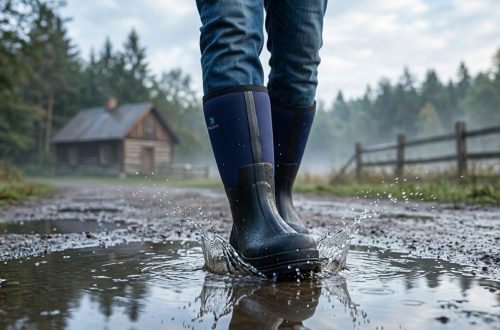
Managing Muddy Winter Pastures Without Ruining Your Grass
Muddy winter pastures aren’t just inconvenient—they’re one of the fastest ways to undo years of good grass management. Once soil structure collapses under hooves, recovery can take months, sometimes entire growing seasons. The challenge for ranchers isn’t avoiding mud entirely—it’s managing animal pressure so grass survives the mess. Done right, you can get through winter and early thaw without sacrificing next year’s forage base. Why Mud Is More Dangerous Than Cold Cold slows grass growth. Mud destroys it. When soils stay saturated, hoof traffic does more than create surface mess. It: Once crowns are damaged, grass can’t rebound—even when temperatures warm. Understanding When Mud Causes Permanent Damage Not All Mud…
-
Calm Herd, Easy Winter: Low-Stress Handling Methods for Cold Months
Winter puts more pressure on livestock—and on the people caring for them—than any other season. Cold winds, frozen ground, and limited daylight reduce an animal’s tolerance for stress. At the same time, ranchers must perform tasks that inevitably disrupt the herd: feeding, moving, treating, sorting, checking body condition, and repairing winter shelters. But the most successful ranchers know a simple truth:A calm herd is easier to manage, healthier through winter, and far more productive in spring. Low-stress handling isn’t just a warm-weather strategy. In the cold months, it becomes essential. Here’s how to build a calm, cooperative herd all winter long—and save yourself hours of work, money, and frustration in…
-
Small Ranch, Huge Output: Winter Systems That Cut Chores in Half
Running a small ranch in winter can feel like a never-ending cycle of breaking ice, hauling feed, cleaning pens, checking fences, and trying to keep livestock warm. Short days and freezing temperatures only make everything take longer. But the most efficient ranchers—those who consistently produce more with fewer resources—don’t push harder in winter. They build systems that allow the ranch to function with minimal daily effort, even during the harshest months. If you’re operating on limited acreage or managing a small herd, the right winter systems can double your output and cut your workload in half. Here’s how to turn your small ranch into a high-efficiency winter operation without sacrificing…
-
The Nighttime Frost Strategy Gardeners Wish They Learned Sooner
Every gardener knows the sting of losing a promising bed of seedlings to an unexpected cold snap. One night of frost can undo weeks of planning—wilting leaves, blackened stems, and entire rows of young plants slumped over like they’ve given up. But what many gardeners don’t realize is that frost damage isn’t just about temperature; it’s about timing, preparation, and how you use the nighttime hours to your advantage. There’s a strategy veteran growers swear by—something that protects tender crops, preserves early blooms, and even strengthens soil health through the freeze–thaw cycle. And once you understand how nighttime frost truly behaves, you’ll wish you learned this trick much sooner. Why…
-
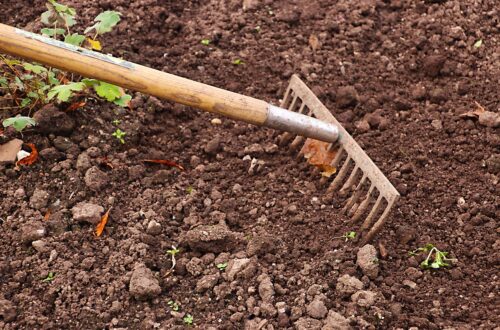
Snow Melt Magic: Using Thaw Cycles to Rehydrate Depleted Soil
When winter loosens its grip and temperatures bounce between freezing nights and mild afternoons, something remarkable happens beneath your feet. Snow begins to soften, ice layers crack, and slow, steady meltwater starts working its way down into the soil profile. For gardeners, homesteaders, and ranchers across the U.S., these thaw cycles are far more than just a sign of spring creeping closer—they’re a natural irrigation event that can revive depleted soil, boost microbial life, and prepare fields for a stronger growing season. In a world where water conservation matters more than ever, understanding how to harness snowmelt can make a noticeable difference in soil structure, plant vitality, and long-term land…