-
Smart Feeding Systems: Reducing Waste and Boosting Efficiency in Winter
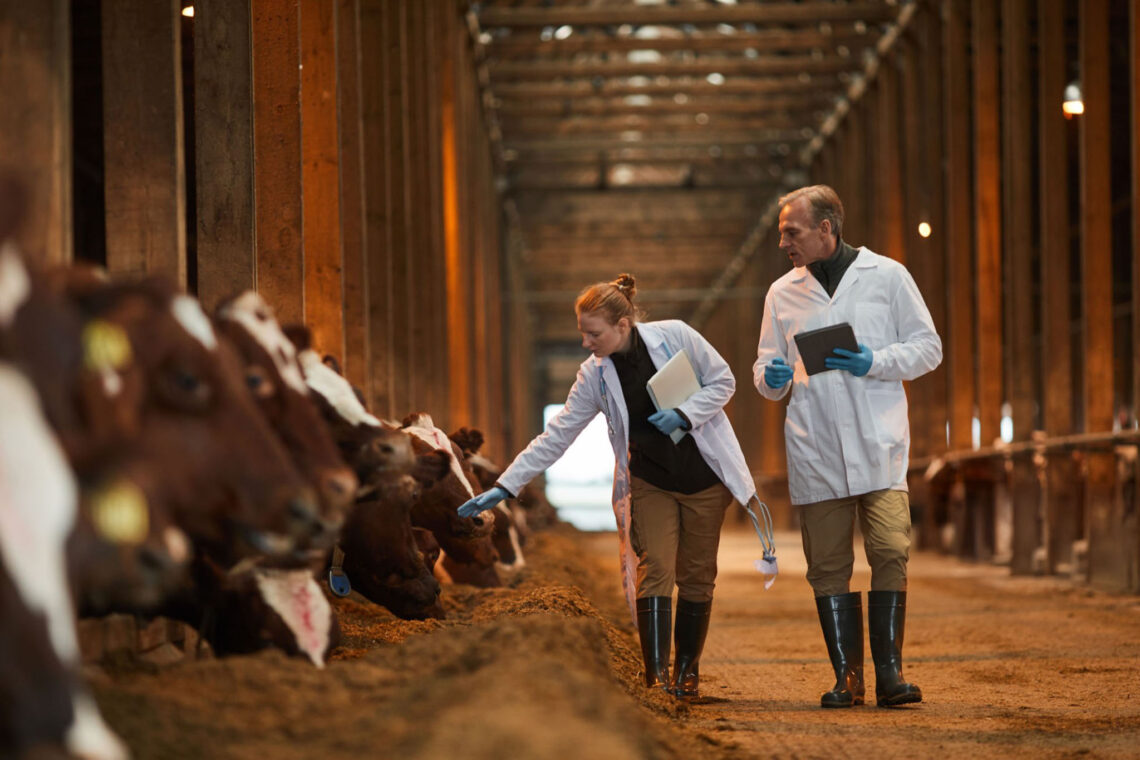
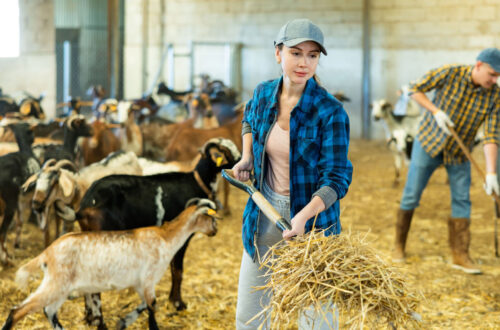
When winter rolls across the plains, feeding livestock becomes more than just a chore — it’s a balancing act between maintaining body condition, minimizing waste, and keeping operations efficient. With hay prices high and weather unpredictable, every flake, bale, and bucket matters. That’s where smart feeding systems come in — blending practical ranch experience with modern technology and smarter setups to make winter feeding both economical and sustainable. Understanding the Winter Feeding Challenge Cold weather puts serious demands on livestock. Cattle, sheep, and goats all burn more calories simply to stay warm, meaning feed intake naturally increases. At the same time, hay waste skyrockets — often 25–40% of feed can…
-
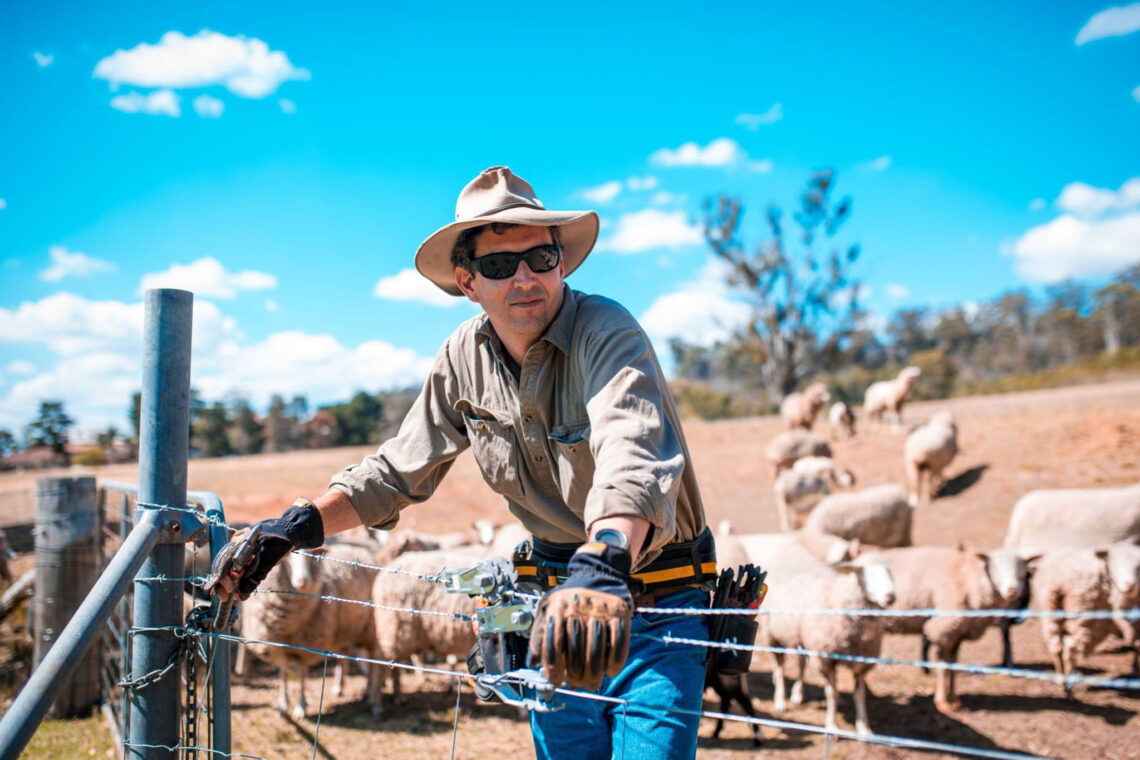
Warming the Herd: Practical Shelter Tips for Cold-Weather Livestock Care
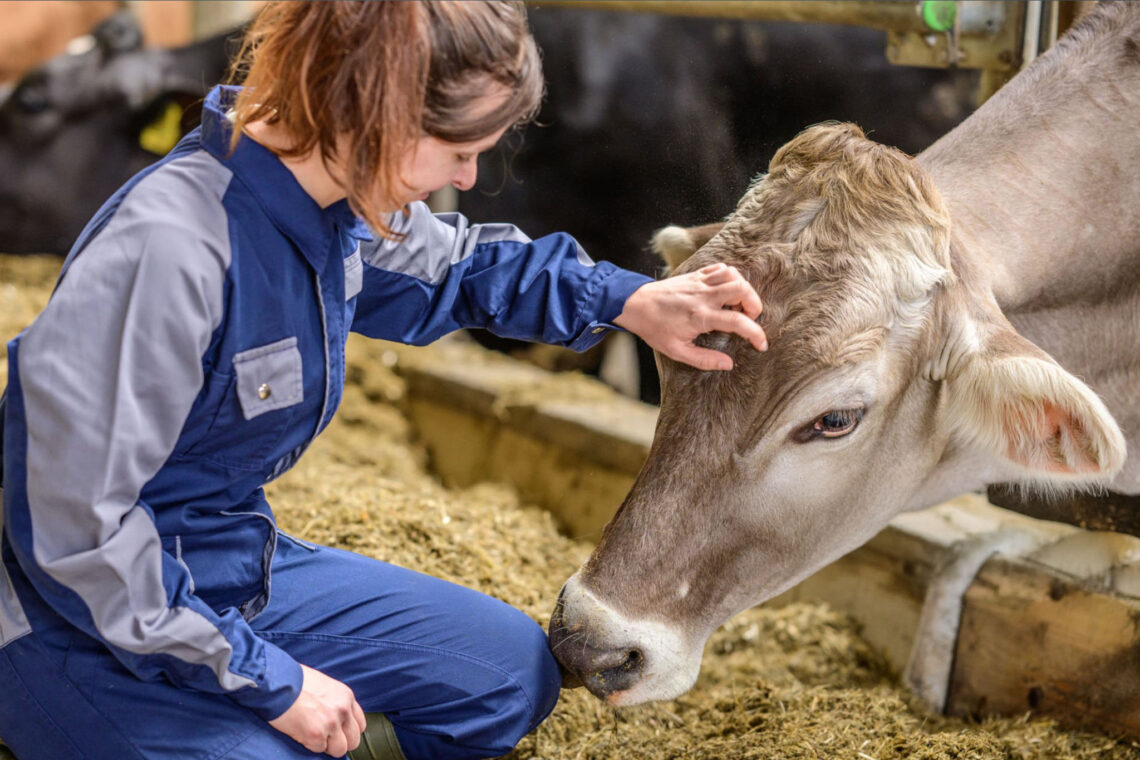
When winter sets in across ranch country, the cold doesn’t just test the toughness of the land — it tests your herd, too. Cattle, sheep, goats, and horses all handle cold differently, but one truth applies to them all: smart sheltering can make the difference between simply surviving the season and thriving through it. Whether you’re managing a few acres or a thousand, preparing for the chill is an essential part of responsible livestock care. Understanding How Livestock Handle the Cold Livestock are more resilient than most people think. A well-fed, healthy cow or horse can tolerate surprisingly low temperatures as long as it’s dry, out of the wind, and…
-
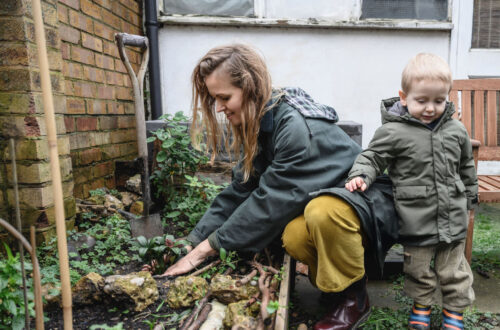
Seed Sorting and Storage: Organizing for a Productive Spring Garden
When winter sets in and the soil turns hard, many gardeners put away their tools and wait for spring. But the off-season is actually one of the most important times to prepare for success. A well-organized seed collection—sorted, labeled, and properly stored—can make all the difference between a chaotic spring and a smooth, productive growing season. Seed sorting and storage aren’t just about tidiness—they’re about strategy, preservation, and setting your garden up for its best year yet. Let’s explore how to turn your seed stash into an organized system that saves time, reduces waste, and ensures stronger, healthier crops come spring. Why Seed Organization Matters Every gardener knows the thrill…
-
Building Cold Frames That Last: Extending Your Growing Season Naturally
As the days grow shorter and temperatures drop, most gardeners reluctantly pack away their tools and watch their beds fall dormant under frost. But what if your growing season didn’t have to end when winter begins? A cold frame—a simple, solar-powered structure—can keep your plants thriving long after the first frost, giving you fresh greens, hardy vegetables, and seedlings all winter long. Building a cold frame that lasts takes more than throwing together scrap lumber and an old window. It’s about understanding materials, design, and nature’s rhythm. Let’s walk through how to build a durable, efficient cold frame that will serve your garden year after year. What Is a Cold…
-
Cold-Weather Cattle Behavior: Reading the Herd When Temperatures Drop
When the temperature plummets and the wind cuts across the open range, cattle behavior changes in subtle but important ways. For ranchers, winter isn’t just a season—it’s a test of preparation, observation, and adaptability. Understanding how cattle react to the cold can help you make better decisions about feeding, sheltering, and overall herd health. The Science Behind Cold-Weather Behavior Cattle are remarkably resilient animals, capable of handling a wide range of temperatures thanks to their thick winter coats and natural metabolic adjustments. However, once temperatures dip below their “lower critical temperature” (typically around 20°F for dry, mature cattle in good condition), their energy demands increase sharply.You’ll notice cattle eating more,…
-
Feed Efficiency in the Cold: Stretching Your Hay Supply Without Sacrificing Health
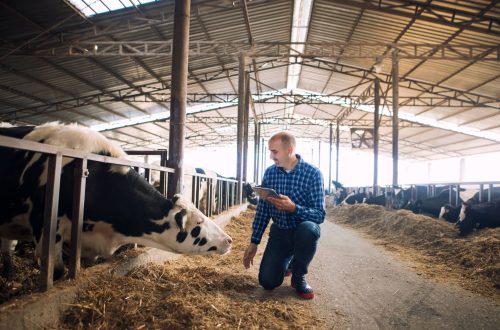
When winter settles in across the heartland, feed costs can climb faster than the thermometer drops. Cold temperatures drive up livestock’s energy needs, hay supplies dwindle faster than expected, and pastures stand frozen and dormant. But with smart management and a focus on efficiency, ranchers can stretch every bale of hay without compromising herd health. Let’s dig into how to make the most of your feed this winter while keeping your animals strong, comfortable, and thriving. 1. Understanding Winter Energy Demands When temperatures drop below the lower critical temperature (LCT) — the point where livestock must burn extra energy to stay warm — their feed requirements increase significantly. Providing enough…
-
Composting in the Cold: Turning Waste into Springtime Gold
Winter may seem like the season when everything slows down — the soil freezes, plants sleep, and your compost pile appears lifeless. But beneath that icy crust, something remarkable can still happen. With the right approach, you can keep composting through the cold months and transform fall’s leftovers into nutrient-rich “black gold” for your spring garden. Even when temperatures drop, composting doesn’t have to stop. It just requires a few strategic adjustments to keep microbes happy and decomposition rolling all season long. Why Composting in Winter Still Matters It’s easy to pause composting once frost sets in, but doing so means missing months of valuable breakdown time. By maintaining your…
-
Mulch Magic: How Winter Ground Cover Protects Your Soil and Roots
As the cold months settle in and frost creeps into the soil, one of the best defenses for your garden is a simple, time-tested tool — mulch. Beyond its rustic beauty, mulch plays a crucial role in maintaining soil health and protecting root systems during winter’s harshest days. Whether you’re managing a large homestead garden or a small backyard plot, understanding how to use mulch strategically can make all the difference between spring success and soil fatigue. Why Mulch Matters in Winter When temperatures plummet, soil structure and root systems become vulnerable. Repeated freeze-thaw cycles can cause soil to expand and contract, disturbing plant roots and reducing soil aeration. Mulch…
-
Livestock Health Checks Before the Deep Freeze: What to Inspect Now
As temperatures drop and the landscape begins to freeze over, livestock health management shifts from daily maintenance to survival mode. Before the deep freeze locks in, ranchers and farmers should take time to perform thorough health checks on every animal, ensuring their herd is ready for the challenges of winter. Cold weather stresses livestock in subtle but serious ways—reducing immunity, altering feeding habits, and increasing the risk of respiratory illness and frostbite. A proactive inspection now can mean the difference between a smooth winter and costly losses. 1. Body Condition Scoring: The First Line of Defense Before winter hits full force, evaluate your animals’ body condition score (BCS). Animals with…
-
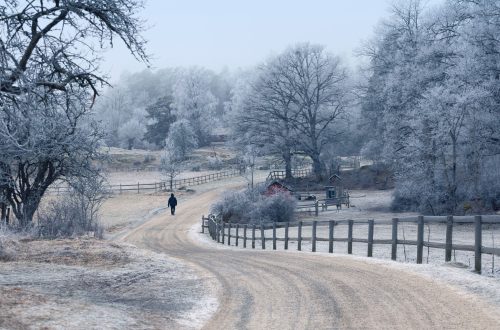
Frozen Pastures: Managing Grazing When the Grass Stops Growing
When winter locks your fields in frost and the green fades to brown, managing livestock grazing becomes a challenge of timing, nutrition, and resourcefulness. The growing season may have ended, but your herd’s needs haven’t—and neither has your responsibility to balance soil health, forage availability, and animal performance. Managing grazing after the grass stops growing is all about planning ahead and adapting smartly to what nature provides. Understanding the Dormant Season Once soil temperatures drop below about 40°F, most grasses stop active growth. That means every bite your cattle take from that point forward is eating into your spring regrowth. Overgrazing during dormancy can damage root systems, reduce next season’s…