-
Best Rain Boots for Muddy Terrain: 8 Features That Actually Matter
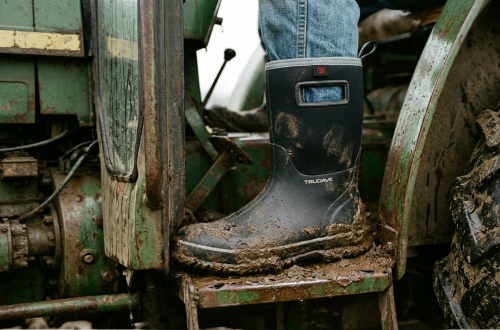
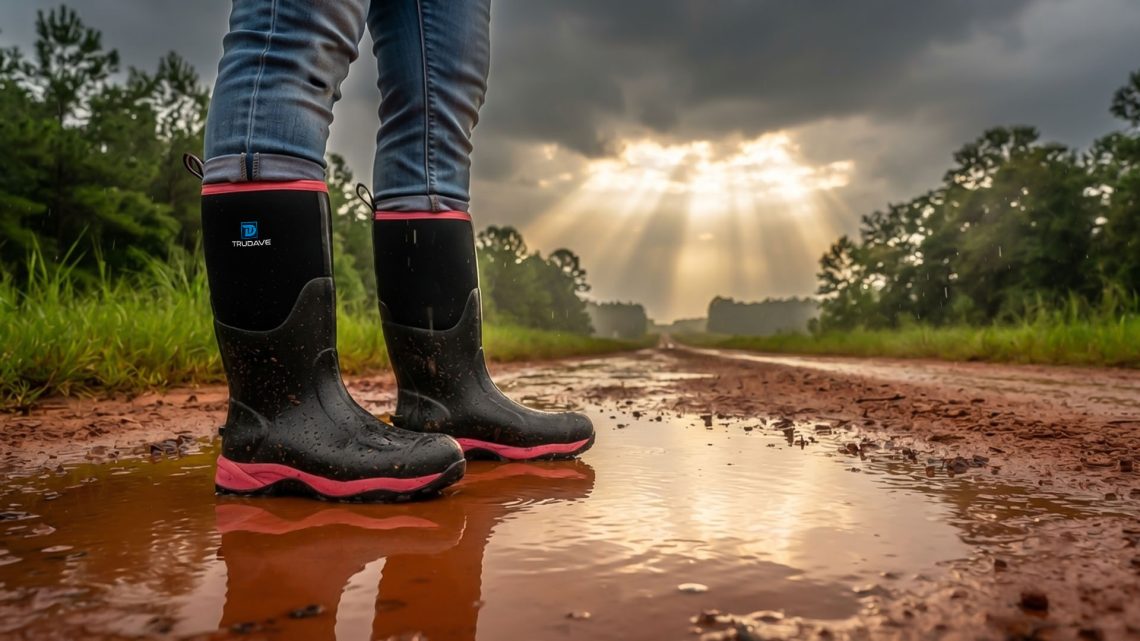
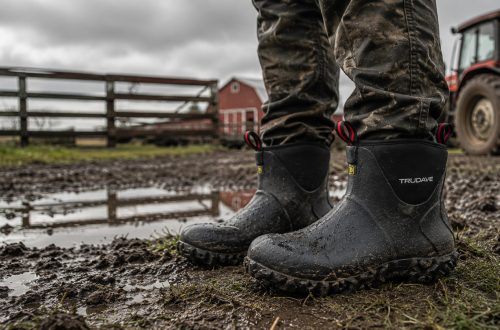
Mud creates one of the most demanding environments for outdoor footwear. A boot that performs well during light rain may become unstable, uncomfortable, or difficult to remove after only a few steps through deep, sticky ground. Hunters crossing wet fields, farmers working around livestock, anglers reaching muddy shorelines, and property owners handling outdoor chores all face similar problems. The boots need to keep water out. They need enough traction to reduce slipping. They need to stay securely attached to the feet when mud creates suction. They also need to remain comfortable when every step requires more effort than walking on dry ground. The best rain boots for muddy terrain are…
-
How to Get Smell Out of Rain Boots: 9 Safe and Practical Methods
Rain boots are designed to keep water out. Unfortunately, the same waterproof construction that protects your feet from rain, mud, wet grass, and standing water can also trap heat and moisture inside the boot. After several hours of hunting, fishing, farm work, gardening, or outdoor chores, the interior may become damp from sweat even when no outside water enters. If the boots are stored before they dry completely, odor can develop quickly. Smelly rain boots are not necessarily a sign that the footwear is ruined. In many cases, the odor comes from trapped moisture, sweat, bacteria, dirty insoles, or boots that are not receiving enough airflow between uses. The solution…
-
How to Keep Your Feet Warm in Rain Boots Without Sweating
Rain boots can keep water away from your feet, but waterproof protection does not automatically guarantee warmth. Many hunters, anglers, farmers, and outdoor workers have experienced cold feet inside rubber boots even when their socks remain completely dry. Others have the opposite problem. They wear thick socks and heavily insulated boots, begin sweating during the first hour, and later discover that the trapped moisture makes their feet feel colder. Keeping feet warm in rain boots requires balance. You need enough insulation to slow heat loss, but not so much that your feet overheat and sweat. You also need enough space inside the boots to maintain circulation, because tight footwear can…
-
Rain Boots vs Waterproof Boots: Which Should You Choose for Wet Outdoor Conditions?
Shopping for footwear that keeps your feet dry can become confusing quickly. Rain boots are waterproof. Many hiking boots are advertised as waterproof. Hunting boots may use waterproof membranes, rubber shells, or a combination of materials. Work boots can also provide waterproof protection. If all of these options are designed to keep water away from your feet, what is the actual difference between rain boots and waterproof boots? More importantly, which type of footwear should you choose for hunting, fishing, farm work, hiking, mud, and everyday wet-weather use? The answer depends on more than waterproofing. Rain boots and other waterproof boots are designed around different priorities. Traditional rain boots emphasize…
-
How to Prevent Blisters in Rain Boots: 10 Practical Tips for All-Day Comfort
Rain boots are excellent at keeping water, mud, and wet grass away from your feet. Unfortunately, waterproof does not always mean comfortable. Many hunters, anglers, farmers, landscapers, and outdoor workers have experienced the same problem: a pair of rain boots feels fine at first, but after an hour of walking, the heel begins to rub, the socks start bunching, and painful hot spots develop. By the end of the day, a small irritation can become a blister that makes every step uncomfortable. Blisters in rain boots are usually caused by a combination of friction, moisture, heat, poor fit, and repeated movement inside the boot. The good news is that most…
-
Rubber Boots vs Neoprene Boots: Which Is Better for Hunting and Wet Weather?
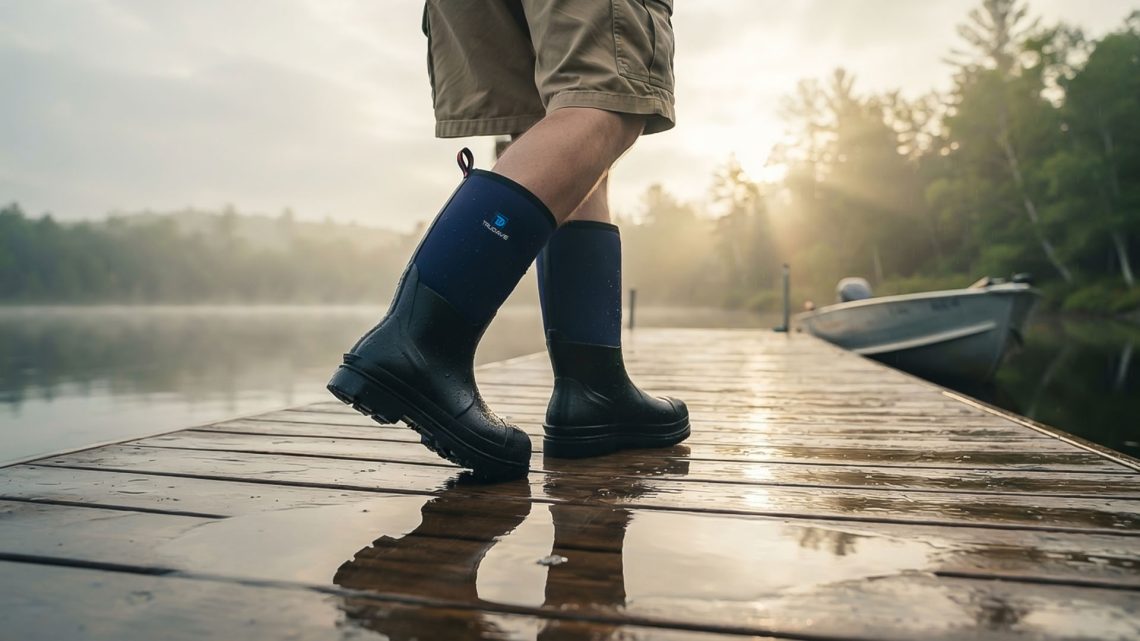
Choosing waterproof boots becomes more complicated when you start comparing materials. Rubber boots have been used for decades by hunters, farmers, anglers, and outdoor workers who need dependable protection from water and mud. Neoprene boots have also become popular, especially among people who want more flexibility, warmth, and comfort in cold or wet conditions. The problem is that many outdoor boots combine both materials. A boot may use rubber around the foot and lower leg while using neoprene through the upper shaft. Other models rely more heavily on rubber construction. This can make product descriptions confusing. Are neoprene boots actually waterproof? Are rubber boots more durable? Which material is warmer?…
-
Best Rain Boots for Wet Grass: What to Look for Before You Buy
Walking through wet grass can soak your feet faster than many people expect. You do not need heavy rain, deep puddles, or flooded terrain to end up with wet socks. Morning dew, recently watered fields, tall vegetation, and rain-soaked lawns can continuously brush against your footwear as you walk. After enough exposure, shoes that seem water-resistant around town may allow moisture to reach your socks. For hunters, farmers, dog owners, landscapers, anglers, and anyone who regularly spends time outdoors, choosing the right footwear for wet grass can make the difference between staying comfortable and spending the rest of the day with cold, damp feet. The best rain boots for wet…
-
Tall vs Mid-Calf Rain Boots: Which Boot Height Is Better?
Choosing a pair of rain boots often starts with waterproofing, traction, comfort, and price. Boot height is easy to overlook. However, the difference between tall and mid-calf rain boots can significantly affect comfort, mobility, water protection, and overall performance. Tall rain boots provide more coverage against deep mud, standing water, wet vegetation, and heavy rain. Mid-calf boots are generally easier to put on, lighter on your feet, and more convenient for activities that require frequent movement. Neither design is automatically better. The right choice depends on where you use your boots, how far you walk, how deep the water or mud may become, and how much protection you actually need.…
-
Why Do Rubber Boots Crack? 9 Common Causes and How to Make Them Last Longer
A good pair of rubber boots is designed to handle rain, mud, wet grass, standing water, and demanding outdoor conditions. But rubber boots do not last forever. Over time, some boots develop small surface cracks, split around flex points, become stiff, or start leaking even when the tread still looks usable. For hunters, anglers, farmers, and outdoor workers, cracked rubber boots are more than a cosmetic problem. Once the outer material loses its flexibility or develops a deep split, waterproof protection can quickly disappear. The frustrating part is that many rubber boots fail earlier than they should because of improper cleaning, storage, drying, or exposure to environmental conditions that gradually…
You May Also Like
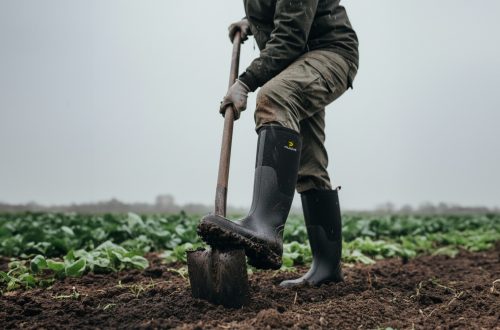
Beyond the Puddle: The Complete 2026 Trudave Rain Boot Guide for Heavy-Duty Farming and Mud Season

The Winter Feed Equation: Balancing Hay, Grain, and Grazing Before the Deep Freeze
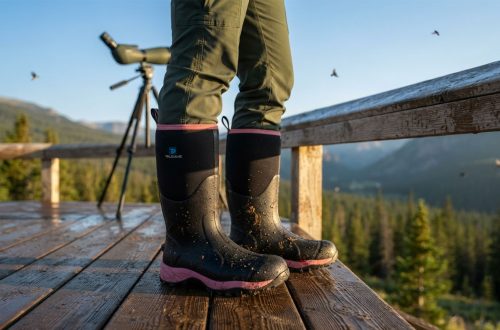
Best Boots for Tractor Drivers and Farm Equipment Operators: A Practical Agricultural Footwear Guide
-
How Should Rain Boots Fit? A Practical Sizing Guide for Outdoor Use
Traditional rubber boots do not stretch very much over time. If a pair feels painfully tight when you first try them on, they are unlikely to become significantly more comfortable after extended use. At the same time, buying oversized boots can create other problems. Excessively loose rain boots may cause: A slightly relaxed fit is useful because outdoor conditions change. You might wear lightweight moisture-wicking socks during warm weather and thicker wool socks when temperatures drop. Your boots should accommodate both situations without becoming uncomfortable. How Much Room Should You Have in the Toe Box? The toe box should provide enough space for your toes to move naturally. When standing…