-
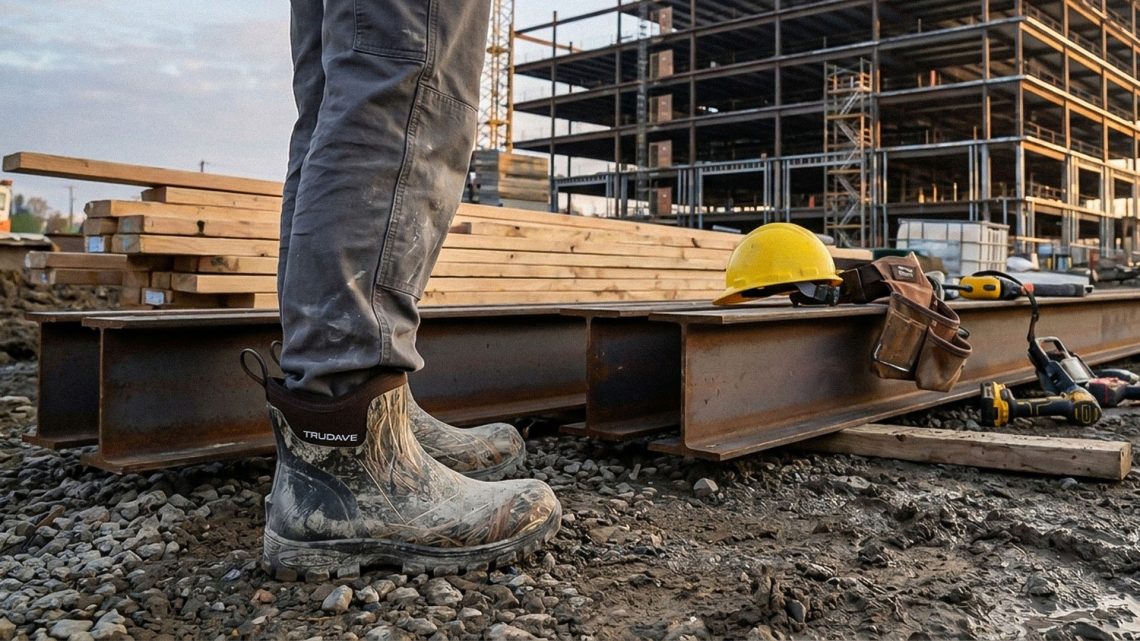
Best Boots for Potato Farm Work: Waterproof Footwear for Muddy Fields, Harvest, Irrigation, and Long Farm Shifts
Potato farming can be extremely demanding on footwear. Workers may begin the day checking irrigation lines in damp soil, walk muddy field rows, inspect plants, operate tractors or harvesters, handle potatoes around conveyors, move pallets, wash produce, and finish the shift inside a cool storage building. Depending on the season and location, potato farm workers may encounter: Ordinary sneakers are not designed for these conditions. Basic recreational rain boots may keep feet dry, but many lack the support, traction, heel retention, and durability needed for professional agricultural work. The best boots for potato farm work should provide dependable waterproof protection, secure heel retention, practical mud traction, supportive cushioning, manageable weight,…
-
Best Boots for Vineyard Work: Waterproof Footwear for Wet Rows, Grape Harvest, Irrigation, and Long Farm Days
Vineyard work exposes footwear to much more than dry soil and sunshine. A typical day may begin before sunrise with workers walking through dew-covered grass, checking irrigation lines, pruning vines, repairing trellis systems, moving harvest bins, operating equipment, carrying grapes, and finishing the shift around wet winery or washdown areas. Depending on the season, vineyard workers may encounter: Ordinary sneakers may feel comfortable on dry ground, but they can become soaked quickly when workers move through wet vines and grass. Basic recreational rain boots may keep water out, but many lack the support, heel retention, traction, and cushioning needed for professional vineyard work. The best boots for vineyard work should…
You May Also Like
Small Ranch, Huge Output: Winter Systems That Cut Chores in Half
The Cold Climate Rain Boot Guide: Choosing Trudave Boots for Minnesota, Wisconsin, Montana, Maine, and Everywhere Winter Gets Serious
Best Boots for Maple Syrup Season: Waterproof Footwear for Sugarbush Work, Mud, Snowmelt, and Wet Woods
-
Best Boots for Plant Nursery Work: Waterproof Footwear for Irrigation, Wet Gravel, Mud, and Long Workdays
Plant nursery work may not look as rough as construction or livestock farming, but it can be surprisingly demanding on footwear. Nursery employees spend long hours walking between rows of trees, shrubs, flowers, containers, irrigation lines, loading areas, greenhouses, gravel yards, and customer pickup zones. Water is everywhere. Plants need regular irrigation, containers drain onto walkways, hoses leak, gravel stays damp, soil spills onto the ground, and summer storms can turn nursery aisles muddy within minutes. A typical shift may include: Ordinary athletic shoes often become wet and dirty quickly. Basic garden clogs may be convenient for light tasks but rarely provide enough support, traction, or protection for workers spending…
-
Best Boots for Golf Course Groundskeeping: Waterproof Footwear for Wet Grass, Irrigation, Mud, and Long Maintenance Shifts
Golf courses may look clean and carefully maintained from the fairway, but groundskeeping is demanding outdoor work. Maintenance crews often begin before sunrise, when fairways, rough, greens, and cart paths are covered in heavy dew. A typical shift may include checking irrigation systems, mowing rough, repairing sprinklers, maintaining bunkers, trimming trees, spreading materials, inspecting drainage, cleaning equipment, working around ponds, and walking miles across wet turf. By the time golfers arrive, maintenance crews may already have spent several hours in soaked grass and muddy conditions. Ordinary work shoes often become wet quickly. Lightweight athletic shoes may be comfortable on dry turf, but they usually lack the waterproof protection and durability…
-
Best Boots for Horse Barn Work: Waterproof Footwear for Muddy Paddocks, Wet Stalls, and Daily Stable Chores
Horse care rarely stays clean or dry for long. A normal morning at a horse farm may begin with walking through dew-soaked grass, turning horses out into a muddy paddock, mucking stalls, carrying hay, checking water troughs, washing a horse, repairing fencing, moving bedding, and crossing wet barn aisles. By the afternoon, the same boots may be covered with mud, manure, bedding, grass, and water. Ordinary sneakers are not built for this environment. Traditional riding boots may be excellent in the saddle, but they are not always the most practical footwear for cleaning stalls, walking through deep mud, repairing water lines, or spending hours doing general barn chores. The best…
-
Best Boots for Oyster Farm Work: Waterproof Footwear for Mudflats, Tidal Farms, Wet Docks, and Saltwater
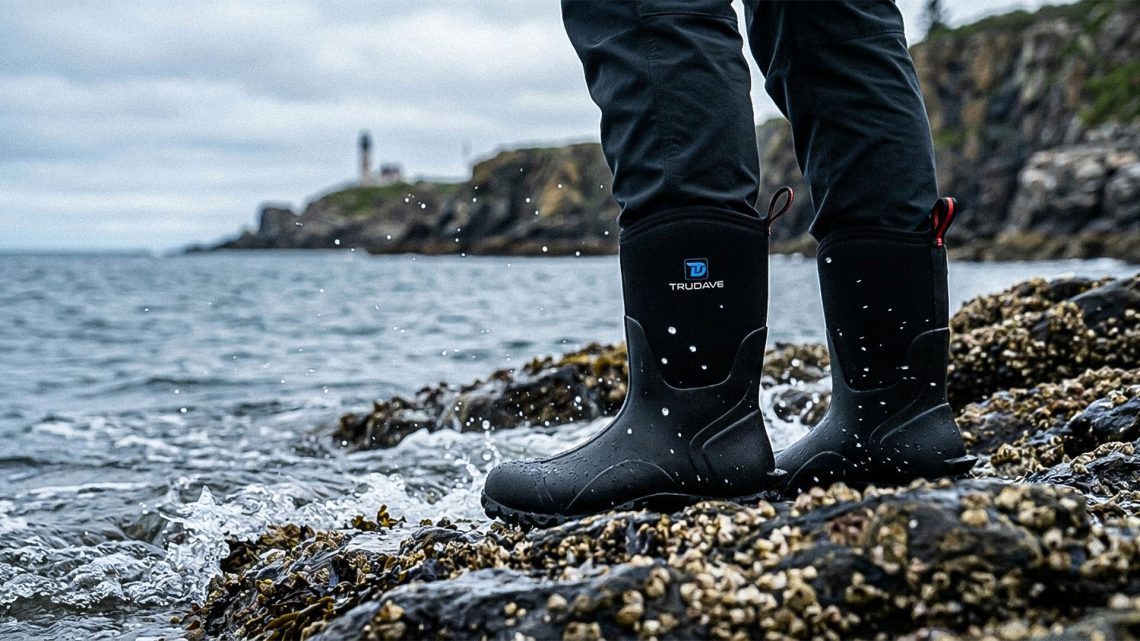
Oyster farming puts footwear in conditions that are difficult to match anywhere else. Workers may spend the day walking across soft tidal mud, standing in shallow saltwater, carrying cages, moving bags of oysters, climbing onto boats, working on wet docks, washing shellfish, loading trucks, and handling gear covered with mud, algae, shells, and seawater. The environment is constantly changing with the tide. A surface that feels firm in the morning may become covered with water later in the day. A dock that feels secure when dry can become slick with saltwater and algae. A muddy shoreline can create enough suction to pull loose boots directly off the foot. Ordinary work…
-
Best Boots for Fish Farm Work: Waterproof Footwear for Hatcheries, Wet Concrete, Muddy Pond Banks, and Aquaculture
Fish farming is one of those jobs where dry footwear can disappear almost immediately after the shift begins. Aquaculture workers regularly move between tanks, ponds, raceways, pumps, feeding stations, wet concrete, muddy banks, processing areas, hoses, boats, and equipment platforms. Water is not an occasional inconvenience. It is part of the workplace. A typical day may involve feeding fish, checking water quality, cleaning tanks, repairing pumps, washing equipment, moving nets, harvesting stock, walking pond banks, carrying feed, and standing on wet floors for hours. Ordinary work shoes are poorly suited to these conditions. Even waterproof hiking boots can become difficult to clean after fish residue, mud, algae, feed, and wash…
-
Best Boots for Corn Farm Work: Waterproof Footwear for Muddy Fields, Planting, Harvest, and Grain Handling
Corn farming can put footwear through nearly every type of agricultural condition in a single season. Spring may bring cold rain, saturated soil, and planting-season mud. Summer brings heat, irrigation work, wet leaves, crop scouting, and long walks through tall corn. Fall harvest adds combines, grain carts, trailers, muddy field entrances, corn residue, and long hours around heavy equipment. A boot that feels comfortable on a dry gravel road may struggle badly in a muddy field. A basic rubber rain boot may keep water out but may not provide enough support for long crop-scouting routes or equipment work. The best boots for corn farm work should provide dependable waterproof protection,…
-
Best Boots for Wetland Restoration Work: Waterproof Footwear for Marshes, Mud, Stream Banks, and Conservation Projects
Wetland restoration puts footwear in some of the most unpredictable working conditions outdoors. A conservation crew may begin the morning walking through dew-covered grass, cross a muddy stream bank, spend several hours planting native vegetation, remove invasive plants from shallow wetlands, carry tools across saturated ground, and finish the day cleaning mud from equipment near a gravel access road. The terrain can change within a few yards. Workers may encounter: Ordinary hiking shoes often do not provide enough waterproof protection. Basic rain boots may keep water out but can become uncomfortable when crews walk long distances or work on uneven terrain. The best boots for wetland restoration work should provide…