-
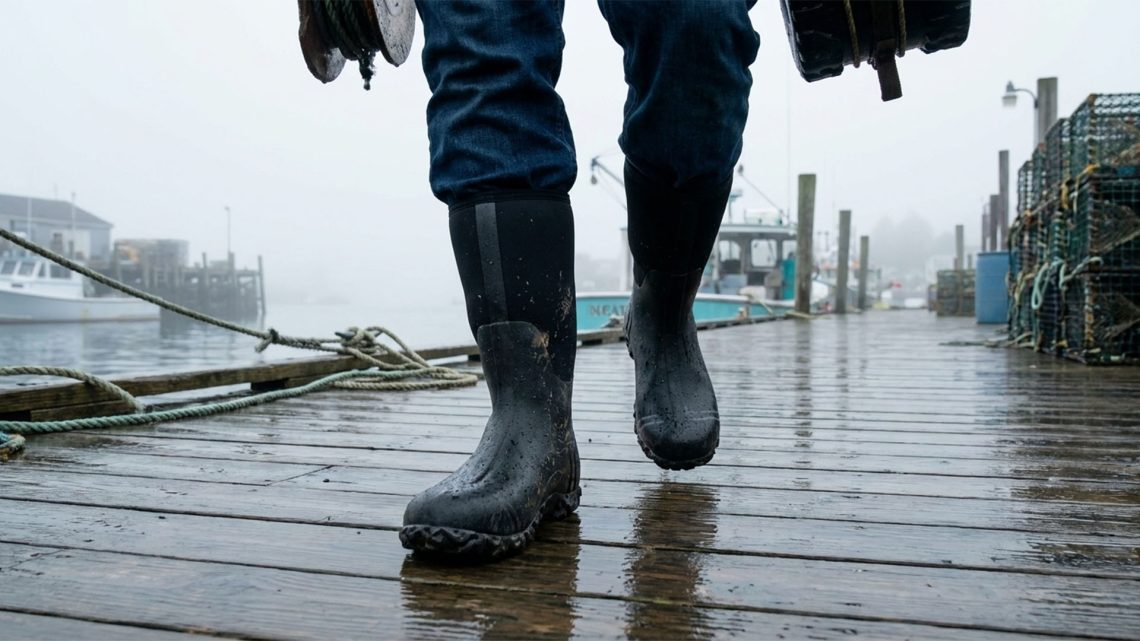
Best Boots for Wet Concrete Floors: Waterproof Footwear for Washdown Areas, Farms, Packing Rooms, and Long Shifts
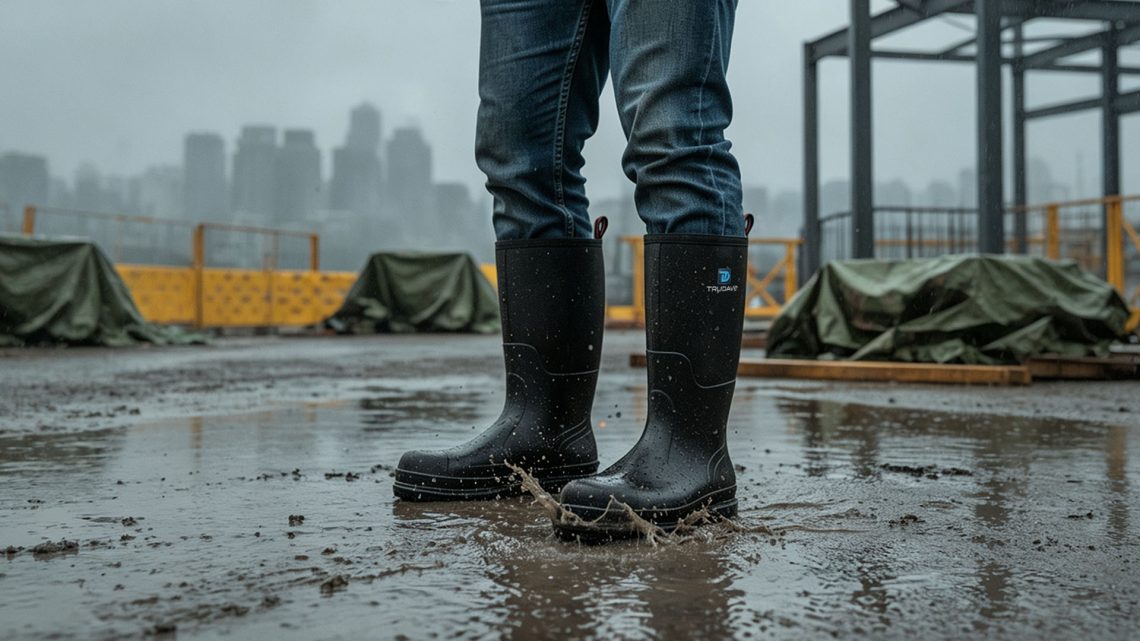
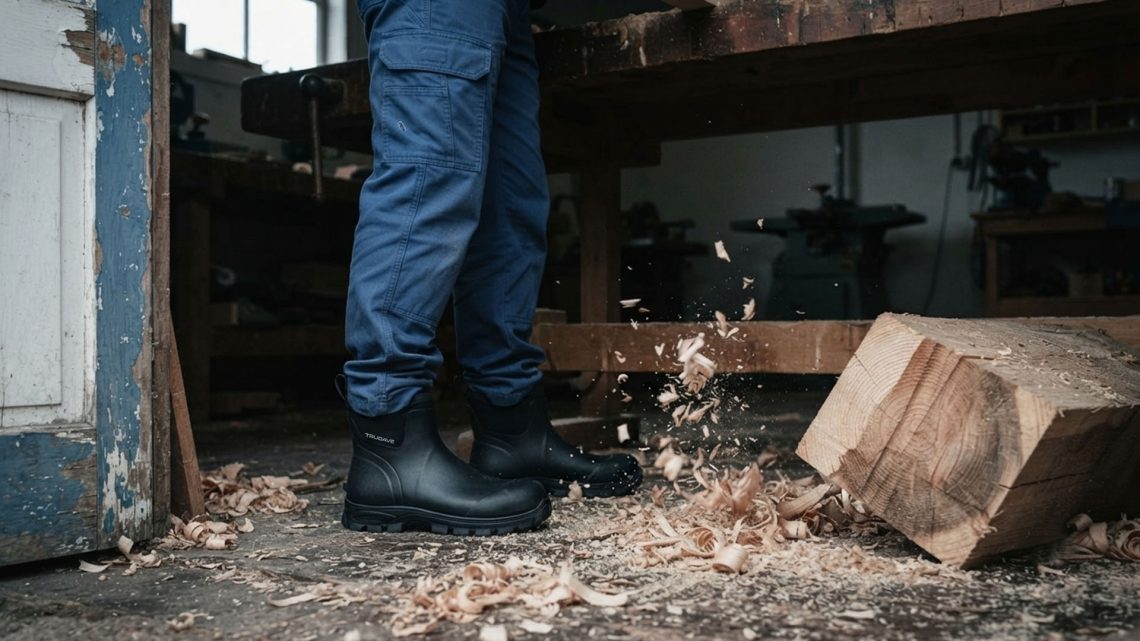
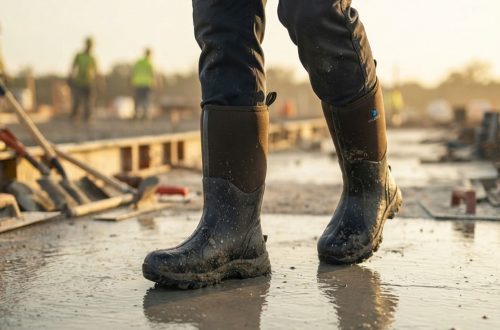
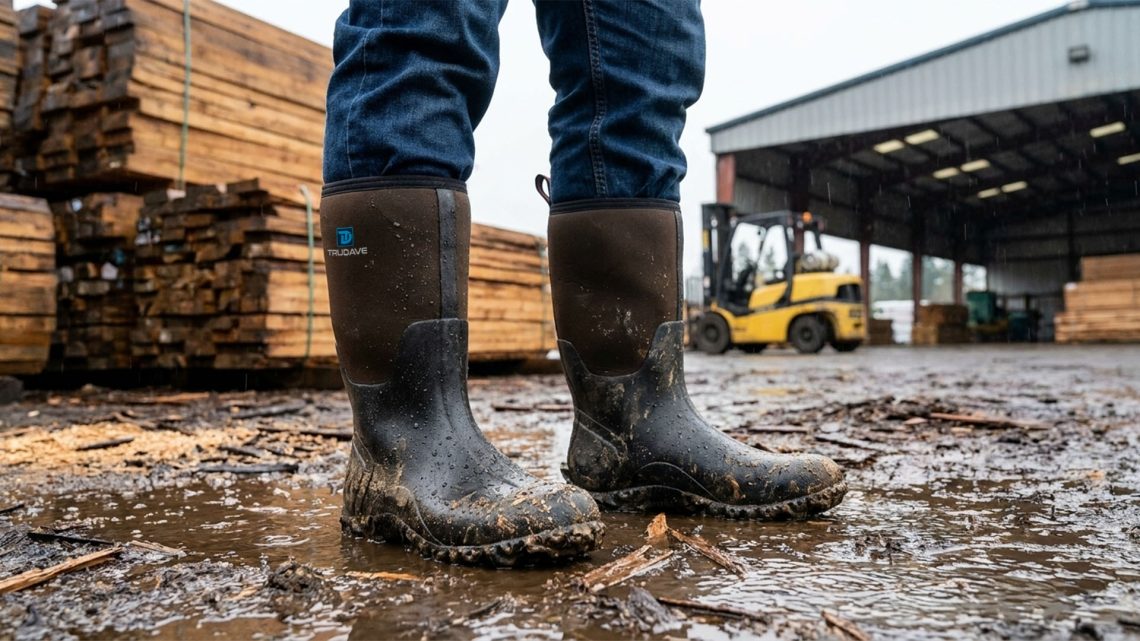
Wet concrete is one of the most common and underestimated workplace hazards. It appears in dairy barns, poultry houses, greenhouses, mushroom farms, fish hatcheries, packing rooms, food-processing areas, construction sites, loading docks, equipment shops, washdown stations, and outdoor work zones after rain. At first glance, concrete looks firm and predictable. But when water, mud, manure, algae, soap, oil, plant residue, crushed fruit, feed dust, or cleaning products are added, the surface can become slick, tiring, and difficult to work on for long hours. Ordinary shoes are rarely enough. A basic rain boot may keep water away, but many lack the cushioning, heel stability, outsole contact, and slip resistance needed for…
-
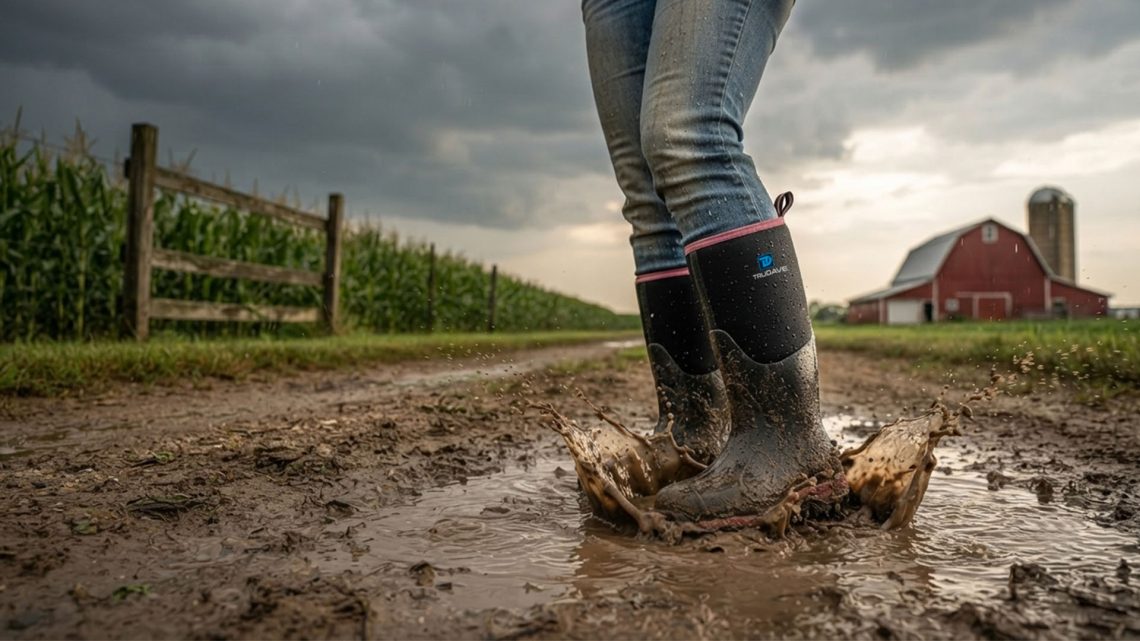
Best Boots for Apple Orchard Work: Waterproof Footwear for Wet Grass, Muddy Rows, Ladders, and Harvest Season
Apple orchard work looks peaceful from a distance, but anyone who has worked through a full season knows how hard it can be on footwear. A single day in an orchard may include walking through dew-covered grass before sunrise, pruning branches, checking irrigation lines, climbing ladders, carrying picking bags, loading bins, driving equipment, washing fruit, standing on wet concrete, and cleaning mud from packing areas. During harvest season, workers may take thousands of steps across grass, soil, gravel, ladders, trailer ramps, and packing floors. Ordinary sneakers quickly become soaked and unstable. Basic garden rain boots may keep water out, but many lack the support, traction, heel retention, and durability needed…
-
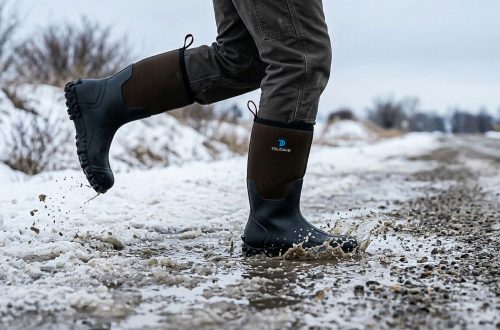
Best Boots for Maple Syrup Season: Waterproof Footwear for Sugarbush Work, Mud, Snowmelt, and Wet Woods
Maple syrup season arrives when winter has not fully left and spring has not fully arrived. That timing creates some of the toughest footing of the year. Sugarbush workers may start the morning walking over frozen ground, step through snowmelt by noon, cross muddy logging trails in the afternoon, and finish the day around wet concrete, tanks, hoses, buckets, and evaporator equipment. The work is beautiful, but it is not easy on footwear. A regular hiking boot may provide good support on dry trails, but it can become soaked during thawing conditions. A basic rain boot may keep water out, but it may not provide enough traction, warmth, or heel…
-
Best Boots for Mushroom Farm Work: Waterproof Footwear for Wet Floors, Compost, Washdown, and Long Shifts
Mushroom farming creates one of the most moisture-heavy work environments in agriculture. Workers may spend long hours moving between growing rooms, compost areas, wet concrete floors, washdown stations, packing rooms, cold storage, loading docks, and equipment areas. The work may involve watering, harvesting, cleaning, moving trays, handling compost, pushing carts, washing floors, and standing on hard surfaces for most of the day. Ordinary shoes are not built for this environment. They absorb moisture, collect organic material, lose traction on wet concrete, and become difficult to clean. Basic rain boots may keep water away, but many lack the support, heel stability, cushioning, and slip resistance needed for professional mushroom-farm work. The…
-
Best Boots for Spring Turkey Hunting: Waterproof Footwear for Rain, Wet Grass, Mud, and Run-and-Gun Hunts
Spring turkey hunting is one of the most exciting ways to spend a morning in the woods. It is also one of the easiest ways to soak your boots before sunrise. Turkey hunters often start early, walk through dew-heavy fields, cross muddy logging roads, move along creek bottoms, climb ridges, sit against wet trees, and reposition throughout the morning when a gobbler hangs up or changes direction. The weather can shift quickly. A clear morning can turn into rain by mid-hunt. A dry trail can become slick after a thunderstorm. Fresh green grass can soak pants and boots within minutes. Creek crossings, muddy fields, and soft spring soil can all…
-
Best Boots for Deer Hunting in Rain: Waterproof Footwear for Wet Woods, Muddy Trails, and Long Sits
Deer hunting in the rain can be productive, quiet, and challenging at the same time. Wet leaves soften foot noise. Light rain can encourage deer movement. Cloud cover may keep temperatures comfortable. But rain also turns trails muddy, makes logs and rocks slippery, soaks pant legs, chills feet, and exposes every weakness in a hunter’s footwear. A boot that feels fine during a dry scouting trip may fail quickly during a rainy all-day hunt. Wet socks, cold toes, heel blisters, poor traction, and water leaking through seams can ruin focus long before the deer show up. The best boots for deer hunting in rain should provide dependable waterproof protection, secure…
-
Best Boots for Duck Hunting in Marshes: Waterproof Footwear for Mud, Cold Water, and Wetland Terrain
Duck hunting often begins before sunrise, when the air is cold, the grass is wet, and every step toward the blind seems to find mud, standing water, or slick vegetation. A hunter may walk across muddy levees, cross shallow flooded areas, step into a boat, kneel in wet reeds, retrieve decoys, carry gear, and sit for hours while cold water and wind work against comfort. Footwear matters more in this environment than many new hunters realize. A standard hiking boot may feel supportive on dry ground but fail quickly in marsh mud and shallow water. A basic rain boot may keep water out but lack warmth, traction, or heel security…
-
Best Boots for Greenhouse Work: Waterproof Footwear for Wet Floors, Potting Soil, Irrigation, and Long Nursery Shifts
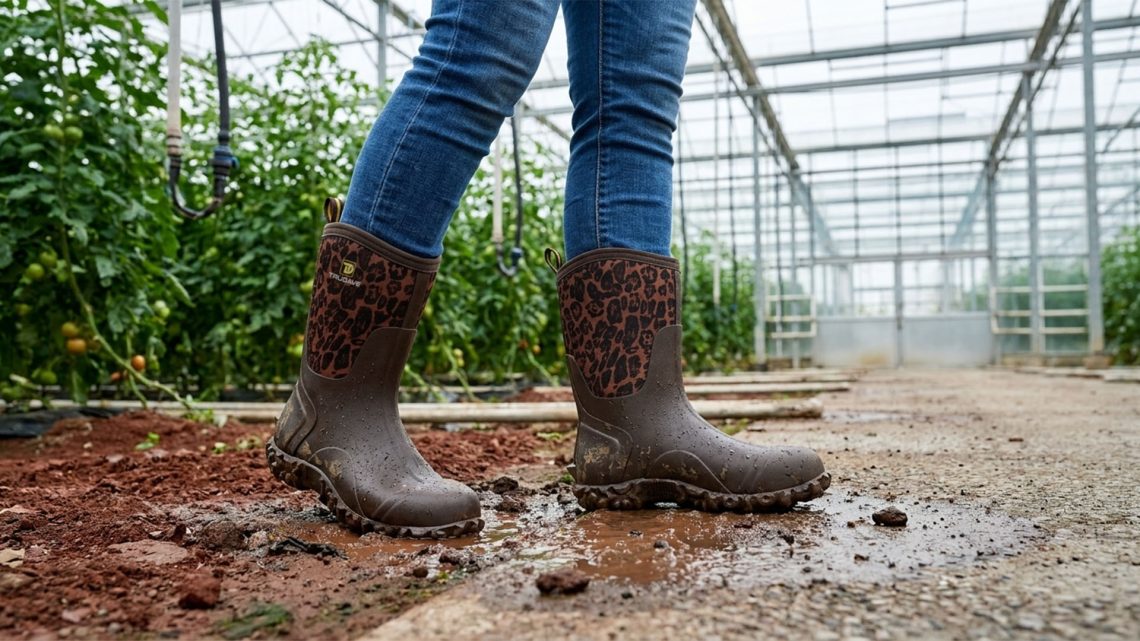
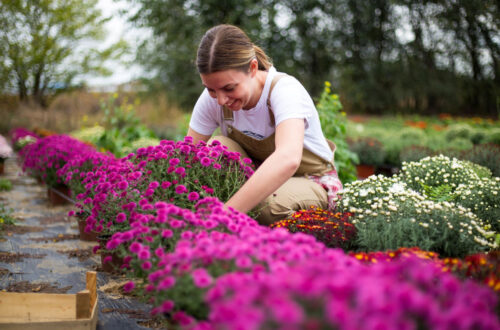
Greenhouse work may happen indoors, but it is far from dry or easy on footwear. Workers spend long days around irrigation systems, wet concrete, potting soil, plant trays, gravel paths, drainage channels, fertilizers, carts, benches, and washdown areas. A single shift may involve watering plants, moving containers, mixing soil, pruning, transplanting, cleaning floors, loading carts, and walking between warm humid houses and outdoor nursery yards. Ordinary sneakers quickly absorb moisture and soil. Basic garden clogs may be convenient for short tasks, but many do not provide enough support, traction, waterproof protection, or stability for full professional greenhouse work. The best boots for greenhouse work should provide dependable waterproof protection, slip-resistant…
-
Best Boots for Vineyard Work: Waterproof Footwear for Muddy Rows, Wet Grass, Harvest, and Winery Floors
Vineyard work requires footwear that can handle much more than a walk between grapevines. A vineyard worker may start the day walking through dew-covered rows, inspect drip irrigation lines, prune vines, repair trellis wires, carry tools, operate a tractor, harvest grapes, wash equipment, and finish the shift on a wet winery floor. The same pair of boots may need to perform on loose soil, muddy row middles, wet grass, gravel roads, steep vineyard slopes, metal equipment steps, concrete crush pads, and cellar floors. Ordinary shoes are not built for these conditions. Casual rain boots may keep water out for short tasks, but many lack the traction, support, cushioning, and durability…
-
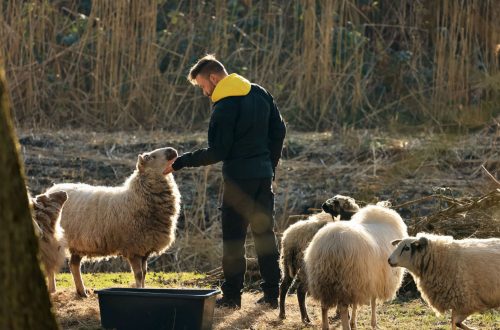
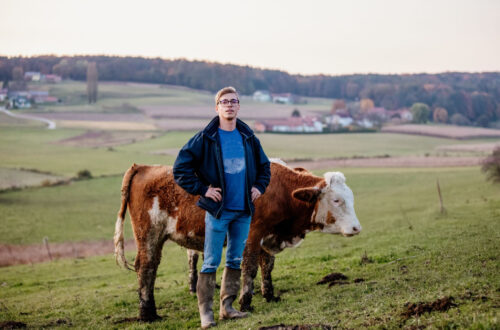
Best Boots for Goat Farm Work: Waterproof Footwear for Mud, Hills, Fencing, and Daily Livestock Care
Goat farming requires footwear that can handle unpredictable terrain, changing weather, animal care, and constant outdoor movement. Unlike many farm jobs that happen mostly in one area, goat owners often move between barns, pens, hillsides, fences, feeding stations, storage areas, and pasture. A typical day may include: Throughout the day, boots may encounter: Ordinary shoes quickly become uncomfortable in these conditions. Basic rain boots may keep water away, but they often lack the support, traction, and durability needed for daily goat-farm work. The best boots for goat farm work should provide waterproof protection, secure footing, comfortable support, easy cleaning, and enough durability for muddy pens, rocky hills, and long outdoor…