-
Compost in the Cold: Keeping Your Pile Active When Temperatures Drop
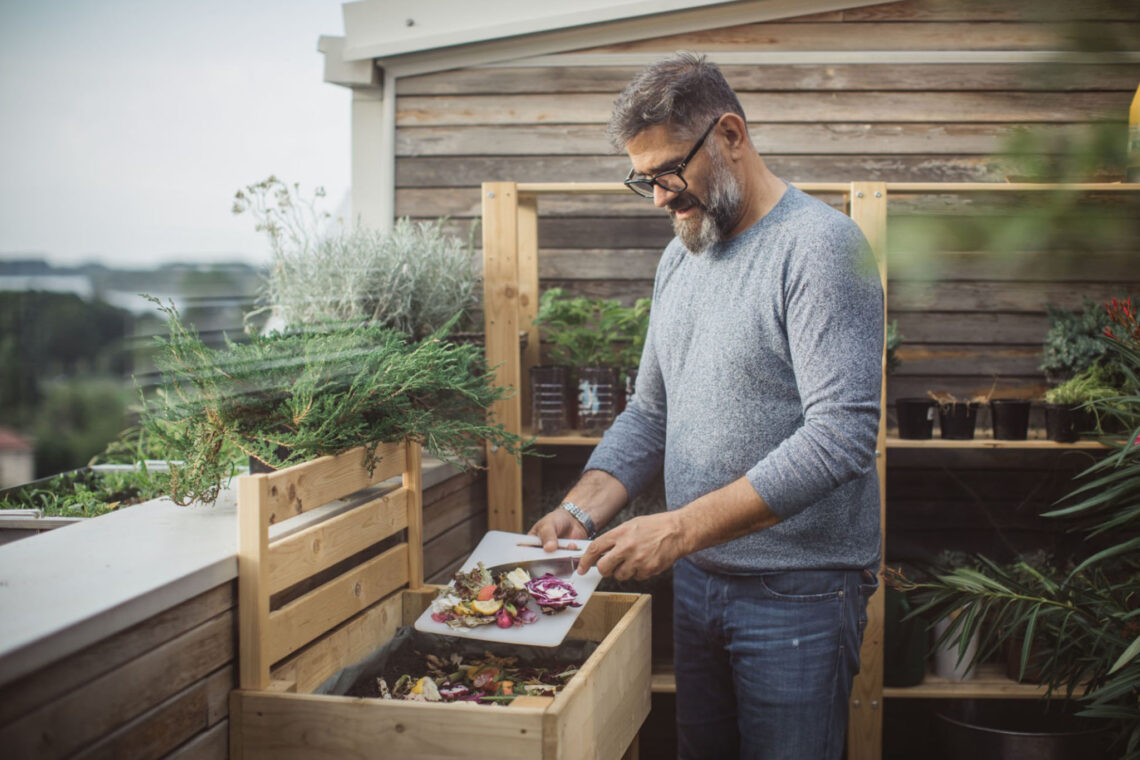
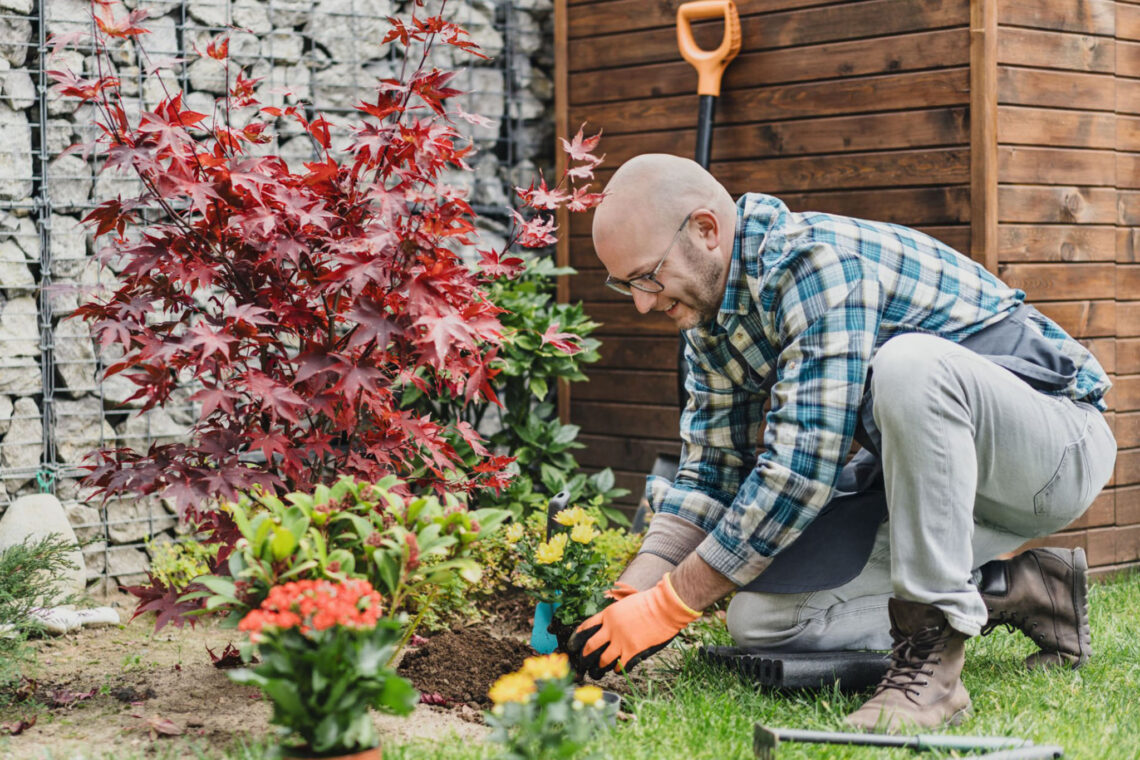
When winter rolls in and the first frost hardens the ground, many gardeners roll up their hoses, hang their tools, and assume composting season is over. But here’s the truth — composting doesn’t stop when it’s cold outside. It just slows down. Microbes work more sluggishly in low temperatures, but with the right strategy, your compost pile can stay alive and active even through the chilliest months. Whether you live in a mild southern climate or face subzero temperatures in the northern states, this guide will show you how to keep your compost working year-round, turning kitchen scraps and yard waste into black gold by the time spring planting begins.…
-
The Sleeping Garden: How to Protect Perennials from a Hard Winter
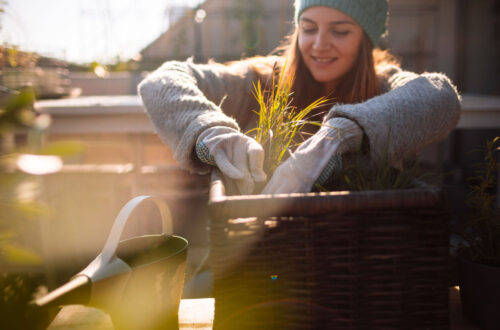
As autumn fades and the chill of winter settles over the land, your once-blooming garden begins to slow its rhythm. Leaves fall, colors fade, and stems wilt under the weight of frost. But while the garden appears to be sleeping, there’s still plenty happening beneath the surface. Roots are storing energy, crowns are tightening up for the freeze, and soil organisms are preparing for dormancy. This quiet season isn’t just a pause—it’s a crucial time to protect your perennials from winter’s toughest blows so they can thrive again in spring. Let’s explore how to help your garden rest safely through the cold months and wake up strong when the snow…
-
The Winter Feed Equation: Balancing Hay, Grain, and Grazing Before the Deep Freeze
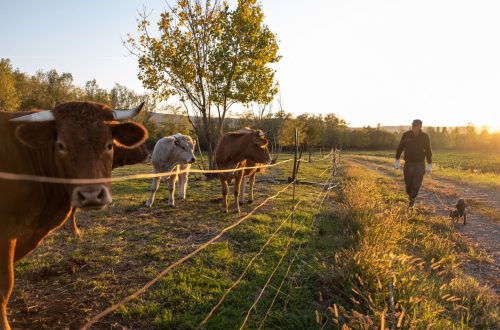
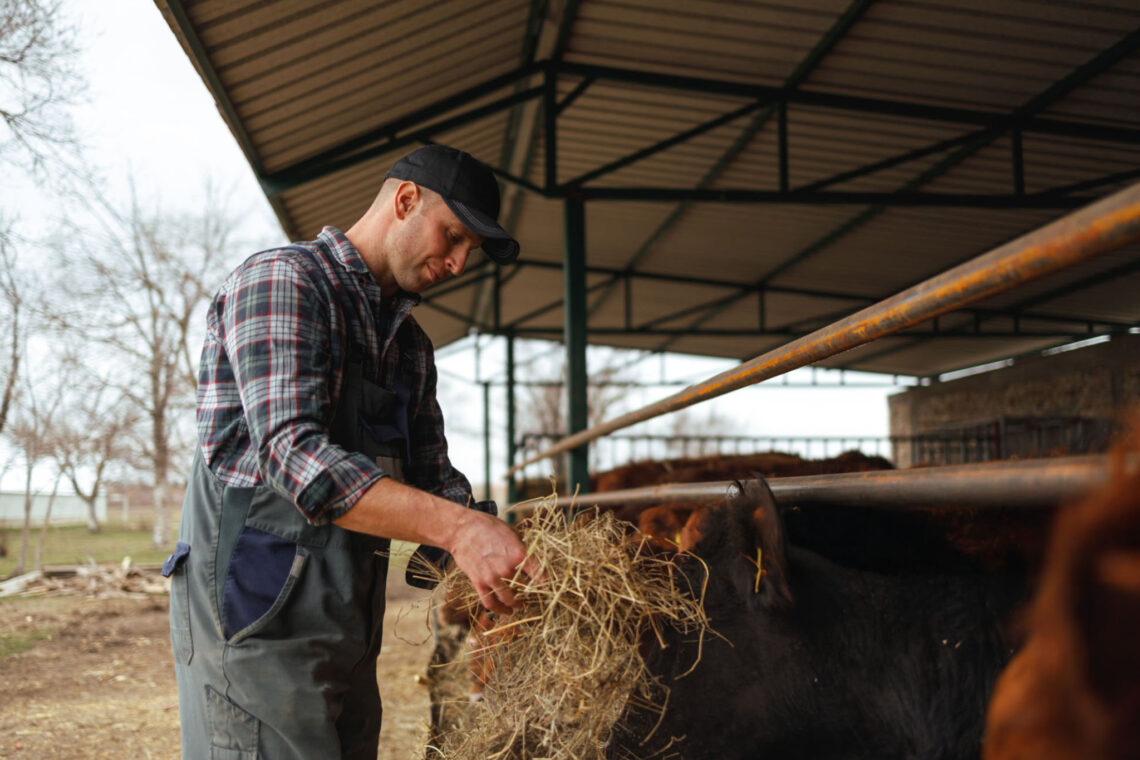
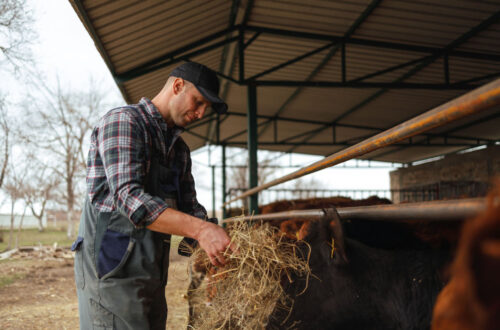
As the first hard frosts settle over the fields and the days shrink into cold, gray afternoons, every rancher knows it’s time to do some serious math — not on paper, but in the feedlot. Winter feeding isn’t just about filling troughs; it’s about balancing hay, grain, and grazing to maintain livestock health, conserve resources, and stretch every dollar through the long freeze ahead. Whether you’re managing cattle, sheep, or goats, how you handle feed from late fall into midwinter sets the tone for the entire season. Get it right, and your animals stay strong, efficient, and ready for spring. Get it wrong, and you’ll be fighting weight loss, wasted…
-
Frosted Pastures and Full Barns: Prepping Livestock for the Long Winter Ahead
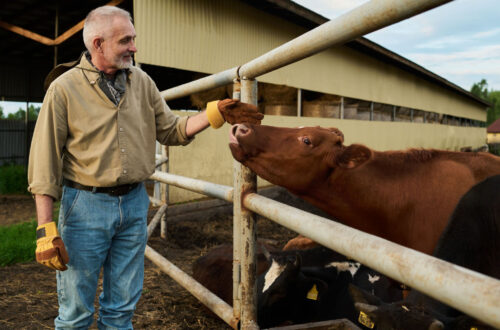
When the first frost glitters across the pasture and the morning air bites with that unmistakable chill, ranchers across America know one thing: winter is coming fast. It’s a season that tests preparation, patience, and practicality. From ensuring livestock nutrition to managing frozen water lines and protecting animals from harsh winds, every decision made in late fall shapes how smoothly a ranch will operate through the cold months. In this guide, we’ll dive deep into how to prepare your livestock and facilities for the long winter ahead—covering feed management, shelter setup, water systems, herd health, and daily routines that keep your operation efficient when the temperature drops below freezing. 1.…
-
Planning Next Year: Winter Garden Strategies for a Strong Start in Spring
As the last leaves fall and temperatures drop, the active gardening season may be ending, but the strategic gardener knows that winter is the perfect time to prepare for a successful spring. Proper winter planning not only protects the garden through cold months but also sets the stage for early growth, higher yields, and a more efficient planting season. This article provides comprehensive strategies for winter garden planning, from soil preparation and crop rotation to seed organization and protective measures, ensuring your garden is ready to thrive when spring arrives. 1. Assessing This Year’s Garden Performance Before planning for next year, evaluate what worked and what didn’t: This assessment forms…
-
Final Harvest, First Frost: Getting Your Garden Ready for Winter
As the autumn days shorten and the first frost touches the garden, the late-season gardener faces a pivotal task: preparing the garden for winter while making the most of the remaining harvest. This transitional period is essential for protecting soil health, preventing plant damage, and setting the stage for a productive spring. This article explores strategies for final harvesting, soil preparation, plant protection, and garden cleanup, providing practical advice to maximize your garden’s potential and resilience through the cold months. 1. Timing Your Final Harvest The first frost signals the end of active growing for many vegetables and fruits. However, timing is key: By carefully timing your harvest, you protect…
You May Also Like
Best Boots for Horse Farm Work: Waterproof Footwear for Stables, Mud, Pastures, and Daily Ranch Tasks
Best Boots for Animal Shelter and Kennel Work: Footwear for Washdown, Wet Floors, Dog Runs, and Daily Animal Care
The Rain Boot Buyer’s Guide to Materials: How to Spot Quality and Why Trudave Is Built to Last
-
Pasture Prep: Rotational Grazing and Soil Care Before Snow
As the days shorten and temperatures drop, ranchers and livestock managers face a crucial period: preparing pastures for winter. Proper late-fall management not only protects soil health and forage for the coming season but also ensures livestock enter winter in strong condition. Two key practices—rotational grazing and soil care—can make the difference between a productive spring and a struggling pasture. This article provides a detailed guide on how to optimize grazing, protect soil, and prepare pastures before the first snowfall. 1. Understanding Late-Fall Pasture Challenges Before winter, pastures experience several stress factors: Addressing these challenges requires careful planning and active pasture management. 2. Rotational Grazing: Timing and Strategy Rotational grazing…
-
Hay and Harvest: Maximizing Feed Before the Deep Freeze
As late fall settles in and the first signs of winter creep across the pasture, ranchers face a critical challenge: ensuring livestock have enough feed to stay healthy and productive through the deep freeze. The period between harvest completion and the first major frost is a golden opportunity to maximize feed efficiency, maintain animal health, and prepare pastures for winter. This article provides a comprehensive guide on strategies for feed management, storage, and livestock nutrition during the critical pre-winter window. 1. Understanding Late-Fall Feed Challenges During late fall, several factors affect livestock nutrition: Recognizing these factors early allows ranchers to plan feed distribution efficiently and avoid shortages when the deep…
-
Seeds of Spring: Why Winter Planning Makes for a More Productive Garden
When the garden beds lie frozen and the air smells of woodsmoke instead of compost, most growers might think the work is done. But seasoned gardeners know better — winter isn’t an ending; it’s the quiet beginning of next season’s success. The most productive gardens don’t just appear with the first thaw — they’re born in the stillness of winter, when planning, reflection, and preparation take root long before the first seed touches the soil. If you want next spring’s garden to be your most bountiful yet, now’s the time to put in the mental work. Here’s how smart winter planning turns cold days into fertile ground for future growth.…
-
Garden Tools and Cold Hands: End-of-Season Maintenance Every Grower Should Do
When the garden finally slows and the frost begins to settle in, most growers feel that deep mix of relief and reflection. The beds are quiet, the weeds have retreated, and the long days of summer labor are behind you. But before hanging up your gloves for good, there’s one more round of work that can make or break next year’s growing season — end-of-season maintenance. Cold hands and stiff fingers aside, this is the time to take care of the tools, soil, and systems that have carried you through the year. Neglect them now, and you’ll pay for it come spring. Give them a little attention, and your garden…