-
Chores Before Dawn: The Rhythm of Winter Ranch Mornings
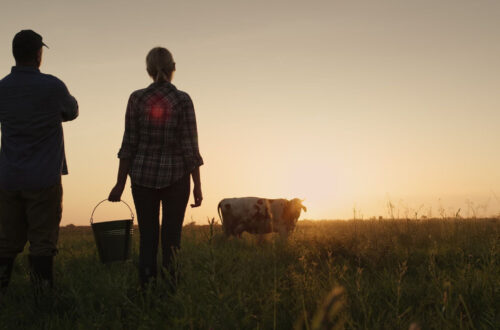
There’s something sacred about a winter morning on the ranch — that quiet hour before the first light stretches across the horizon, when breath hangs in the cold air and the world feels half-asleep. Long before most people start their day, ranchers are already knee-deep in chores, working by the glow of a headlamp or the steady beam of a barn light. These early hours aren’t glamorous, but they’re where the real rhythm of winter ranch life beats strongest — a blend of discipline, care, and respect for both the land and the animals that depend on it. 1. The Sound of the Day Starting Before the sun even hints…
-
Frozen Fences and Feeding Routines: Managing a Ranch Through the First Hard Freeze
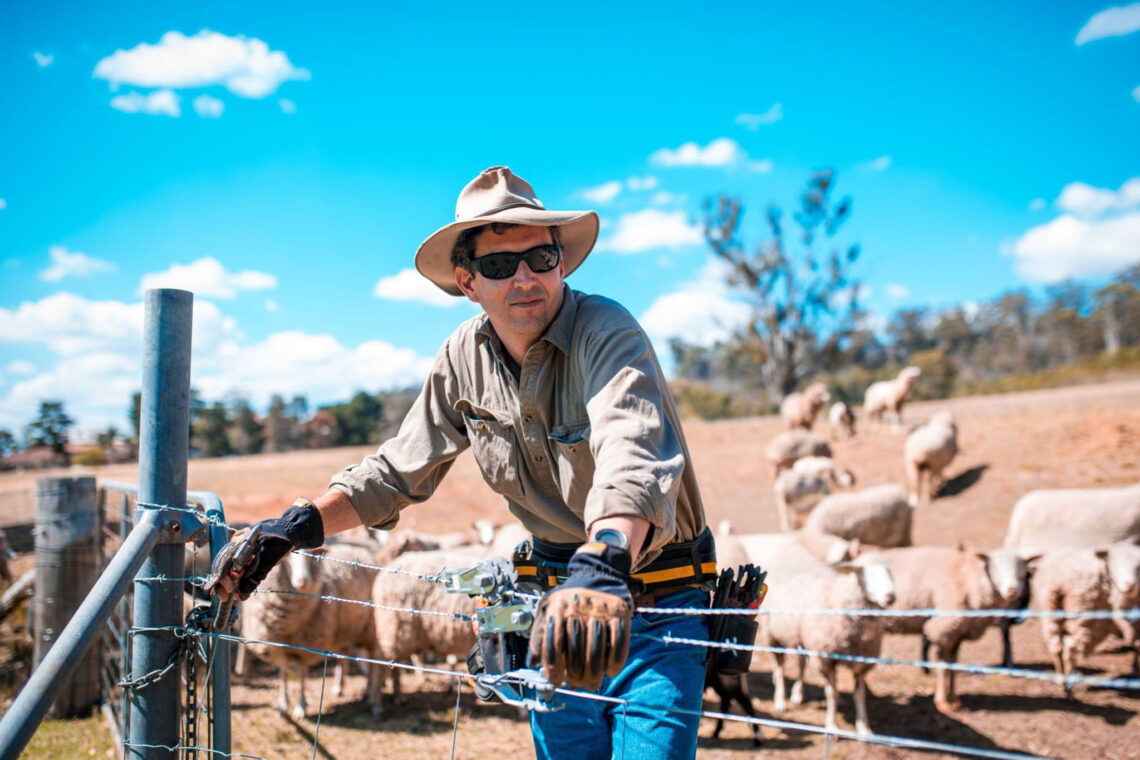
When the first hard freeze of the season hits, life on the ranch changes overnight. The soft mud that’s been under your boots for weeks suddenly turns to stone, troughs freeze solid before breakfast, and even the simplest chores demand a little more grit. Early winter is both a test of preparation and a reminder of why ranchers are some of the toughest, most resourceful people around. Managing your operation through that first freeze isn’t just about surviving the cold — it’s about keeping your animals healthy, your equipment functional, and your routines efficient until spring comes back around. 1. The Early Warning Signs of a Hard Freeze The first…
-
Mulch, Moisture, and Morning Frost: Building Winter Protection That Lasts
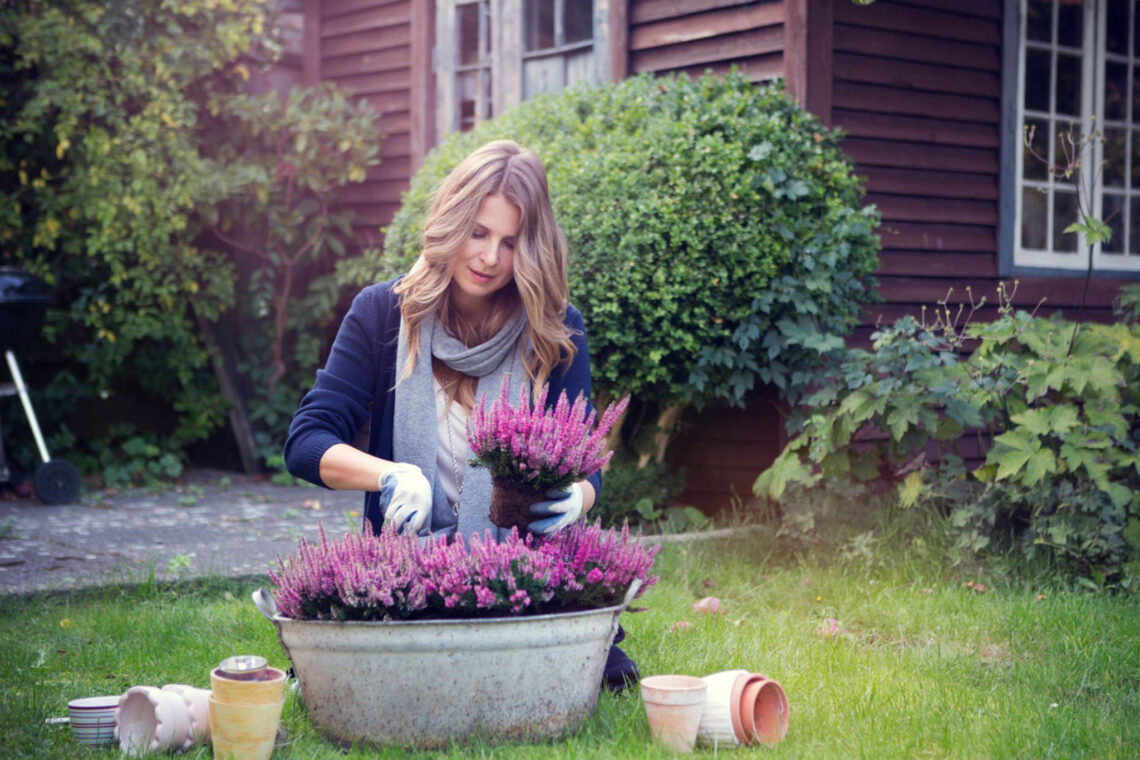
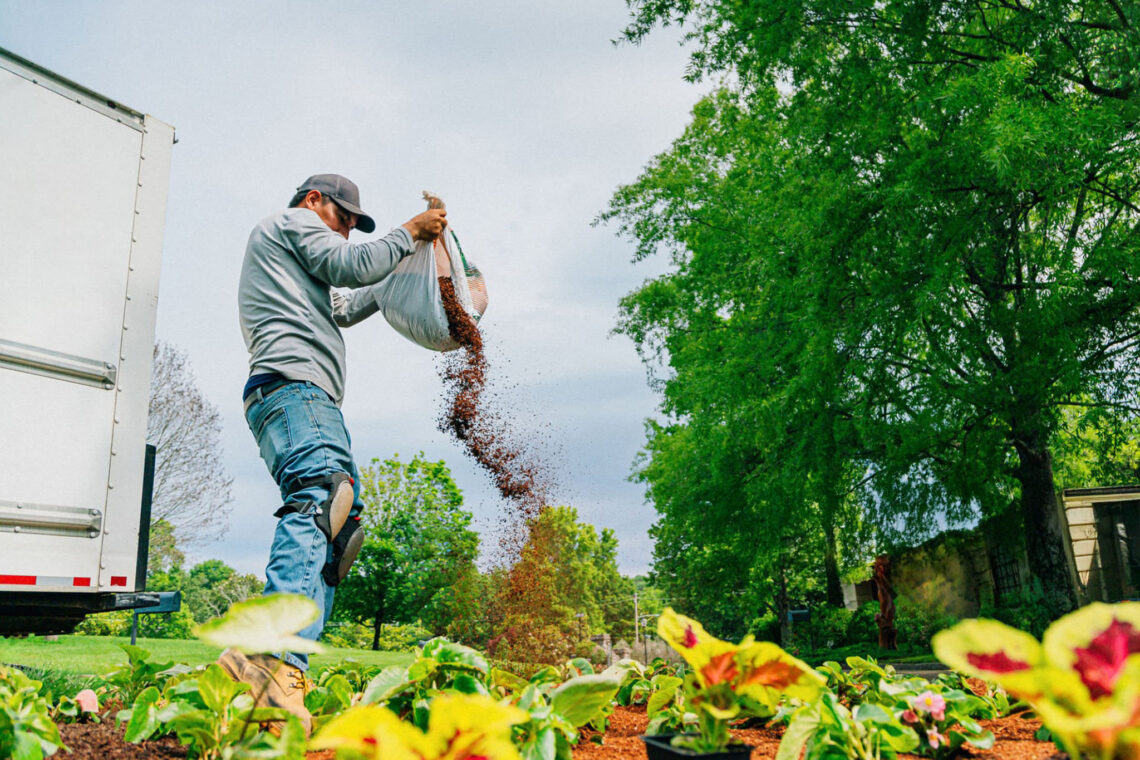
When the mornings turn silver with frost and the last leaves fall, your garden’s next challenge begins: surviving the long, cold months ahead. What happens under the mulch line this winter will determine how healthy your garden is come spring. Protecting your plants from harsh freeze-thaw cycles isn’t about luck—it’s about strategy, and the best gardeners know that mulch and moisture work together to create insulation that endures. This is the season of preparation, when smart layering, timing, and material choice can make the difference between plants that thrive and those that fade away by February. 1. Why Winter Protection Matters More Than You Think Winter isn’t just cold—it’s unpredictable.…
-
Roots Rest Easy: How to Put Your Garden to Bed Before the First Snow
As the air sharpens and frost starts whispering across the fields, there’s a quiet truth every gardener knows: a strong spring starts in the fall.Before winter’s first snow blankets your garden, it’s time to tuck your soil, roots, and perennials in for their long, cold rest. This is not just about cleaning up — it’s about giving your garden the structure, nutrients, and protection it needs to wake up healthy and vibrant when the thaw comes. In many ways, putting your garden to bed is like closing a well-loved book for the season. You know the story isn’t over — you’re just giving it the rest it deserves before a…
-
Feeding Through Frost: How to Keep Energy Levels Up When Grass Is Gone
When the first hard frost hits and the pastures turn from green to gray, every rancher and livestock owner faces the same challenge: how to keep animals healthy, full, and energized when the grass is gone. It’s the turning point in the ranch year—the end of grazing and the beginning of feeding season. What you do now determines not just how your animals survive winter, but how they perform next spring. Feeding through frost is both an art and a science. It’s about understanding animal metabolism, balancing nutrition under cold stress, and managing feed efficiently when natural forage can no longer do the job. Understanding the Winter Energy Equation When…
-
Hay, Hard Work, and Heavy Coats: The Realities of Ranch Life Before Winter
As the last of the autumn color fades and the morning frost begins to linger, ranchers across the country shift into overdrive. The weeks before winter aren’t a slowdown—they’re a sprint against the clock. This is the season of hay stacks, diesel mornings, and sore shoulders. It’s when the real work of the ranch happens, the kind that decides whether your stock and your land will thrive through the bitter months ahead. Late fall on the ranch is a balance between preparation and endurance. Every task—from checking water lines to building windbreaks—serves one purpose: survival. The land is changing, the animals are adapting, and so must the people who care…
You May Also Like
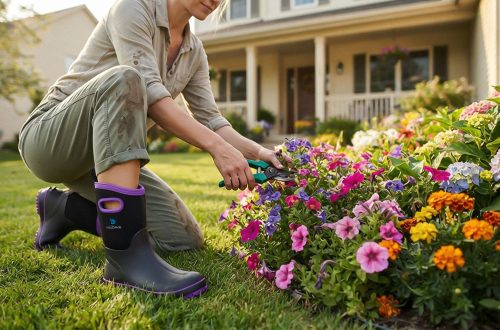
Best Boots for Corn Farm Work: Waterproof Footwear for Fields, Harvesting, Mud, and Long Agricultural Days
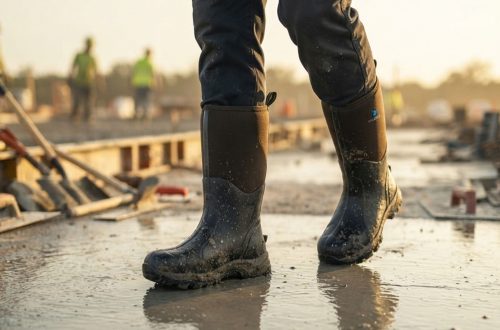
Best Boots for Horse Farm Work: Waterproof Footwear for Stables, Mud, Pastures, and Daily Ranch Tasks
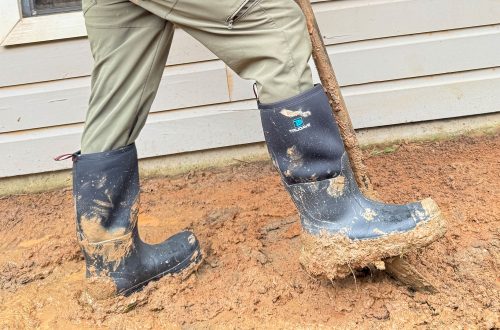
The Cheap Boot Trap: Why That $30 Pair of Rain Boots Is Actually Costing You a Fortune
-
Gardener’s Patience: Why Waiting for Warm Soil Pays Off
Every spring, there comes a moment when gardeners can barely contain themselves. The air feels softer, the sun lingers a little longer, and the urge to plant becomes irresistible. After a long winter, that first trowel in the soil feels like freedom. But here’s the truth every seasoned gardener knows: the soil may be ready for your hands, but not yet for your seeds. Rushing to plant too early in cold, damp soil can lead to disappointing germination, stunted growth, and a frustrating start to the season. Warm soil, on the other hand, offers the foundation for strong roots, resilient plants, and a thriving garden all summer long. Gardening isn’t…
-
The Early Planter’s Advantage: Seeds That Thrive in Cool Soil
When the last frost hasn’t quite faded and the soil still carries that early-spring chill, most gardeners hesitate to reach for their seed packets. But for those who understand the rhythm of the seasons, planting early isn’t reckless—it’s strategic. Cool soil can actually favor certain seeds, giving them a head start on growth, weed competition, and moisture retention. Early planting, when done with the right crops and timing, is one of the most rewarding ways to make the most of the growing season. It’s the difference between a rushed start and a planned advantage. This is the early planter’s edge—knowing which seeds love the chill, how to read the soil,…
-
When the Cows Start Kicking: Reading Livestock Behavior After Winter Pens
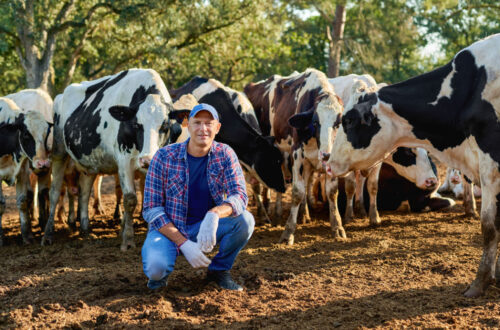
As winter fades and ranch gates swing open, there’s a special kind of energy that runs through a herd. The cows kick, the calves buck, and the whole pen seems to erupt with pent-up motion. To the untrained eye, it might look like chaos. But to an experienced rancher, those first kicks, bawls, and rushes aren’t just signs of excitement—they’re communication. After months in confinement, livestock behavior shifts dramatically once they’re released into open ground again. Understanding what those changes mean—whether it’s pure joy, social tension, or early signs of stress—can help ranchers ensure a smooth and healthy transition from the winter pen to the spring pasture. The Restless Energy…
-
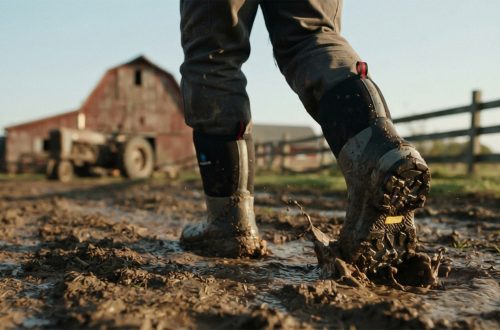
The Mud Season Hustle: Keeping Livestock Healthy When Pastures Are Soaked
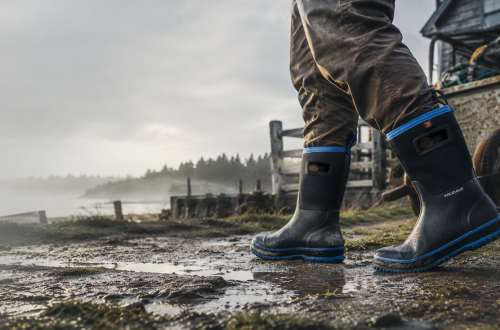
When winter finally begins to loosen its grip, ranchers across the country face one of the most challenging—and overlooked—transitions of the year: mud season. The snow melts, the rain returns, and the ground turns into a sticky, boot-sucking mess. For livestock and ranchers alike, it’s a season that tests patience, endurance, and management skill. The mud may be temporary, but the risks it brings—hoof rot, feed contamination, and stress—can leave lasting impacts on your herd’s health and productivity. This is the time when true ranch experience shines: knowing how to adapt to saturated conditions, protect livestock from the elements, and prepare pastures for a strong green-up. Understanding Mud Season and…