-
Best Boots for Horse Barn Work: A Practical Guide for Stalls, Paddocks, and Long Days at the Stable
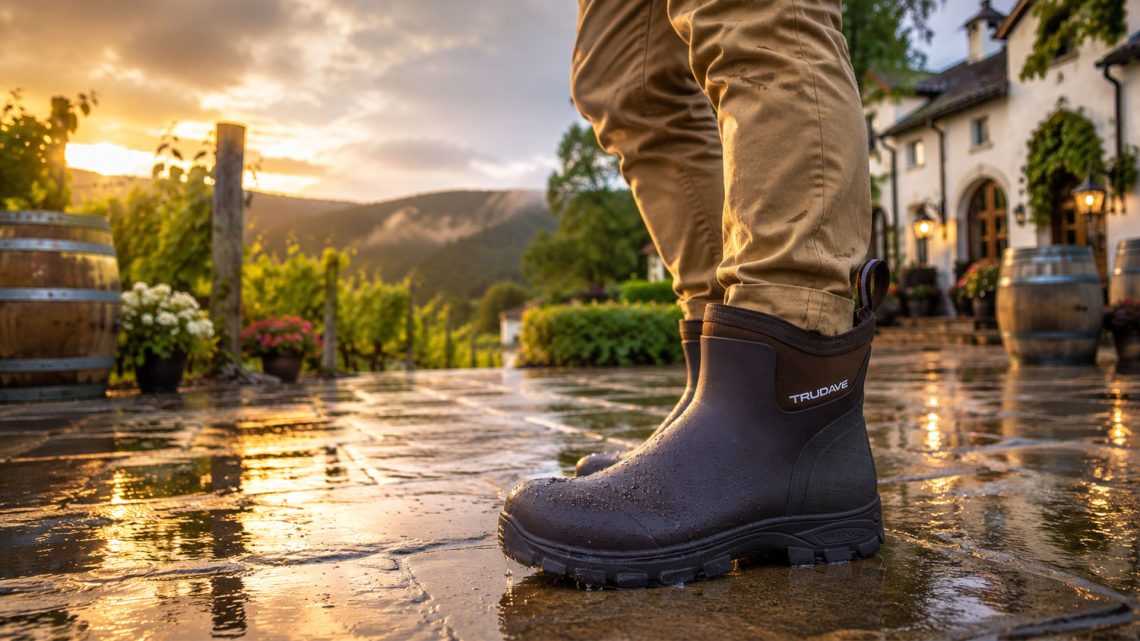
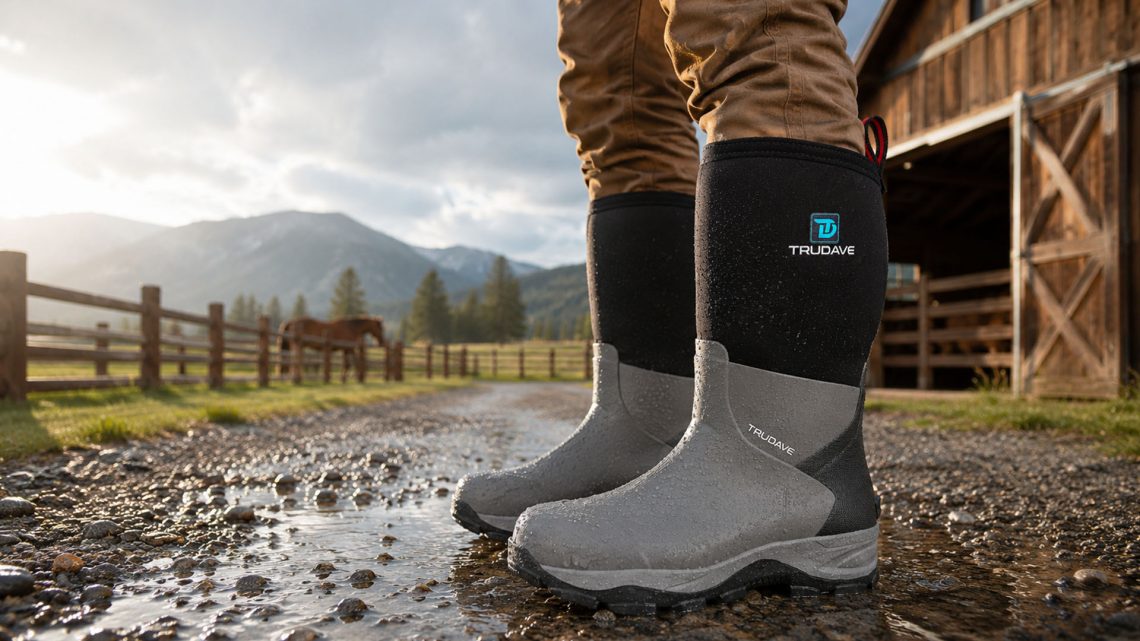
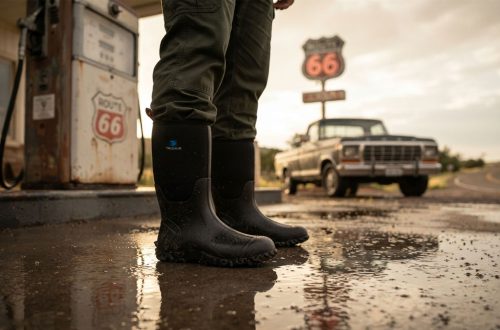
Horse barn work puts footwear through a demanding mix of mud, manure, wet bedding, concrete aisles, gravel, standing water, and long hours on your feet. A typical morning may include feeding, filling water buckets, turning horses out, cleaning stalls, moving hay, checking fences, and walking through a muddy paddock before most people have started their day. The same boots may then be worn while carrying equipment, pushing wheelbarrows, washing floors, handling feed, and moving between indoor and outdoor surfaces. Ordinary rain boots may keep water out, but they often lack the support and stability needed for daily stable work. Traditional riding boots are designed for use in the saddle and…
-
Best Boots for Dairy Farm Work: A Practical Guide for Wet Barns and Long Shifts
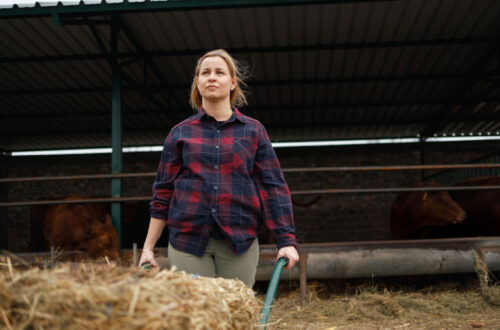
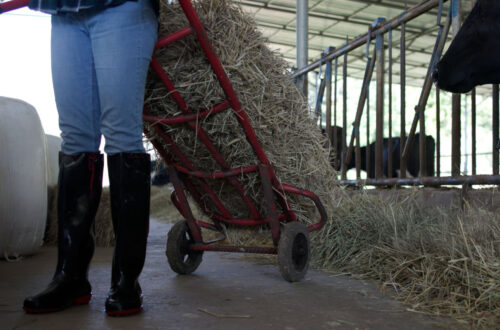
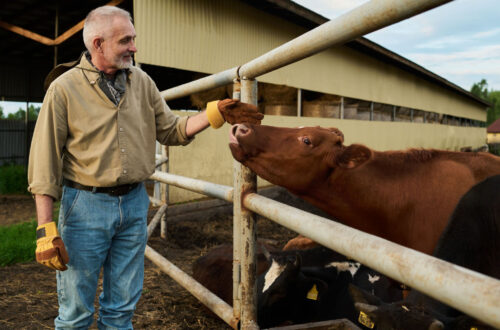
Dairy farming places unique demands on footwear. A dairy worker may begin the day before sunrise, walk through wet holding areas, stand for hours on concrete, move cattle, wash down the milking parlor, handle feed, and finish the shift with mud and manure packed into the outsole. The boots are exposed to water almost constantly. They also come into contact with manure, milk residue, cleaning products, feed, concrete, metal grates, and changing outdoor weather. Ordinary work boots may provide enough support on dry ground, but they often require extensive maintenance after repeated exposure to moisture. Basic rain boots may keep water out, yet provide too little cushioning or traction for…
-
Best Boots for Cattle Ranch Work: A Practical Buying Guide for Long Days Around Livestock
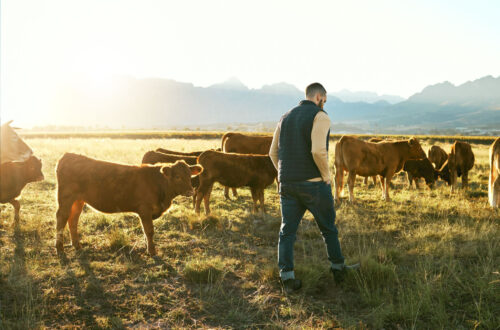
Cattle ranch work is hard on footwear. A normal day may begin before sunrise with feeding, checking water systems, opening gates, and walking through wet grass. Later, you may be moving cattle, repairing fence, cleaning pens, working around trailers, or crossing muddy pastures after a storm. The ground is rarely consistent. One area may be soft mud. Another may be wet concrete, gravel, packed dirt, manure, metal trailer flooring, or uneven pasture. That means ranch boots need to do more than keep your feet dry. They need dependable traction, long-wearing comfort, easy-clean materials, stable footing, and enough durability to handle daily contact with livestock environments. The best boots for cattle…
-
Best Waterproof Boots for Farm Work: A Complete Buying Guide for Farmers and Ranchers
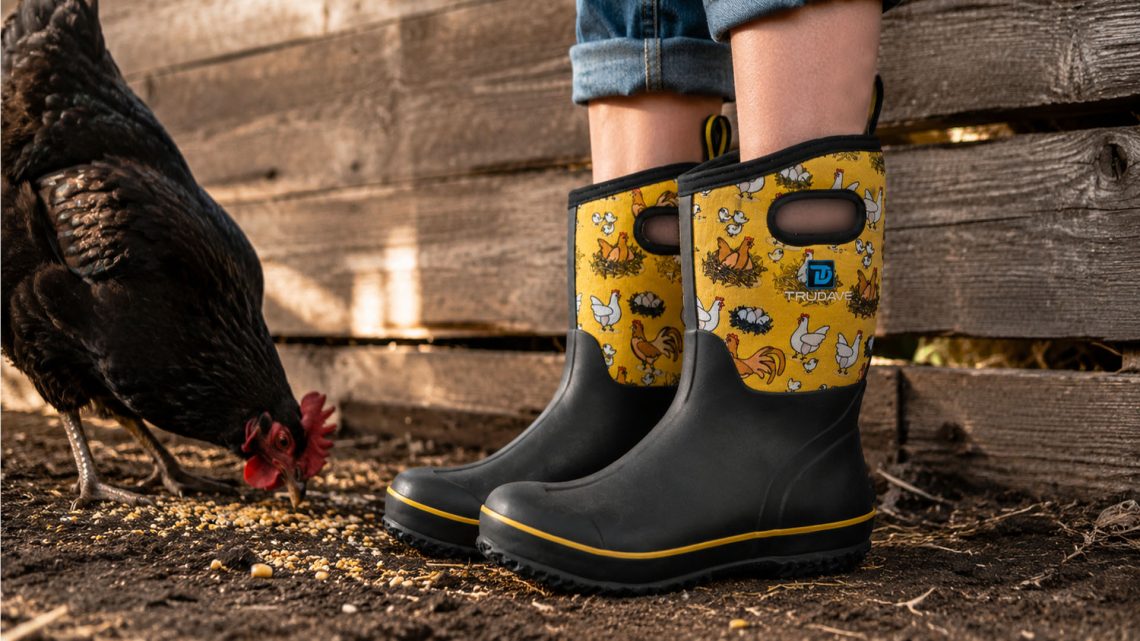
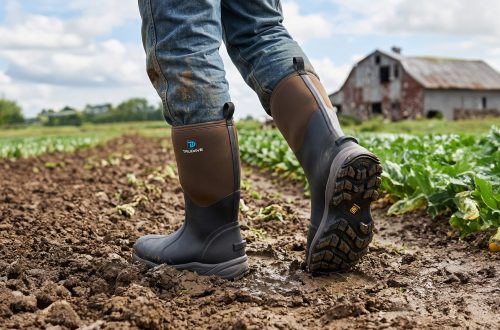
A farm can expose your footwear to almost every challenge imaginable. One morning might begin with wet grass covered in heavy dew. By afternoon you’re walking through muddy cattle pens, standing on wet concrete in the barn, crossing shallow creeks, feeding livestock, repairing fences, or loading equipment in the rain. Ordinary work boots often aren’t designed for that combination of mud, water, manure, and long hours outdoors. That’s why many farmers choose waterproof rubber boots built specifically for agricultural work. The right pair keeps your feet dry, reduces fatigue, improves traction, and makes cleanup much easier after a long day. This guide explains what features matter most when buying waterproof…
-
What to Wear Turkey Hunting in the Rain: A Complete Wet-Weather Gear Guide
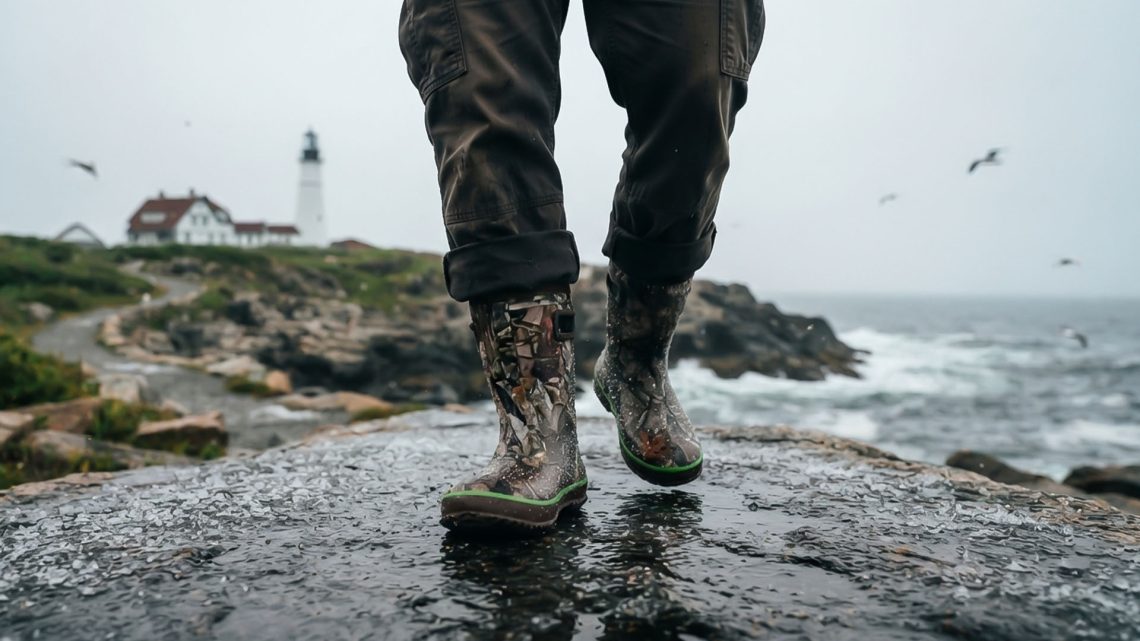
Spring turkey season rarely delivers perfect weather every day. One morning may be cool and clear. The next may bring steady rain, wet grass, muddy access roads, and temperatures that feel much colder than the forecast suggests. Rain does not necessarily end a turkey hunt. In some situations, wet weather can create useful opportunities. Turkeys may move toward open fields, logging roads, pastures, or other areas where they can see more clearly and avoid brushing against soaked vegetation. However, hunting effectively in the rain requires the right clothing and footwear. Ordinary outdoor clothing can become heavy, noisy, and uncomfortable when wet. Poorly chosen boots may leave your feet cold, cause…
-
Rain Boots vs Waders: Which Do You Actually Need for Fishing, Hunting, and Wet Terrain?
When outdoor conditions become wet, choosing the right footwear is not always as simple as buying the tallest waterproof boots available. Rain boots and waders are both designed to keep water away from your body, but they protect very different areas and are intended for different levels of water exposure. Rain boots typically protect the feet and lower legs. Waders may extend to the hip, waist, or chest, allowing anglers, hunters, and outdoor workers to enter significantly deeper water. The extra coverage can be extremely useful. It can also add weight, restrict movement, trap heat, and introduce safety concerns that do not apply to ordinary waterproof boots. A shoreline angler…
-
Best Rain Boots for Standing All Day: What to Look for Before You Buy
Standing all day in rain boots can be harder on your feet than walking through mud for a few minutes. Farmers, anglers, landscapers, outdoor workers, warehouse employees, and property owners may spend six, eight, or even twelve hours wearing waterproof footwear. During that time, weak cushioning, poor arch support, excessive boot weight, trapped heat, and an unstable fit can create foot fatigue, heel pain, pressure around the toes, and discomfort in the knees or lower back. Basic rain boots are often designed primarily to keep water out. That may be enough for occasional yard work or short walks in the rain. It is not always enough for people who need…
-
How Long Do Rain Boots Last? A Complete Guide to Rubber Boot Lifespan
A good pair of rain boots is an investment. Whether you wear them for hunting, fishing, farming, gardening, or simply walking through rainy weather, waterproof boots protect your feet from conditions that ordinary shoes cannot handle. One of the most common questions buyers ask is: How long do rain boots actually last? Unfortunately, there isn’t a single answer. Some inexpensive boots begin cracking after one season, while high-quality rubber hunting boots may provide years of reliable performance when properly maintained. The lifespan of rain boots depends on much more than price. Material quality, storage conditions, frequency of use, UV exposure, terrain, cleaning habits, and even how the boots are dried…
-
Can You Hike in Rain Boots? When They Work and When They Don’t
Rain boots seem like an obvious choice for a wet trail. They are waterproof, easy to clean, and often tall enough to protect your lower legs from mud, puddles, wet grass, and shallow water. For short walks through saturated ground, rain boots can work very well. However, traditional rubber boots are not always designed for long-distance hiking, steep terrain, rocky trails, or extended climbs. They may provide less ankle support, less cushioning, and less precise heel control than lace-up hiking boots. The result is that rain boots can be excellent in the right conditions and uncomfortable or unstable in the wrong ones. The answer to whether you can hike in…
-
How to Dry Rain Boots Overnight Without Damaging Them
Wet rain boots are inconvenient at any time. They become a bigger problem when you need to wear them again the next morning. Hunters may return from a rainy evening and need dry boots before sunrise. Farmers and outdoor workers may have only one night between shifts. Anglers may need to prepare wet footwear for another full day on the water. The outside of rubber boots is usually easy to dry. The interior is more difficult. Sweat, rainwater, wet socks, and trapped humidity can remain inside the lining, underneath the insole, and around the toe box long after the exterior appears dry. Putting damp boots back on can lead to…