-
Best Boots for Seaweed and Kelp Farming: Footwear for Workboats, Wet Docks, Harvest Lines, and Cold Saltwater
Seaweed farming is one of the fastest-growing forms of marine agriculture, but the job looks very different from working on a traditional farm. Instead of tractors moving through crop rows, kelp and seaweed crews may spend their days on small workboats, floating platforms, docks, rope systems, harvest lines, and coastal processing sites. Water is not an occasional problem. It is the working environment. A seaweed farmer may begin the morning stepping onto a wet dock, spend several hours hauling soaked lines aboard a boat, stand around slippery harvested kelp, work in cold salt spray, unload heavy baskets, and finish the day cleaning equipment inside a processing facility. That means ordinary…
-
Best Boots for Beekeeping: Footwear for Apiaries, Wet Grass, Hive Yards, and Honey Harvest
Beekeeping footwear has a job that most ordinary farm boots never need to perform. A beekeeper does not simply walk across fields. They may step between hive stands, kneel beside colonies, carry heavy supers, work through wet spring grass, move across rough orchard ground, load boxes into trucks, stand for hours inside a honey house, and sometimes travel between several apiary sites in one day. Footwear also interacts directly with protective clothing. That makes boot choice important for reasons beyond waterproofing. Good beekeeping boots should help workers move comfortably around hive yards while also working well with bee suits, trousers, gaiters, and other protective clothing. For commercial beekeepers, hobbyists with…
-
Best Boots for Oyster Farming, Tidal Flats, and Shellfish Harvesting
Oyster farming is not ordinary farm work. Instead of walking crop rows or working inside a barn, shellfish growers may spend their days moving between tidal flats, boats, floating cages, docks, muddy shorelines, sorting tables, and cold coastal water. That creates a very different footwear problem. A boot used on an oyster farm may need to handle thick marine mud in the morning, wet aluminum boat decks at midday, crushed shells in the afternoon, and cold saltwater before the shift ends. For that reason, choosing footwear for oyster farming should start with the actual environment rather than simply looking for a generic pair of waterproof work boots. The right footwear…
-
Best Boots for Celery Farm Work: Waterproof Footwear for Wet Fields, Irrigation, Harvesting, and Packing
Celery farming creates some of the wettest working conditions in vegetable agriculture. Celery requires consistent soil moisture, which means workers often spend long days around irrigated fields, damp rows, muddy harvest areas, washing lines, and wet packing facilities. A typical celery farm worker may begin the day checking irrigation, walk through moisture-heavy crop rows, help harvest mature stalks, move bins, operate equipment, work near wash stations, and finish the shift inside a packing or cold-storage facility. Depending on the season and location, workers may encounter: Ordinary sneakers are not designed for these environments. Light recreational rain boots may keep water outside, but many lack the heel retention, cushioning, support, and…
-
Best Boots for Garlic Farm Work: Waterproof Footwear for Planting, Muddy Rows, Irrigation, and Harvest Season
Garlic farming requires a surprising amount of hands-on work. From preparing fields and planting cloves to managing irrigation, controlling weeds, harvesting bulbs, curing garlic, and packing finished crops, workers spend long hours moving between outdoor fields and agricultural facilities. Depending on the region and season, garlic farm workers may encounter: Ordinary sneakers are not designed for these environments. Light recreational rain boots may keep moisture outside, but many lack the heel retention, cushioning, traction, and support required for professional agricultural work. The best boots for garlic farm work should provide dependable waterproof protection, secure footing, practical field traction, supportive cushioning, manageable weight, and easy-clean construction. This guide explains how to…
-
Best Boots for Onion Farm Work: Waterproof Footwear for Muddy Fields, Irrigation, Harvesting, and Packing
Onion farming puts footwear through a wide range of conditions. A typical onion farm worker may begin the day inspecting irrigated fields, walk through damp soil, repair water lines, operate tractors, help with harvesting, move bins, work around packing equipment, and finish the shift inside a cool storage facility. Depending on the season and region, workers may encounter: Ordinary sneakers are not designed for these environments. Light recreational rain boots may keep water out, but many lack the support, heel retention, cushioning, and durability needed for long commercial farm shifts. The best boots for onion farm work should provide dependable waterproof protection, secure heel retention, practical field traction, supportive cushioning,…
-
Best Boots for Hop Farm Work: Waterproof Footwear for Wet Rows, Trellis Work, Irrigation, and Harvest Season
Hop farming combines intensive fieldwork, trellis maintenance, irrigation, machinery, and a short but demanding harvest season. Hop plants can grow high above workers on tall trellis systems, but much of the daily labor still happens at ground level. Workers may spend long hours walking between rows, checking irrigation, maintaining trellis wires, training vines, controlling weeds, operating tractors, repairing equipment, harvesting mature hops, and moving freshly cut plant material to processing facilities. Depending on the season, hop farm workers may encounter: Ordinary sneakers are not designed for these conditions. Light garden shoes may feel comfortable during short chores, but they often lack the waterproof protection, ankle support, traction, cushioning, and durability…
-
Best Boots for Dairy Farm Work: Waterproof Footwear for Milking Parlors, Wet Concrete, Manure, and Muddy Barnyards
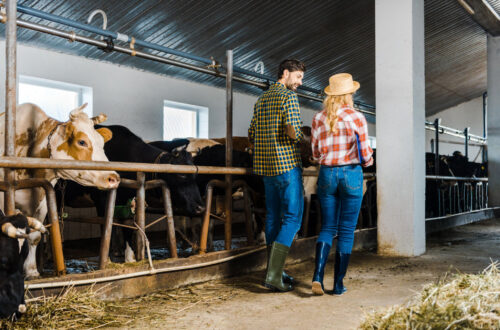
Dairy farming is one of the toughest agricultural environments for footwear. Workers may begin before sunrise, walk through muddy barnyards, move cattle, check calves, clean stalls, carry feed, enter a wet milking parlor, wash equipment, and finish the shift on concrete floors covered with water and organic residue. Water, manure, mud, and hard surfaces are part of everyday dairy work. A typical dairy farm employee may regularly move between: Ordinary shoes are not designed for these conditions. Fabric-heavy footwear can absorb moisture and become difficult to clean. Light recreational rain boots may keep water out but often lack the cushioning, heel retention, traction, and durability required for professional dairy work.…
-
Best Boots for Poultry Farm Work: Waterproof Footwear for Chicken Houses, Wet Barns, Washdown, and Daily Farm Chores
Poultry farming creates a very different footwear environment from crop fields or open pasture. Chicken and turkey farm workers may spend much of the day inside enclosed barns, but that does not mean their footwear stays dry or clean. A typical shift may include: Workers may encounter: Ordinary sneakers are poorly suited to these conditions. Fabric-heavy shoes can absorb moisture, manure, dust, and organic residue. Basic recreational rain boots may keep water out, but many lack the cushioning, traction, heel retention, and durability needed for full agricultural shifts. The best boots for poultry farm work should provide dependable waterproof protection, secure footing, easy-clean construction, supportive comfort, and practical traction for…
-
Best Boots for Sod Farm Work: Waterproof Footwear for Wet Turf, Muddy Fields, Irrigation, and Loading
Sod farming looks simple from a distance. Rows of perfectly maintained grass stretch across flat fields, machines cut clean strips of turf, and pallets of finished sod are loaded onto trucks for landscaping projects. But working on a sod farm can be extremely demanding on footwear. Grass is frequently wet. Irrigation runs constantly during the growing season. Freshly cut sod exposes damp soil underneath. Harvest equipment creates muddy traffic areas. Workers may move repeatedly between fields, tractors, cutting machines, pallets, loading zones, gravel roads, and wet concrete. A typical sod-farm worker may spend the day: Common working conditions include: Ordinary sneakers become wet quickly. Light landscaping shoes may be comfortable…